Pretoria Demos For Real Workshop Conditions
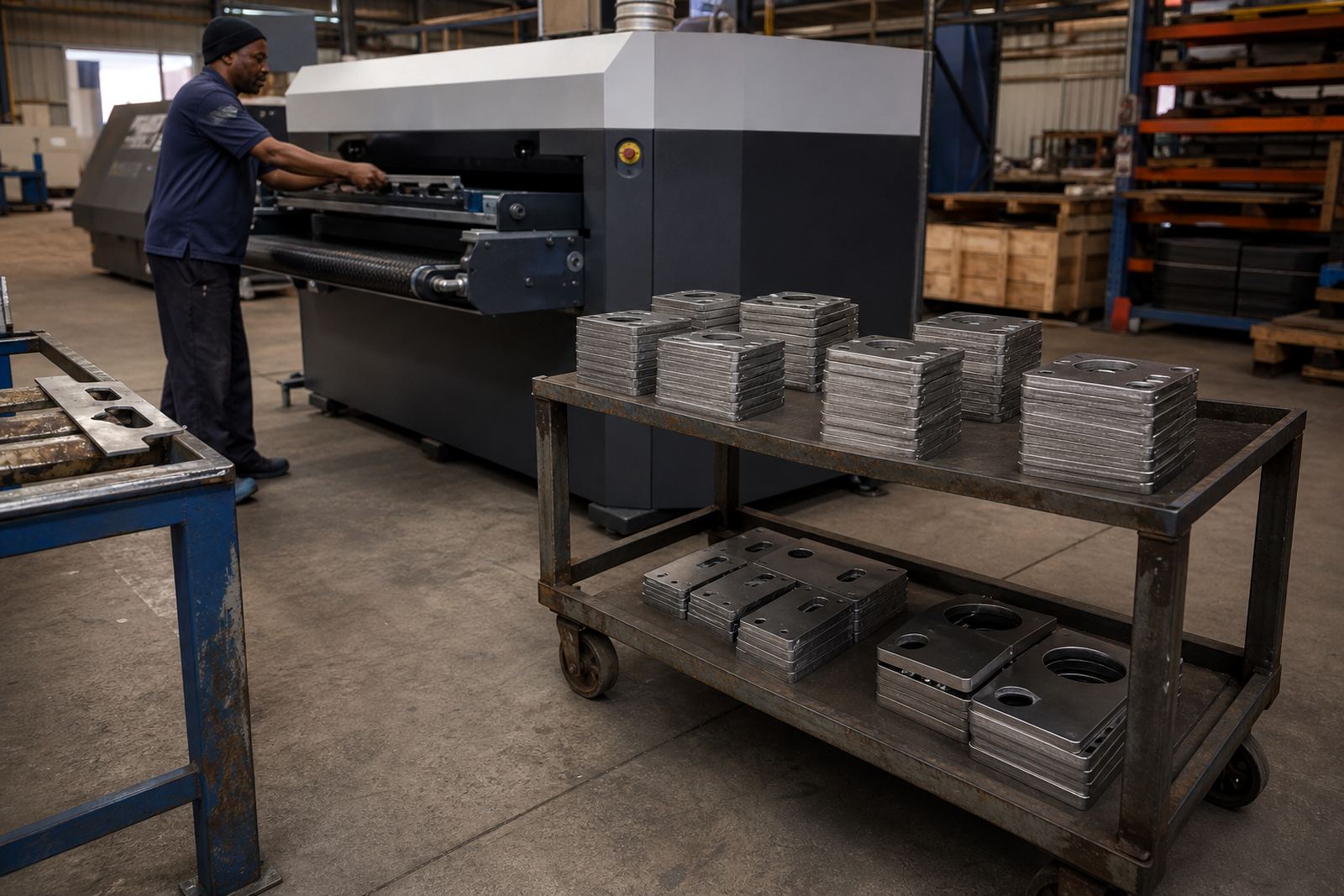
Our Pretoria demos are set up for fabricators who need to see how a deburring machine handles their own parts, not just a neat sample from a brochure. Whether you are running light-gauge electrical enclosures, brackets, panels, covers or mixed jobbing work, we look at edge quality, handling time and how much operator attention the process needs in a busy shop.
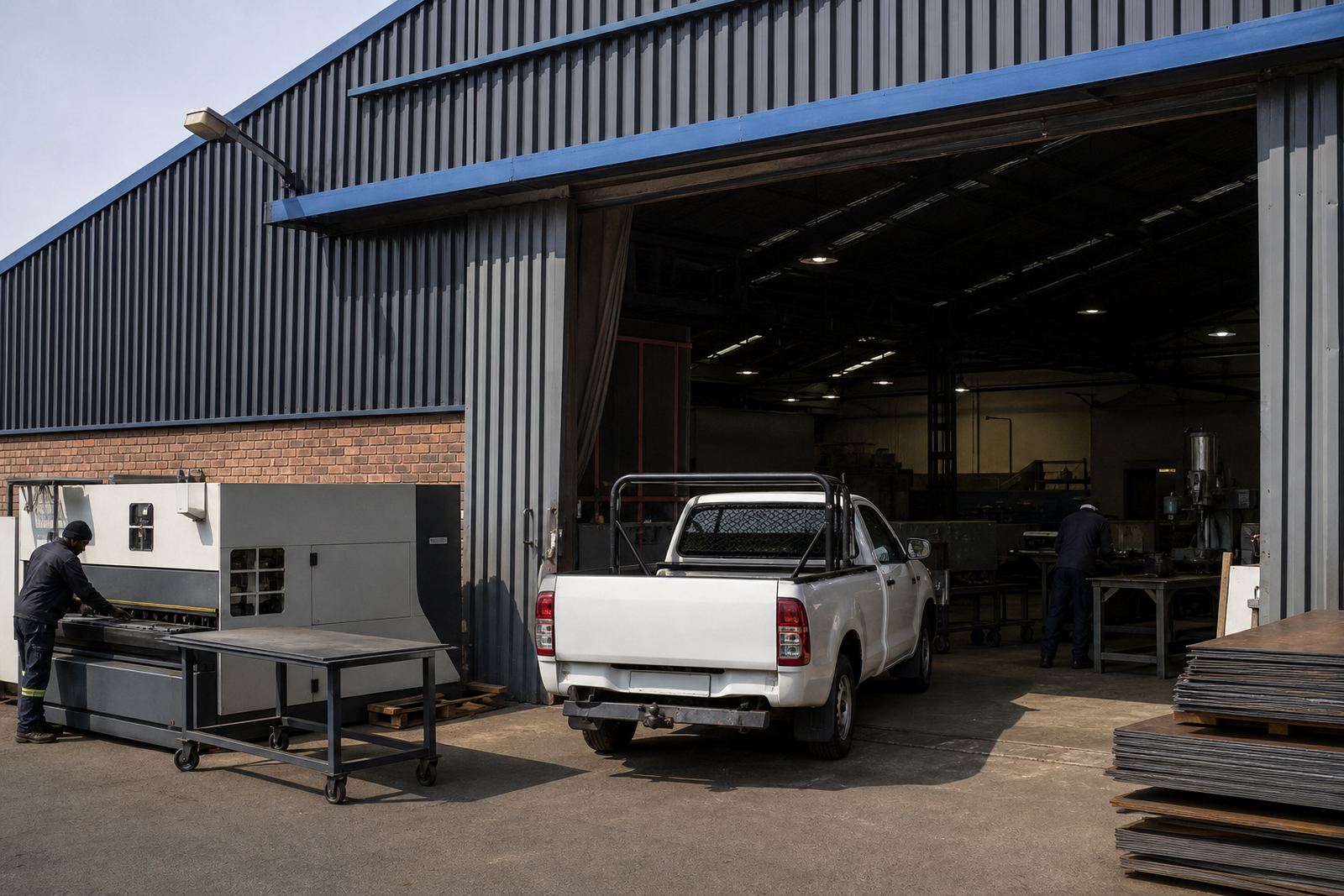
We support workshops across Tshwane, including industrial areas where production is affected by power interruptions, dust, and long shifts. A machine that works well in a clean test room can behave differently on a floor with load-shedding stops, forklift traffic and varied sheet sizes, so we focus on practical use. The aim is to show what your team can expect day after day, not just on one easy run.
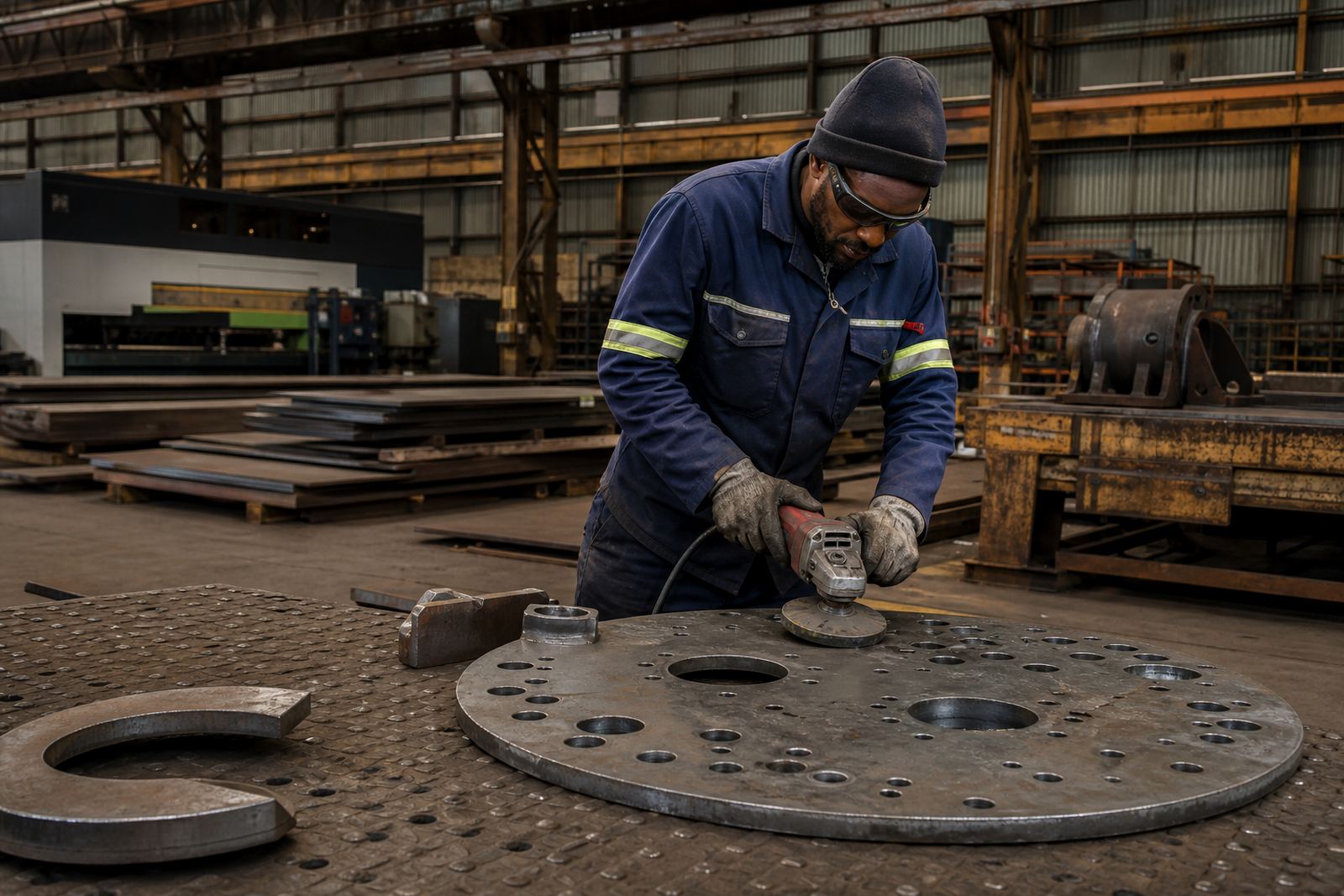
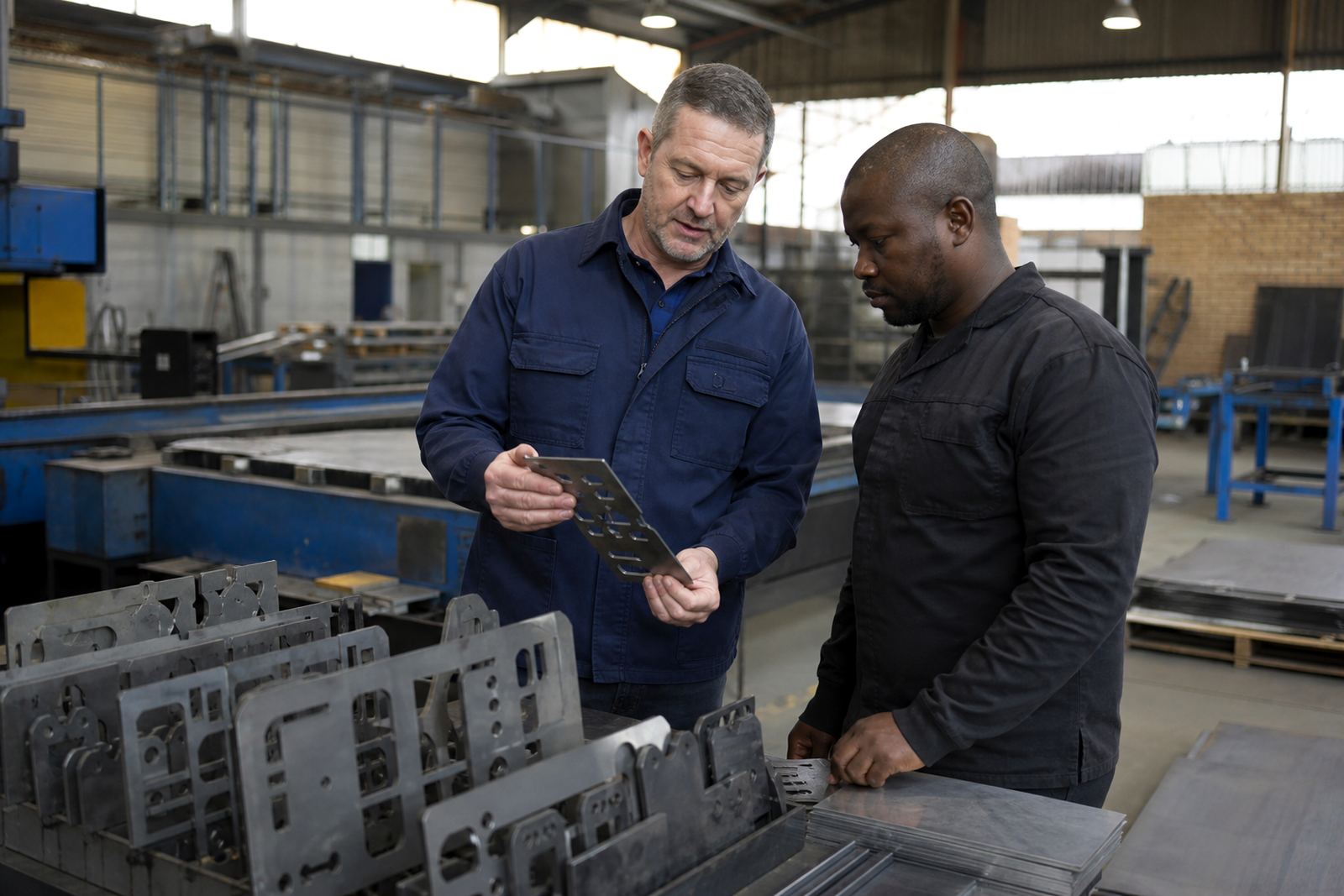
Typical Pretoria visits suit buyers comparing two or more finishing methods, or wanting to understand where manual grinding still costs too much time. We can review parts with burrs on straight edges, light edge radius requirements, and finishing needs after laser cutting on mild steel, stainless steel and aluminium.
- Laser-cut sheet metal parts from small batches to higher daily volumes
- Mixed materials, including mild steel, stainless steel and aluminium
- Workshops needing safer finishing than hand grinding alone
- Teams comparing one pass finishing against staged processing
Where Pretoria Clients Usually Need Help
Many of the Pretoria enquiries we handle come from fabricators supplying general engineering, cabinets, control panels, medical equipment, food handling components and building-related metalwork. These businesses often deal with repeat parts and urgent one-off jobs in the same week, which makes fast changeover important. When a job stack includes fine internal cut-outs and larger outer profiles, the right machine can make a real difference to consistency.
Pretoria also has a fair amount of work that moves between subcontractors, so part condition on arrival matters. If laser-cut edges are rough or inconsistent, downstream assembly slows down and coating quality can suffer. Our demos are useful for firms that want fewer reworks, less file-and-grind time, and a cleaner base for powder coating or painting.
Because many workshops in the greater Pretoria area run on tight schedules, we keep the discussion practical. We look at which parts are suitable for automatic deburring, what still needs a manual touch-up, and where a mixed process is more cost effective.
- Electrical and sheet metal enclosure makers
- Metal fabricators supplying OEM and subcontract work
- Jobbing shops balancing short runs and repeat orders
- Operations preparing parts for coating, welding or assembly
Travel, Turnaround And What We Cover On Site
From our base in Wadeville, Germiston, we plan Pretoria demos and support visits with travel time that matches the day’s route and workshop schedule. For many Pretoria areas, we can usually work with your team on a planned visit after the initial enquiry, and turnaround depends on the number of parts, machine availability and whether sample testing is needed. We do not rush a demonstration if the parts are a poor match for the wrong process, because that just wastes time and money.
On site, we can cover machine setup guidance, operator familiarisation, sample part testing and process checks around your current laser output. If you are comparing machines for different plate thicknesses or surface finishes, we will look at feed direction, part size handling and where manual pre-cleaning may still be needed. In Pretoria summers, dust and heat can affect workshop conditions, so setup and maintenance access matter more than many buyers expect.
For clients that need practical buying support, we also help with production planning questions such as how many parts can be processed per shift, what spare consumables should be kept in stock, and whether one operator or two is the right fit. The aim is to give you a realistic view before you commit.
- Sample part testing with your own laser-cut components
- Setup guidance and operator familiarisation
- Consumable and abrasive planning
- Advice on feed speed, part mix and finishing sequence
Machines, Spares And Consumables We Support
For Pretoria workshops, we cover deburring and edge-finishing machines suited to sheet metal finishing after laser cutting. That includes equipment for removing burrs, breaking sharp edges, cleaning oxidation where applicable, and improving consistency before assembly or coating. Some clients need simple edge conditioning, while others want a more complete finish across a range of part sizes and material types.
We also support the practical side that keeps the machine working. That means abrasive replacement, wear part planning, spares supply, preventive maintenance and annual service contracts for firms that prefer predictable downtime. If a machine is moved between sites or around a growing plant, we can assist with relocation support and re-commissioning so it lands in the right place and runs as expected.
In Pretoria, many customers like to keep a backup plan for busy weeks or after-hours work. We can talk through what should be kept on the shelf, what can wait, and how to avoid a stoppage that holds up dispatch. It is often a small detail but it saves a lot of grief later on.
- Deburring and edge-finishing machines for laser-cut sheet metal
- Abrasive replacement and wear items
- Preventive maintenance and breakdown repairs
- Annual service contracts for active production sites
Comparing Mixed Volumes And Materials The Practical Way
Not every Pretoria workshop runs one steady product all week. Some move from a batch of 20 parts to a run of 500, then switch to another material and thickness before lunchtime. That is where a demo helps, because a machine that handles one clean stack may behave differently when the next batch includes small parts, larger frames and a few awkward shapes. We help you compare the real production picture, not just a tidy sample tray.
If your work includes stainless steel and mild steel in the same shift, or parts that need clean handling before welding, it makes sense to test the edge finish and the time taken per batch. We can also discuss how operator skill affects output, where a second pass might be useful, and how to keep product flow moving when a deadline is close. The point is to give Pretoria fabricators a fair basis for choosing a machine that suits the work they actually do.
We find that the best results come from honest testing with your own drawings, your own flat parts, and your own expectations around finish quality. That way the conversation is about production, not theory.
How Pretoria Enquiries Are Handled
All Pretoria demo enquiries come through the contact page form. Once we receive the details, we look at your part mix, material types, finish targets and where you are based in the Pretoria area. From there we can suggest the most useful next step, whether that is sample part testing, a workshop visit, or a broader discussion on production flow.
Our team includes Pieter Johannes van der Merwe, Thandiwe Mokoena, Sibusiso Dlamini, Ayesha Patel, Johan Kruger and Lerato Nkosi, so the right person can handle sales, service, applications, workshop support or after-sales follow-up. That structure helps Pretoria clients get answers without being pushed back and forth. If a site needs a more technical look at a part, we can bring the right support into the conversation from the start, which usually saves a second visit.
For fabricators in Pretoria looking to clean up edges, reduce manual finishing and make better use of labour time, a proper demonstration is often the most useful starting point. It shows what the machine can do on your parts, in your environment, with your production pressures.