

What This Project Hub Covers
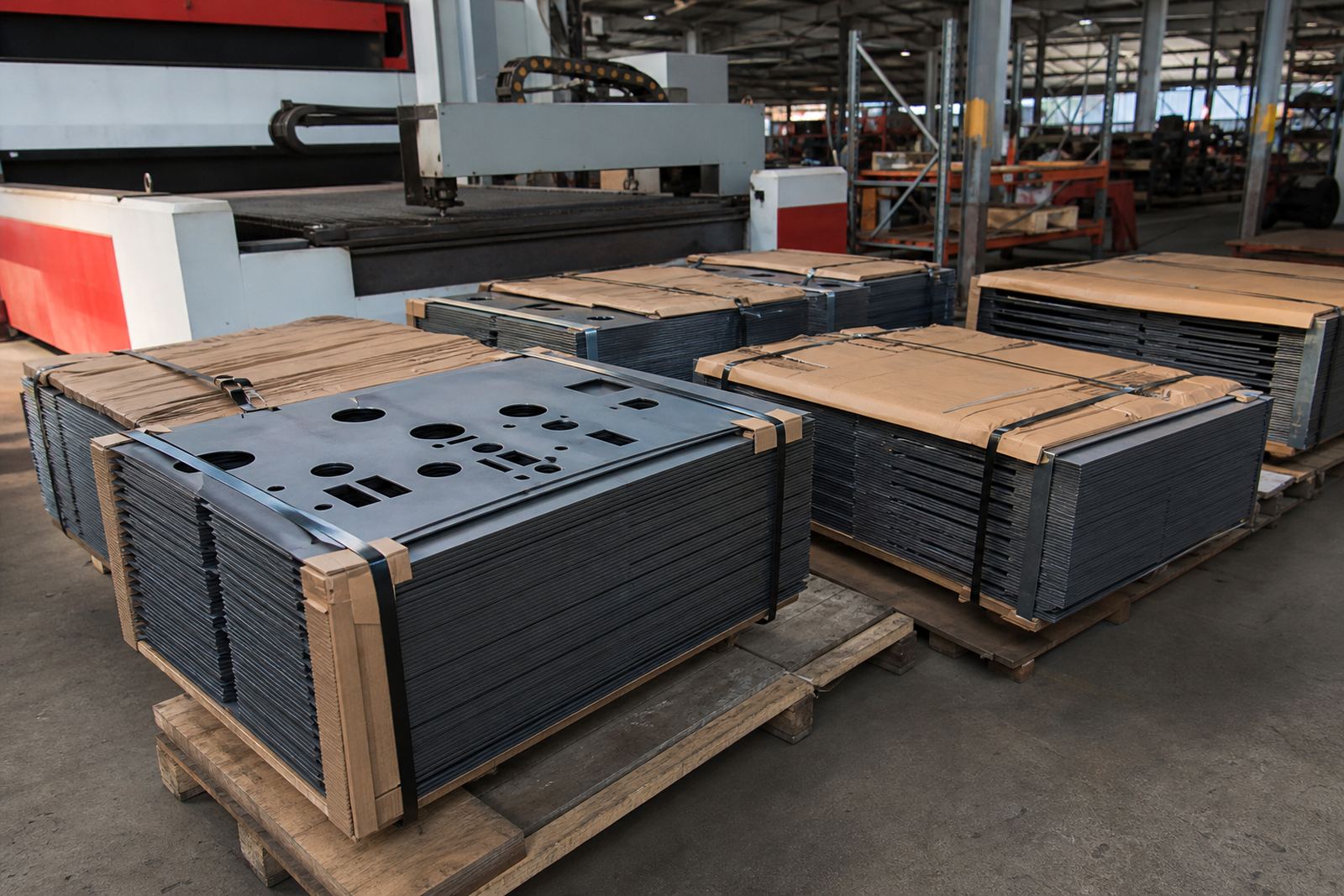
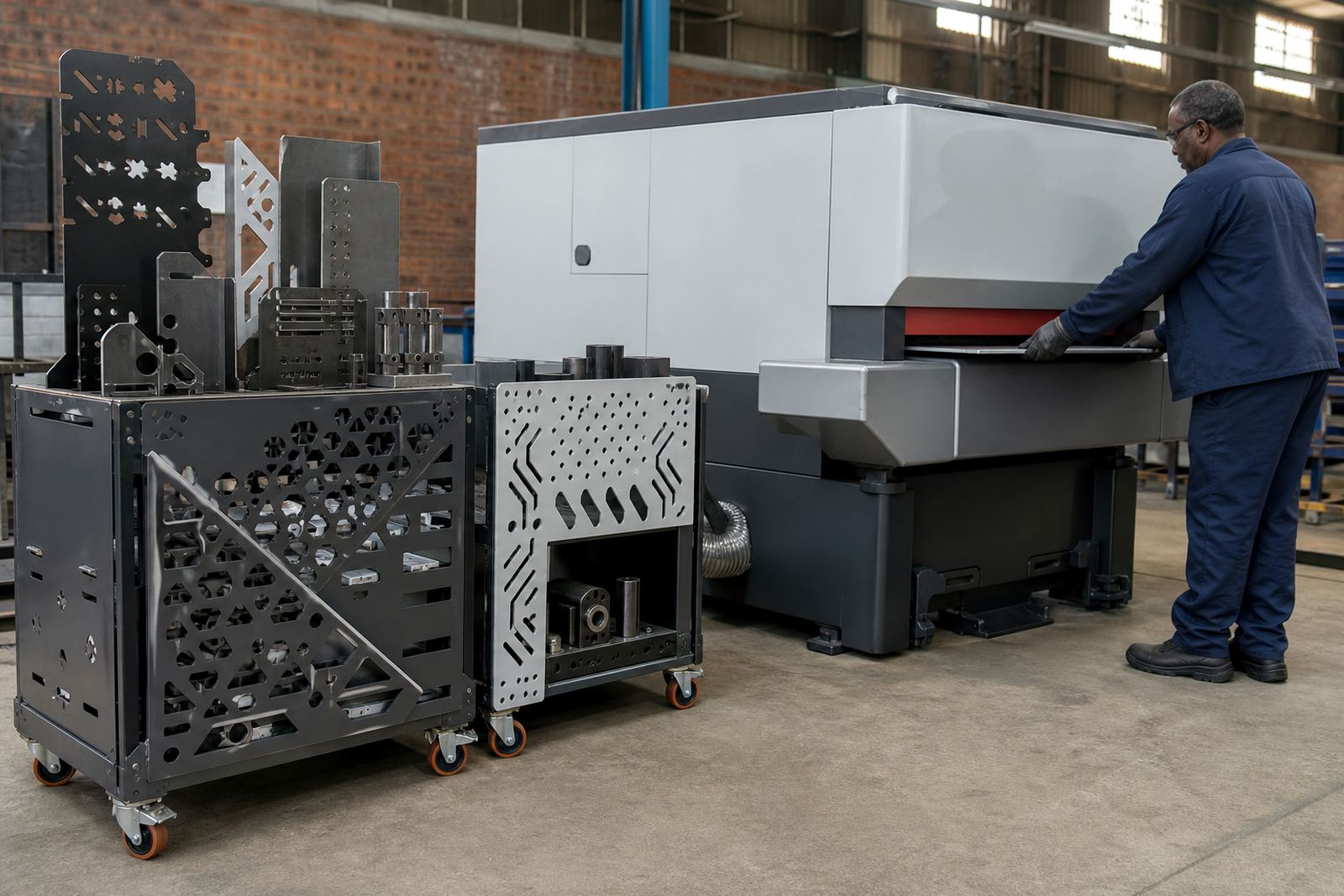
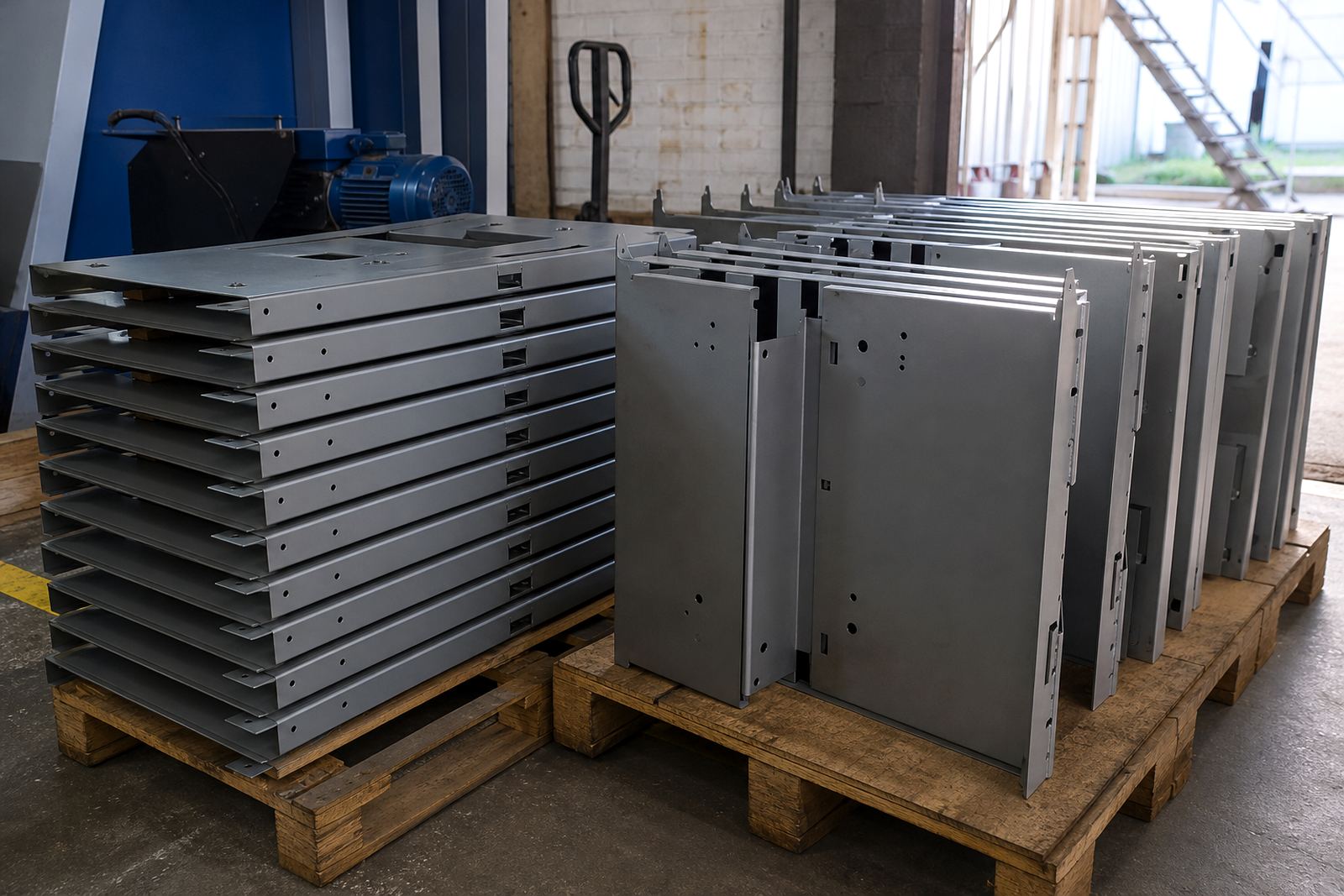
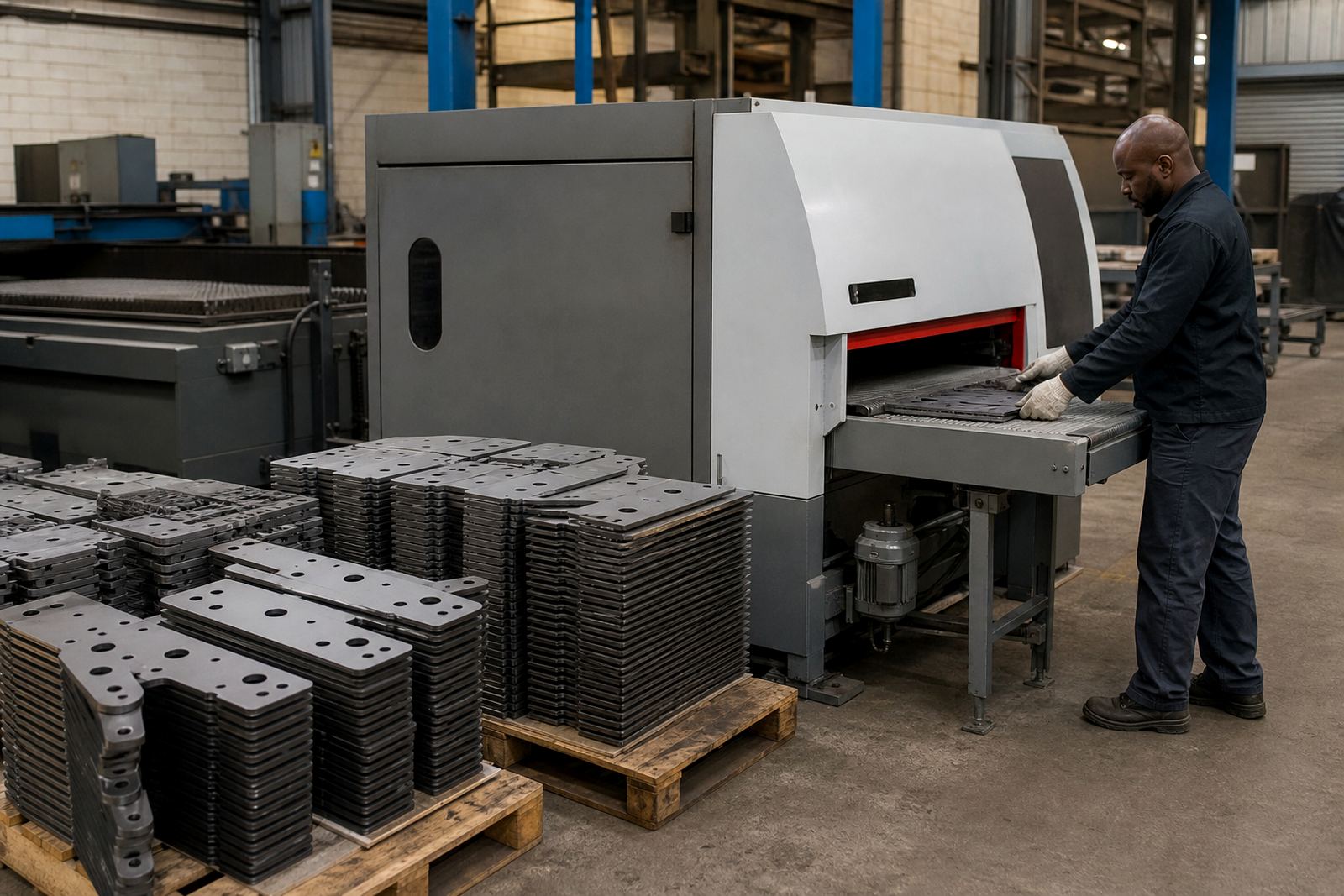
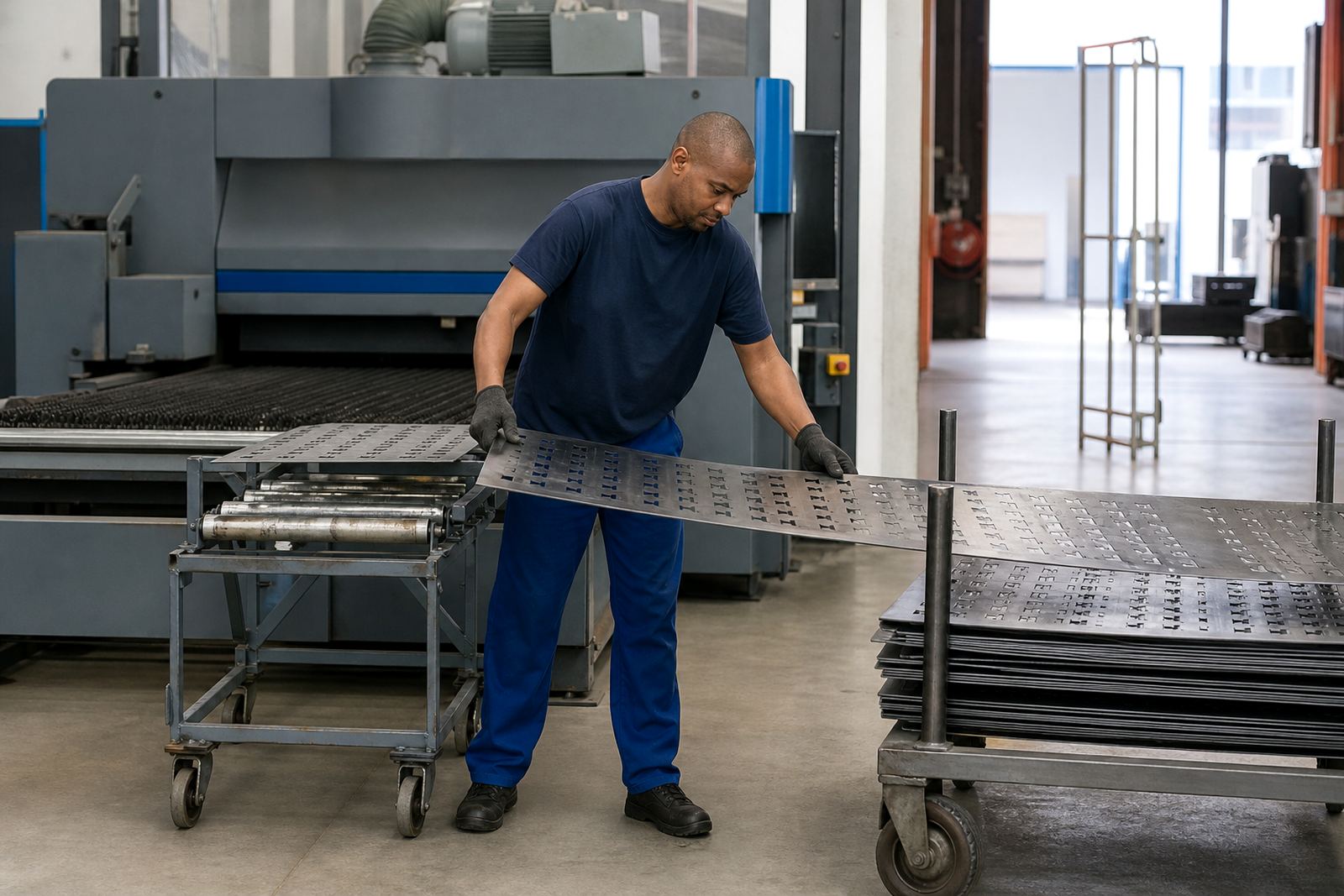
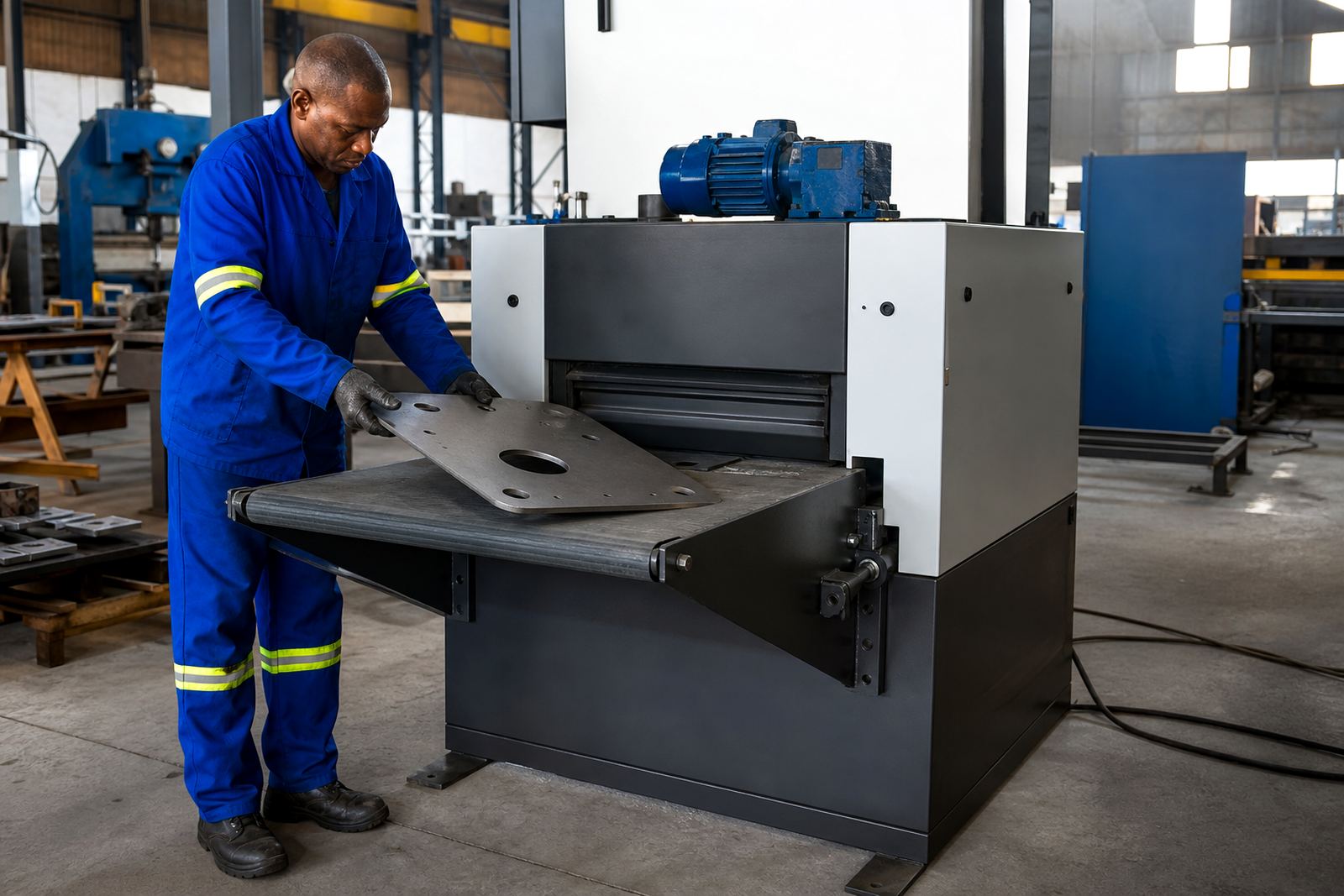
This hub brings together practical finishing examples from fabrication shops, manufacturing plants and jobbing workshops that process laser-cut sheet metal. The aim is simple: show how the right machine choice affects edge quality, handling safety, part consistency and throughput when the work moves from cutting to finishing.
Some projects focus on small batch work in Johannesburg or Pretoria, where quick changeovers matter. Others reflect higher volume production in Durban, Cape Town or Rustenburg, where dust, heat, humidity or shift pressure can expose weak points in the finishing process. These pages help you see where a deburring machine, a brush system or a combined edge-finishing setup makes sense.
How To Use The Project Pages
Start by matching the project to your own parts. Look at material type, sheet thickness, cut quality, burr size and whether your team needs one-sided finishing, double-sided finishing, oxide removal or a smoother edge for downstream coating. The right choice often comes down to the parts you run every day, not the ideal case.
- Check if your parts are mild steel, stainless steel or aluminium
- Confirm the cut quality from your laser and how much burr remains
- Note whether parts need edge rounding before handling or painting
- Consider floor space, loading method and power supply stability
- Decide if the machine must support one operator or a larger team
If you are comparing options for a plant in Wadeville or across the East Rand, the project notes can help you narrow down what to test first. That saves time during sample part testing and makes the first machine audit more useful.
Projects For Small Fabricators And Job Shops
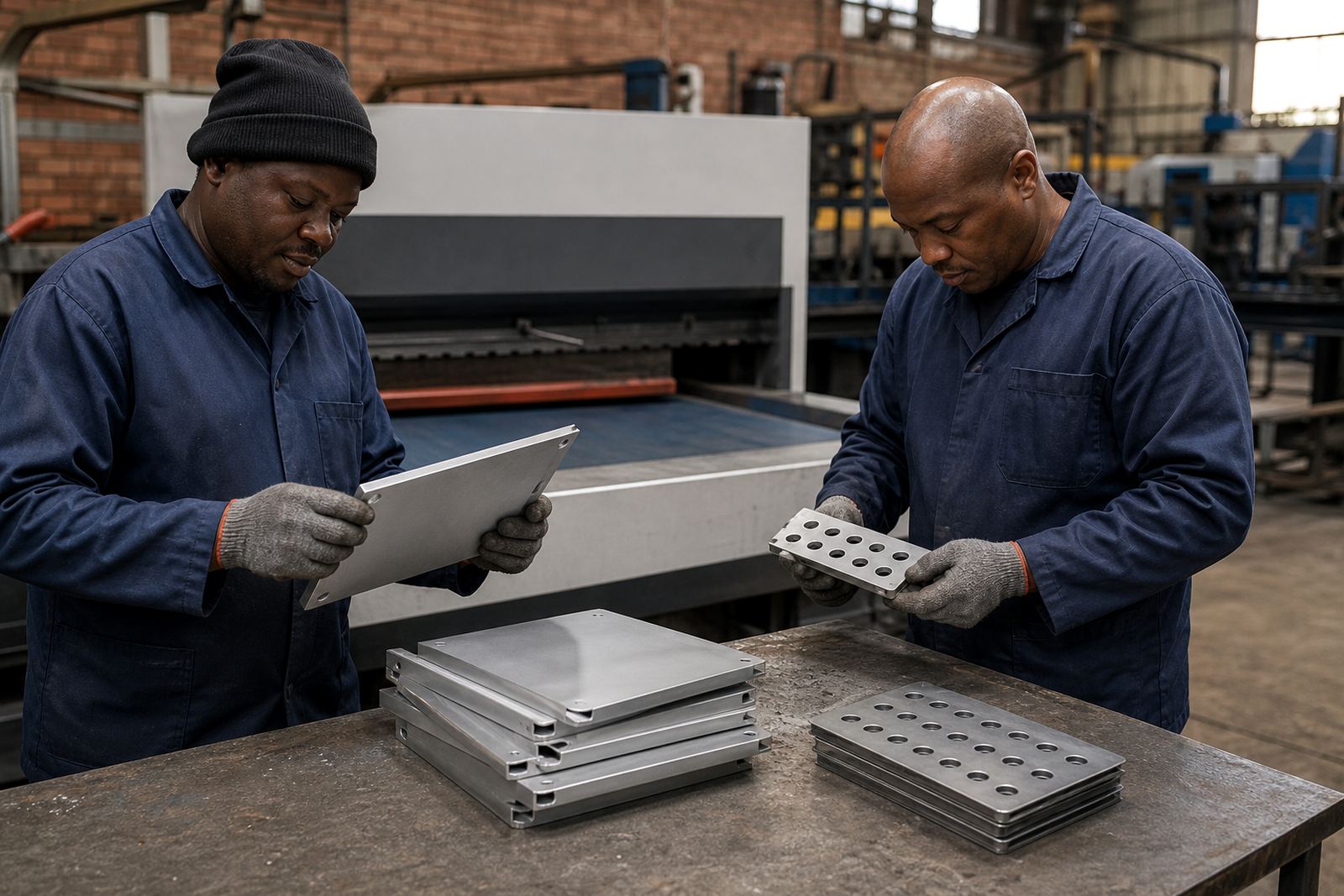
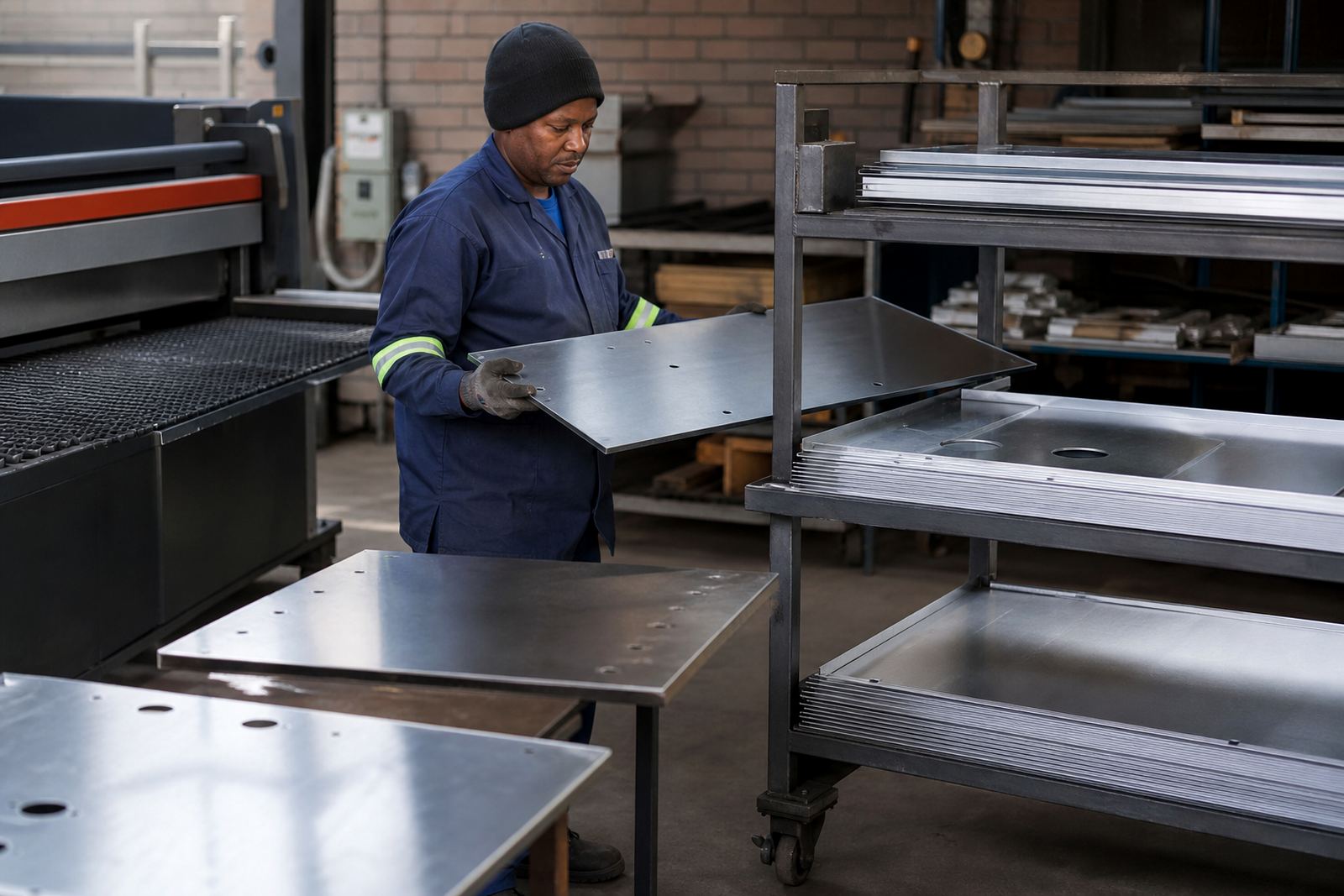
Smaller shops often need a practical machine that can handle varied jobs without slowing production. In these cases, the focus is usually on safe handling, cleaner edges and fewer manual touch-ups. A compact finishing setup can reduce hand filing and keep parts moving, even when load-shedding or limited floor space disrupts the day.
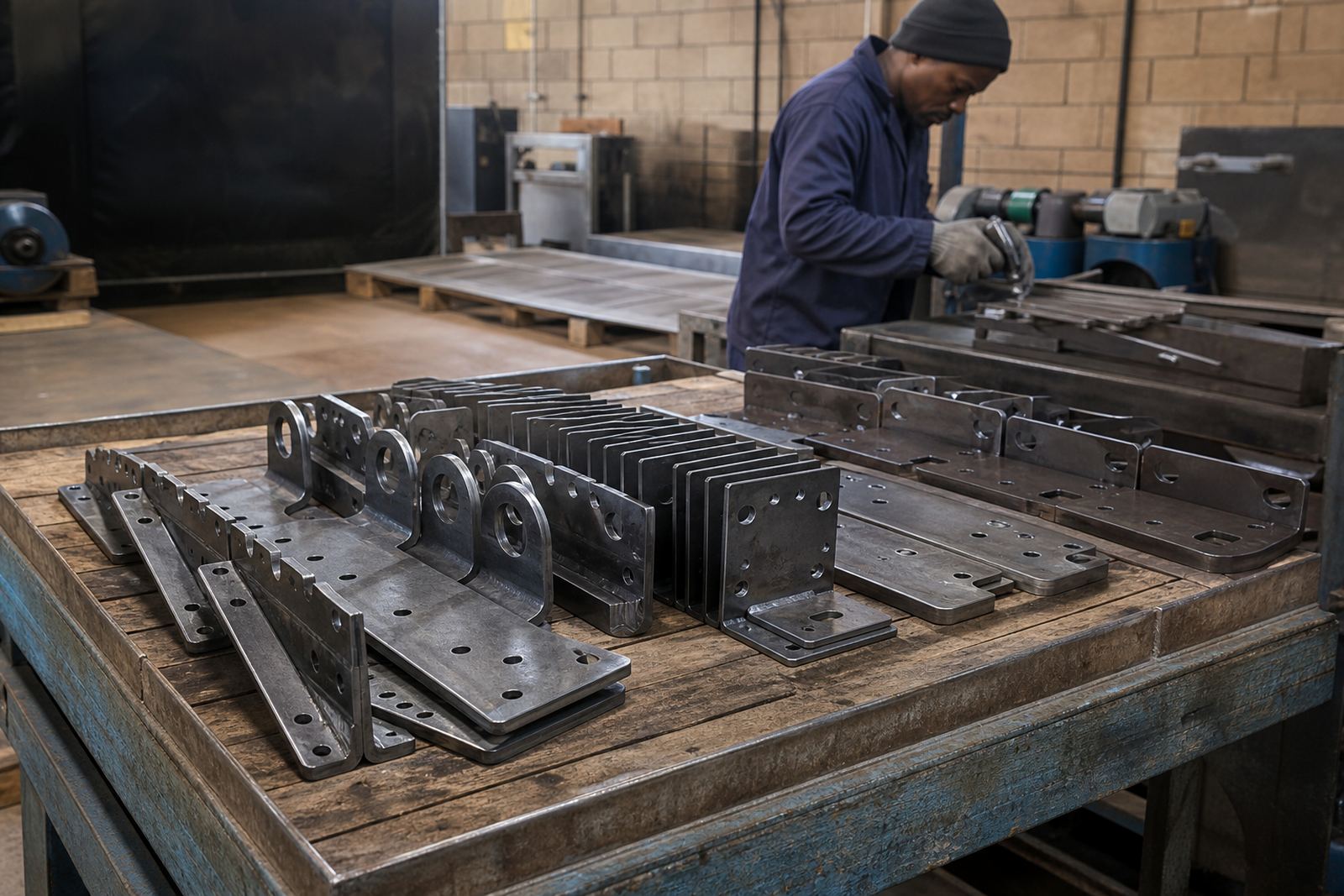
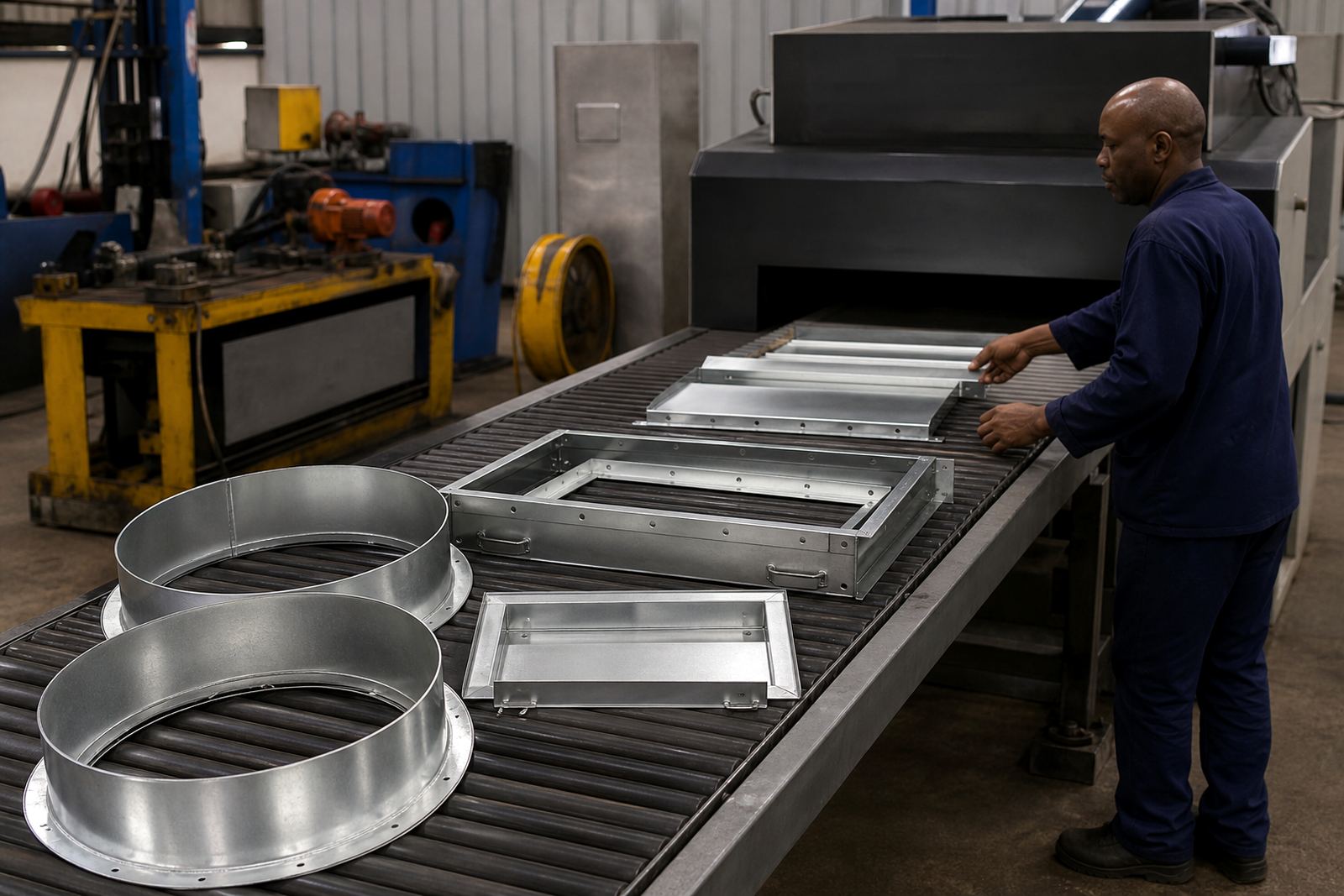
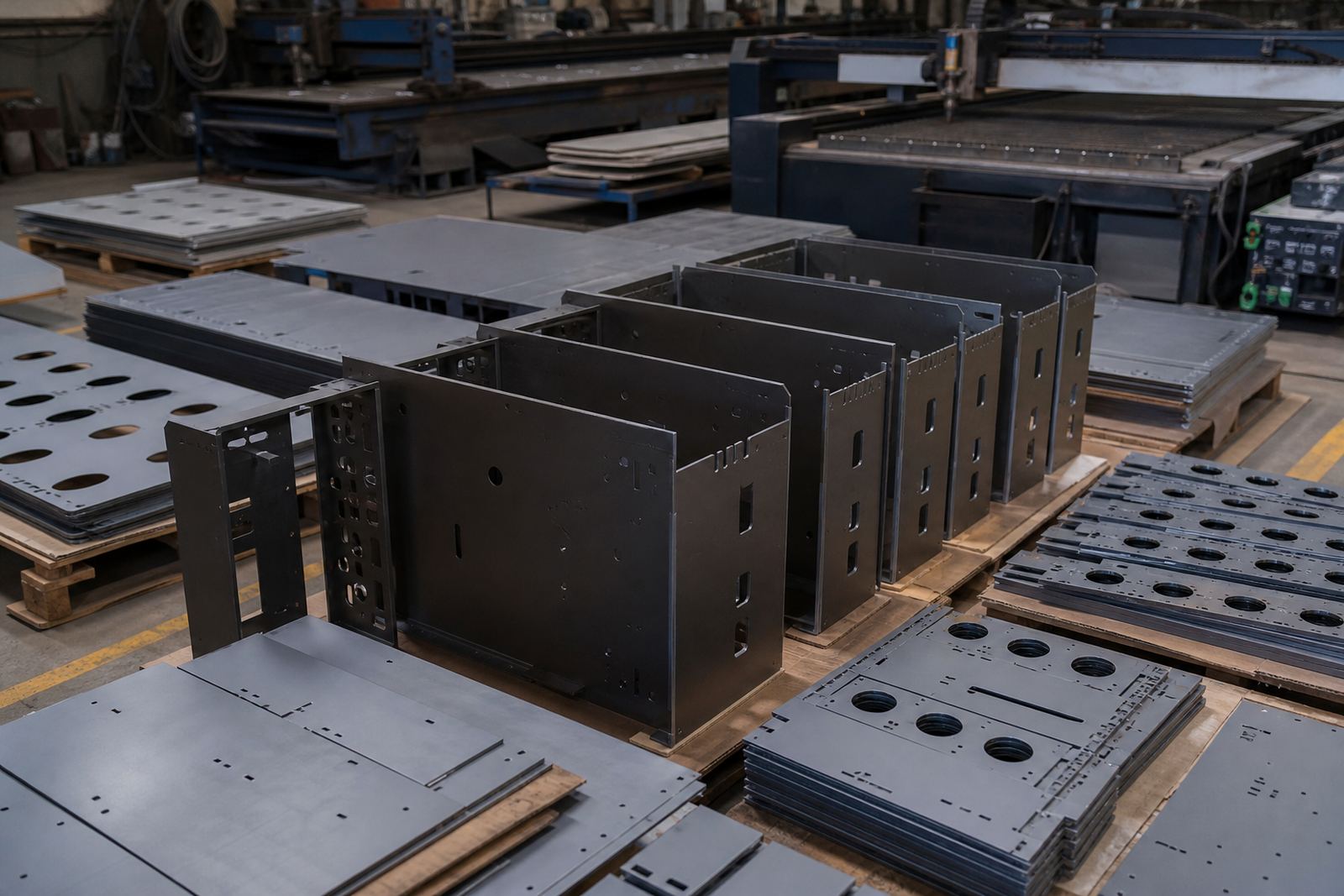
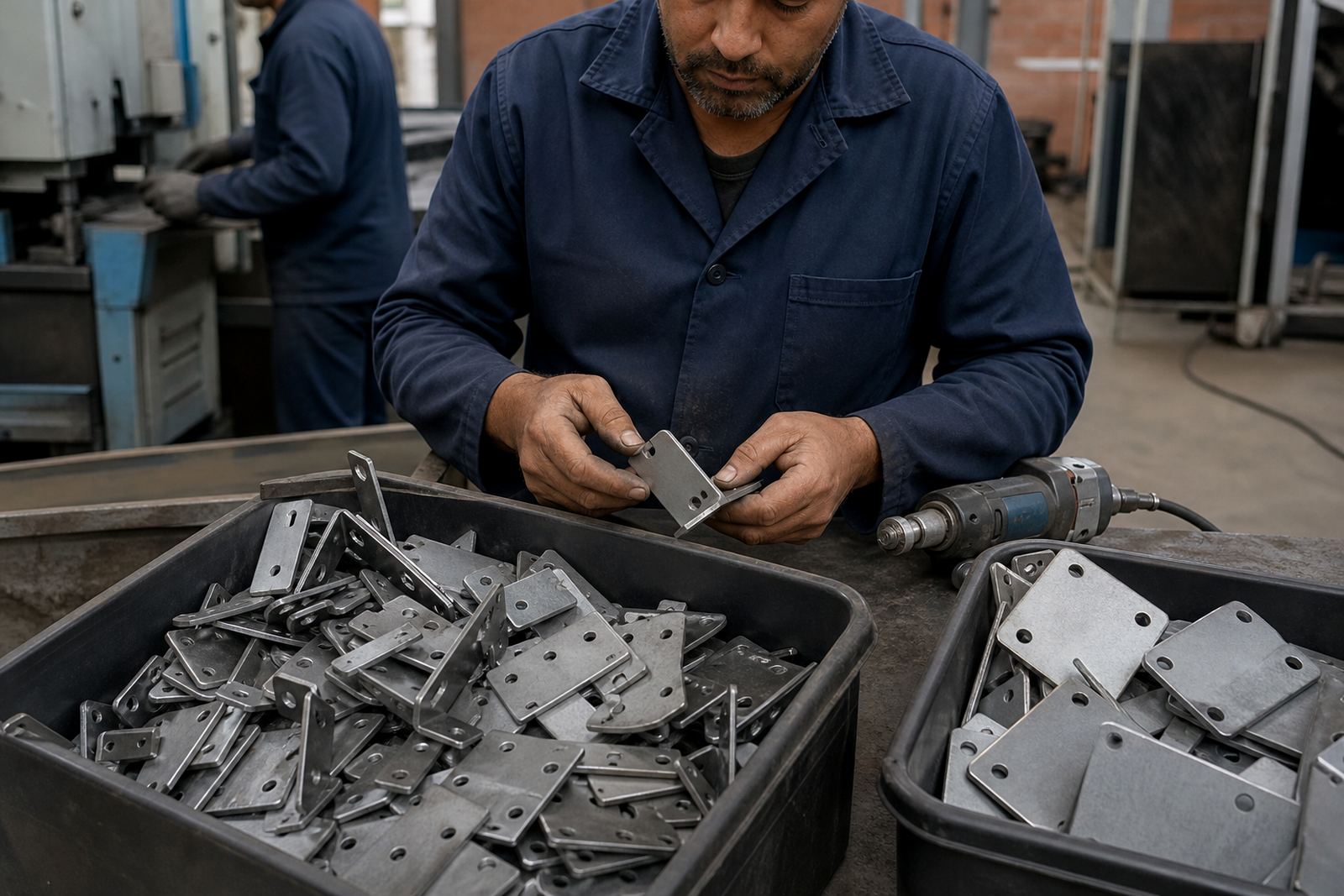
Typical project themes in this group include enclosure panels, brackets, frames and light structural work. Customers often want to know if the machine can deal with sharp burrs from laser-cut mild steel and still maintain a consistent finish across mixed part sizes. The answer depends on feed speed, abrasive condition and how the operator sets the machine up. Small details matter.
- Better consistency across repeat parts
- Less manual deburring after cutting
- Lower risk of cuts during handling and assembly
- Faster prep before powder coating or galvanising
Projects For High-Volume Production Lines
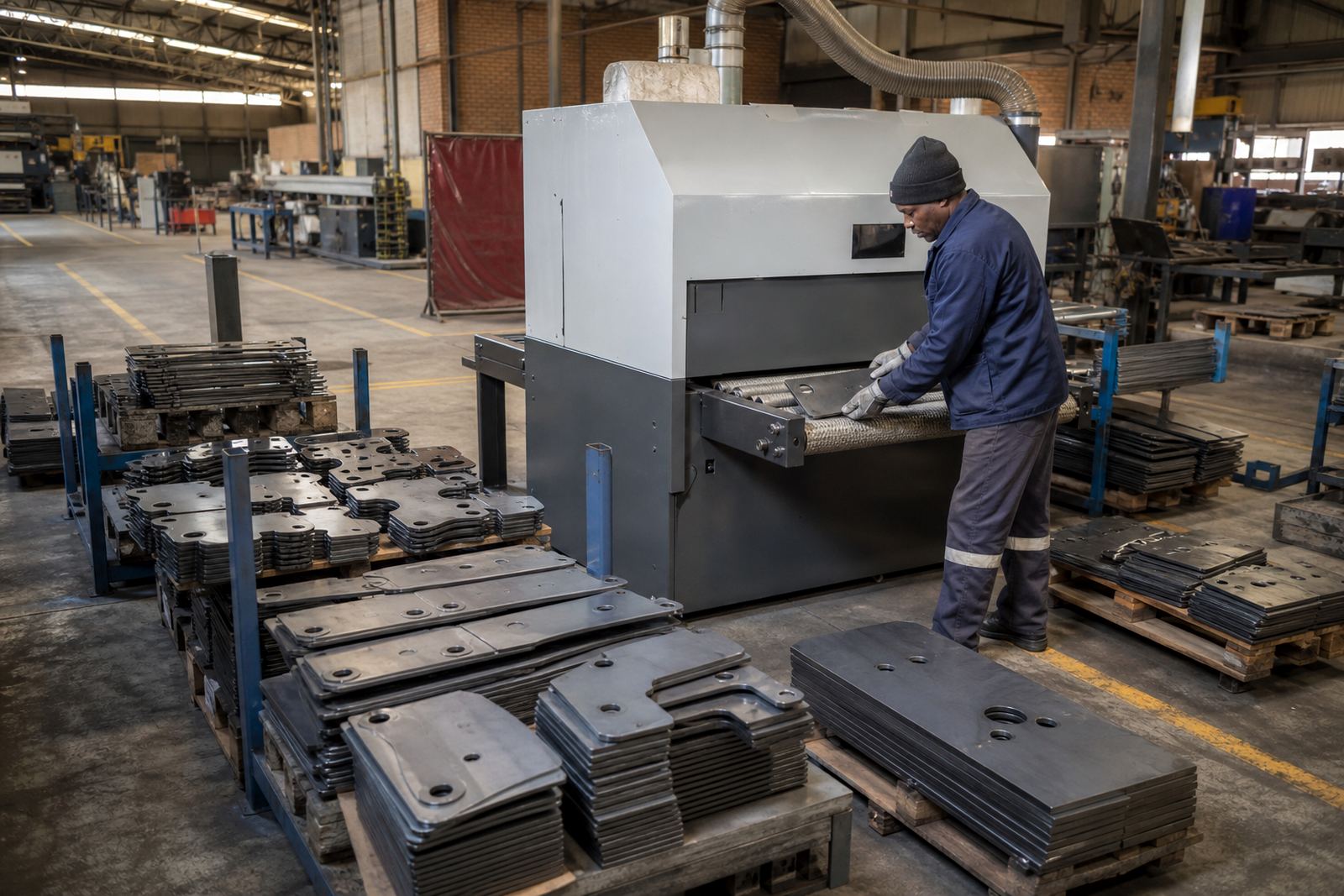
Higher volume plants usually need a finishing process that supports predictable output and does not create a bottleneck after cutting. In these cases, project examples show how deburring and edge-finishing equipment fits into a wider production flow that may include laser cutting, bending, welding, coating and packing. The machine has to keep up, not just look good on paper.
For factories working in Johannesburg, Durban or Cape Town, the local environment can influence performance. Coastal humidity may affect stored parts and abrasives, while dusty conditions in inland areas can shorten service intervals if maintenance is ignored. This is where preventive maintenance, annual service contracts and spares supply become part of the production plan, not an afterthought.
Many of these projects also involve production planning help. When the cut schedule changes daily, the finishing step needs enough flexibility to cope with different part sizes and thicknesses without constant reset time.
Sample Testing Before You Commit
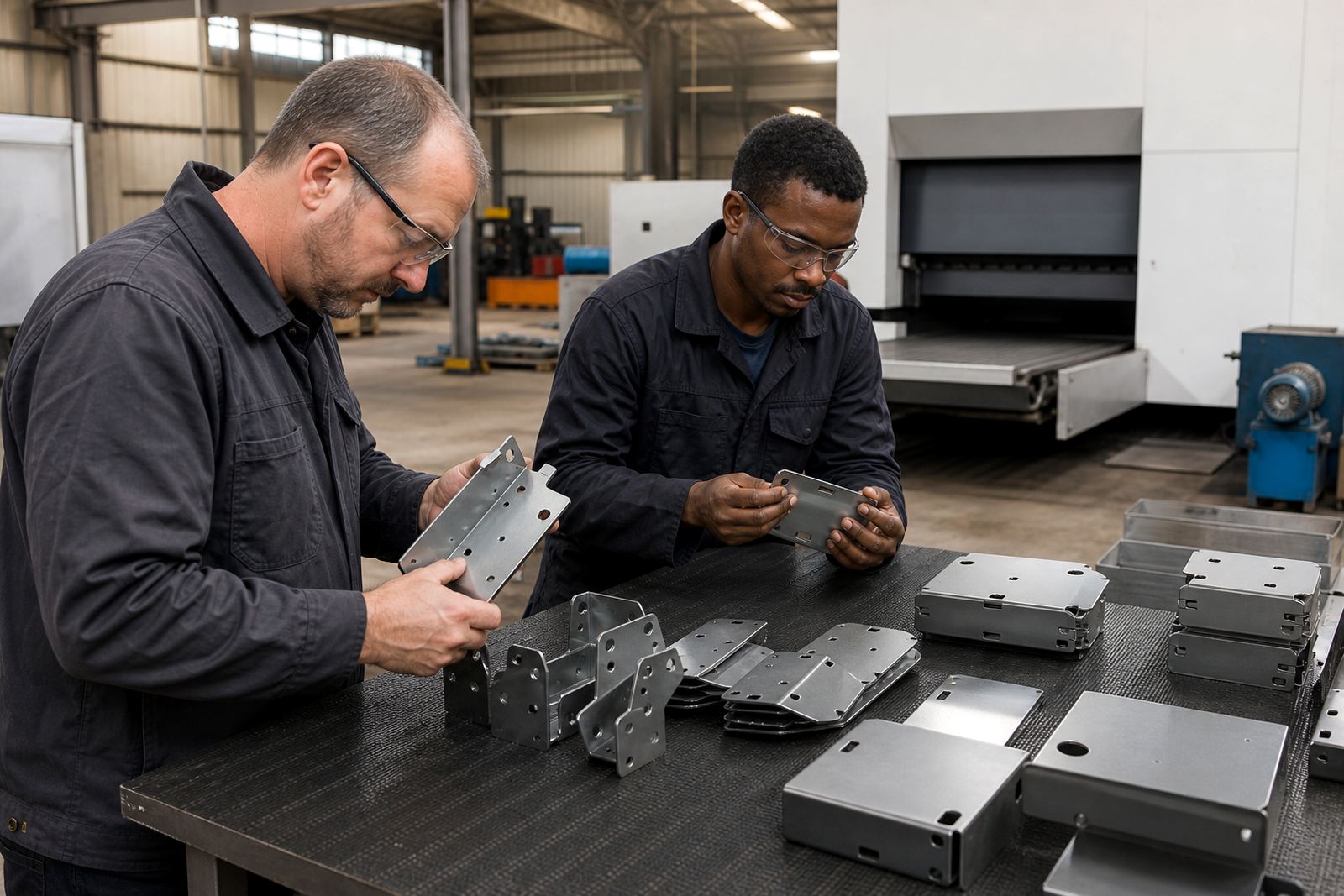
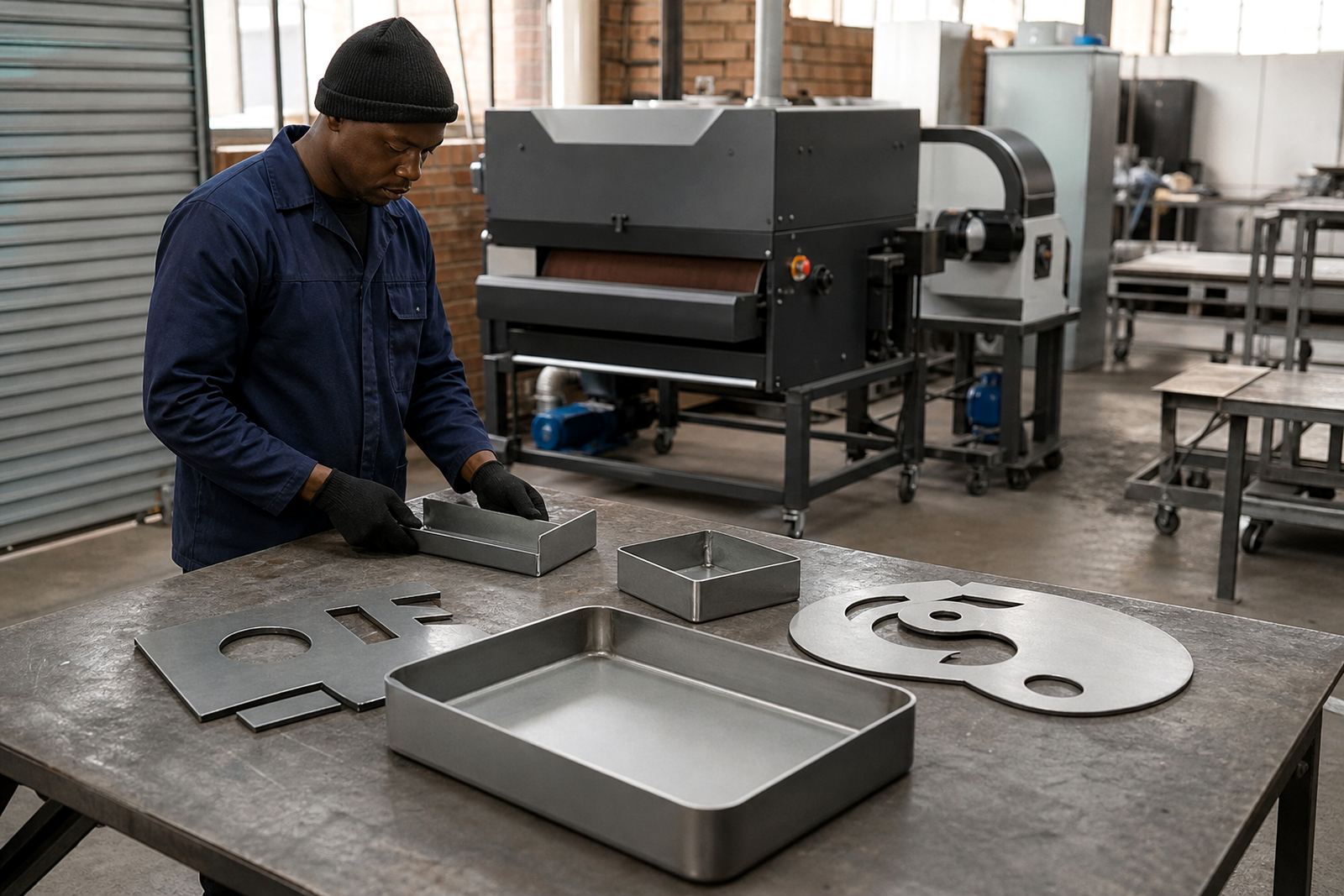
Before a machine is selected, sample part testing gives a clear picture of what the finish will look like on your actual components. This is especially useful when parts are small, delicate or prone to tipping during transport through the machine. It also helps confirm whether the goal is simple burr removal or a more refined edge for safety and coating.
Testing can show where the process needs adjustment, such as abrasive grade, feed rate or the number of passes required. It also helps identify whether the part geometry will trap swarf or make cleaning difficult. A good test run often prevents costly surprises later on.
- Confirm edge quality on real parts
- Check for distortion, marking or surface change
- Compare different machine settings
- Judge ease of loading and unloading
Support For Installation, Training And Repairs
A finishing machine only earns its place if the team can run it properly and keep it in service. That is why installation, operator training, breakdown repairs and workshop support are part of the project picture. In many South African plants the machine must work around shift changes, power interruptions and tight delivery dates, so practical support matters.
Deburring is based in Wadeville, Germiston and supports fabricators from Johannesburg, Pretoria, Durban, Cape Town and Rustenburg. The team includes Pieter Johannes van der Merwe, Thandiwe Mokoena, Sibusiso Dlamini, Ayesha Patel, Johan Kruger and Lerato Nkosi, with each person focused on a specific part of the customer journey. From machine audits to abrasive replacement, the service side helps keep the finishing process steady, not stop-start.
When a project page mentions relocation support or annual service contracts, it is there because production sites change, layouts change, and machines sometimes need to move with the business. A proper handover makes that easier.
Choosing The Right Finish For Your Work
If you are not sure where to begin, use the project pages to compare your own work against common finishing needs. A general-purpose jobbing shop may need a flexible machine, while a production line running the same part all week may need a faster dedicated process. The best choice is usually the one that suits your parts, staffing and maintenance routine.
For South African fabricators, the decision often comes down to three things: can the machine handle your thickness range, can it hold a repeatable finish, and can your team keep it running day after day. If the answer is yes, the process becomes easier to manage and the output improves.