

How to choose the right finishing article for your shop
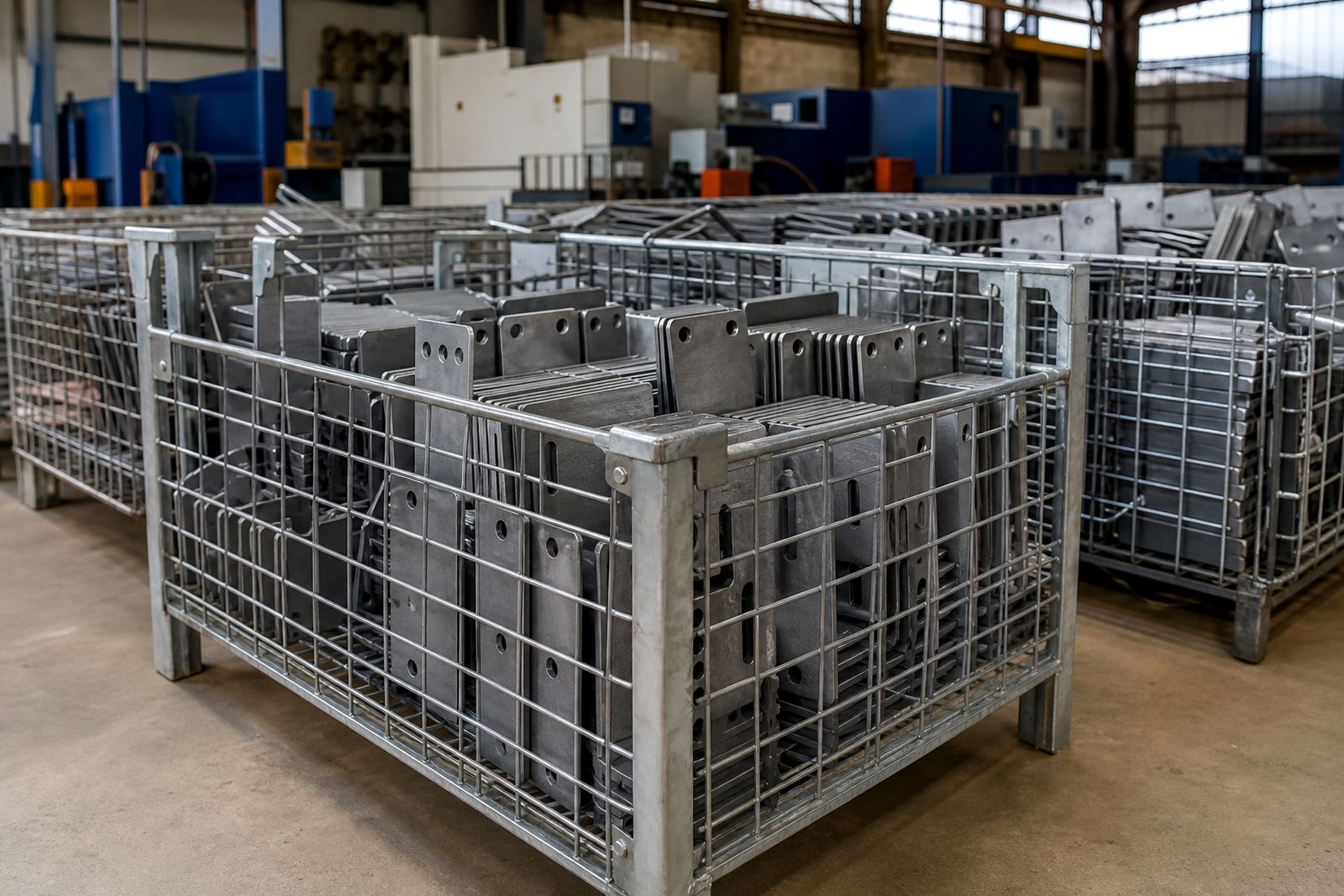
Not every workshop needs the same answer. A laser shop running thin stainless parts in Johannesburg will look for different edge quality, throughput and dust control than a fabrication yard in Durban dealing with coastal humidity and mixed material jobs. Our journal groups topics so you can find advice on the exact stage you need, whether that is burr removal after cutting, edge rounding before handling, or improving consistency across batches.
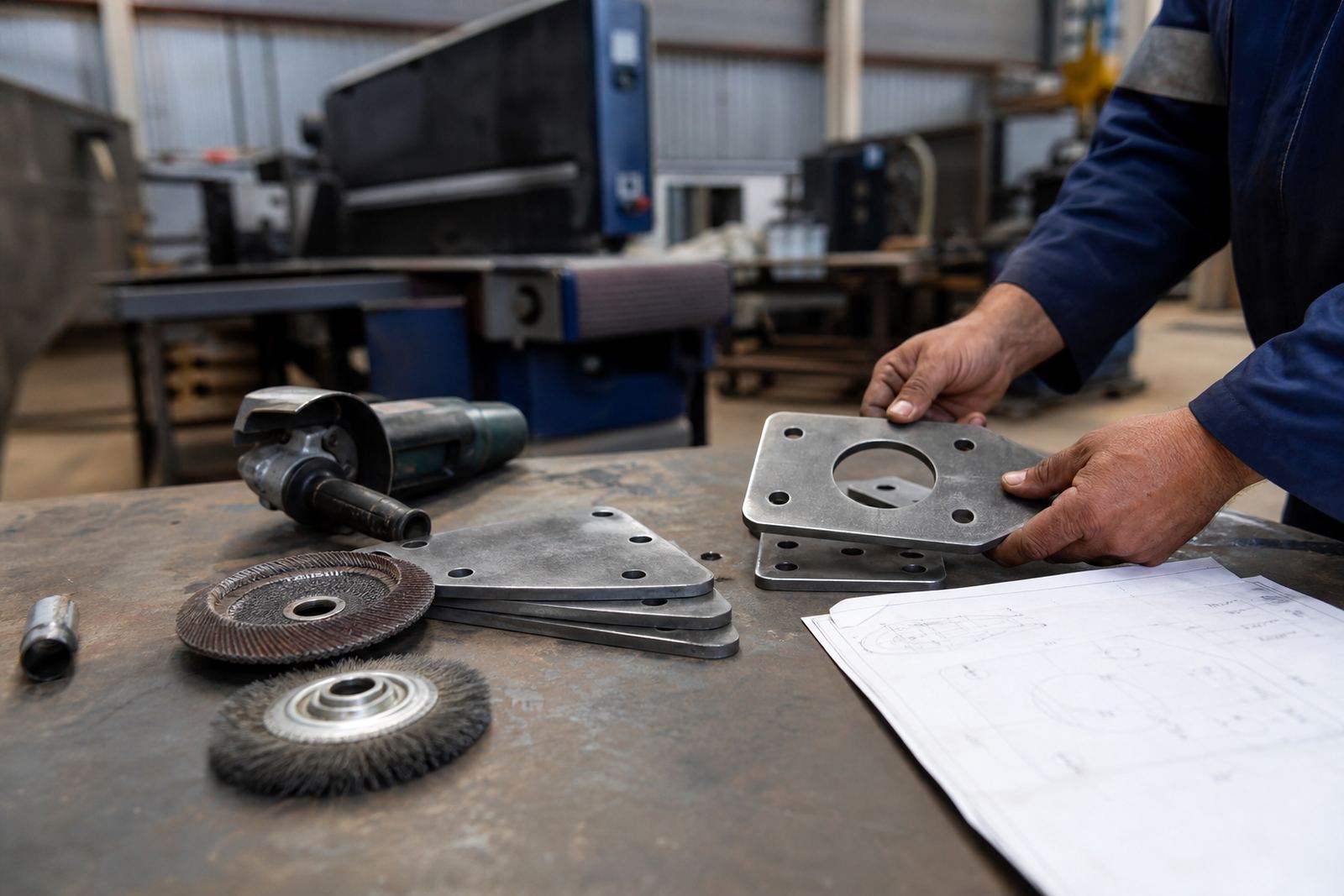
Start with the part you make most often. If your team spends time breaking sharp edges by hand, focus on articles about operator safety, repeatability and reducing rework. If you are chasing output, read up on production flow, machine setup and maintenance intervals. The goal is simple: match the method to the material thickness, the finish standard and the hours available on the shift.
Deburring basics for laser-cut sheet metal
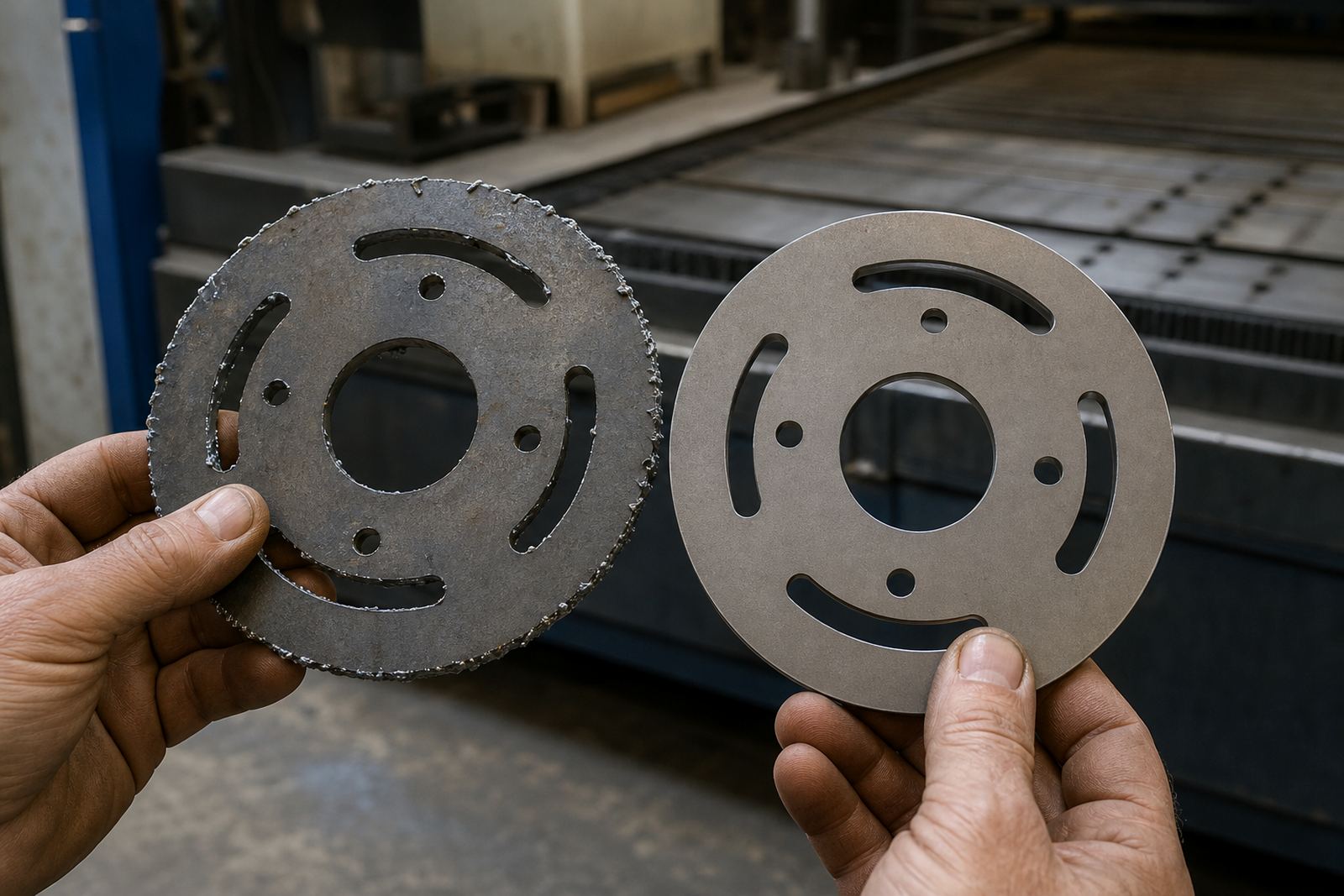
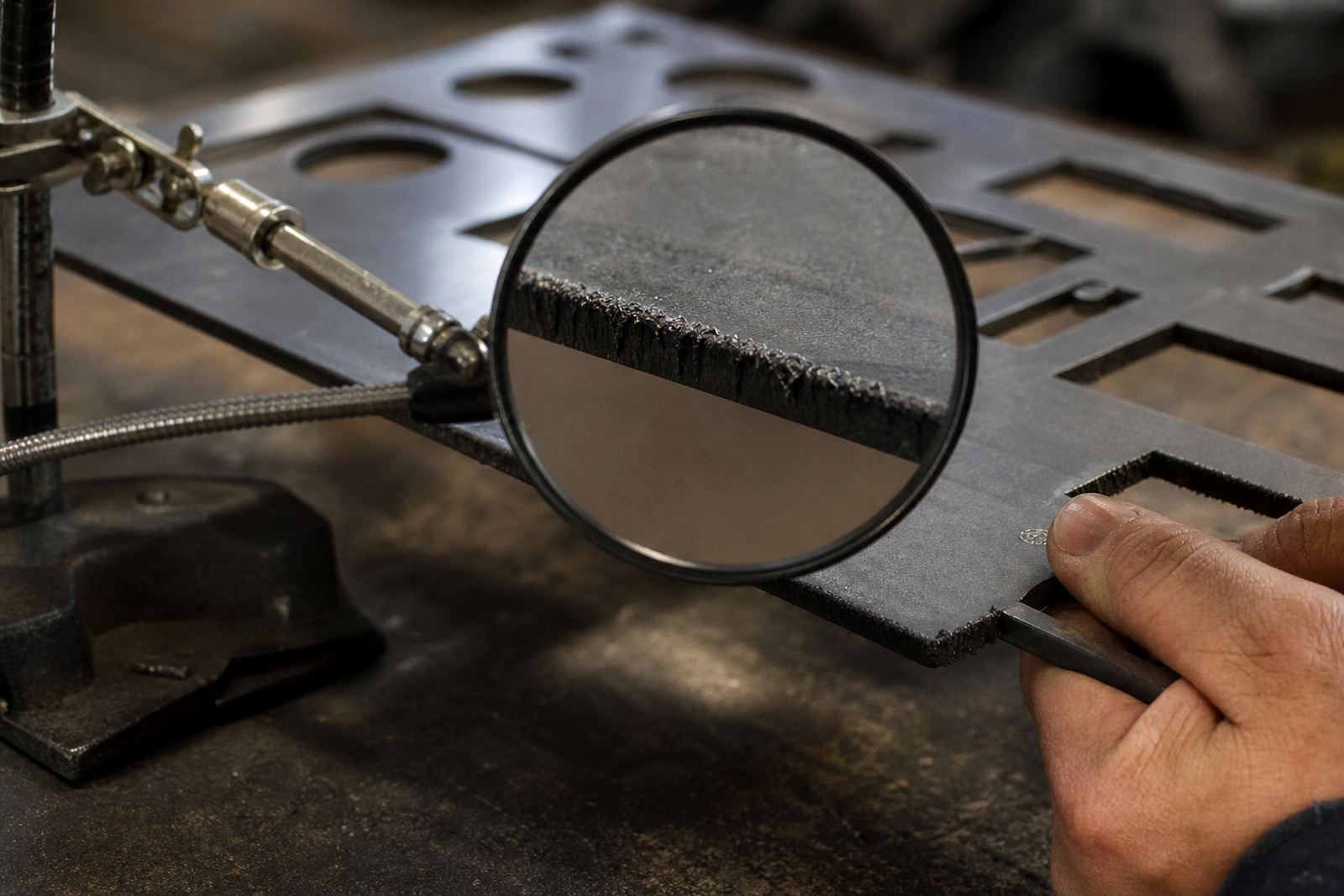
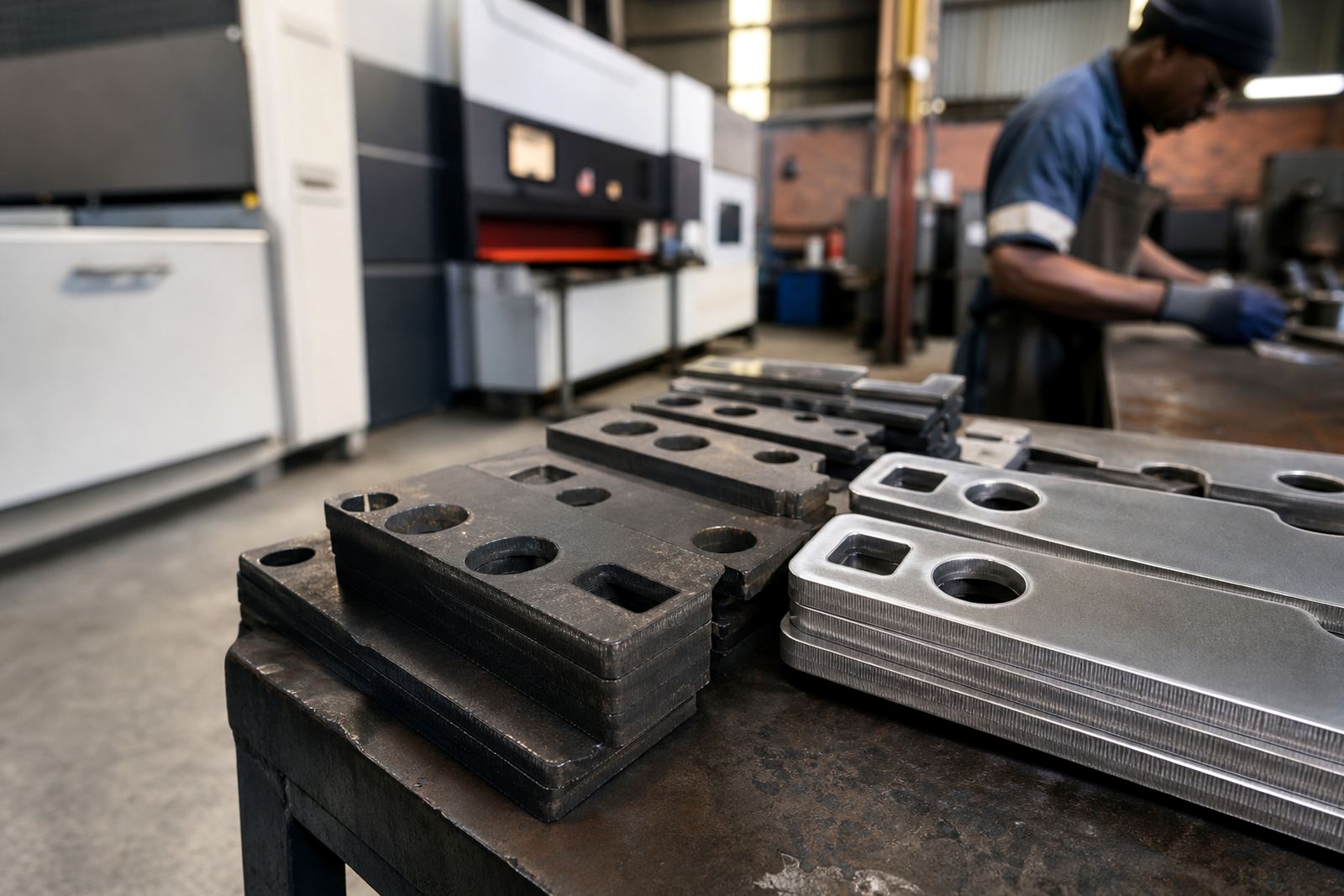
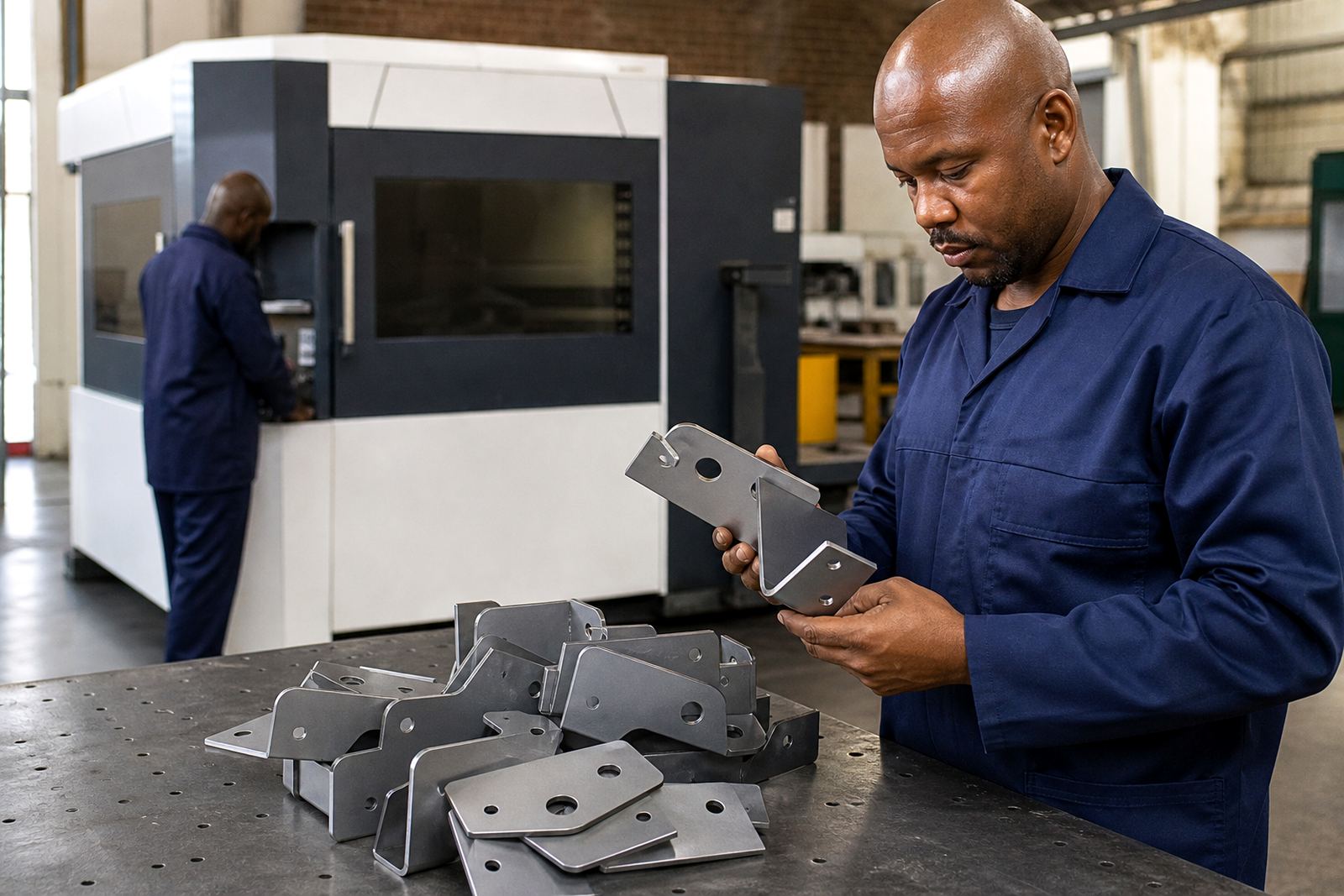
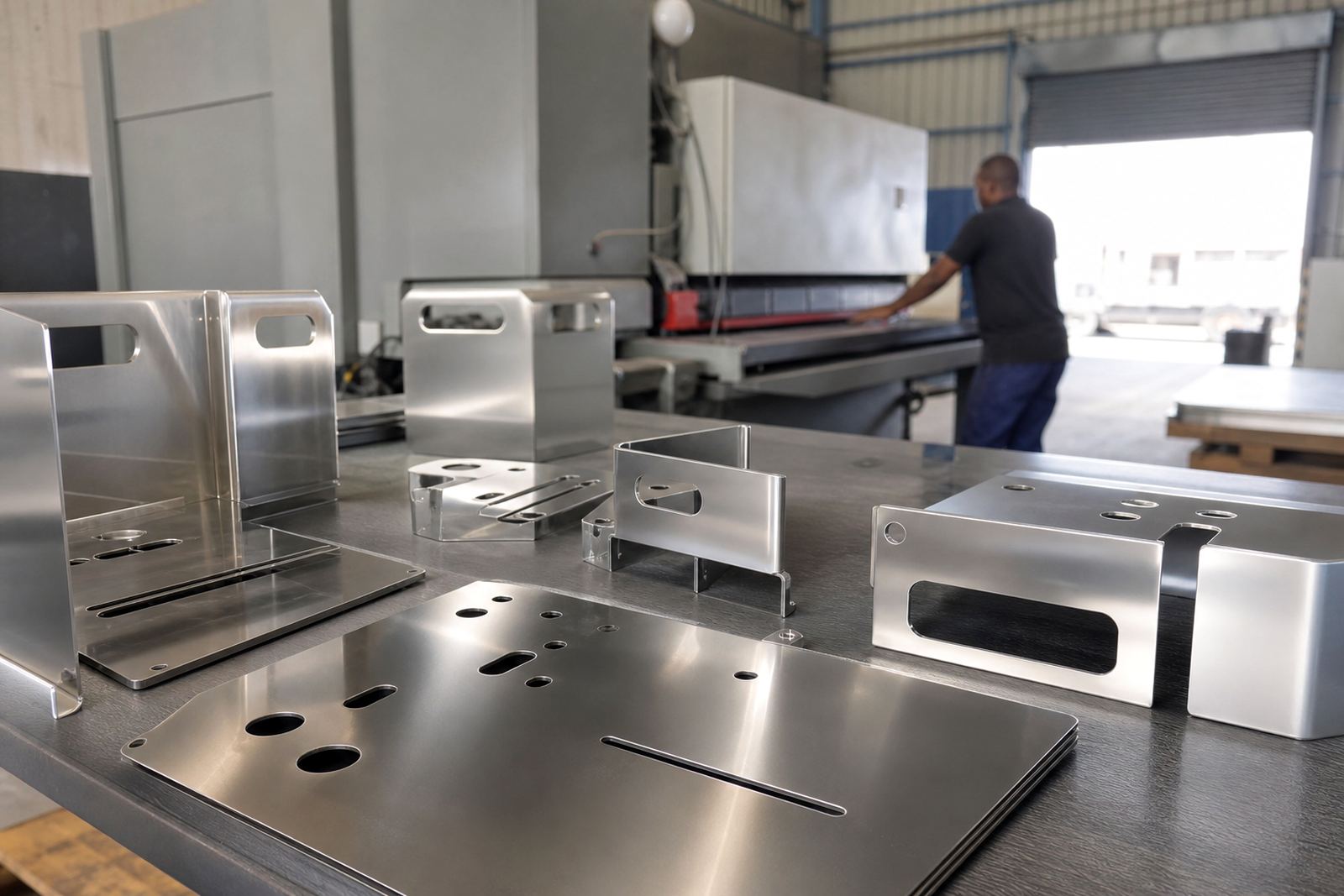
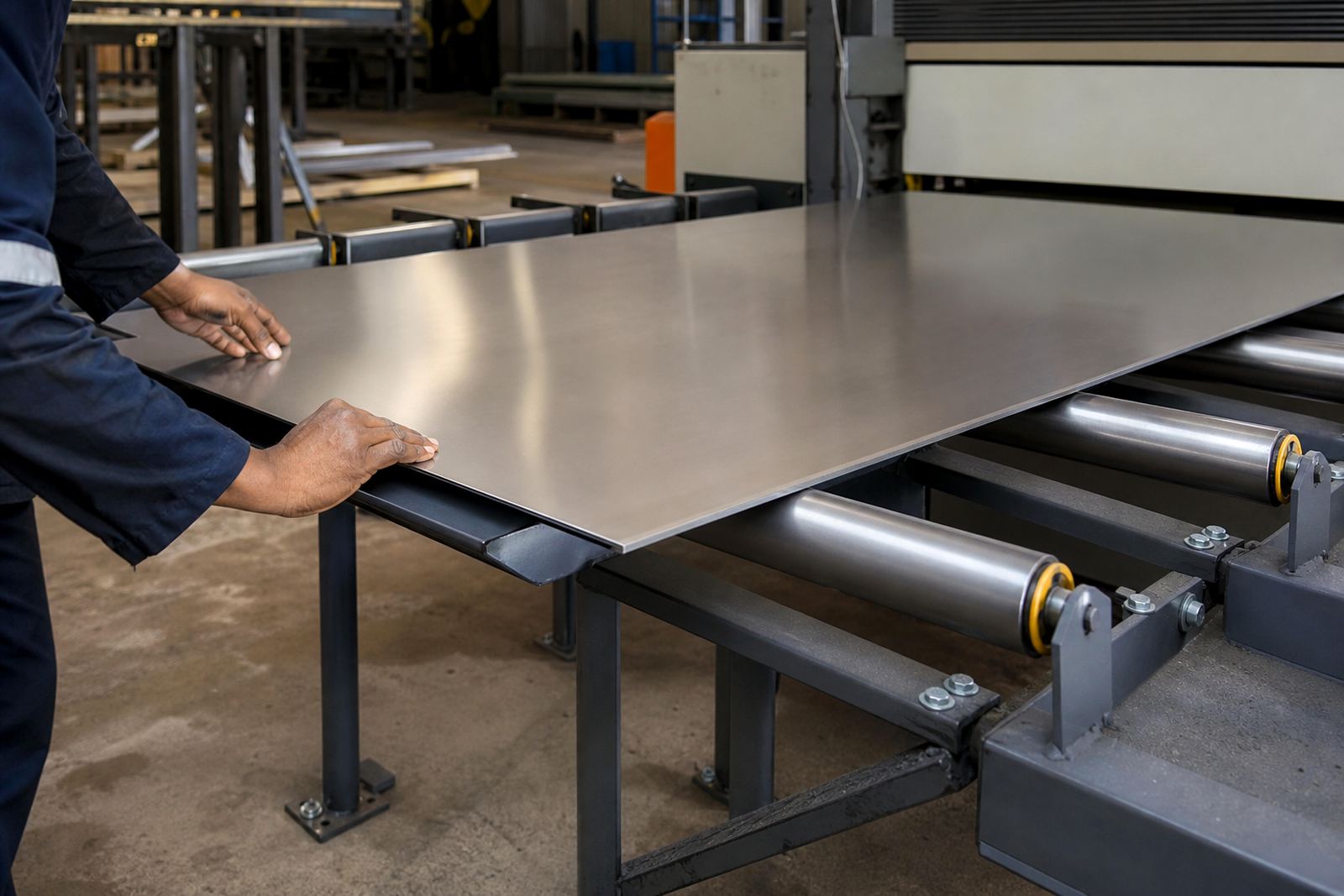
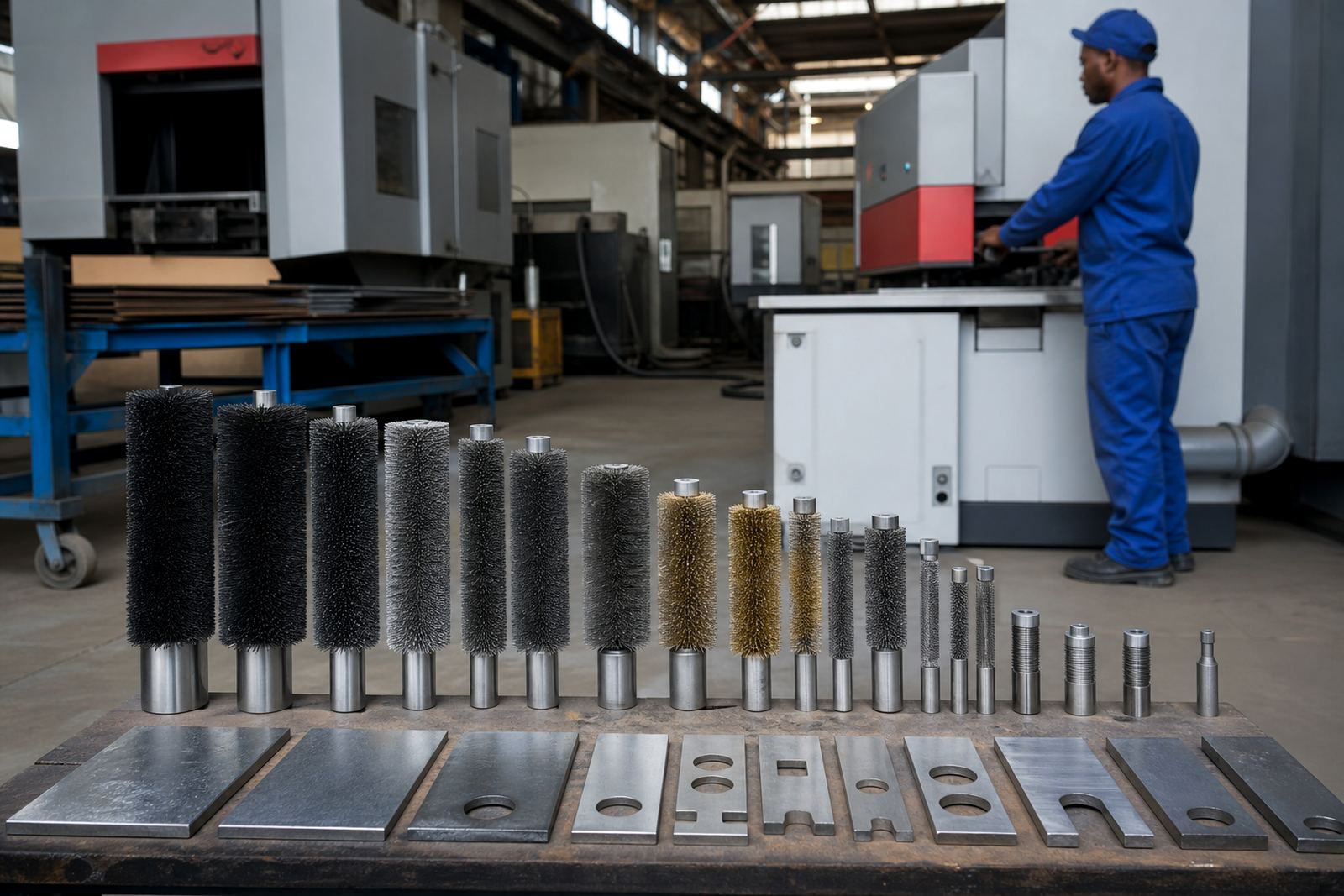
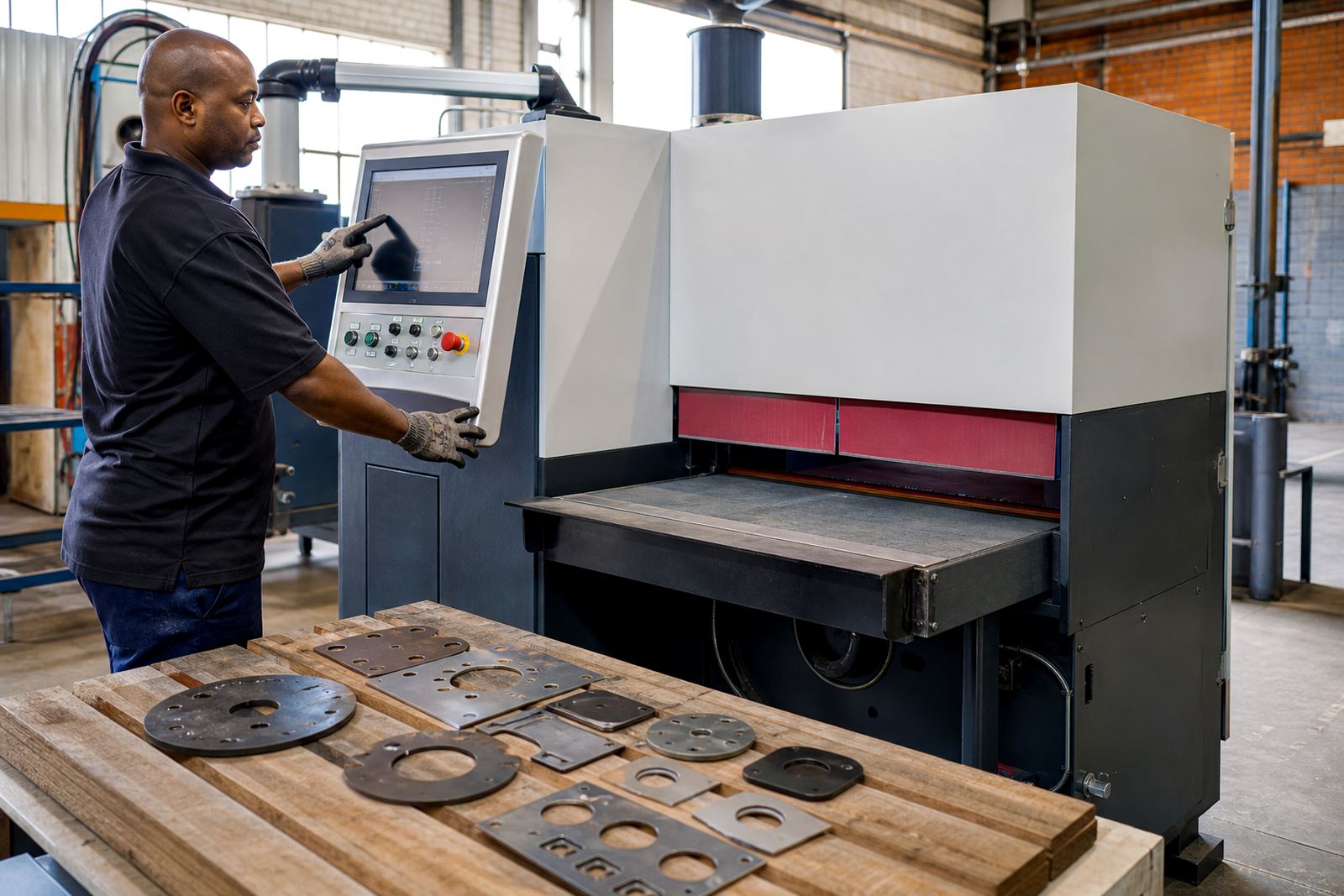
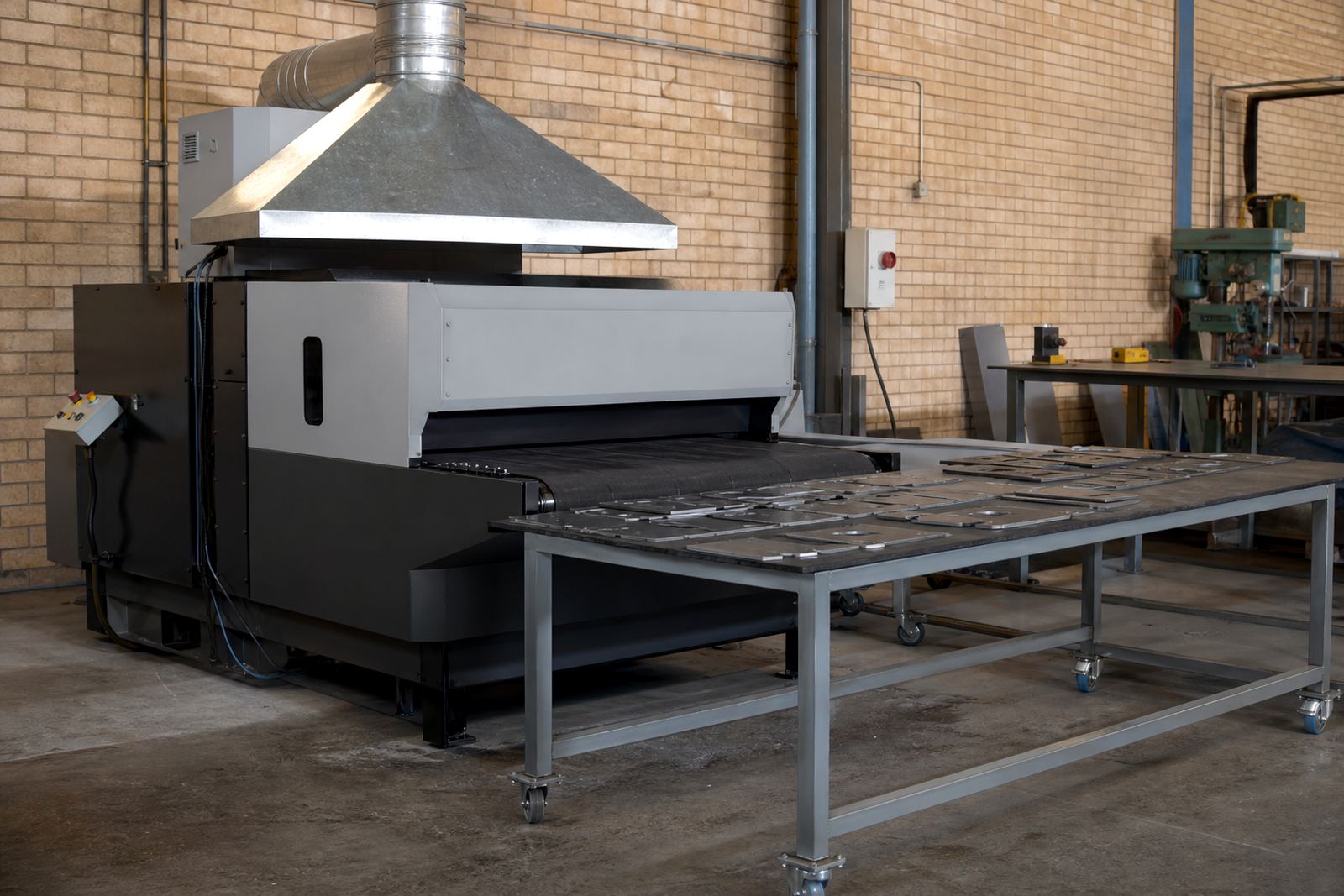
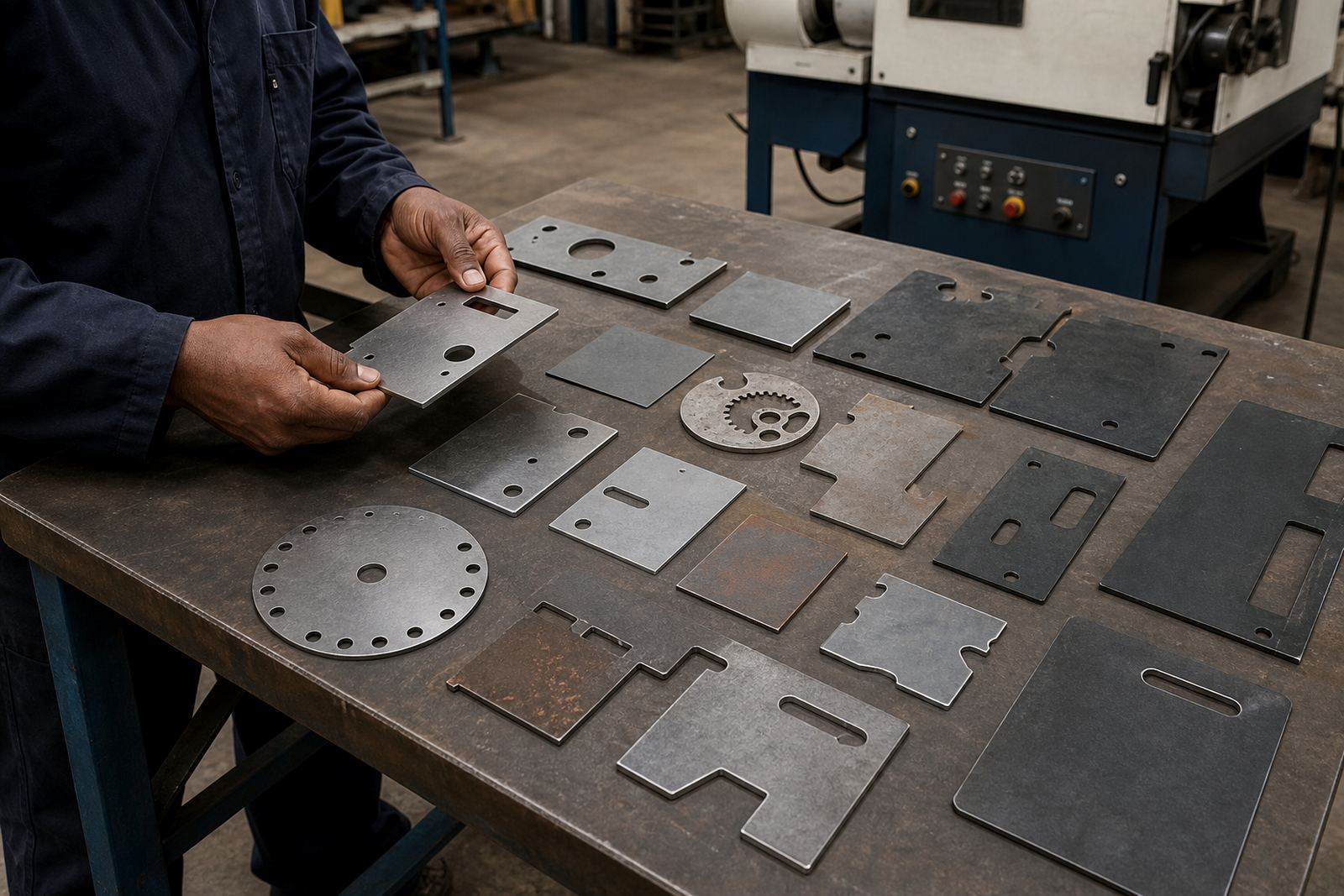
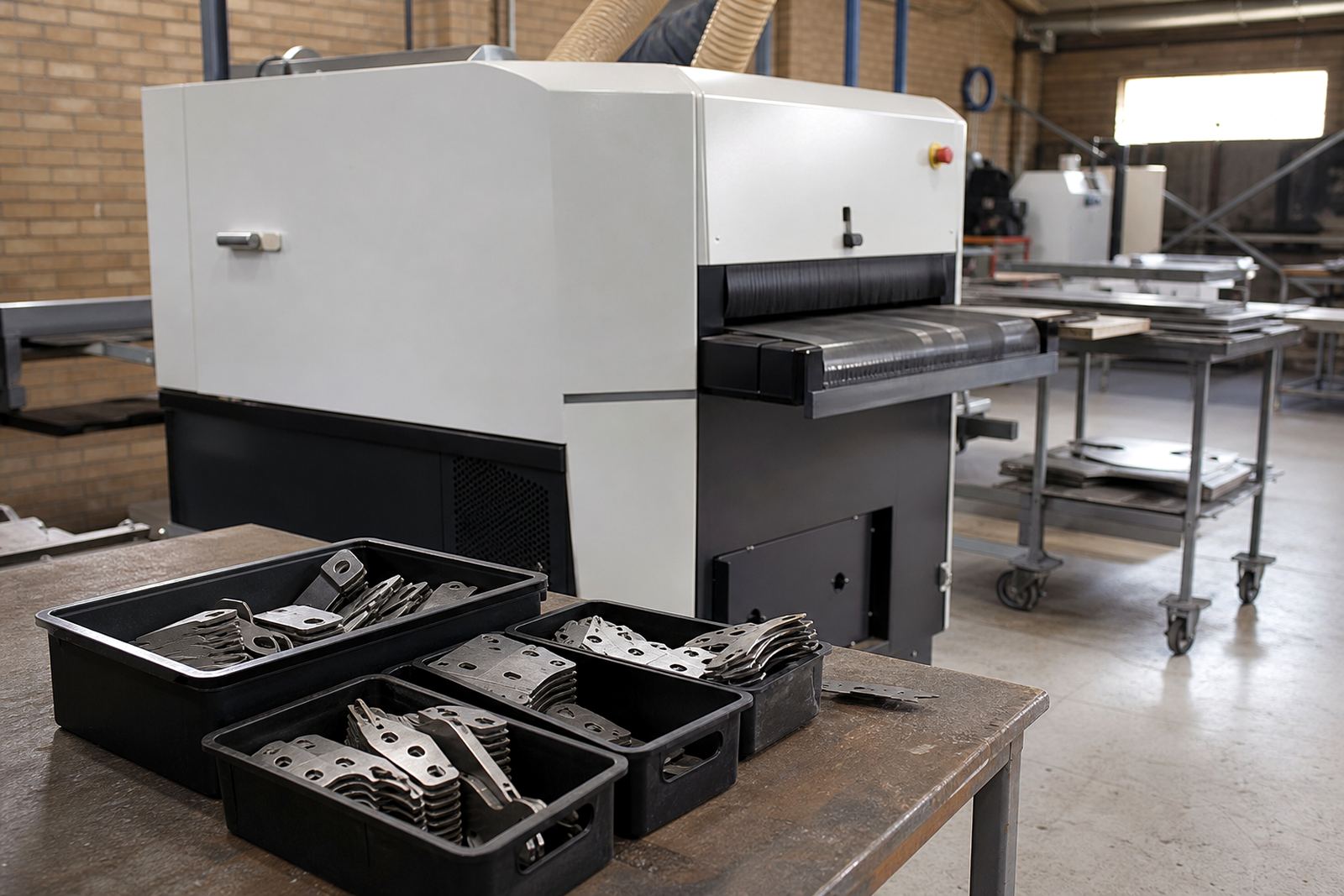
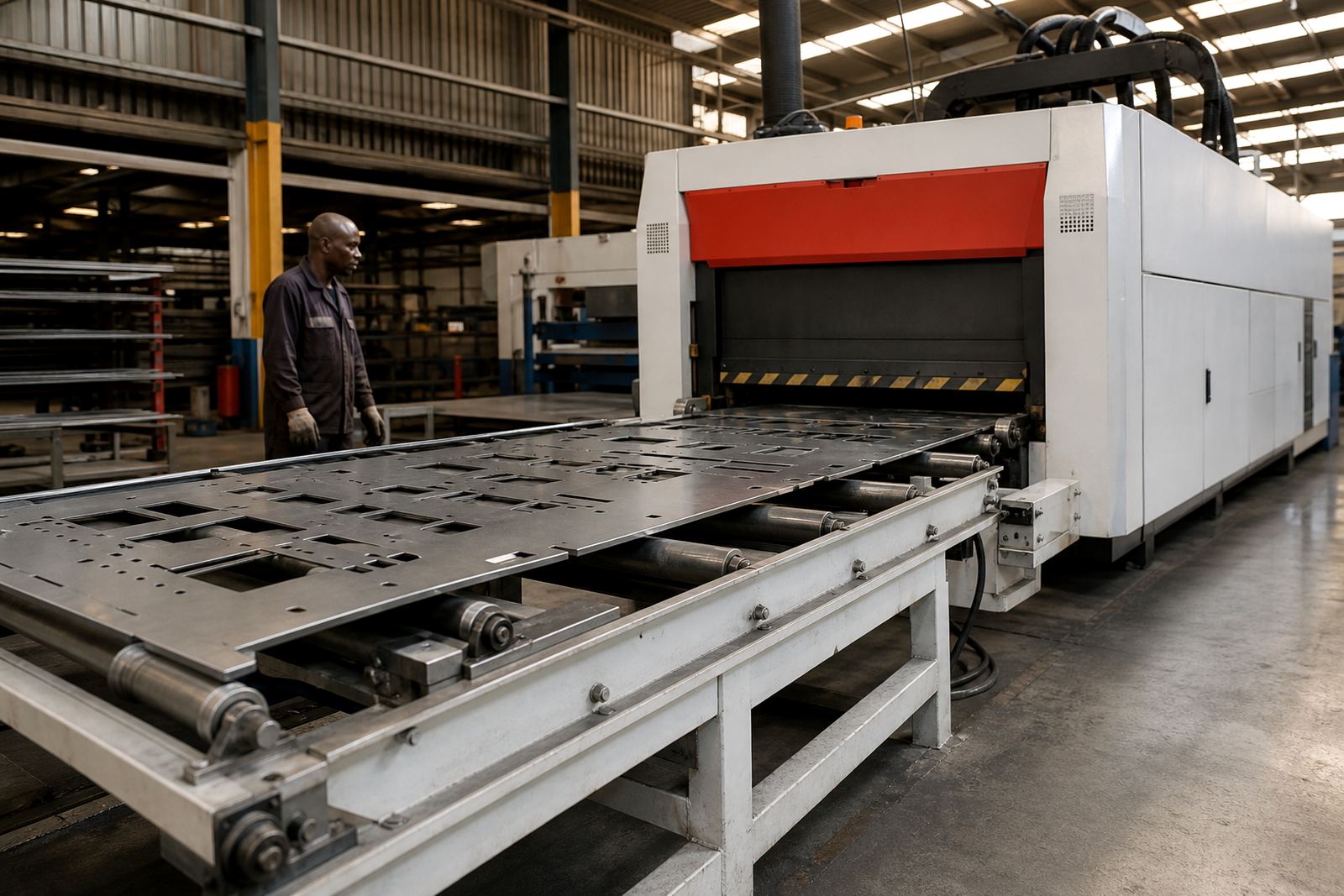
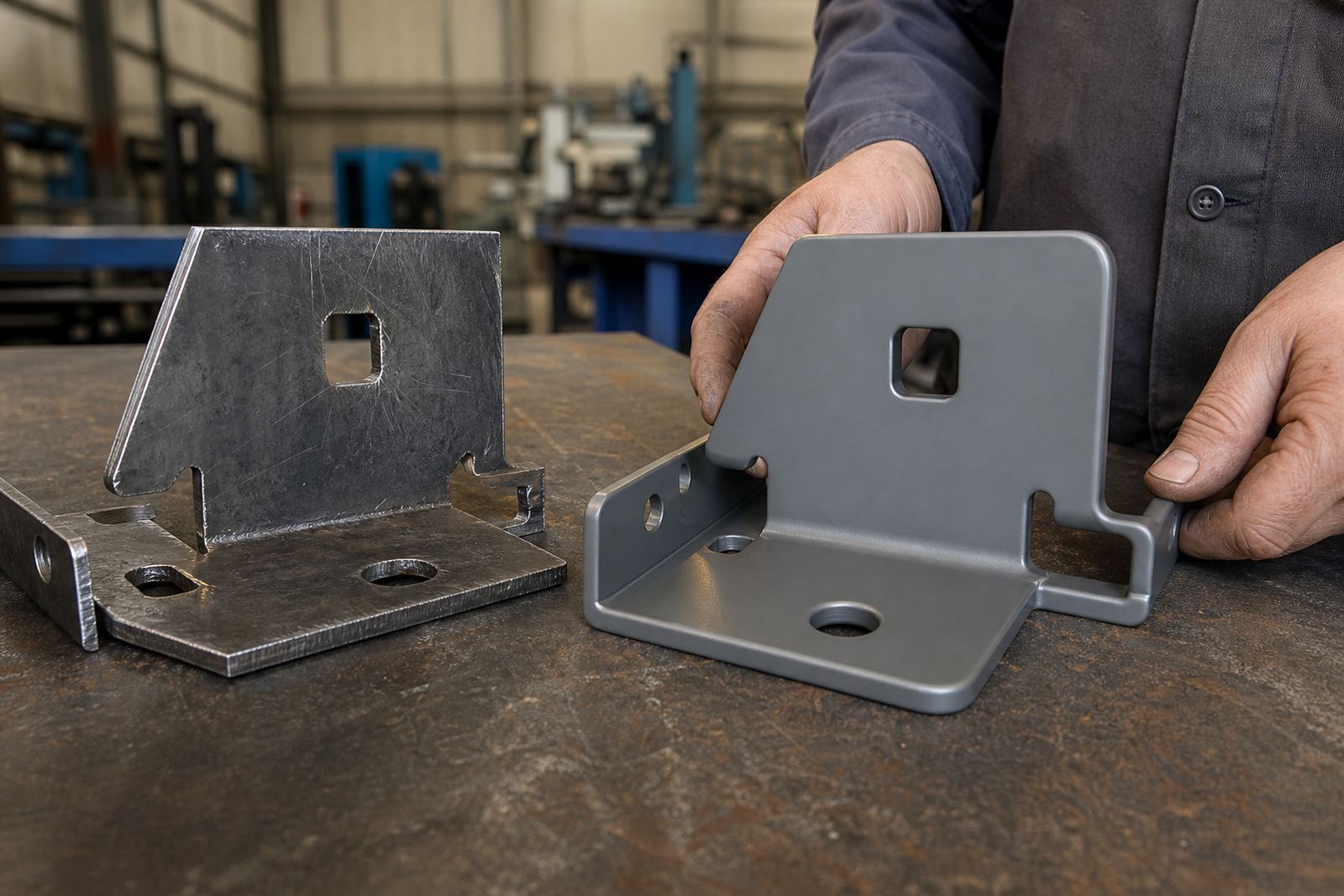
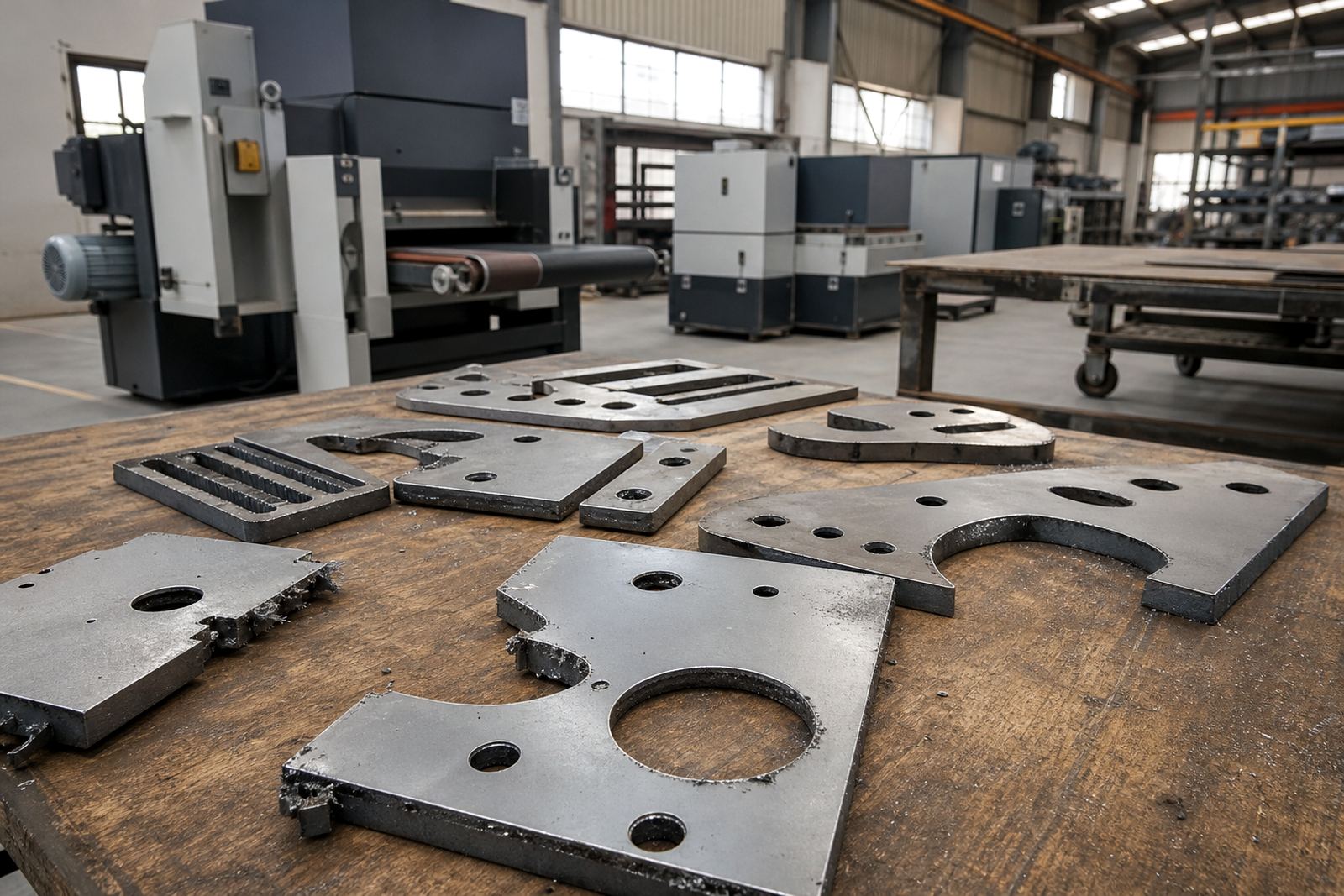
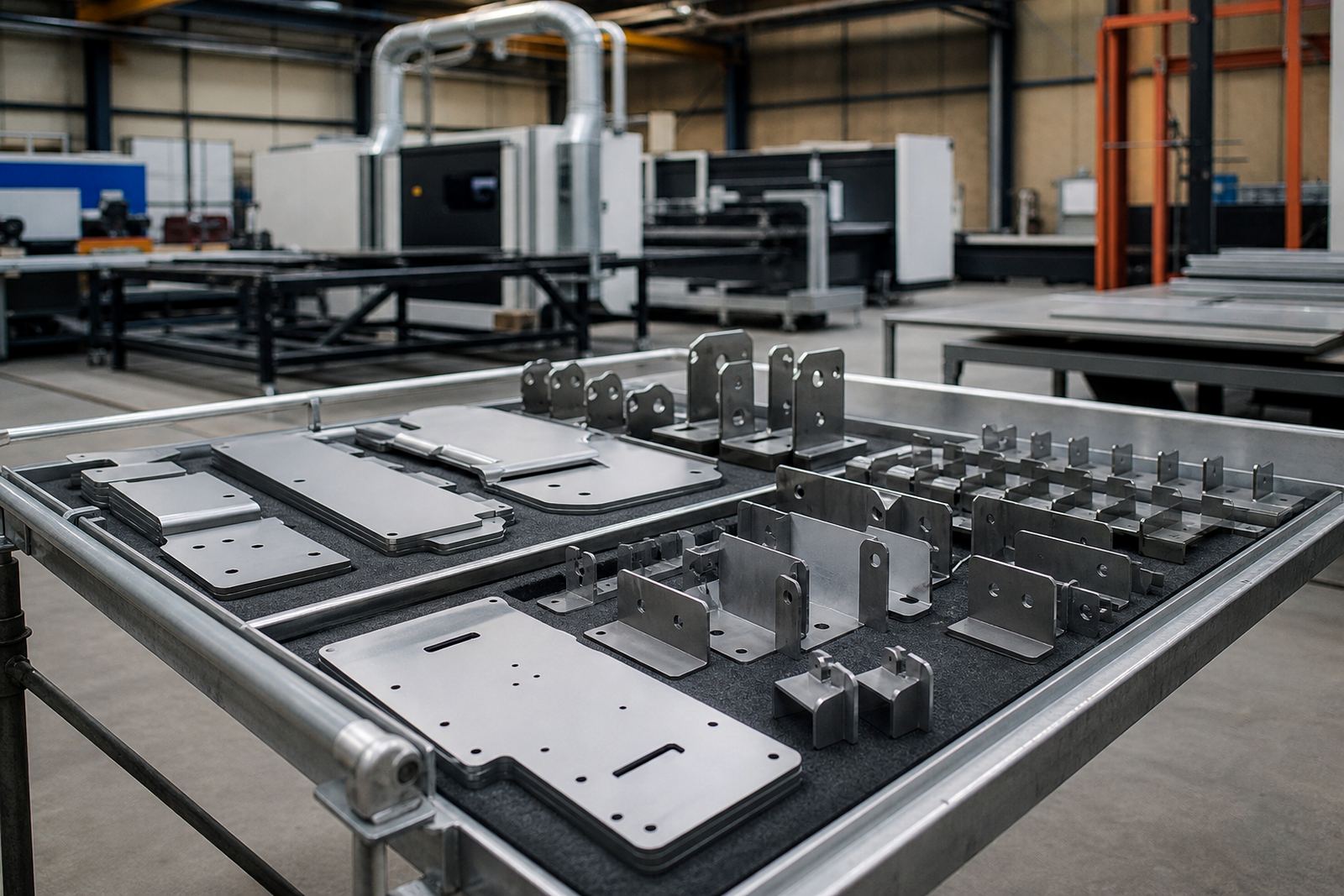
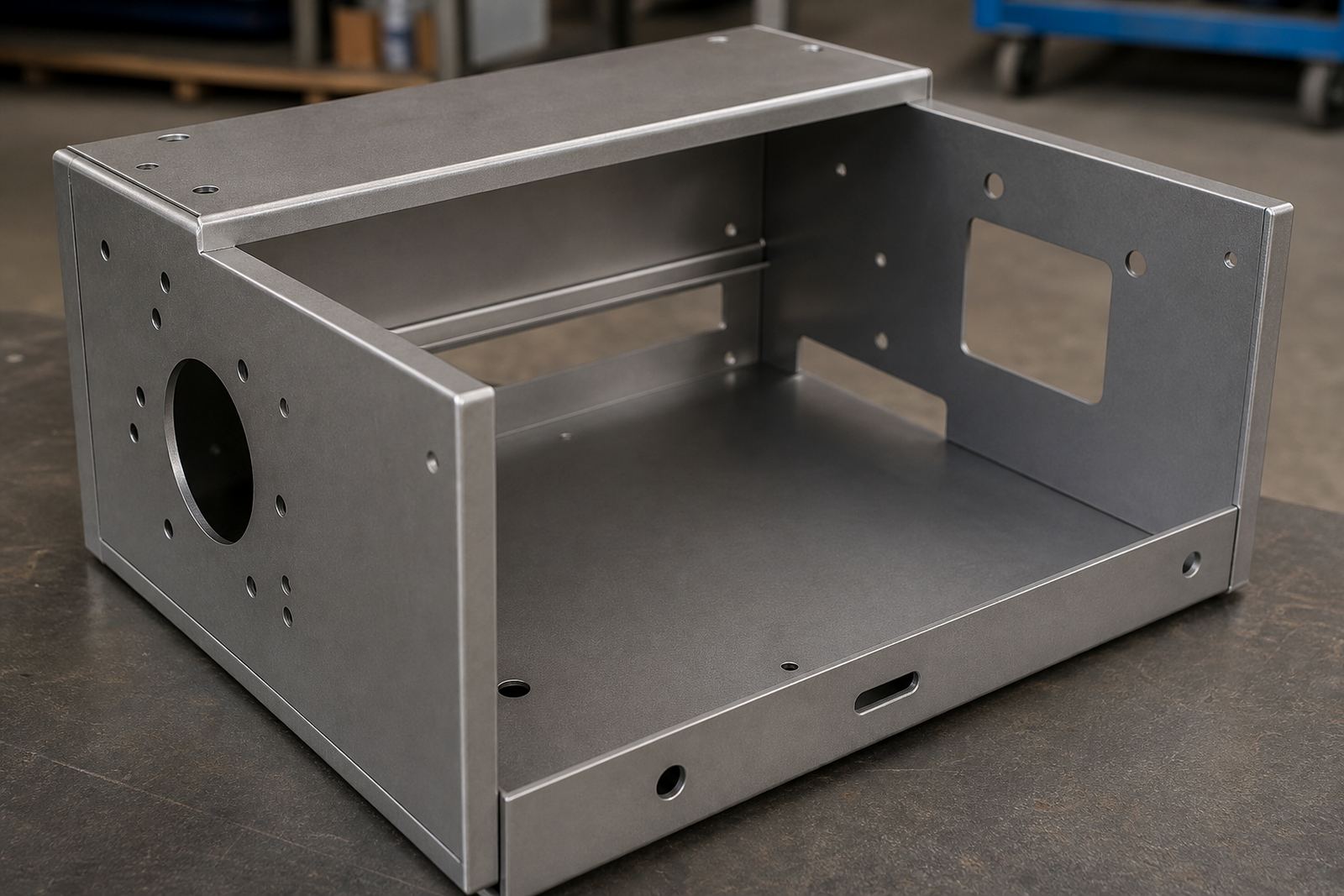
Laser-cut parts often leave a fine burr, heat mark or edge hardening that affects folding, welding and handling. For sheet metal fabricators, the right finishing method depends on cut quality, nest density and the final application. A cabinet shop may need a light uniform finish, while a contract manufacturer supplying automotive brackets may need stricter edge control and cleaner touch points.
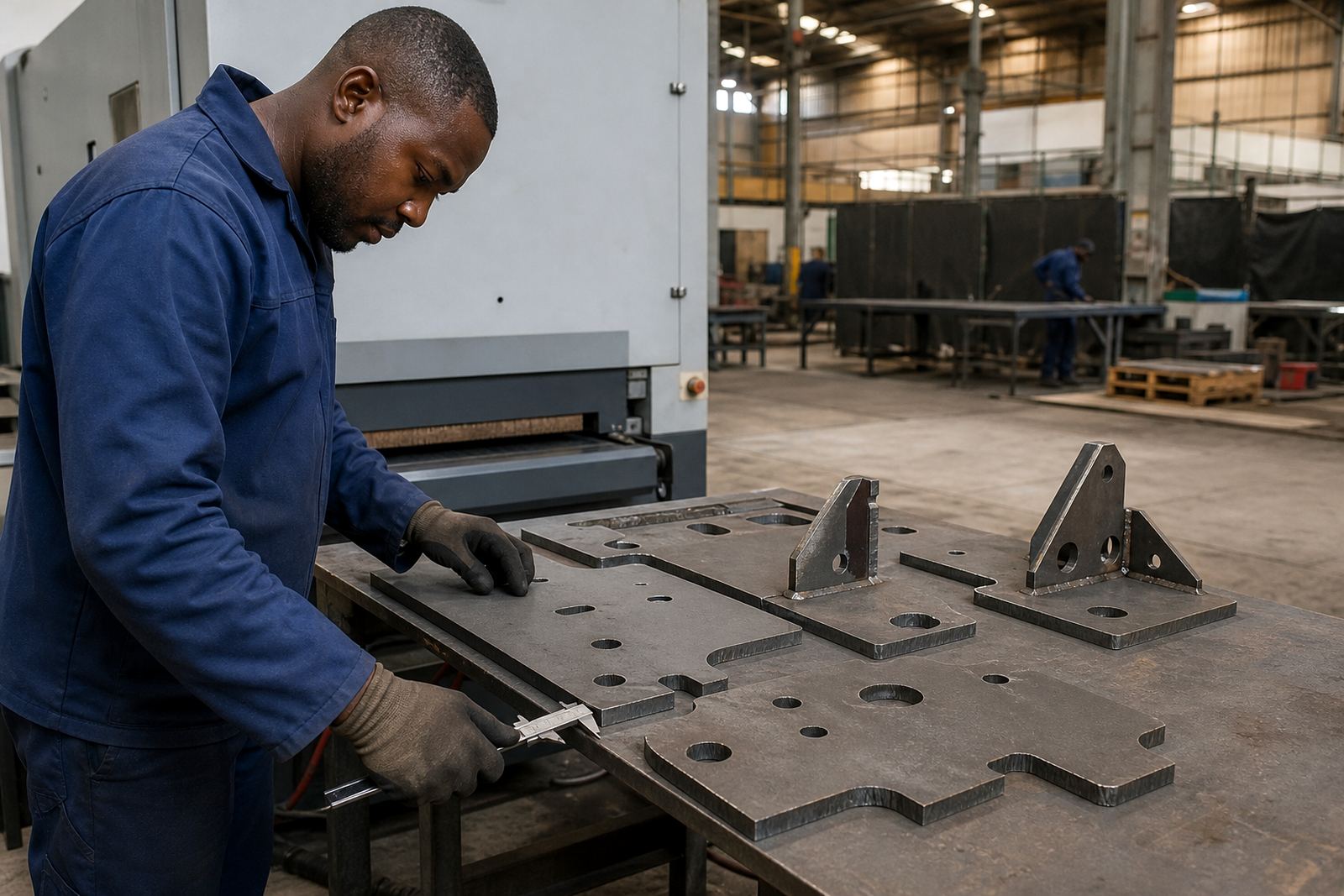
In this section of the journal, we cover the practical checks that matter: burr height, edge condition after cutting, belt wear, and the effect of material mix on finish quality. You will also find notes on how machine settings influence consistency and why a clean first pass often saves time later in assembly.
- Check cut edges before parts move to bending or welding
- Match the finishing pass to the material and thickness
- Watch for heat marks on stainless and aluminium parts
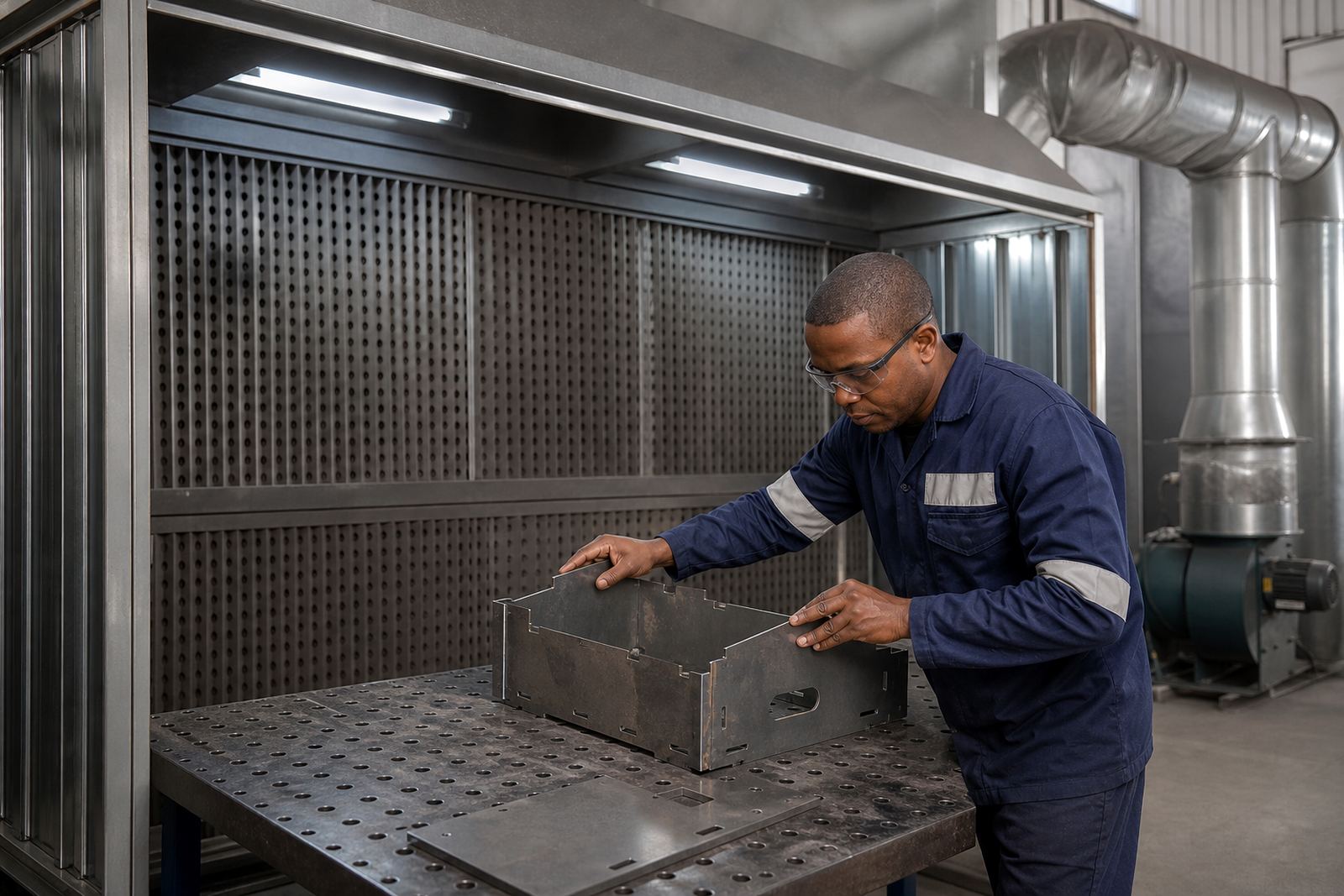
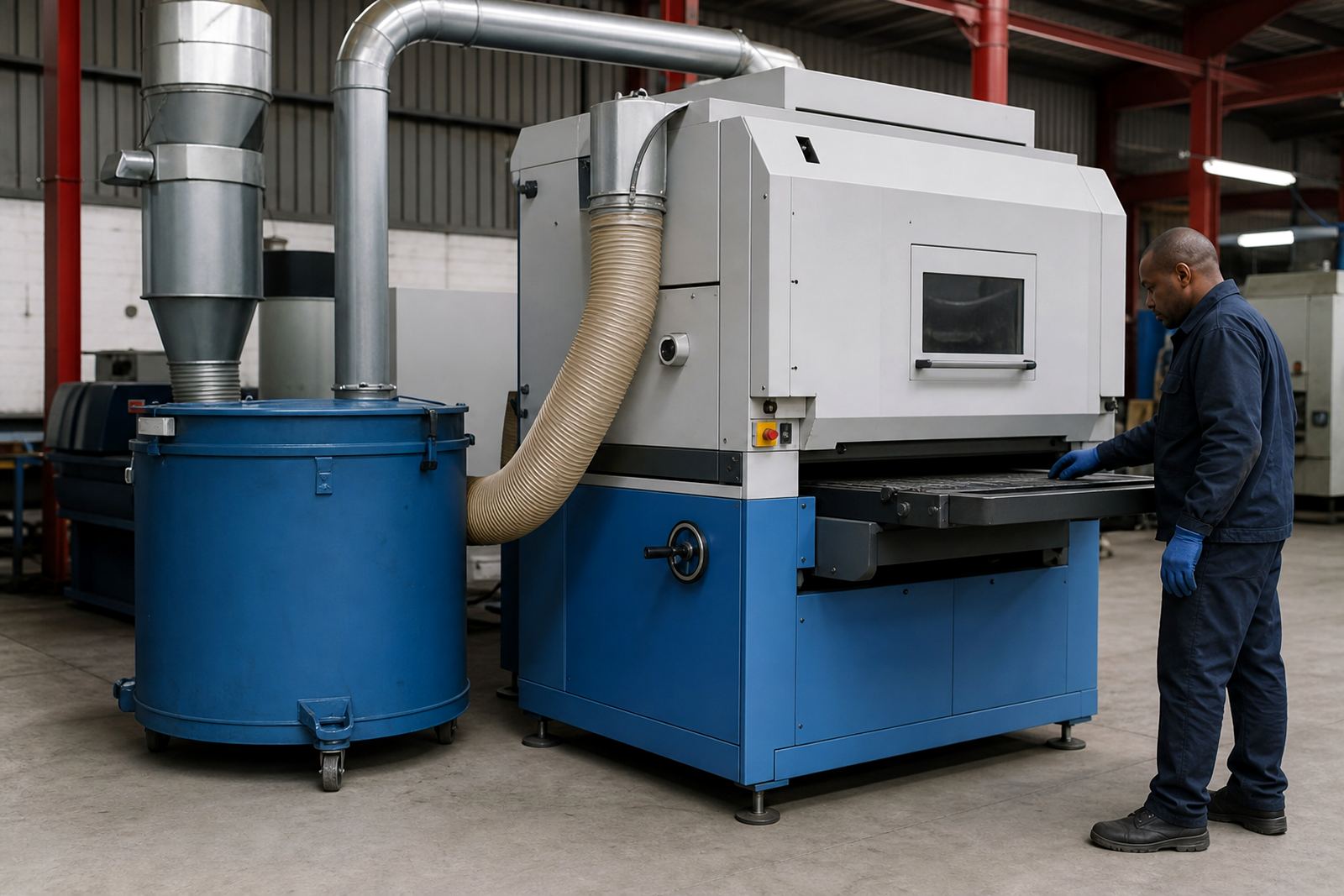
- Keep scrap and dust extraction under control for better housekeeping
Safer handling and better operator habits
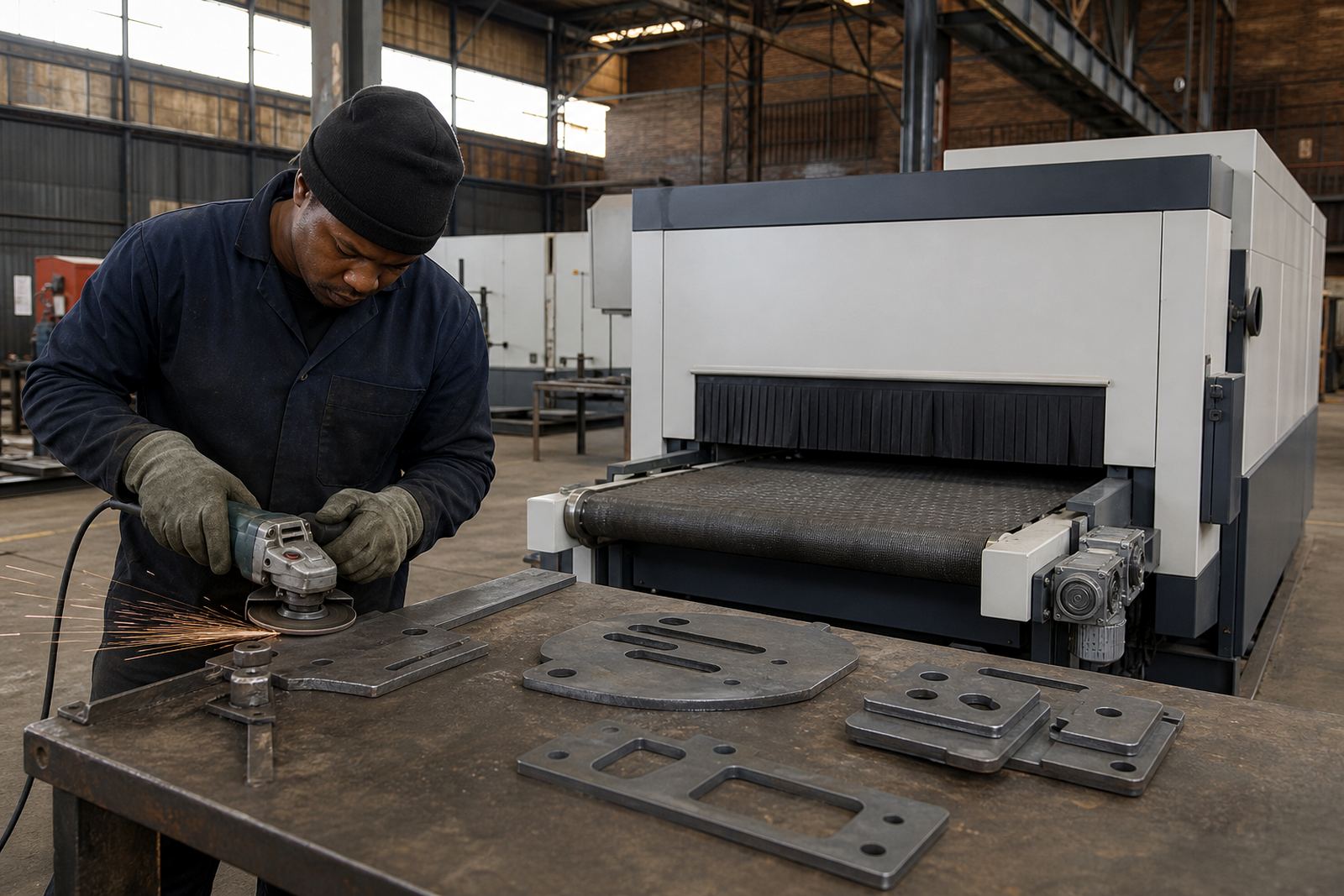
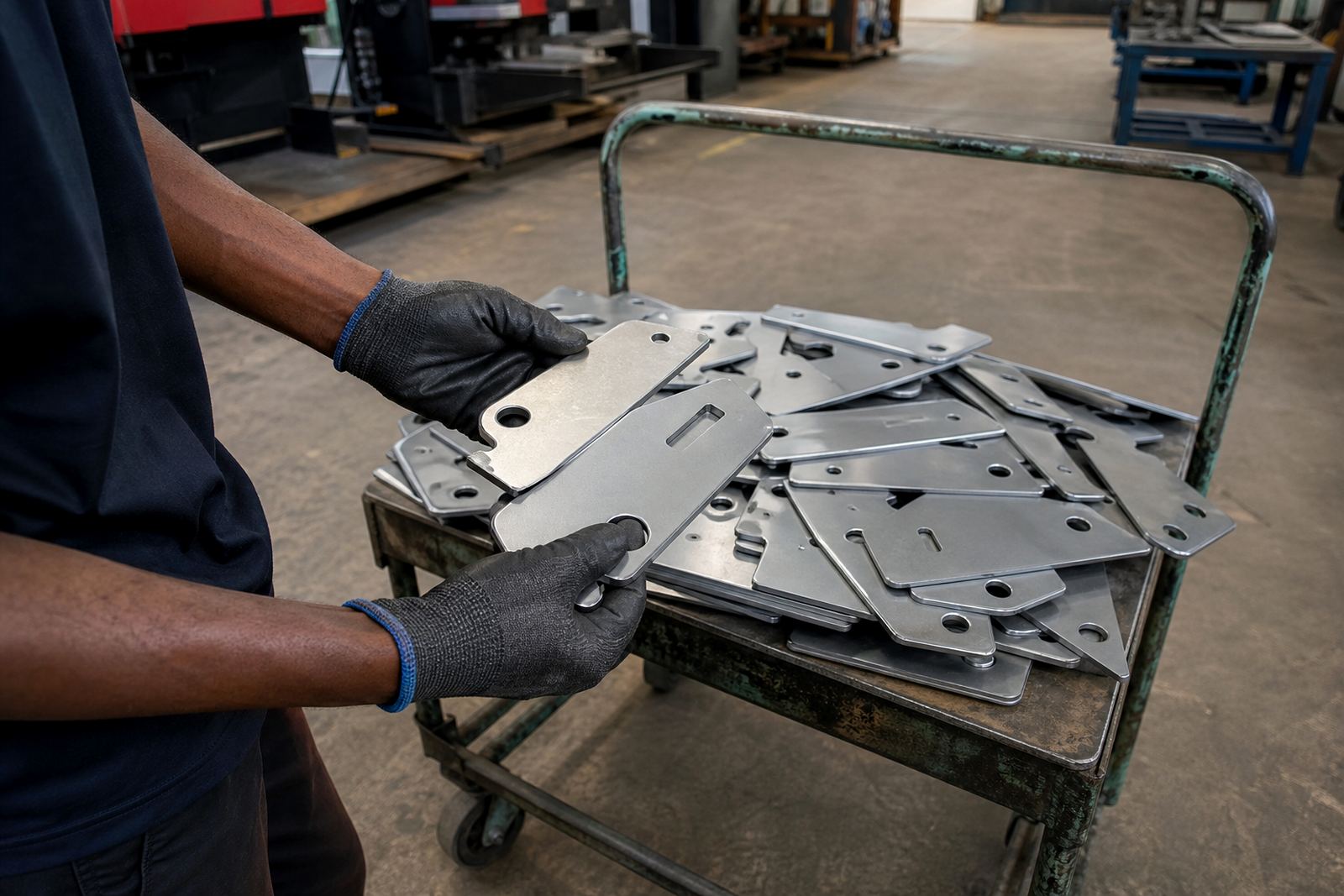
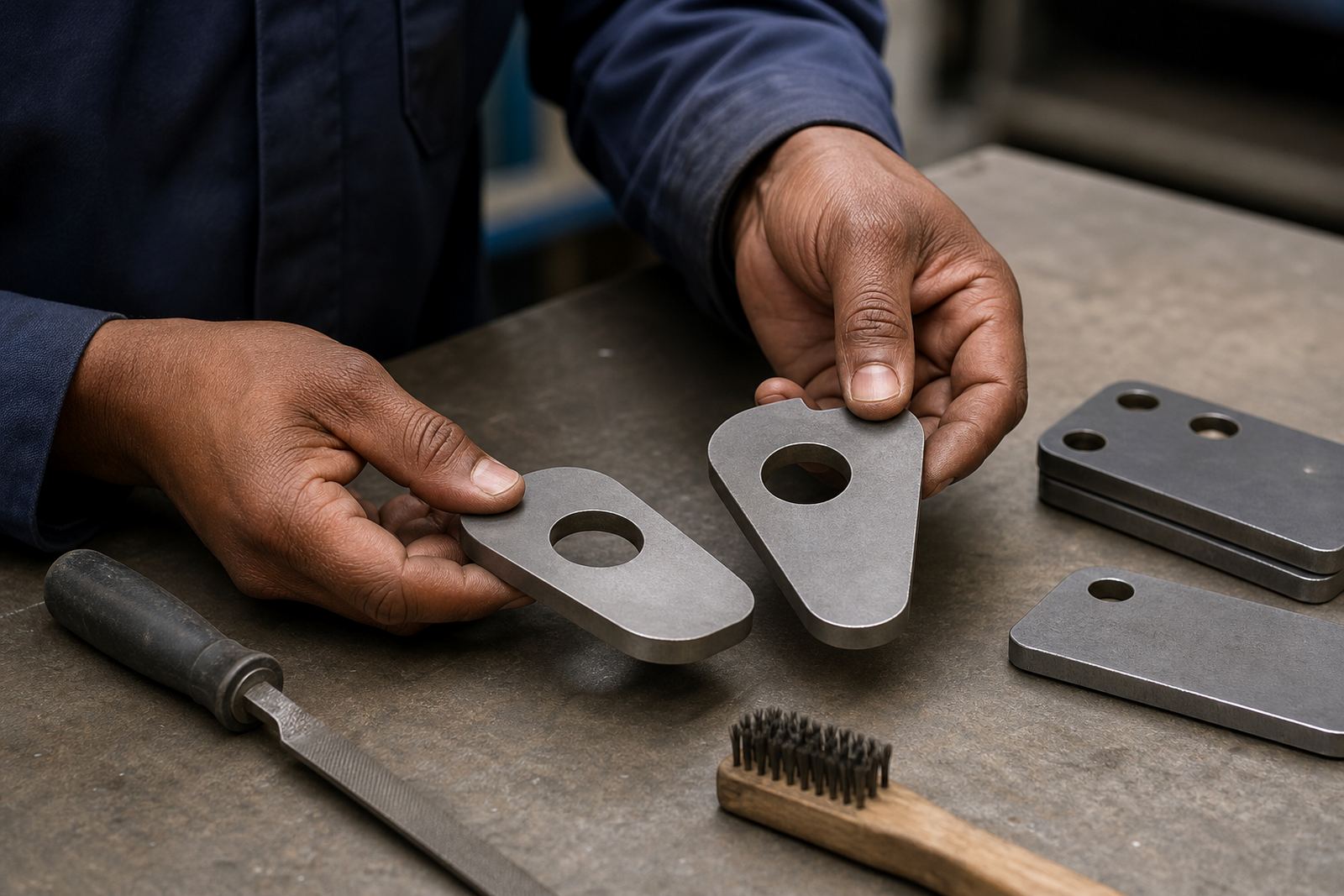
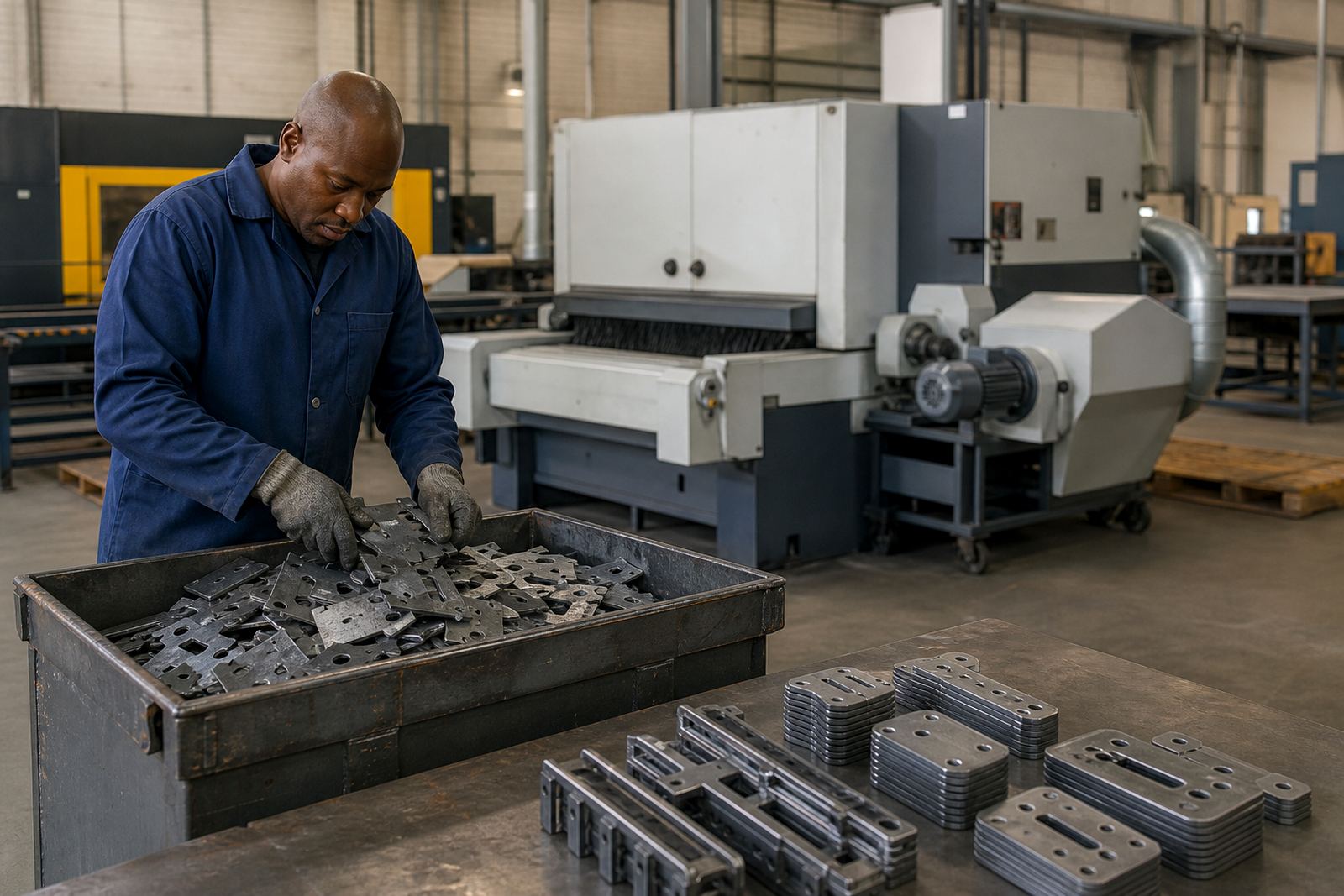
Sharp edges create more than a cosmetic problem. They can cut hands, damage gloves and slow down handling on the shop floor. For teams working long shifts, especially when load-shedding interrupts rhythm and machines are restarted through the day, a repeatable finishing process helps keep work moving without extra risk. Good handling habits are part of the job, not an afterthought.
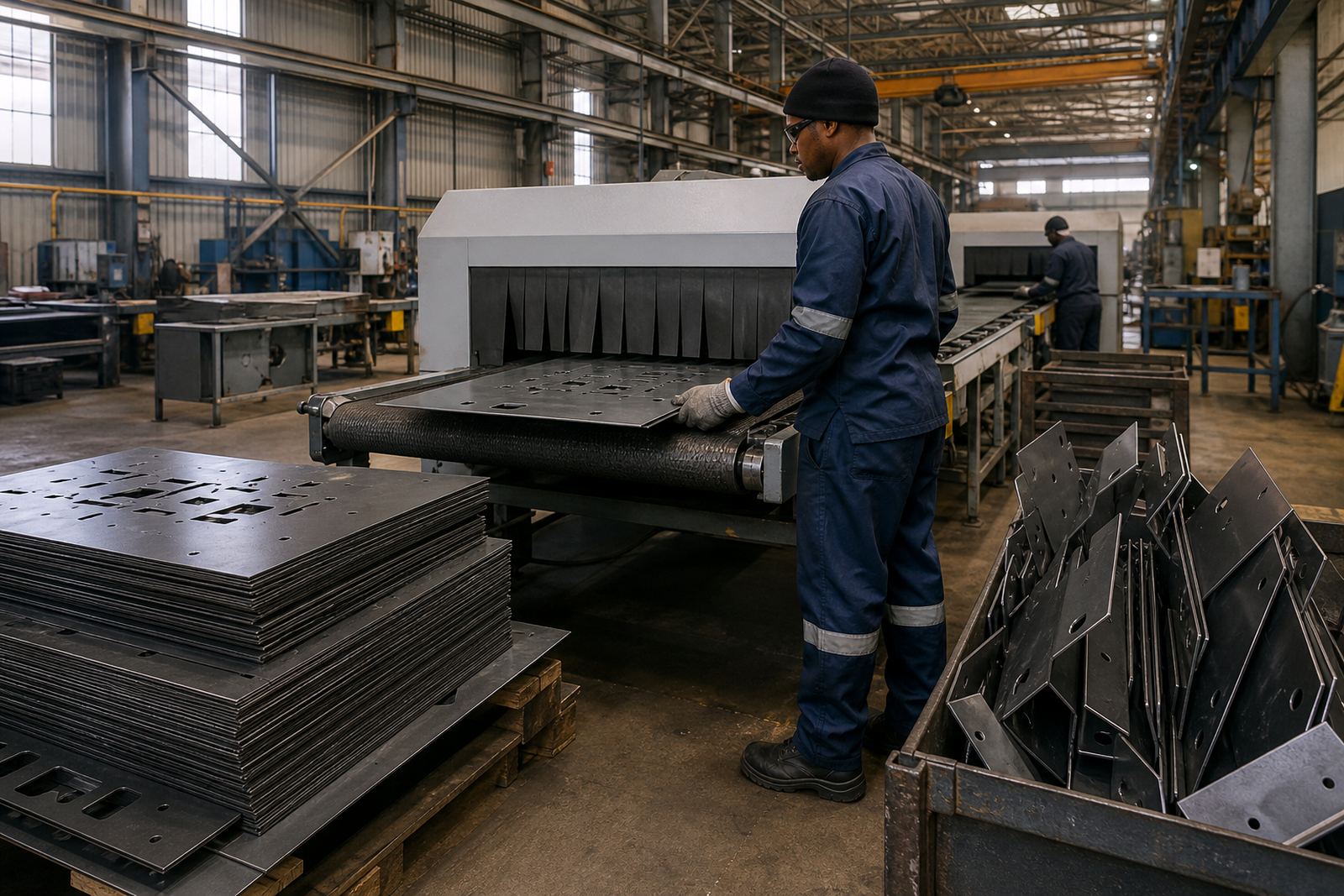
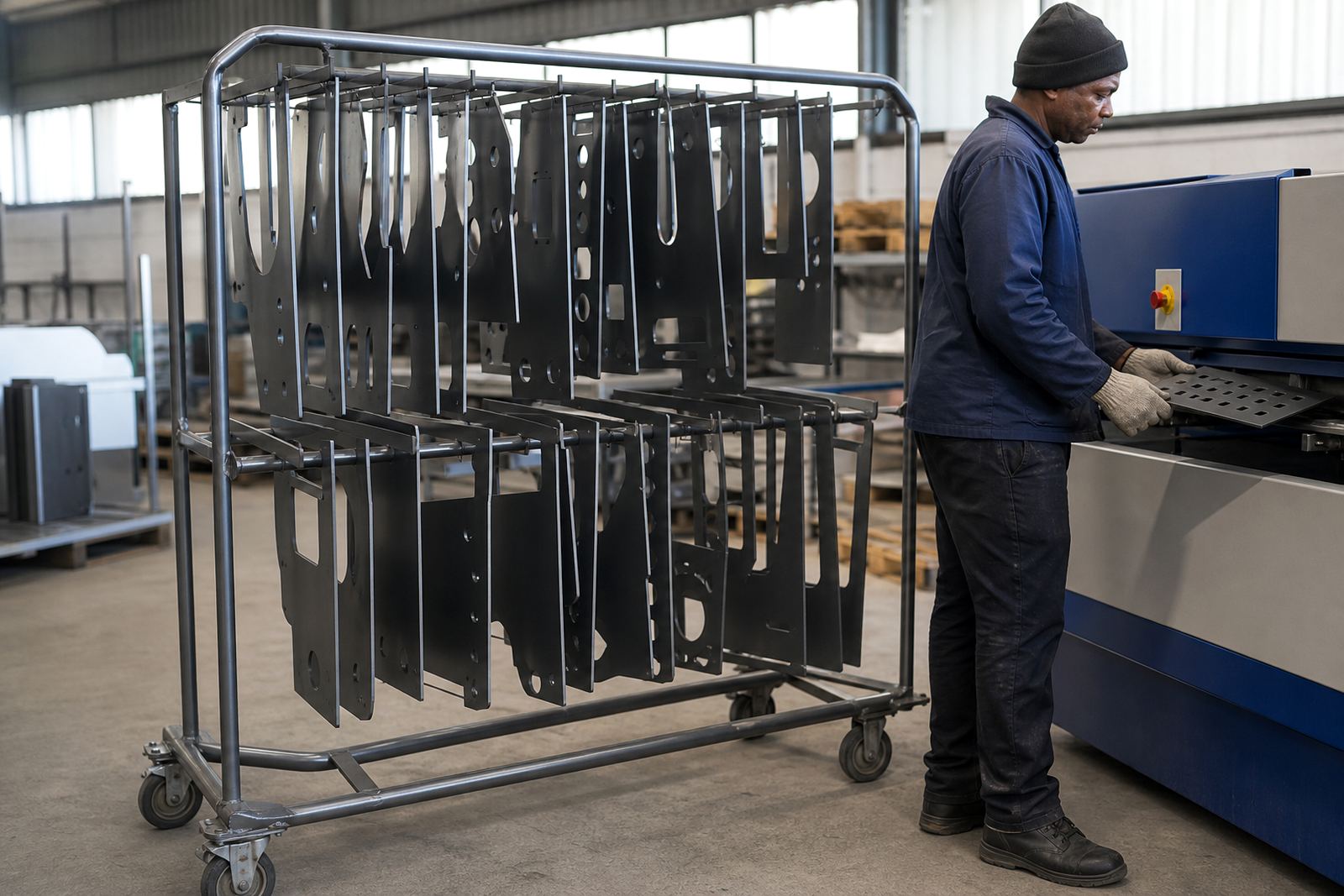
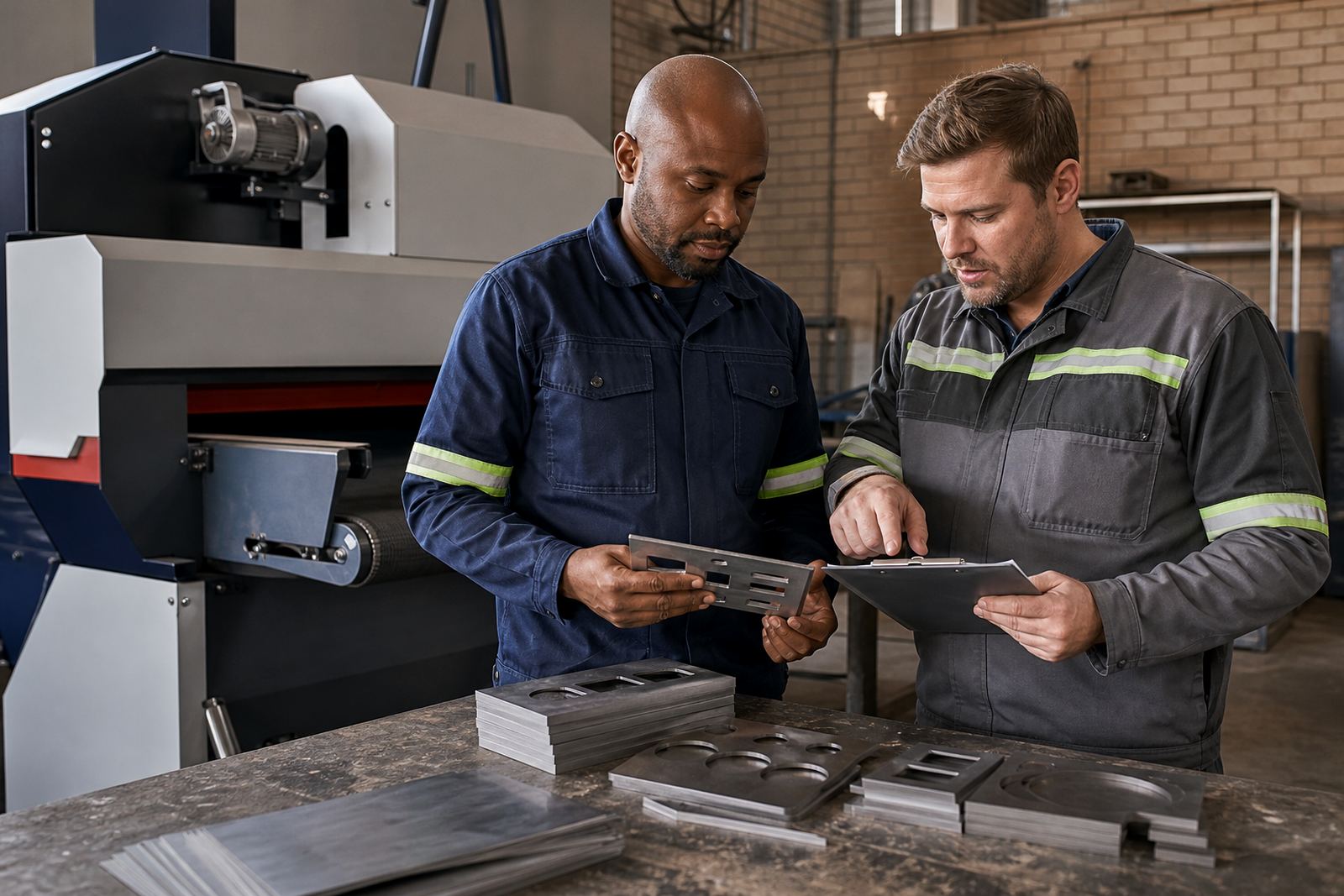
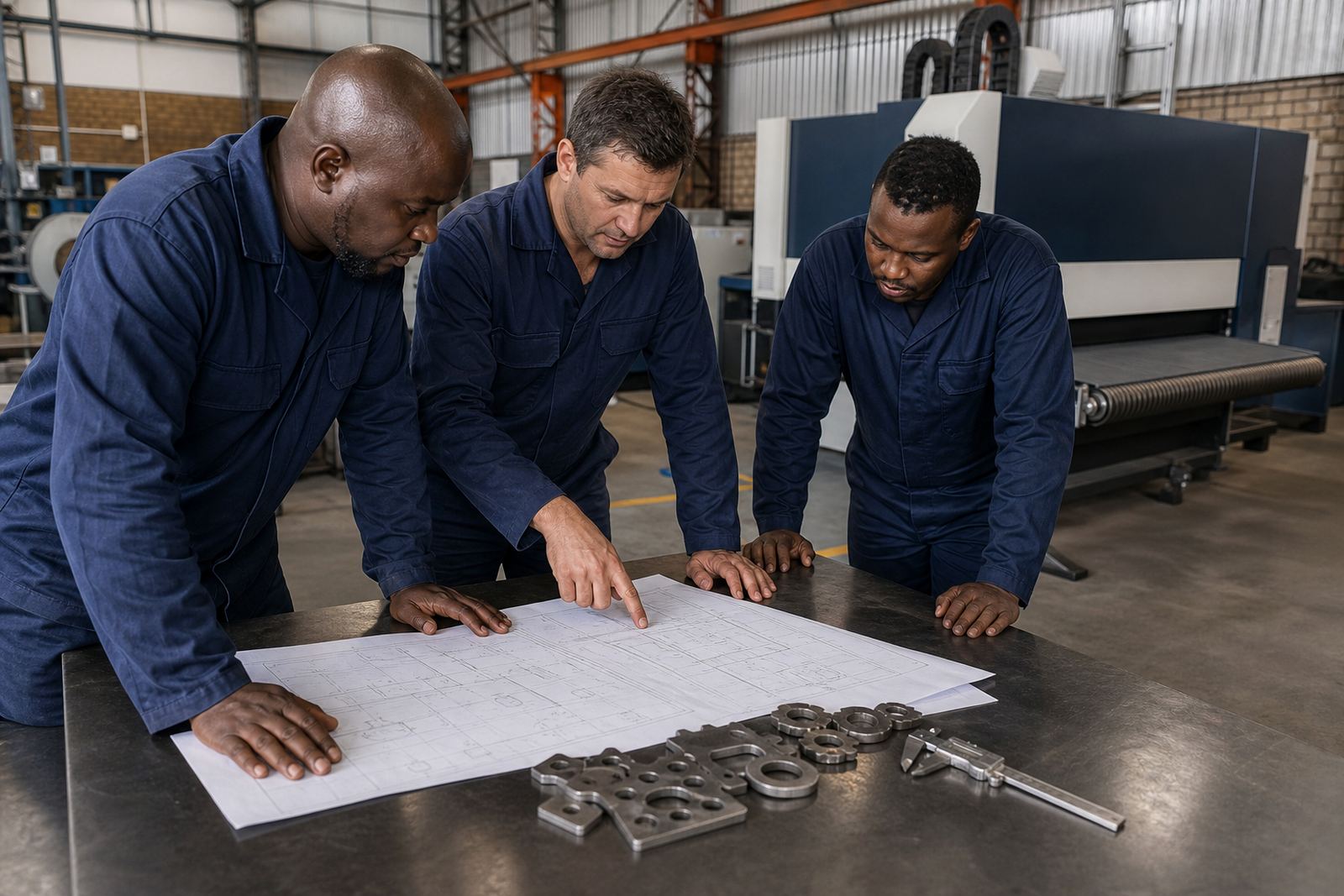
We cover practical points such as part flow from cutting to finishing, how to stage jobs to reduce lift-and-carry damage, and the role of operator training in lowering mistakes. Small details matter here, like checking that parts are fully supported before finishing and keeping the work area clear so the same component does not get handled twice.
Planning for output, not just a nicer edge
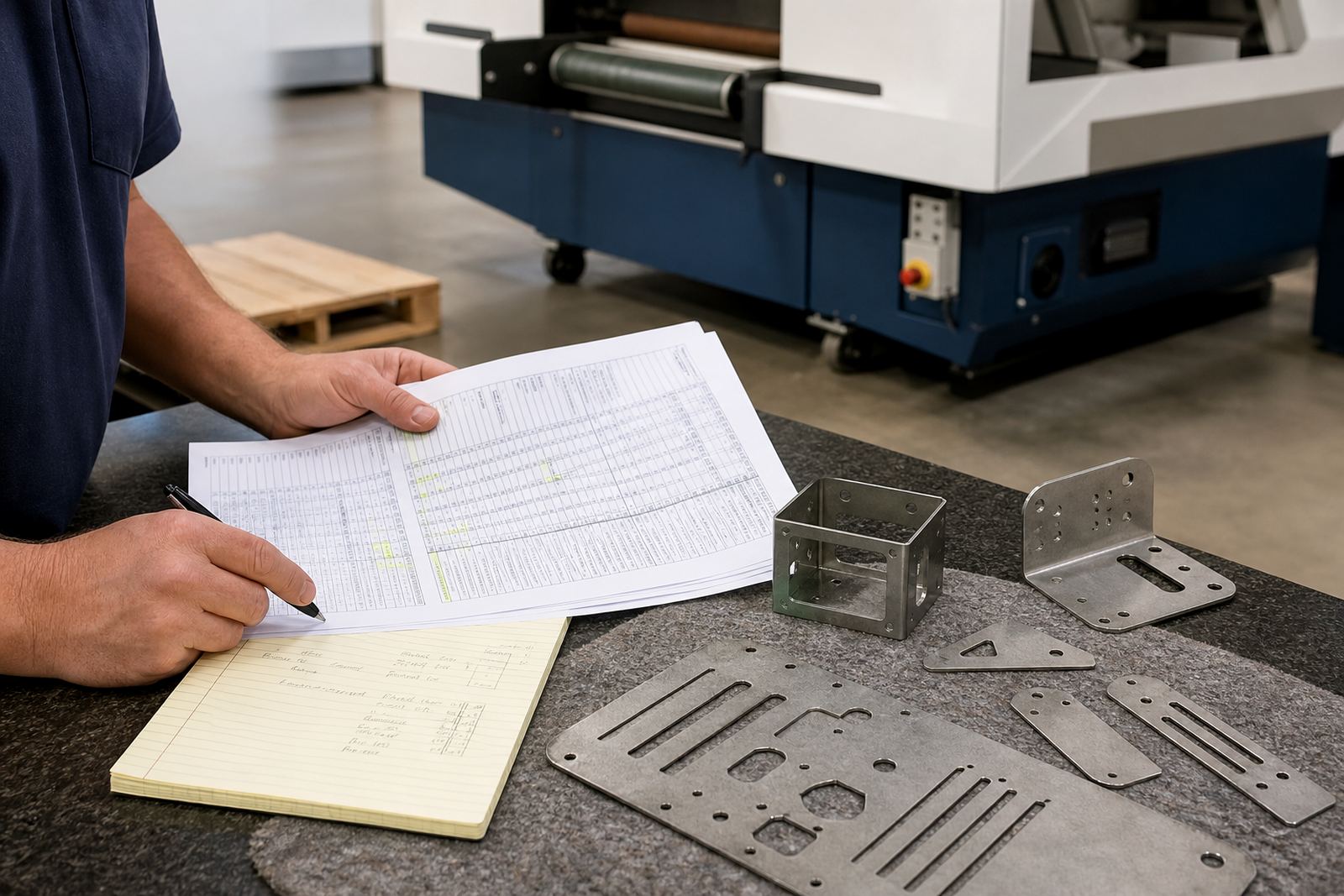
A better edge is useful, but production managers also want hours saved, fewer returns and steadier job timing. That is why this journal includes articles on process optimisation, sample part testing and production planning help. If you know how many metres of edge you need to process each day, it becomes easier to choose machine capacity, service intervals and spares stock levels.
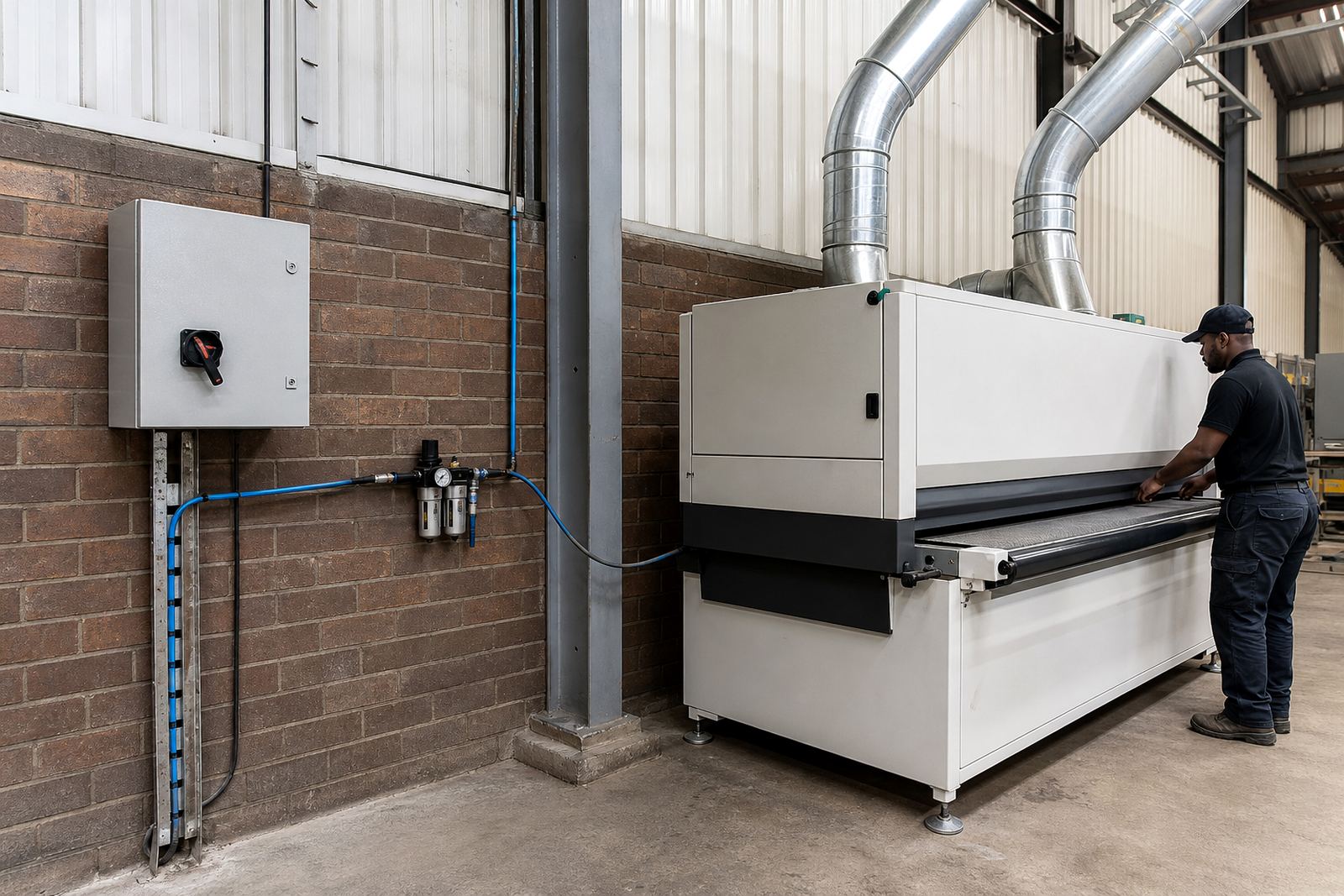
For South African factories, planning must also account for municipal power interruptions, compressed air supply, and the wear that comes from high dust environments. In some plants, a small change in sequence can free up a full hour per shift. In others, the biggest gain comes from moving finishing earlier in the process so broken edges do not slow final assembly.
- Use sample parts to compare finish quality before full rollout
- Record output per shift, not only per day
- Schedule preventive maintenance around peak production
- Keep spare abrasive stock on hand for busy periods
Maintenance notes for busy workshops
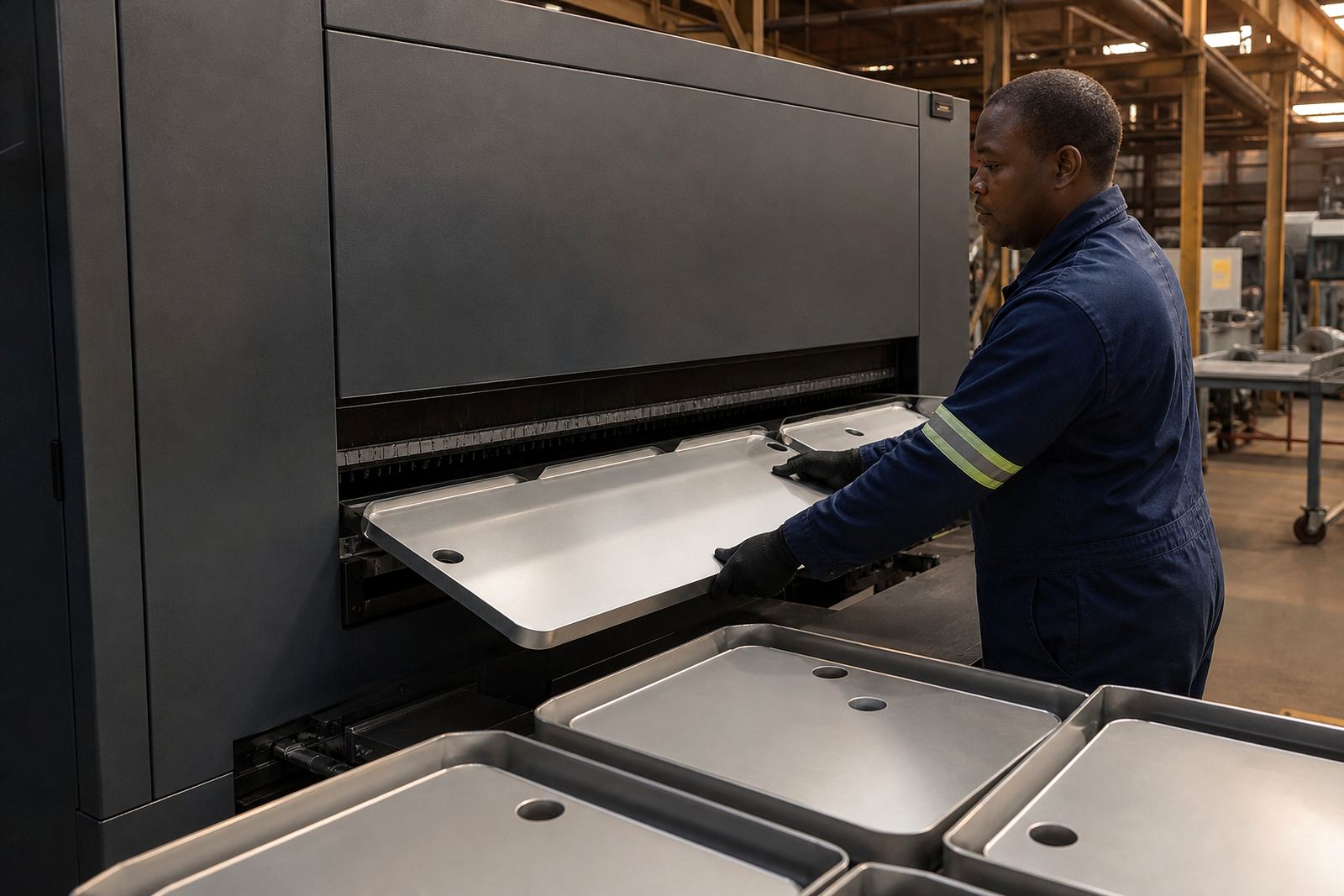
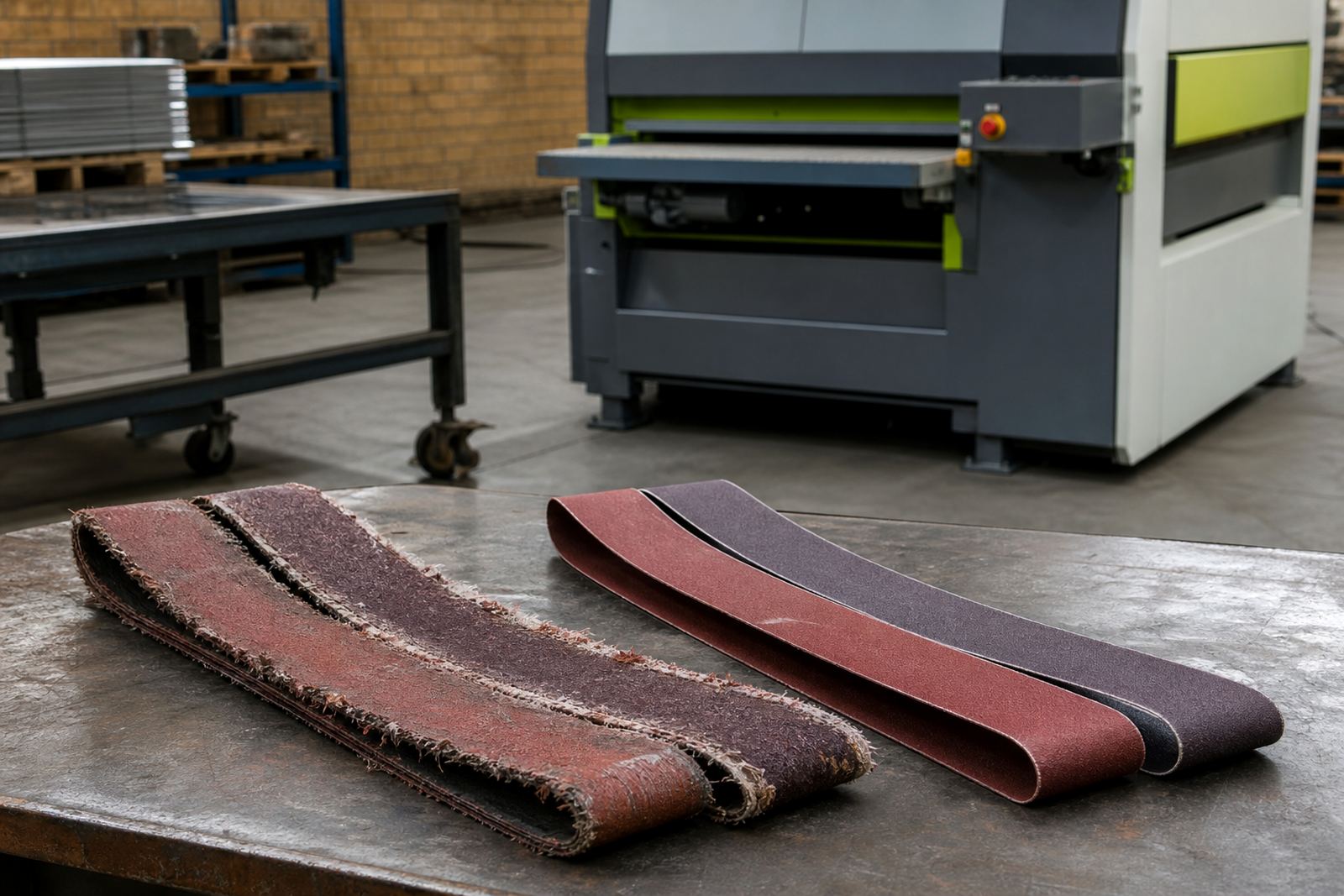
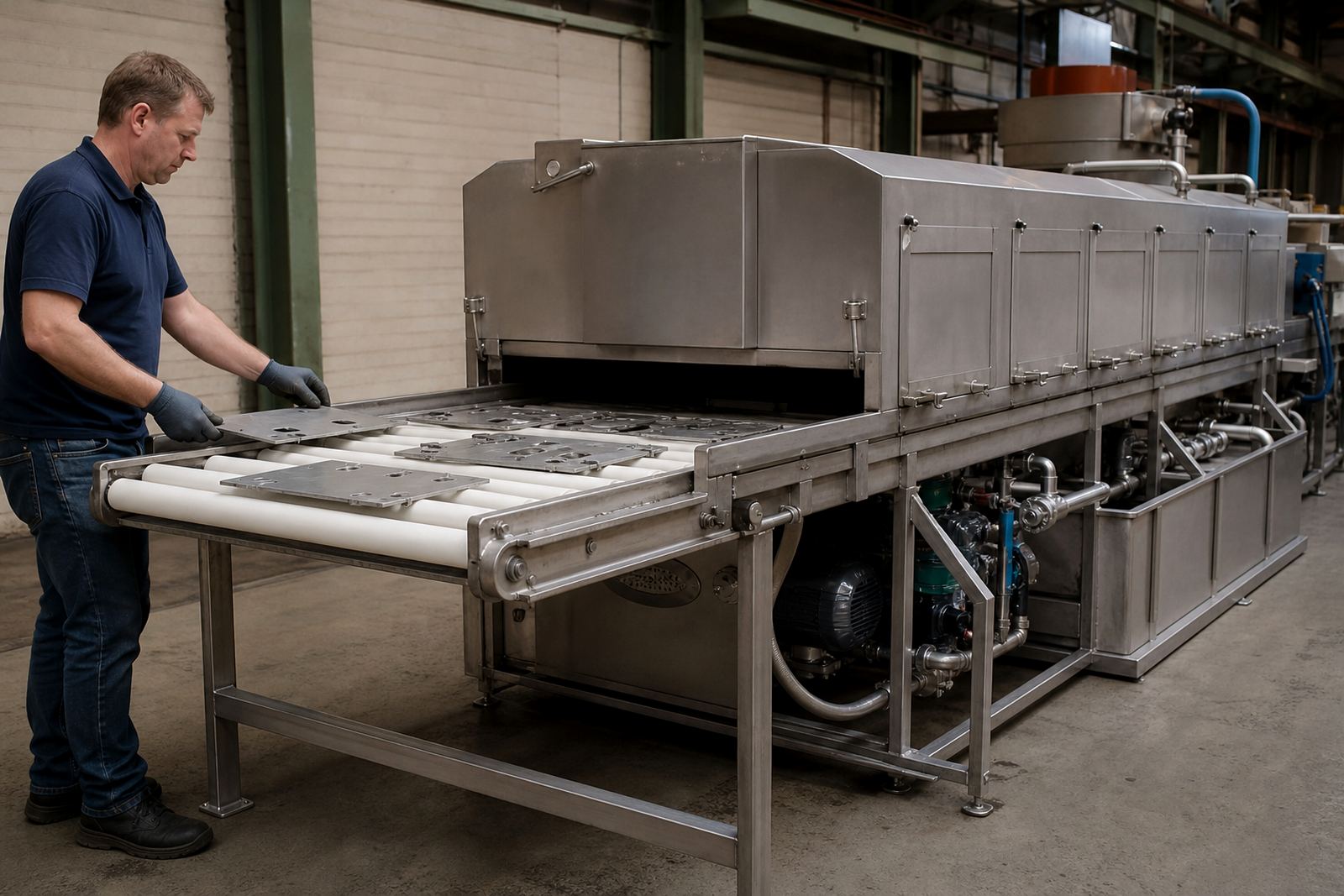
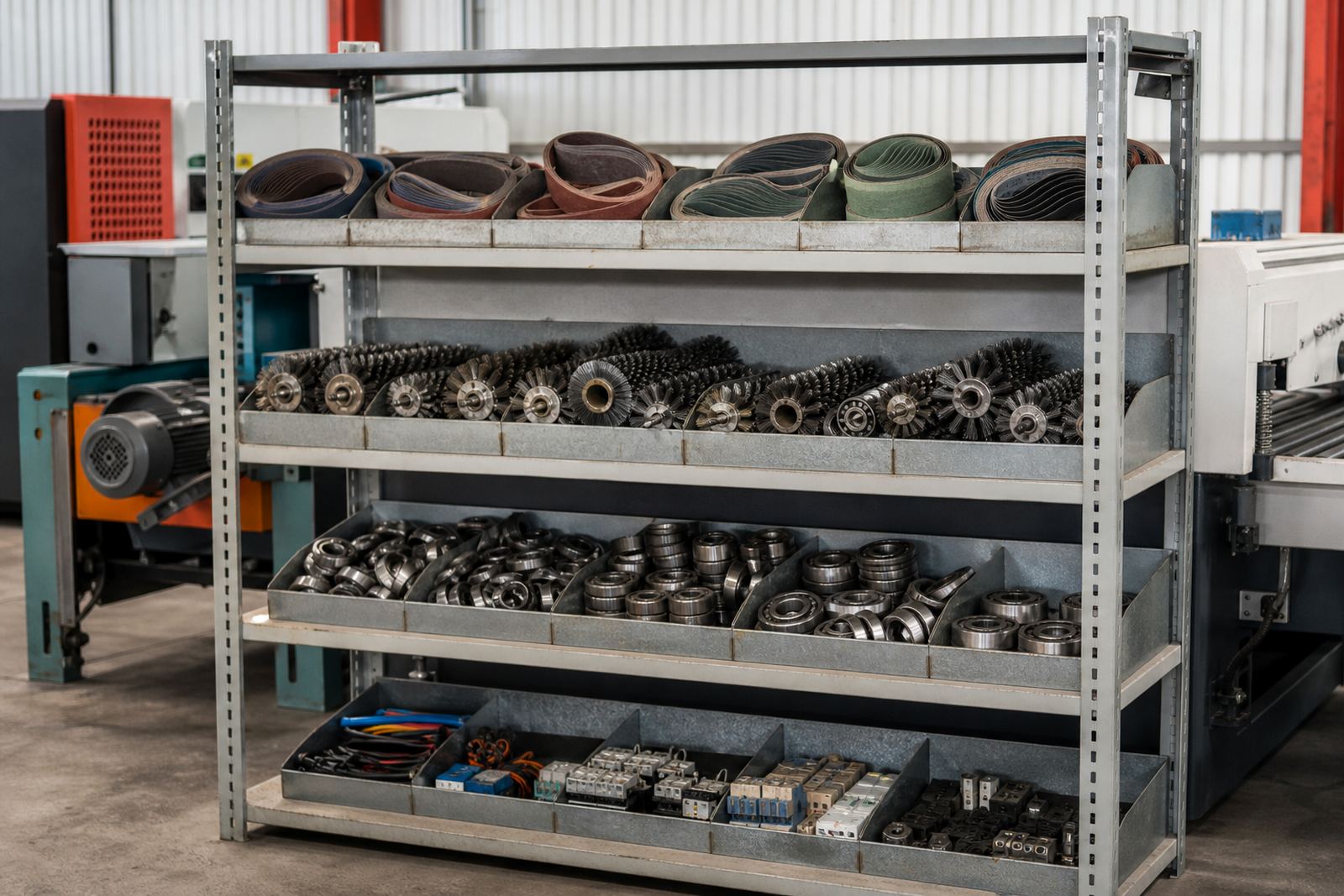
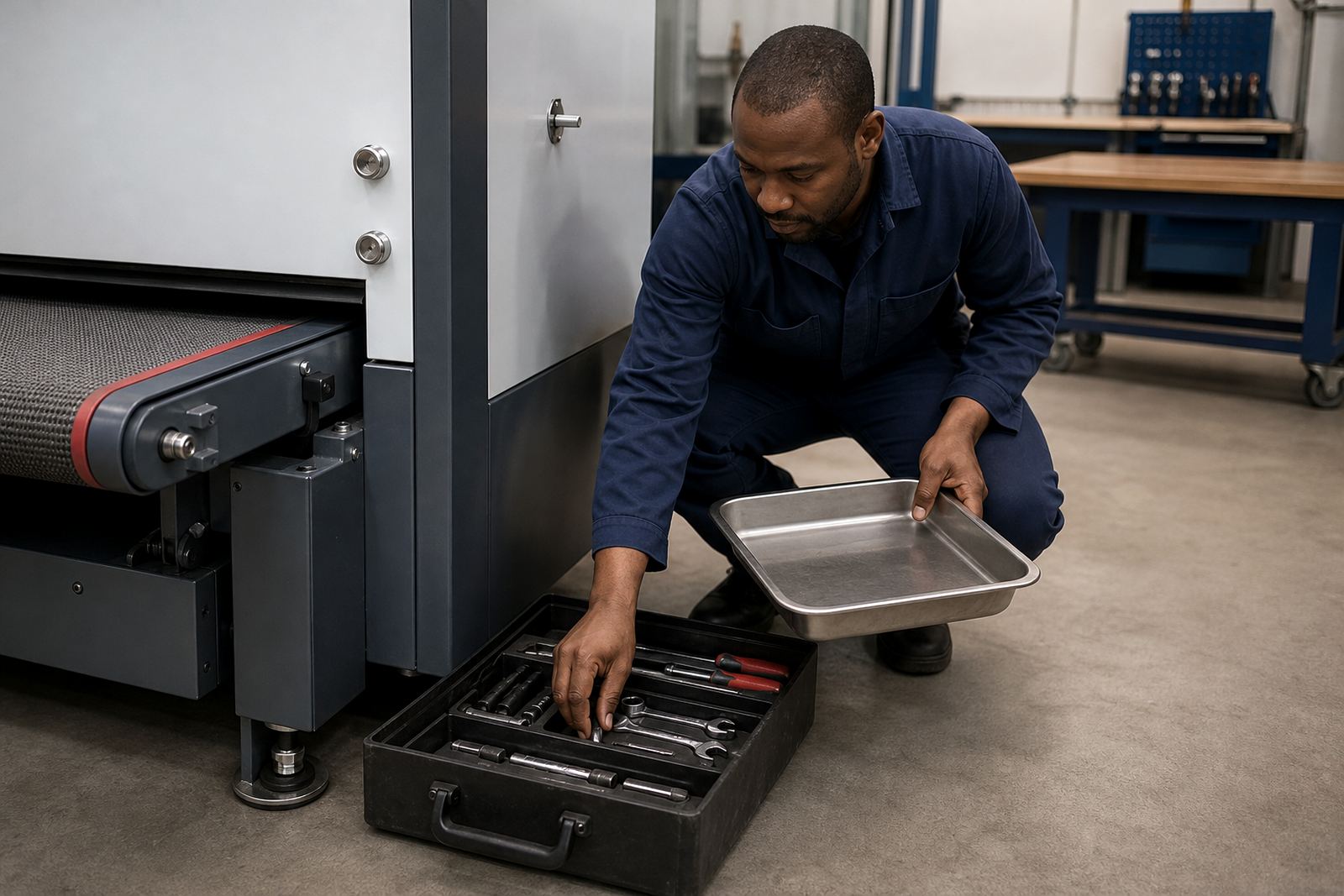
Finishing machines work best when they are cleaned, checked and serviced before problems build up. Our journal explains practical maintenance topics such as abrasive replacement, wear checks, drive inspection and the signs that a machine is drifting out of tolerance. If you are running in Wadeville, Germiston or anywhere on the East Rand, dust and heavy throughput can shorten service life faster than expected.
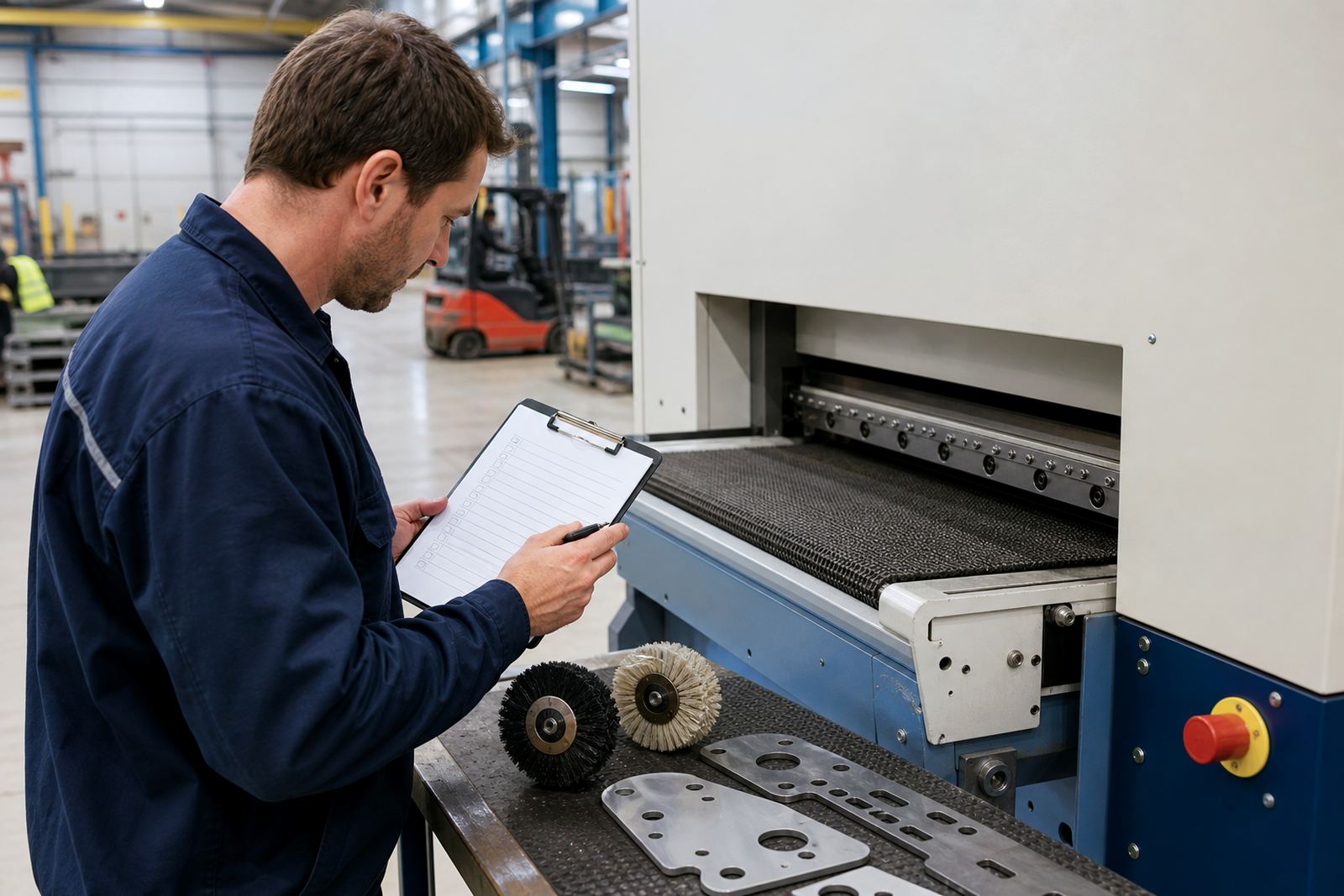
We also look at breakdown prevention in real workshop conditions. That includes keeping a service log, watching for uneven finish across the width of the part, and knowing when a repair is enough versus when a scheduled overhaul will save more downtime. A simple routine often prevents bigger stoppages later, and keeps production from slipping behind.
Using the journal to compare machines and processes
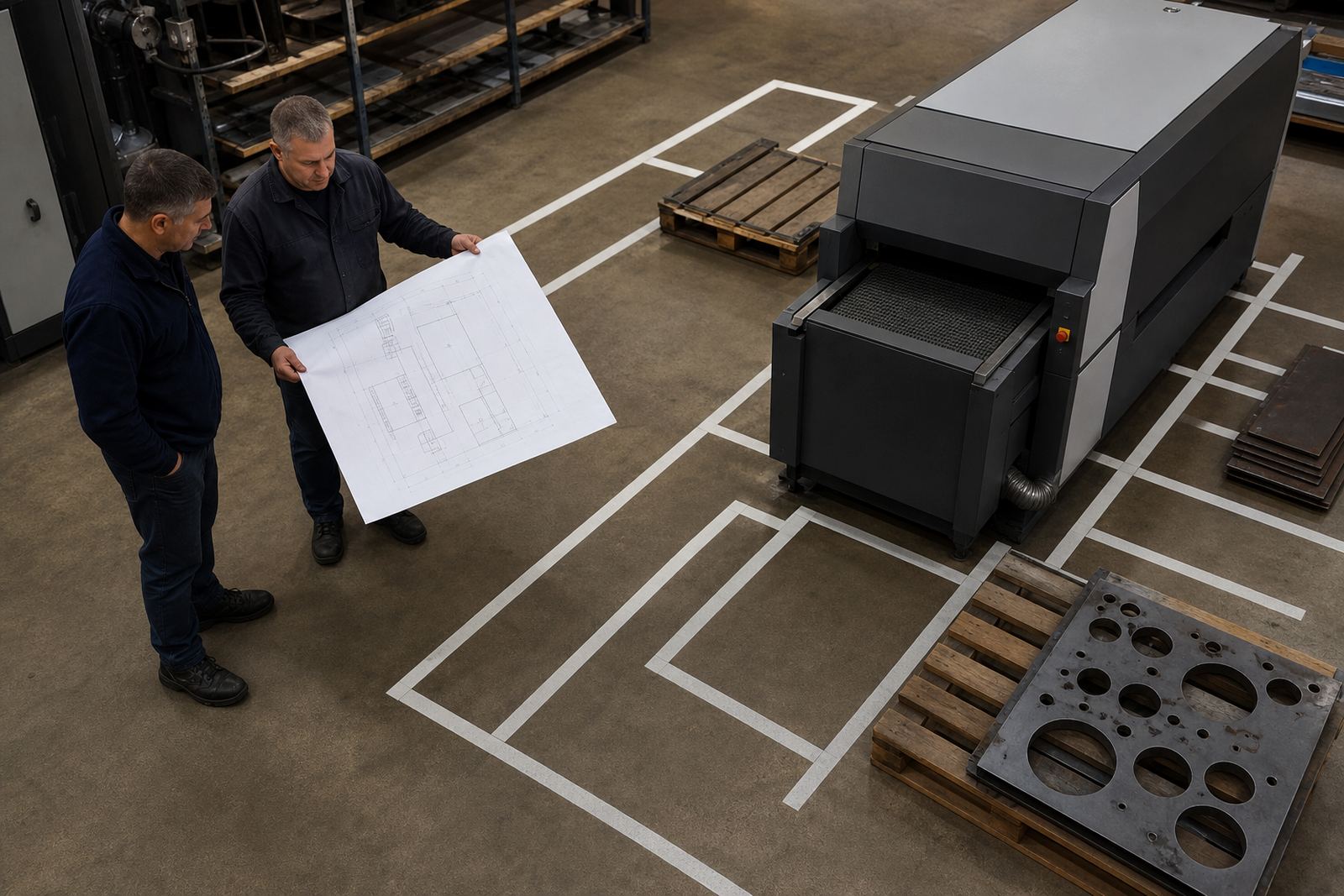
Each article is written to help you compare options with practical detail, not guesswork. Whether you are upgrading a single line or fitting out a new bay, the journal can help you weigh installation needs, relocation support, annual service contracts and workshop space. Fabricators in Pretoria, Cape Town, Durban, Rustenburg and Johannesburg often face different job mixes, but the decision points stay similar: finish quality, cycle time, support access and the amount of manual touch-up still needed.
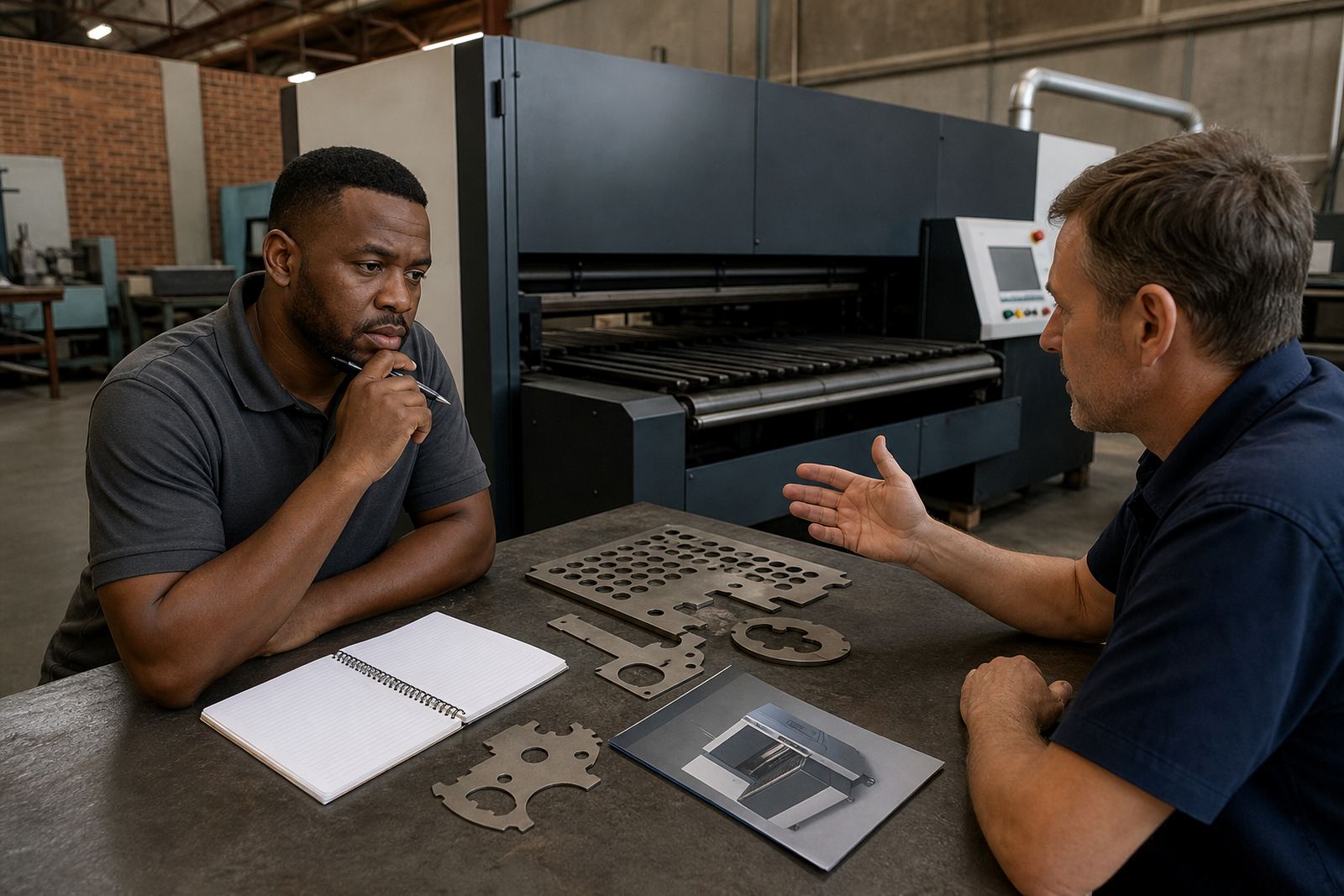
If you are choosing between process routes, look for articles that focus on part type, output volume and operator skill level. That way the machine choice fits the real work, not just the brochure description. Our aim is to give you practical guidance you can use before you send an enquiry through the contact page.
Who this journal is for
This hub is for South African manufacturers, fabricators and workshop managers who want cleaner edges, safer handling and steadier production. It is especially useful for teams working with laser-cut sheet metal, where finish quality affects bending, welding and final fit. If your shop is trying to reduce hand finishing, improve consistency or plan maintenance better, the articles here will give you a useful starting point.
From Wadeville Support and Germiston Support through to Johannesburg Demos, Pretoria Demos, Durban Demos, Cape Town Demos, Rustenburg Support and East Rand Support, our focus stays on practical shop-floor results. The journal is there to help you choose the right next step, whether that is a machine audit, sample part testing or a more efficient finishing process.