

How to choose the right deburring machine
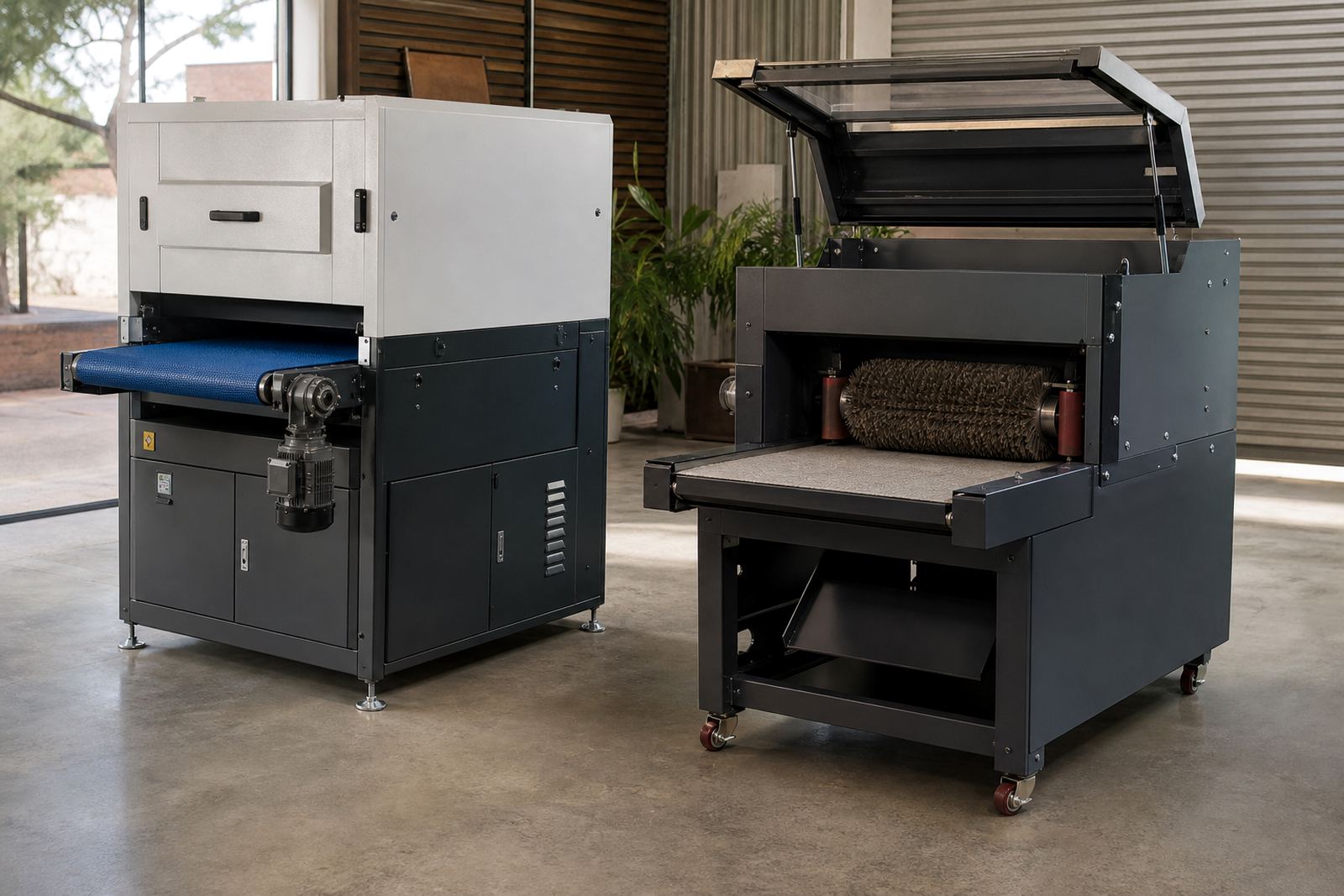
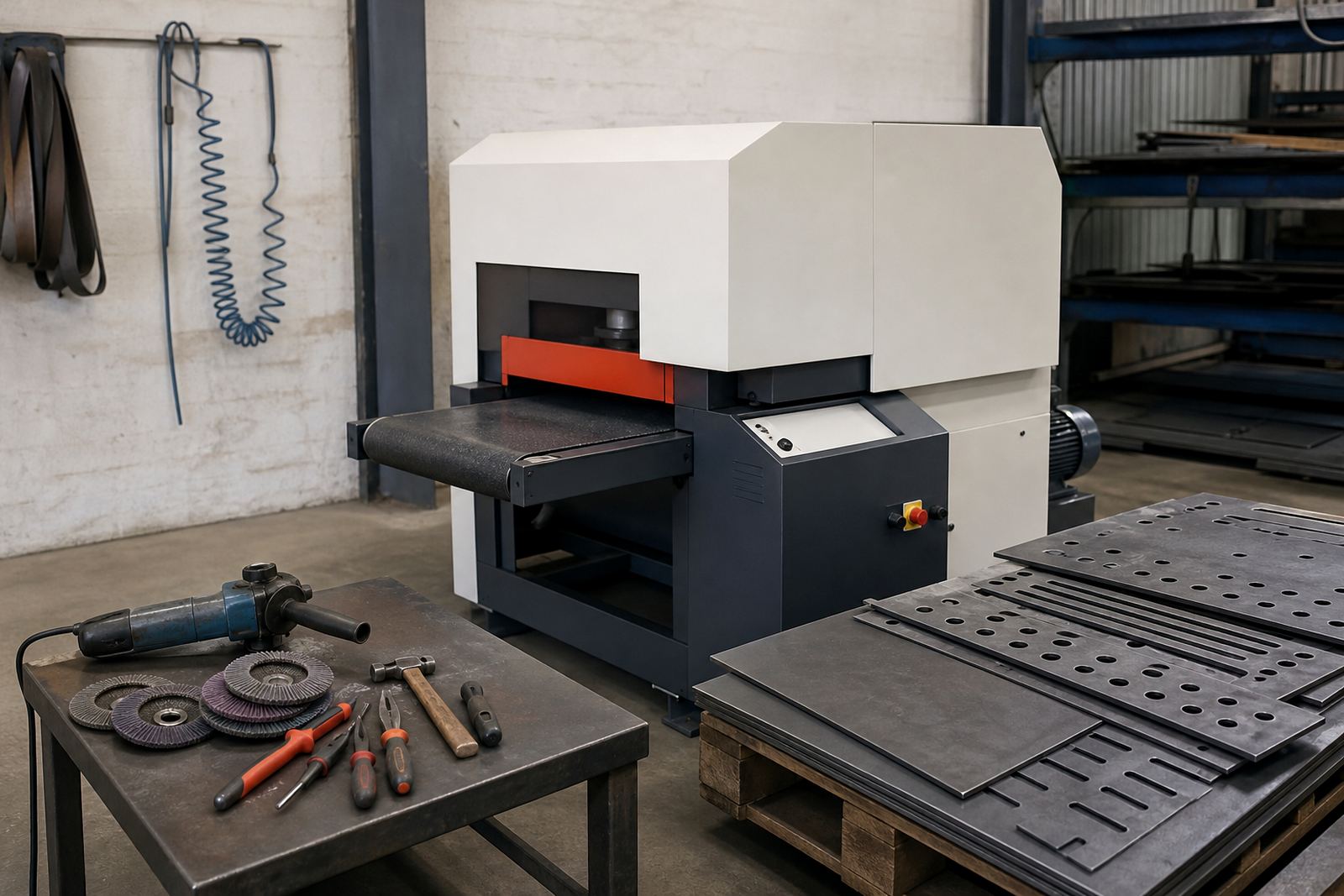
Not every workshop needs the same setup. Start with your cut volume, sheet sizes, material mix and the finish you need at the end of the line. A light fabrication shop in Wadeville may need a compact machine for short runs, while a high-volume plant in Johannesburg or Durban may need wider working capacity and steadier throughput.
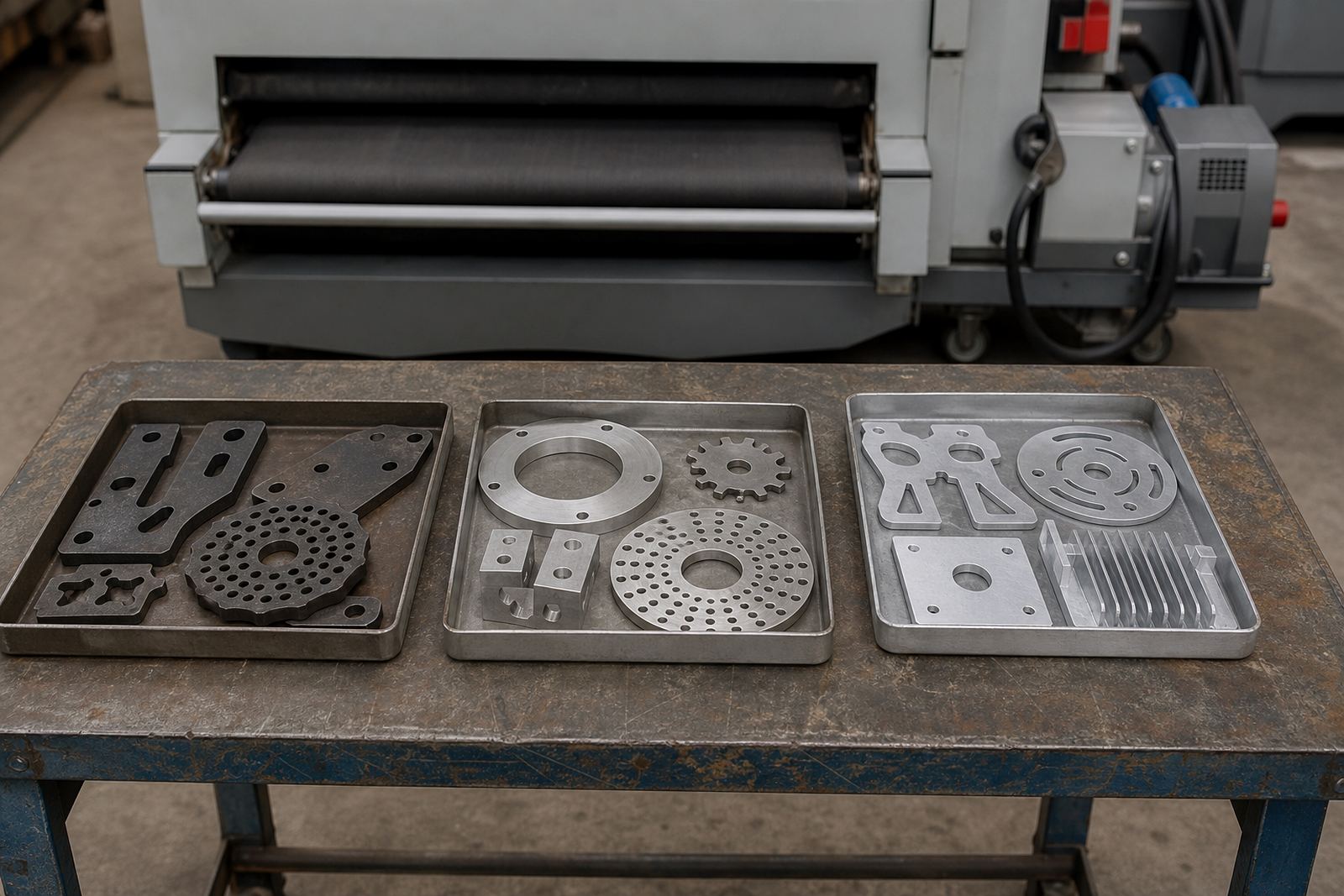
Look at the burr size left by your laser, the amount of edge rounding you want, and whether your parts need oxide removal before coating or welding. If your team handles mild steel, stainless steel and aluminium on the same floor, it helps to choose a machine that can be adjusted quickly between jobs. That saves time and reduces rework.
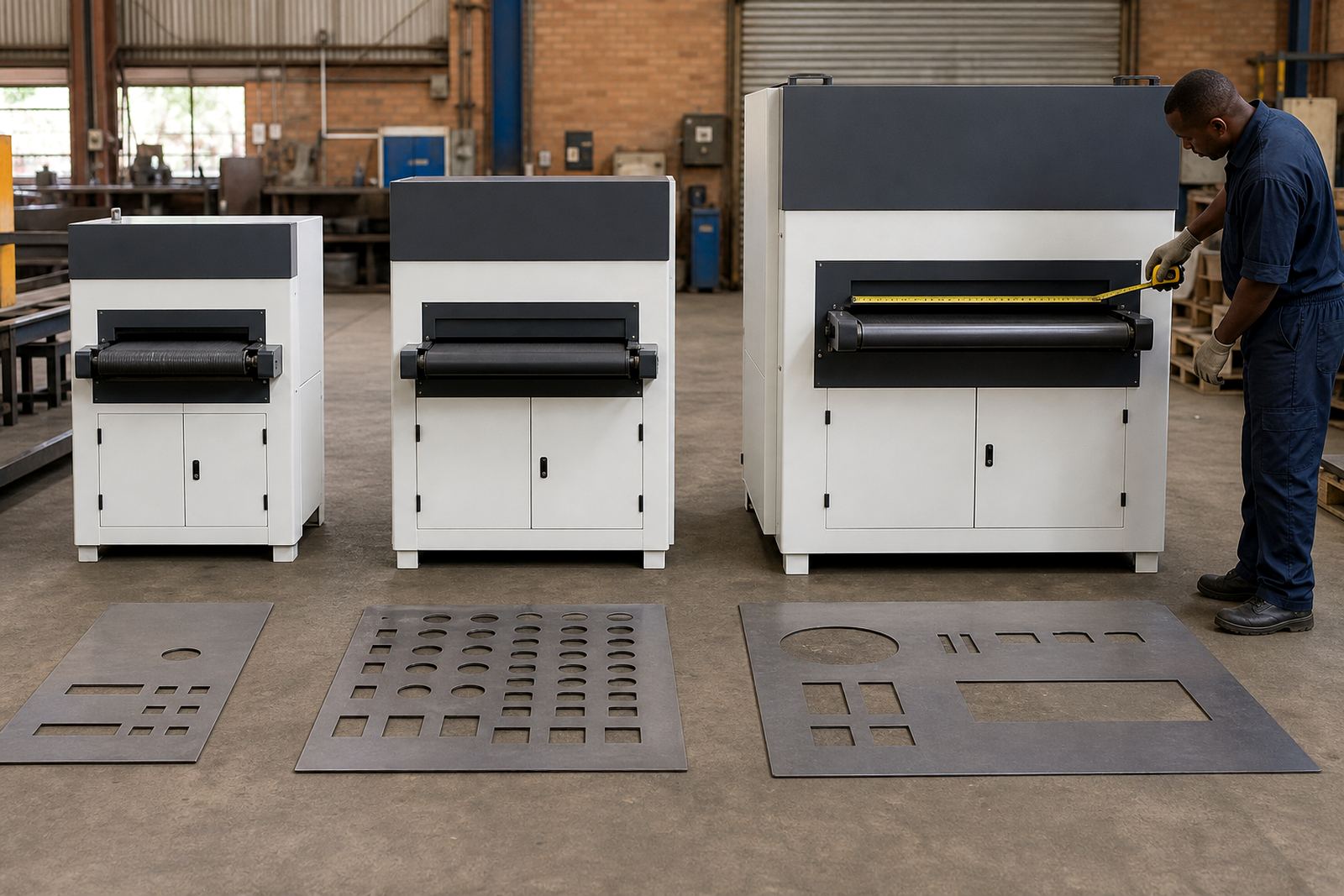
- Match the machine width to your largest regular sheet size.
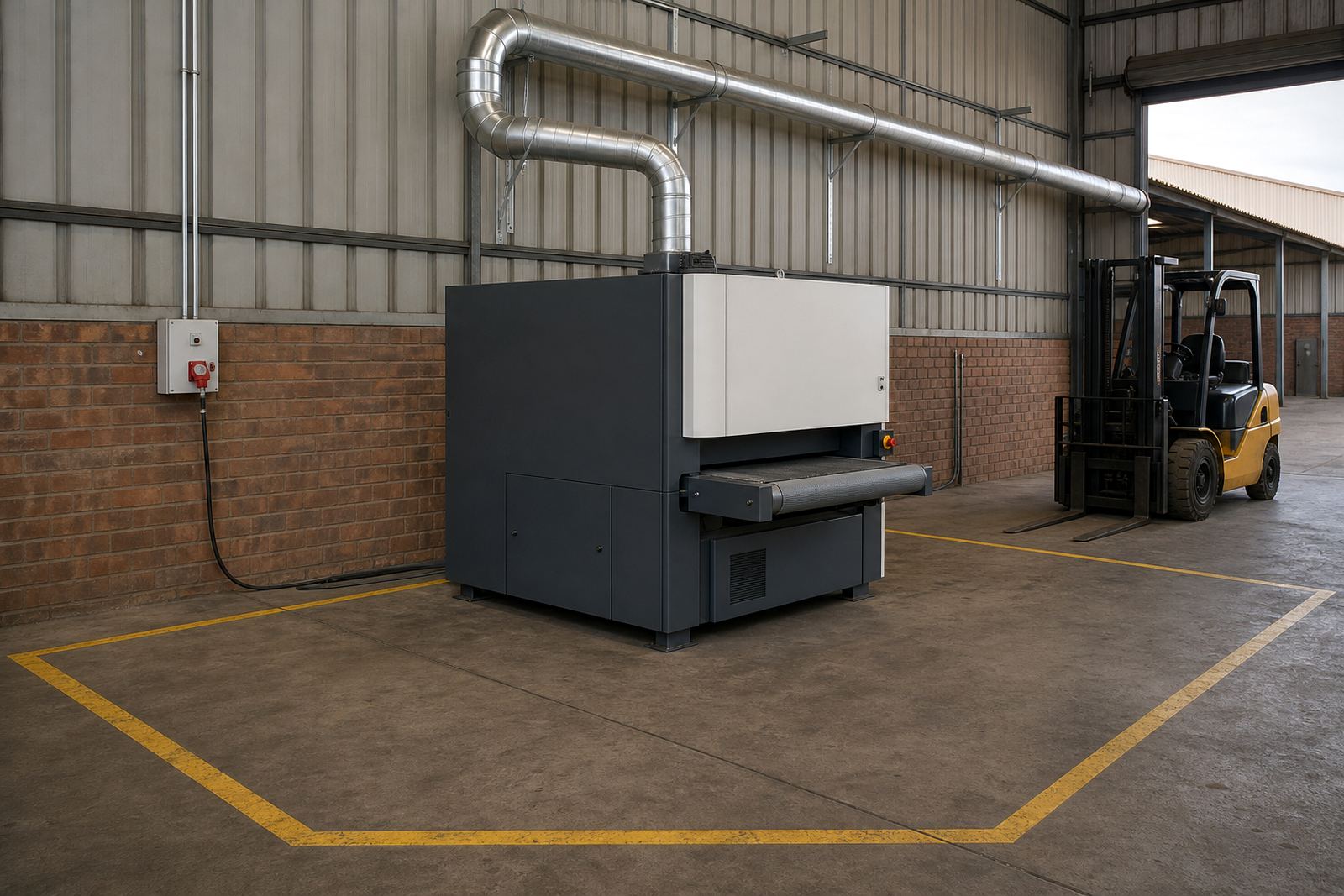
- Check the floor space, infeed and outfeed clearance before ordering.
- Ask how the machine copes with different burr heights and thin material.
- Plan for power stability if your site is affected by load-shedding.
What clean edge finishing should look like
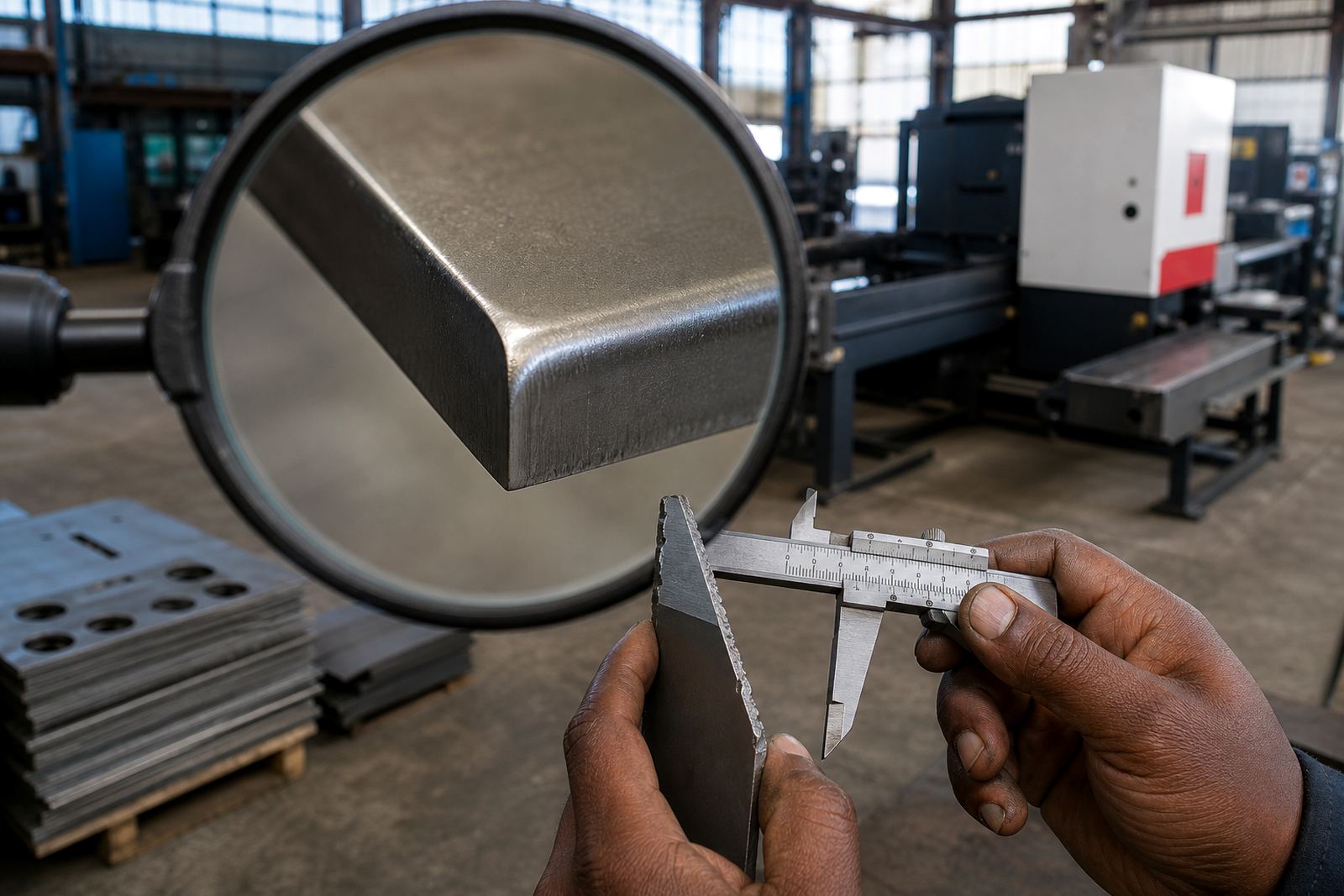
Good edge finishing is not only about appearance. Clean edges reduce handling injuries, improve fit-up, and help downstream processes such as powder coating, welding and assembly. On laser-cut parts, the aim is a consistent edge that can move from cutting to finishing without extra manual grinding.
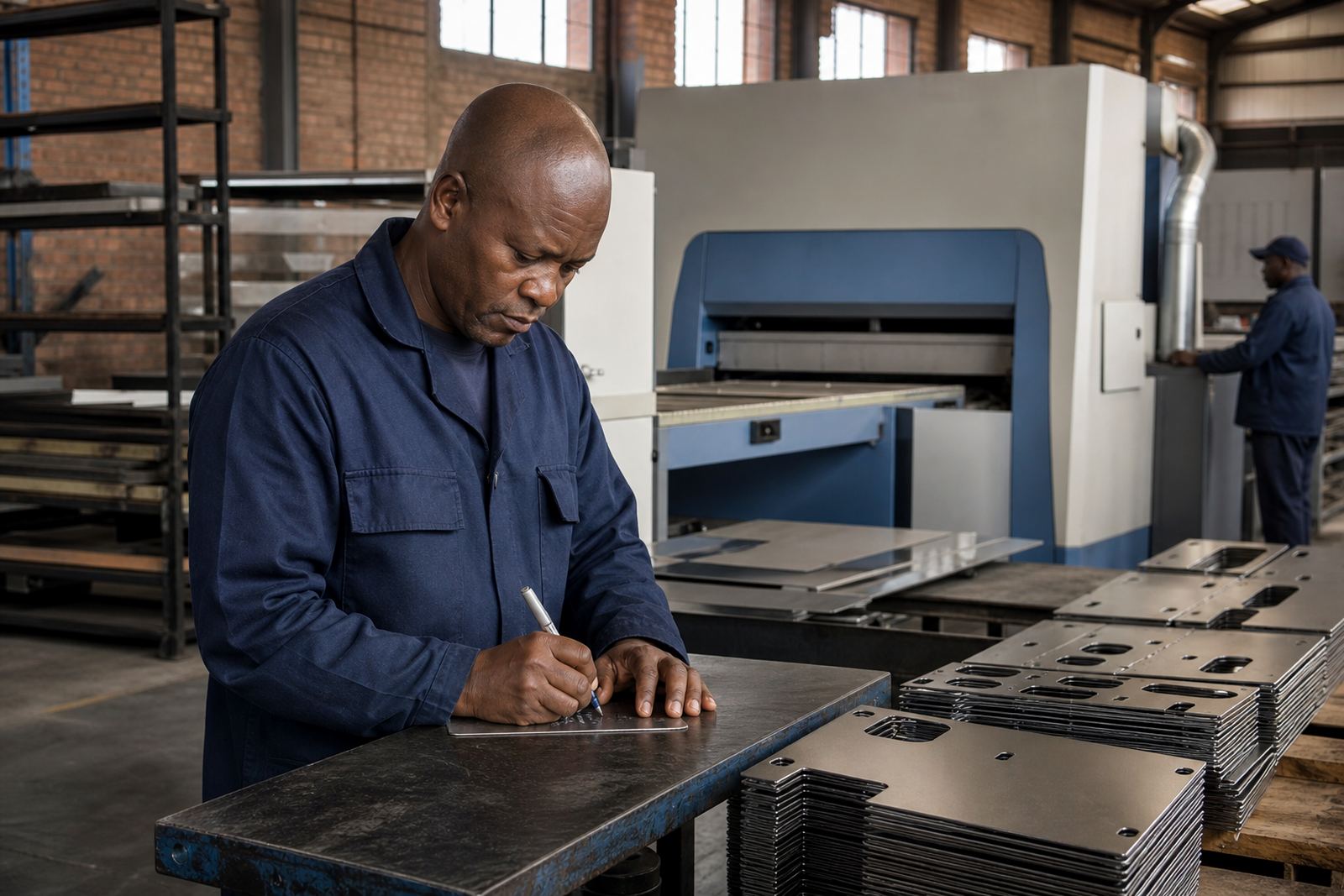
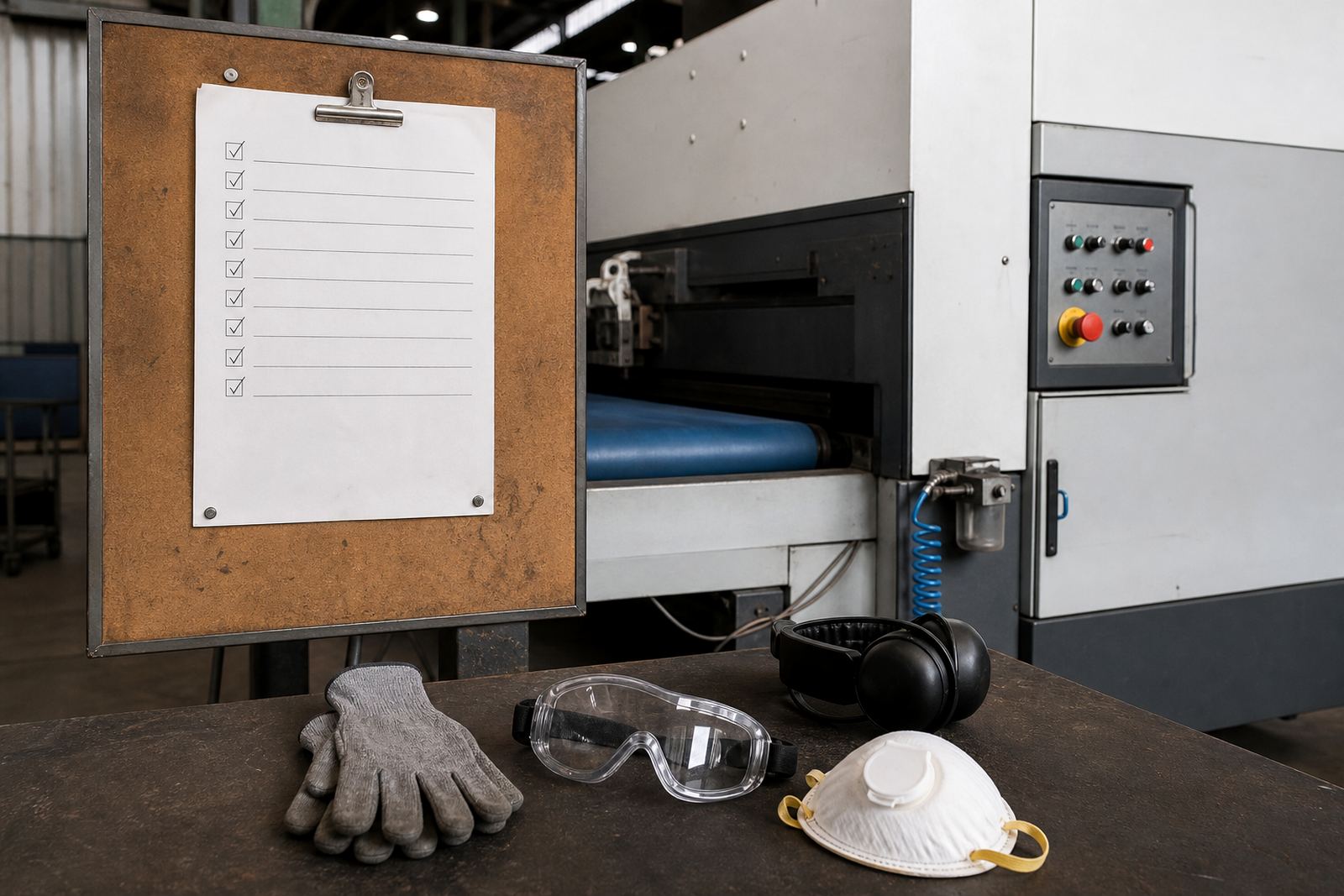
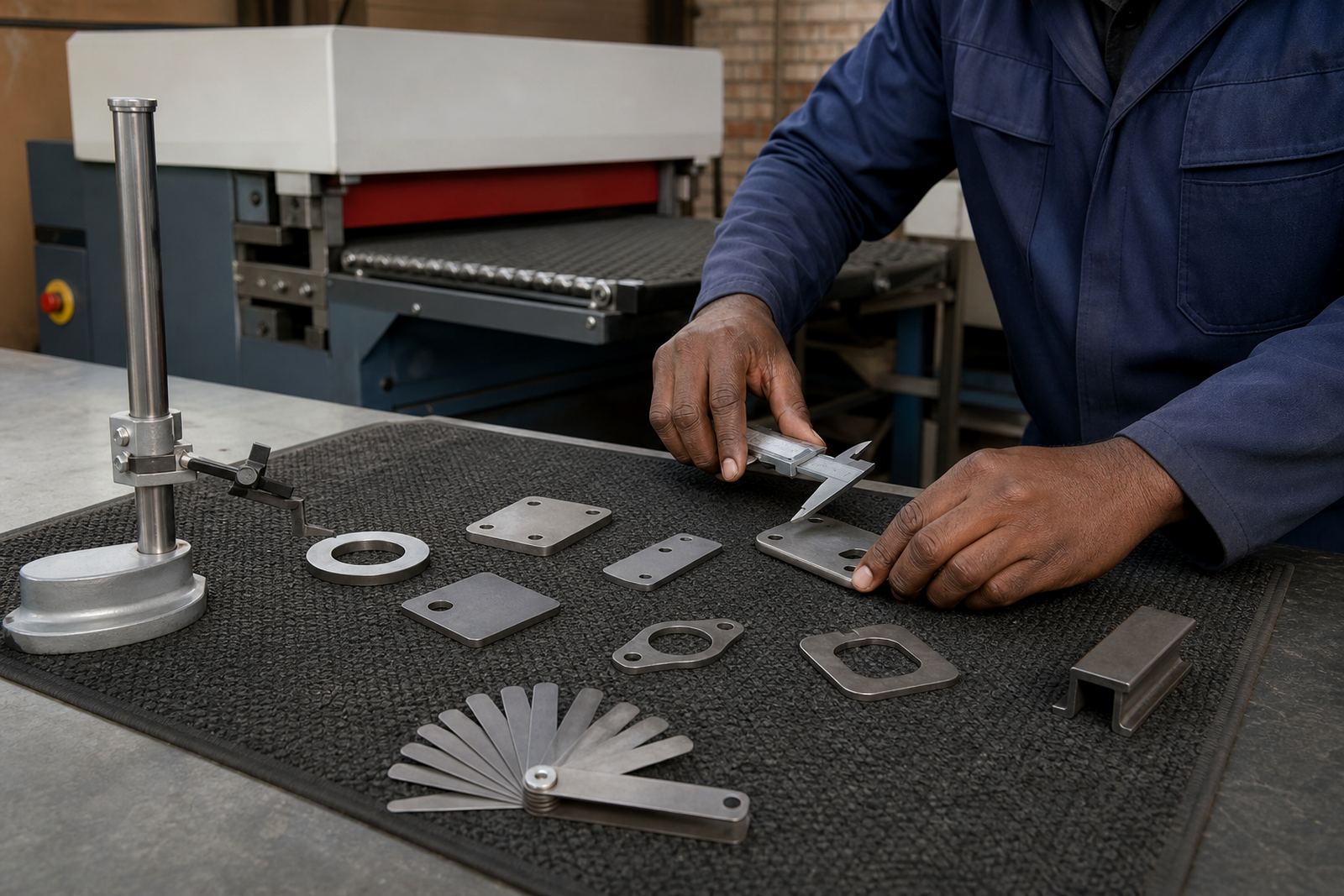
On the shop floor, quality checks should be simple. Operators need a clear standard for burr height, edge condition and surface marks. If your parts go to coastal customers in places like Durban or Cape Town, a cleaner edge also helps with corrosion control because coatings and primers bond better to a properly prepared surface. Small problems can spread fast across a batch, so it pays to check the first few parts carefully.
Maintenance habits that protect production time
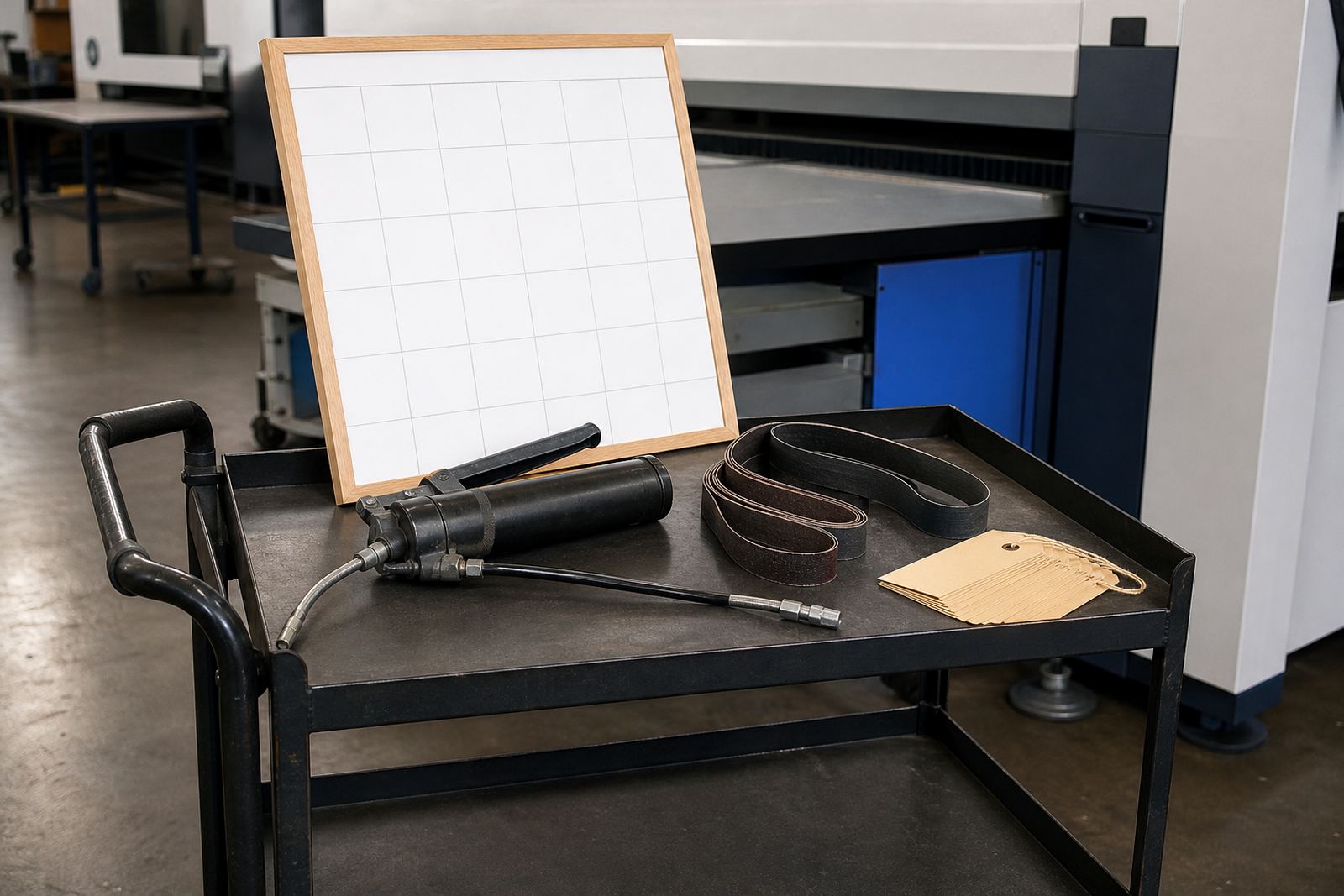
Deburring machines work best when they are kept clean and set up correctly. Dust, swarf and abrasive wear can affect finish quality and put strain on motors, rollers and conveyors. A daily wipe down and a weekly inspection can prevent unexpected stoppages, especially in busy months when orders are tight.
Maintenance should be planned around actual production, not left until a fault appears. Many South African workshops have limited backup time during outages or municipal interruptions, so the machine must be ready when power returns. Keep spare consumables on site and record when parts were changed. That makes it easier to spot wear patterns before they cause scrap.
- Inspect abrasive condition before every shift.
- Check belts, rollers and guards for buildup or damage.
- Keep a log of service dates and part replacements.
- Train operators to report noise, vibration or finish changes early.
Planning workflow around the finishing line
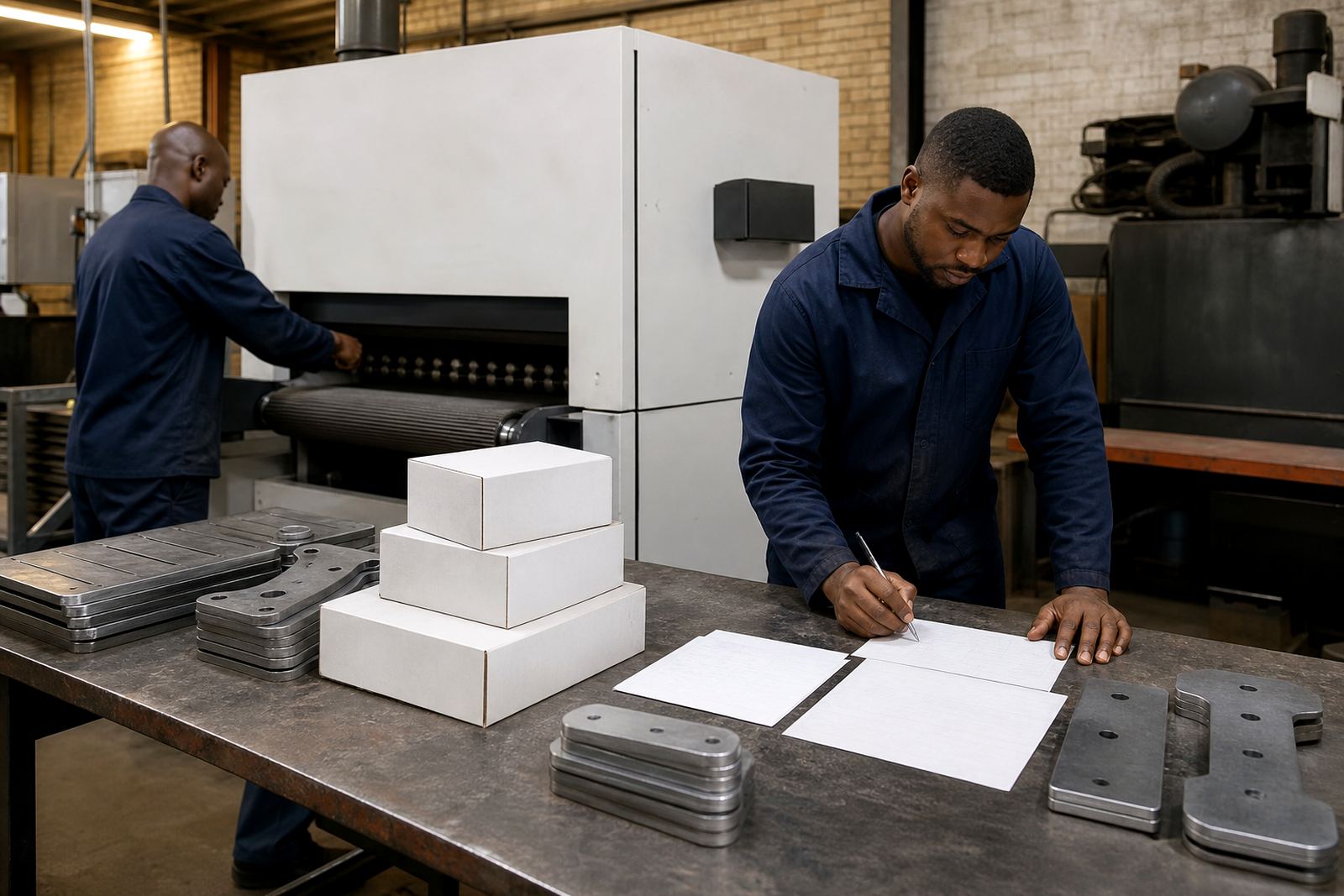
A deburring machine should fit the way your workshop already moves material. Think about where laser-cut parts land, how they are sorted, and where they go next. If parts are stacked too tightly before finishing, crews waste time separating them and handling damage goes up. Good layout planning keeps flow steady from cutting to finishing to packing.
Supervisors should also consider batch size. A small job with many part changes may need a flexible process, while a repetitive production run benefits from stable settings and fewer interruptions. In Gauteng plants, where floor space can be limited, a practical layout can make the difference between an efficient line and one that keeps backing up.
Questions buyers should ask before they commit
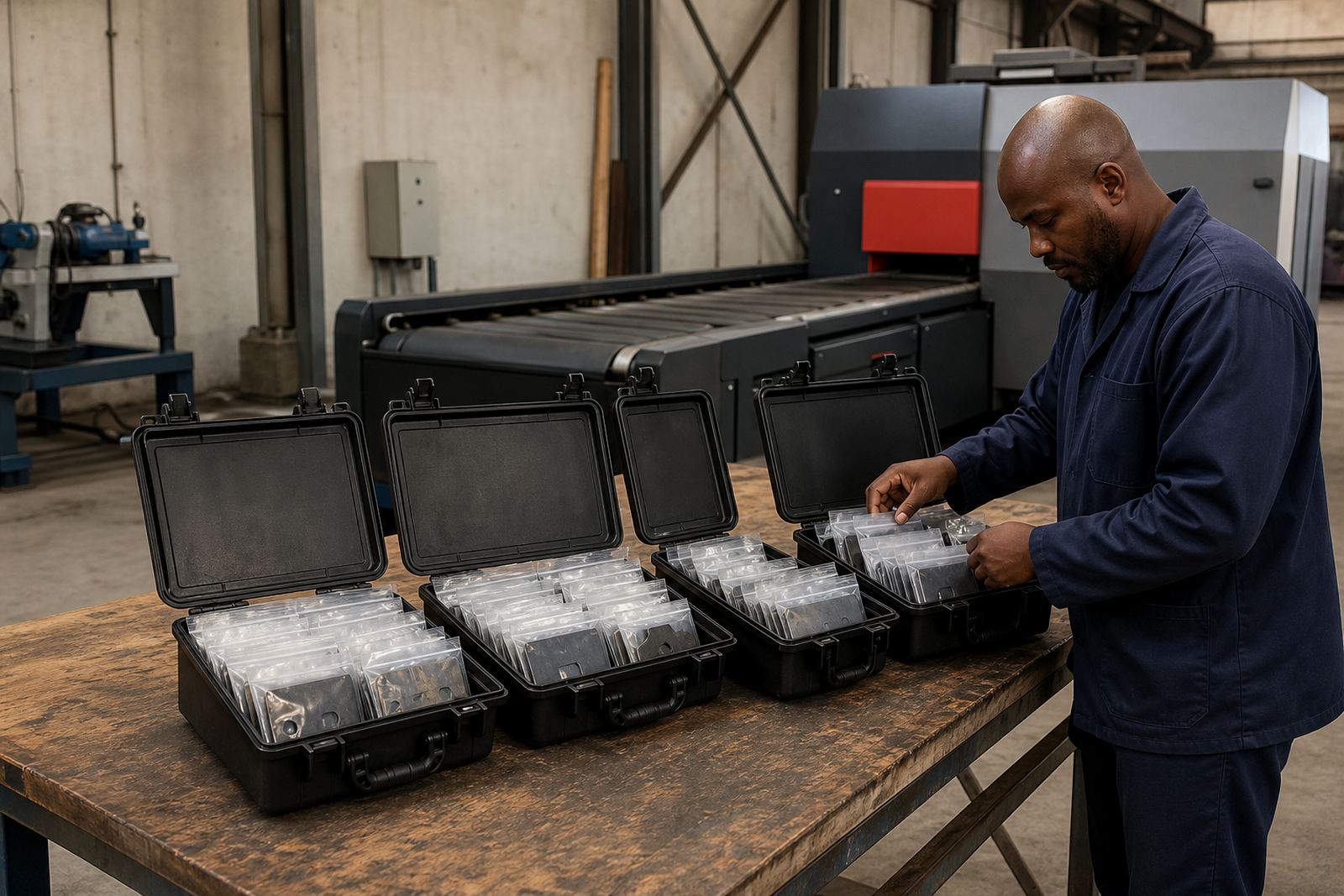
Before choosing a machine, ask direct questions about capacity, support and changeover time. The answers will tell you whether the machine suits your workload now and in the months ahead. It is better to test a sample part than rely on a brochure claim.
- What thickness range can the machine handle day to day?
- How quickly can settings be changed between jobs?
- What support is available for installation, training and breakdown repairs?
- Can sample parts be tested before purchase?
- What spares and consumables should be kept in store?
For factories across South Africa, from Pretoria to Rustenburg, local support matters because downtime is costly. A machine that is simple to maintain and easy to train on usually gives better value over time than a system that needs constant intervention.
Using these guides with your team
These guides are written for people who need practical answers, not theory. Buyers can use them to compare options, supervisors can use them to plan output and operators can use them to spot problems earlier. When the whole team follows the same standard, part quality becomes more consistent and production becomes easier to manage.
If you are reviewing a new line, updating an older workshop, or sorting out recurring edge issues, use the guides as a starting point and then test the process with your own parts. A short sample test often shows what the real workflow will need, and it can save a lot of time later on.