

Sheet Metal Fabrication and Jobbing Shops
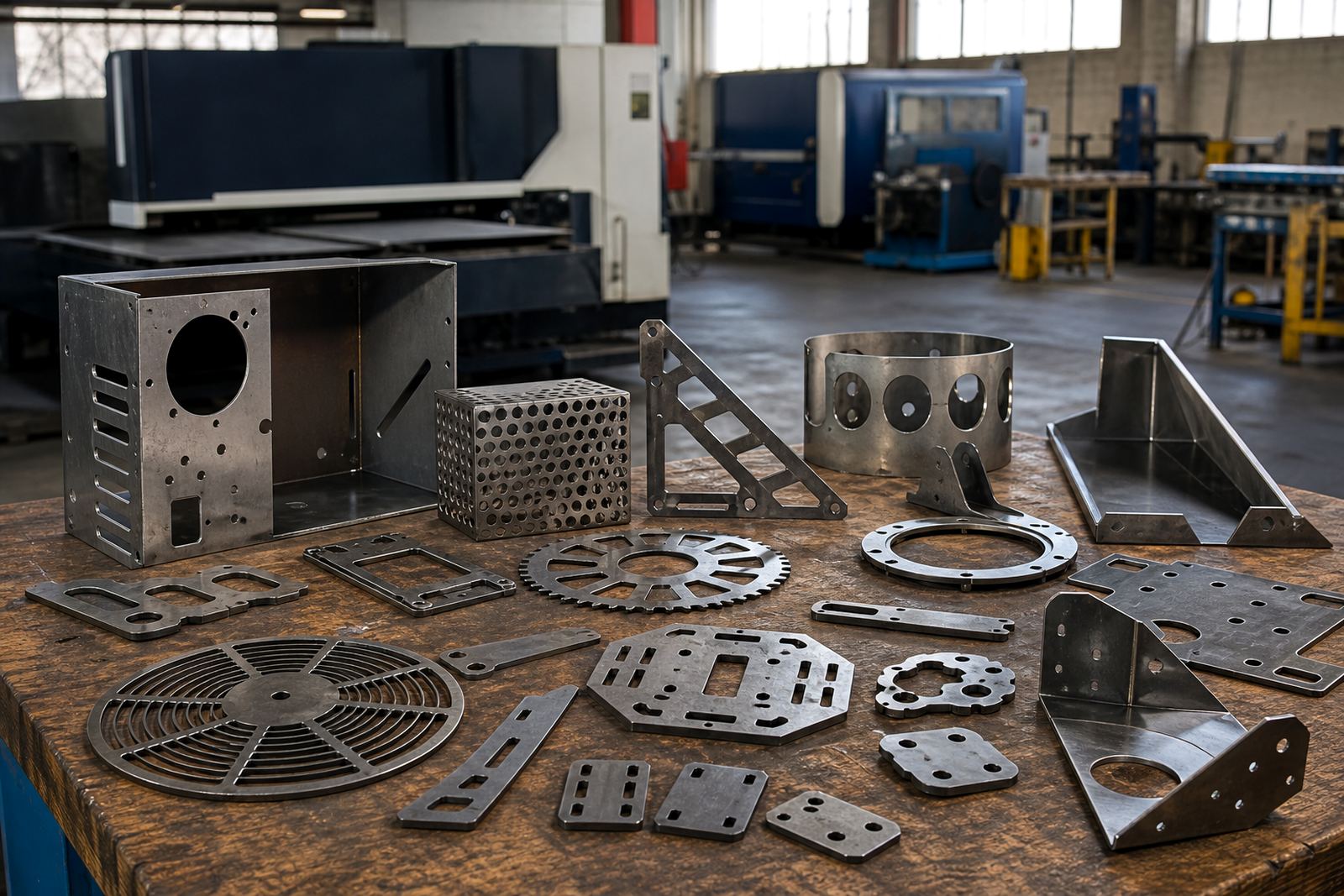
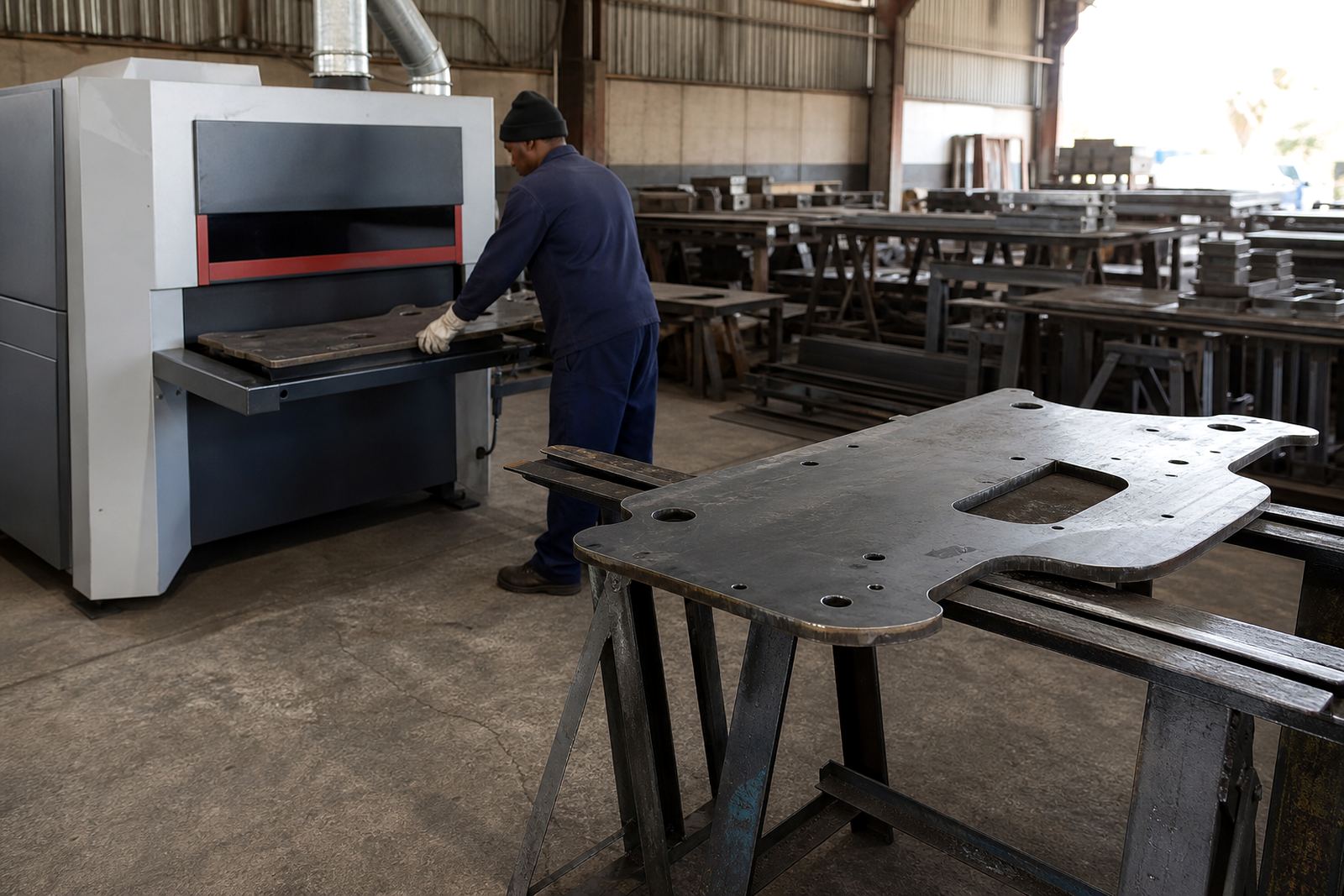
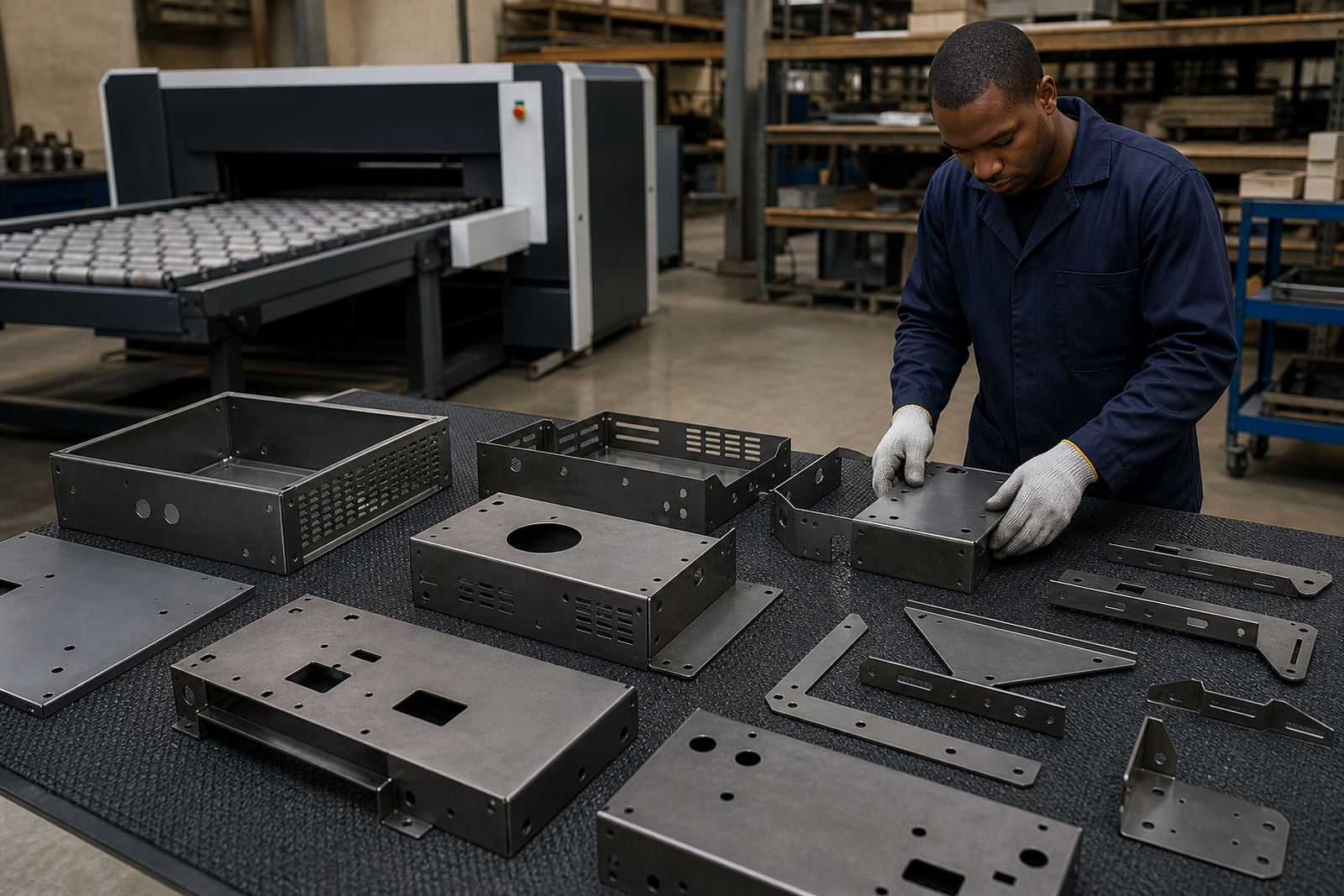
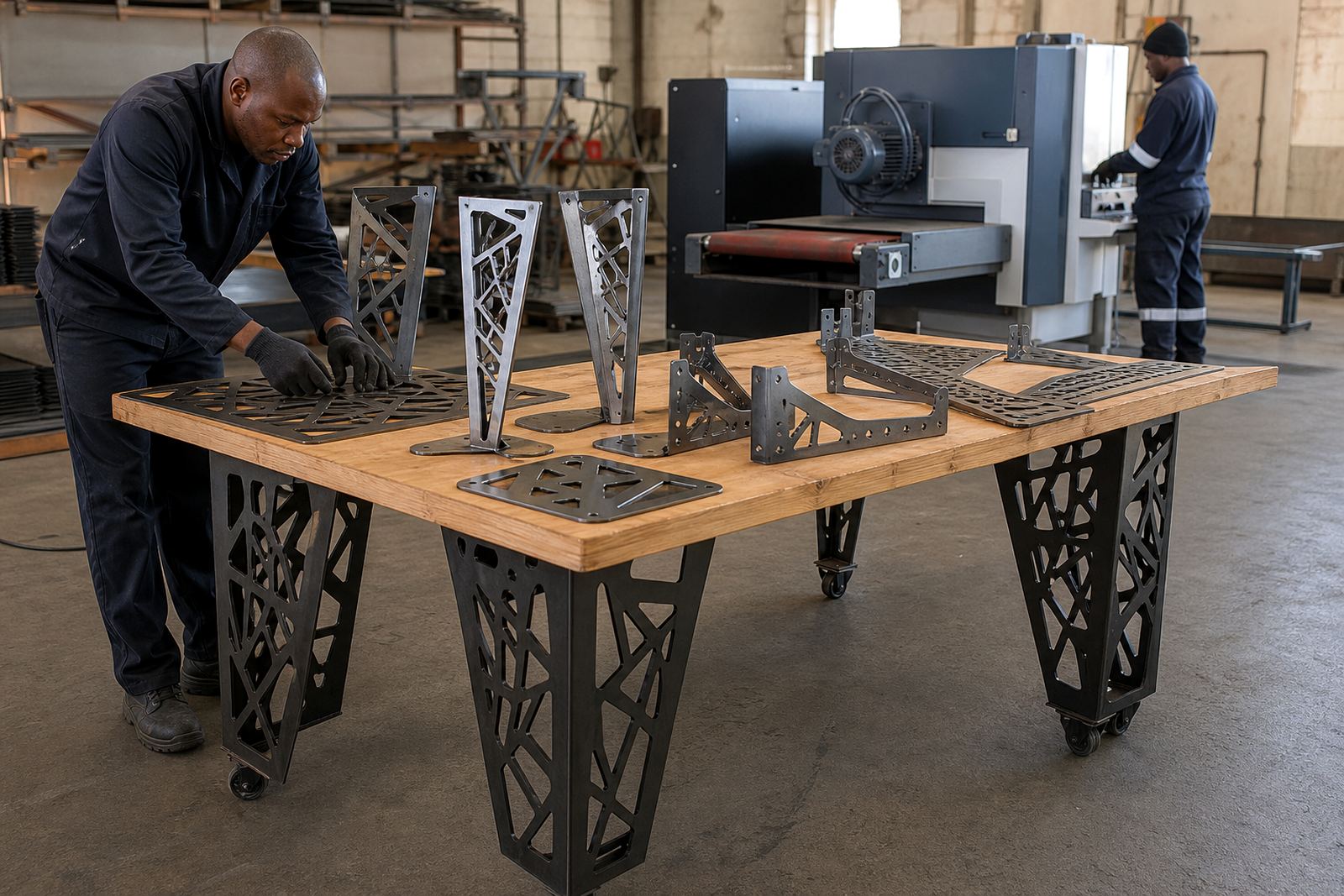
Fabricators working with laser-cut sheet metal need clean edges before folding, welding, powder coating or assembly. In a busy shop, one rough burr can slow down fitting, scratch finished parts or hold up the next operation, so the right machine helps keep work moving.
We support fabricators in Wadeville, Germiston and across Johannesburg, Pretoria, Durban, Cape Town and Rustenburg. For jobbing work, the main goal is consistency across different part sizes, steel grades and cut qualities.
- Removes sharp edges from flat sheet parts before handling
- Improves fit-up for folding and welding
- Helps reduce hand finishing and rework
- Supports repeatable edge quality on mixed batches
Cabinet, Enclosure and Panel Manufacturers
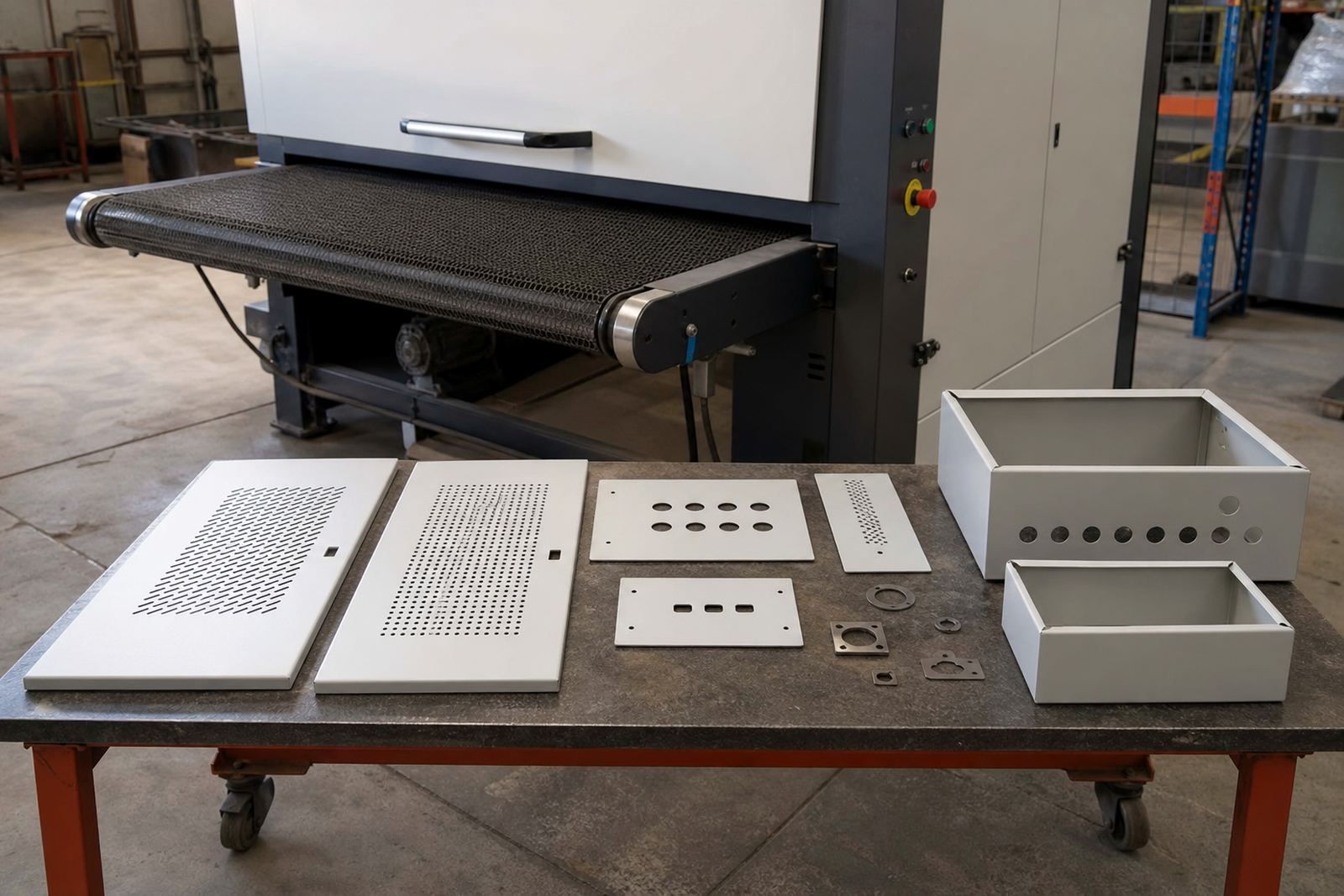
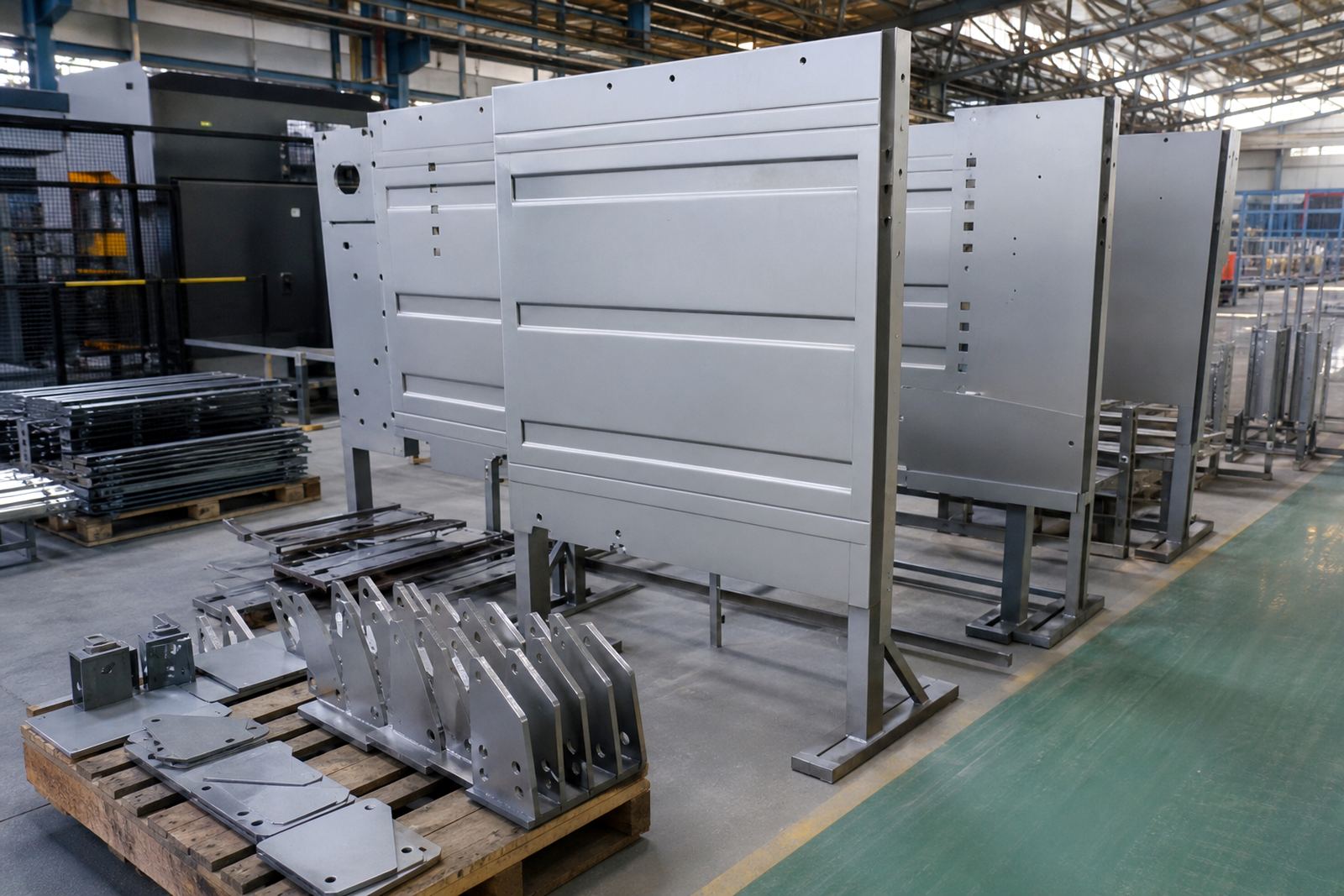
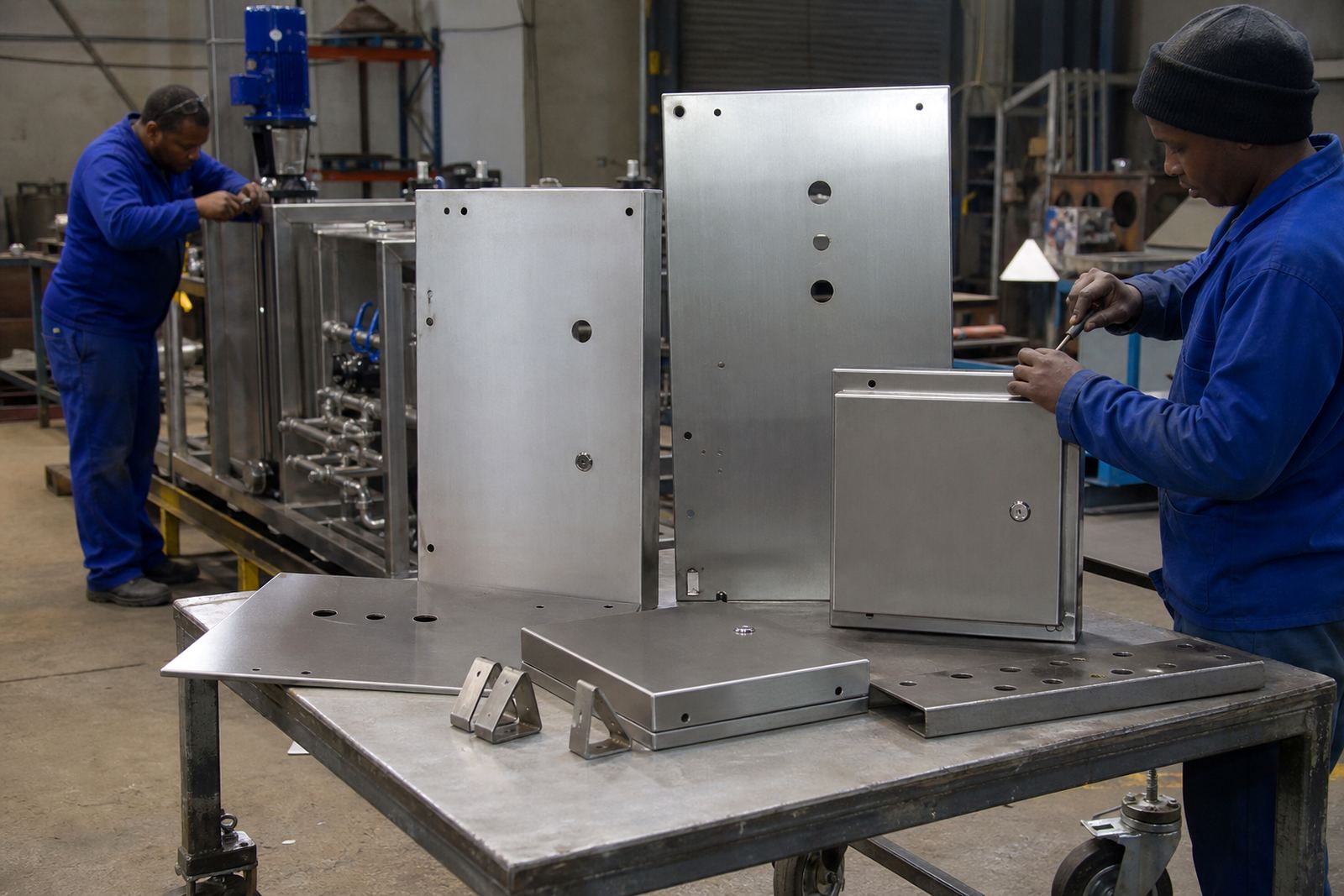
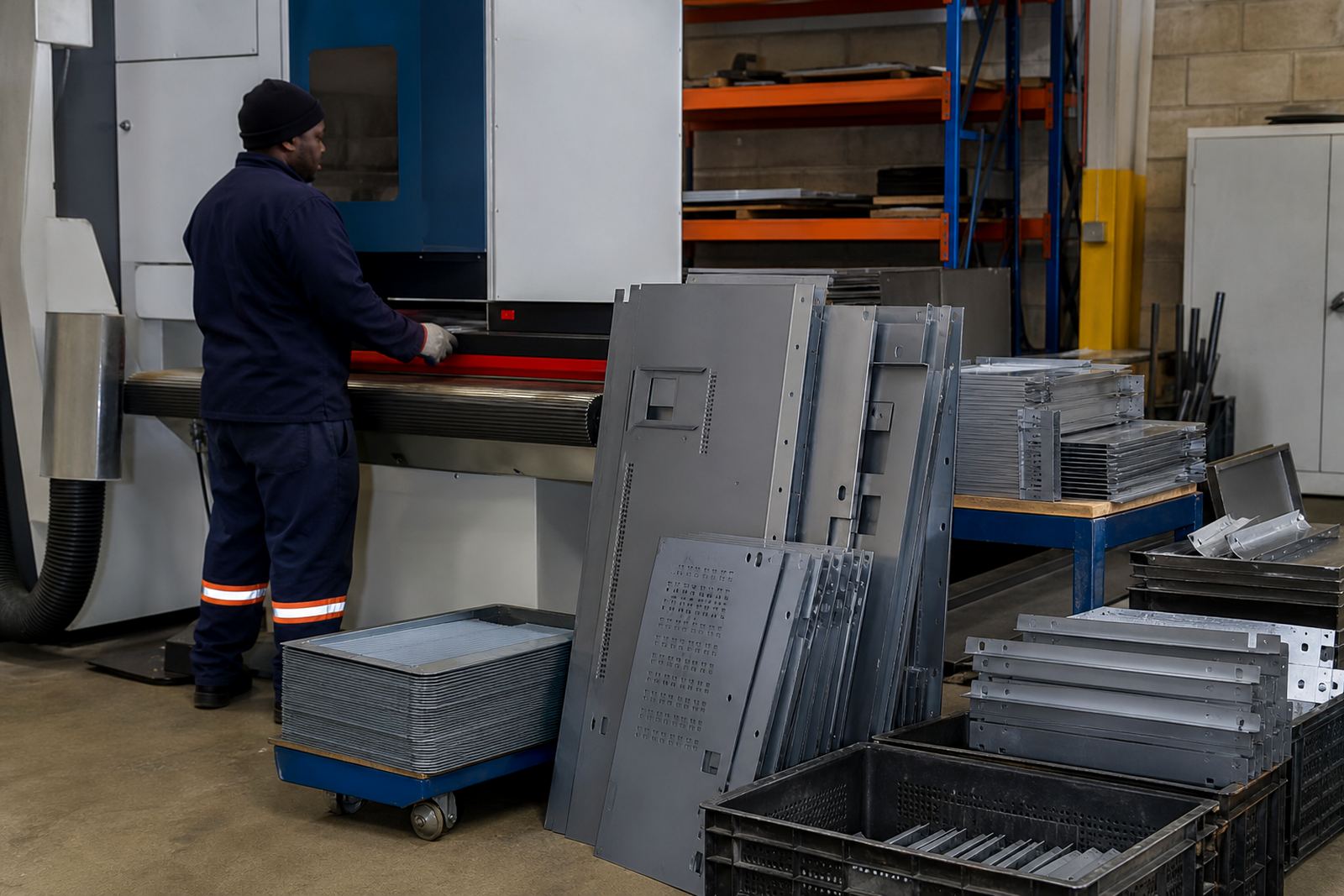
Electrical enclosures, control panels and metal cabinets often need neat edges because staff handle the parts frequently and fit-up must stay accurate. Clean edge finishing also helps when parts move through coating, gasket fitting or assembly with tight tolerances.
For this work, many teams want predictable output from operators of different skill levels. A properly matched machine can help standardise the process and reduce the chance of scratches or burr related delays.
- Suitable for thin gauge laser-cut parts
- Helps protect hands during assembly and packing
- Supports better coating preparation
- Useful where part appearance matters as much as function
Agricultural Equipment and General Metal Fabrication
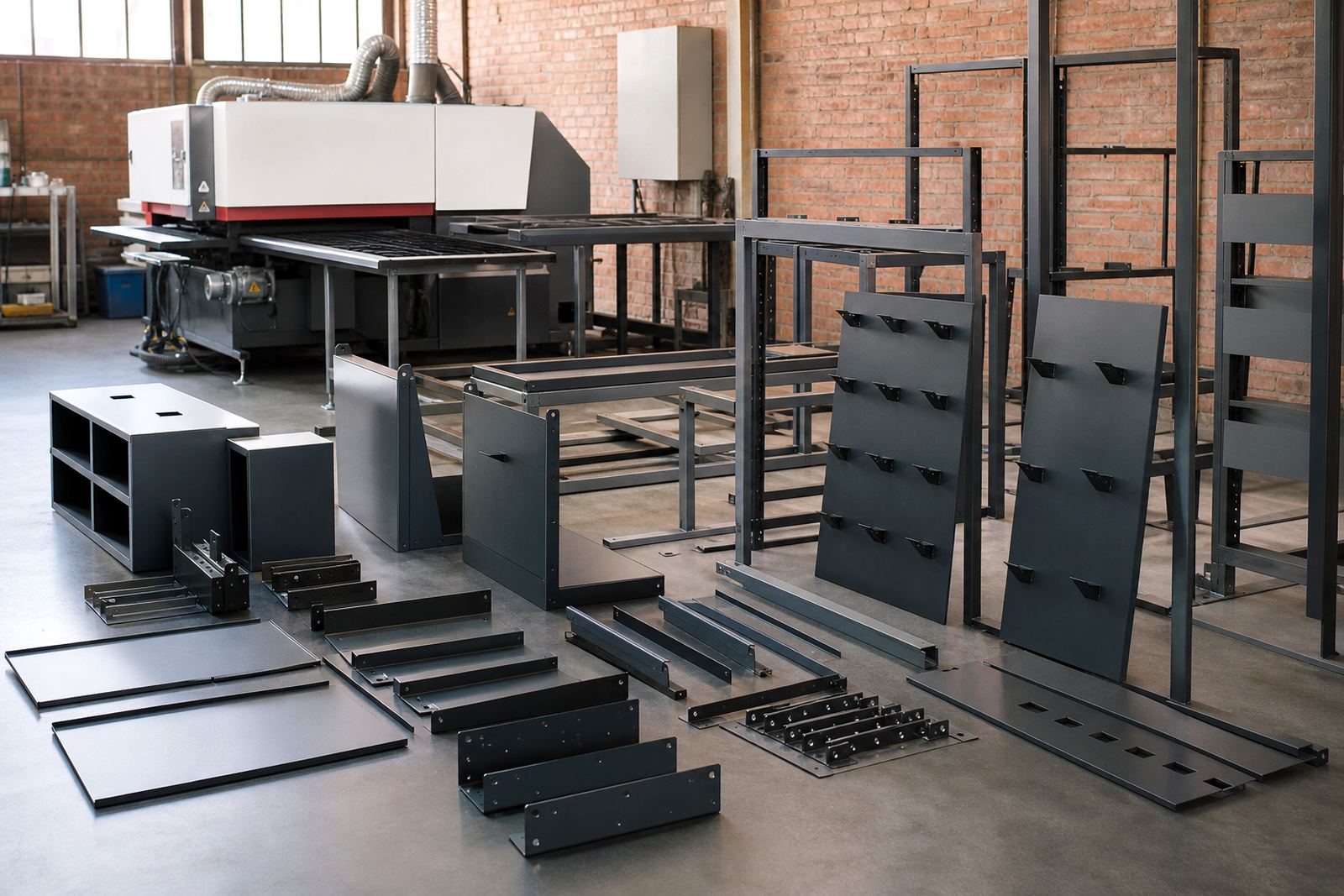
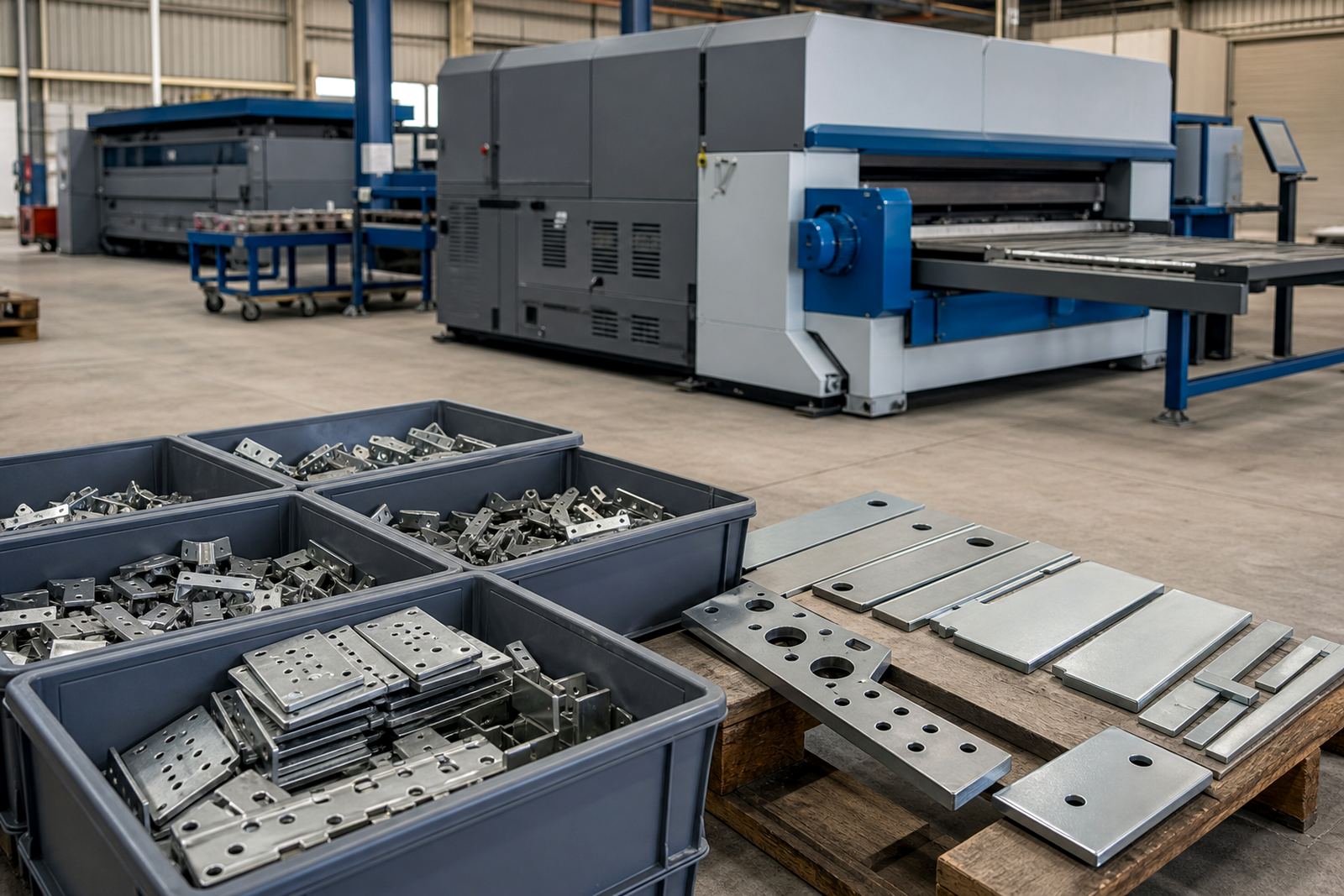
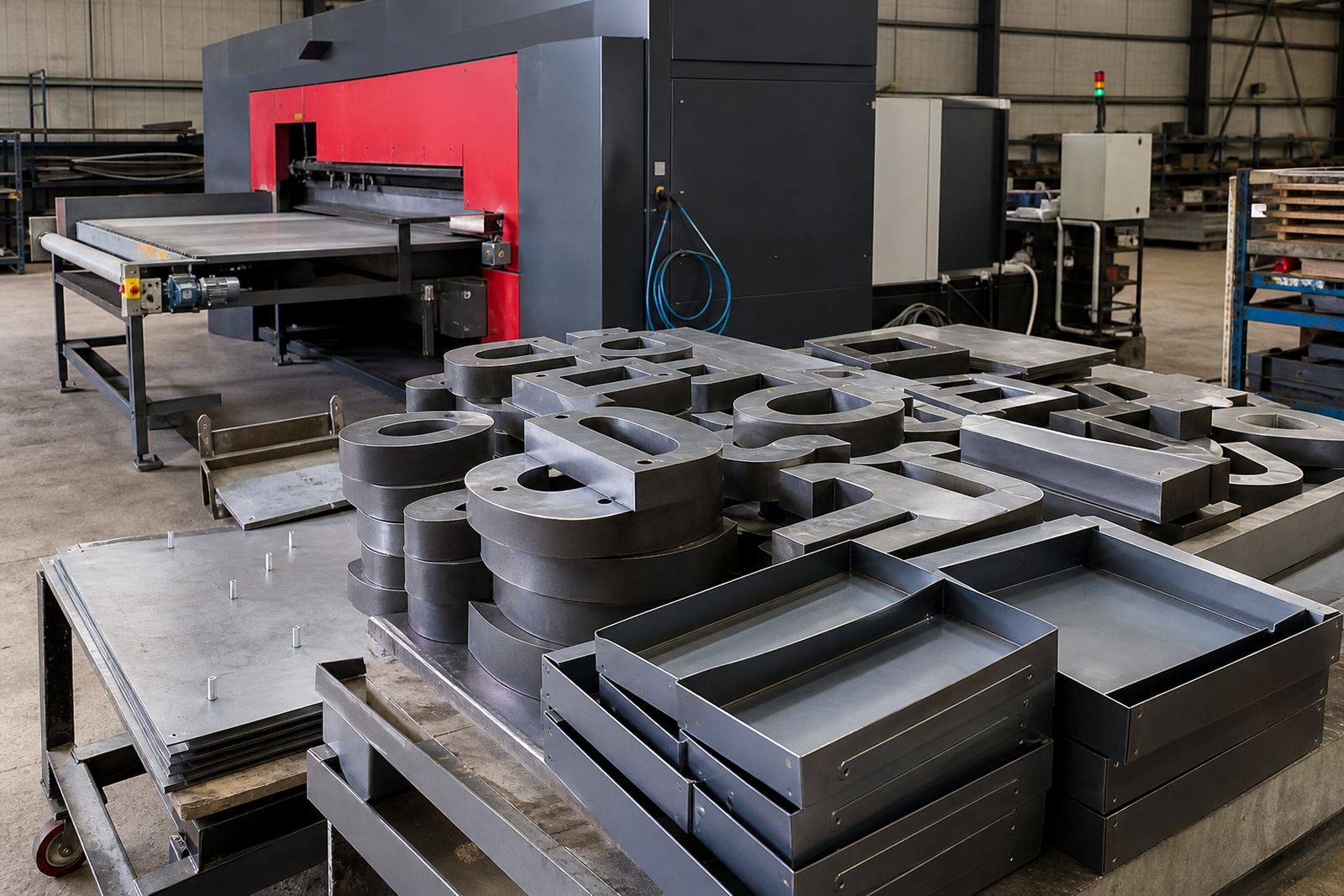
Agricultural manufacturers and general fabricators often deal with mixed production, from small brackets to larger structural parts. These workshops usually need equipment that can cope with volume changes, dust, long shifts and the odd load-shedding interruption without making the process too complicated.
Edge-finishing machines help after laser cutting by taking care of sharp edges before parts go to welding bays, assembly lines or dispatch. In rural supply chains, that can save time on site and lower the chance of damaged parts in transit.
- Useful for brackets, plates, guards and mounting parts
- Supports mixed material types and batch sizes
- Helps reduce manual grinding, which is slower and less consistent
- Can assist with safer handling in busy workshop environments
Stainless, Mild Steel and Aluminium Parts
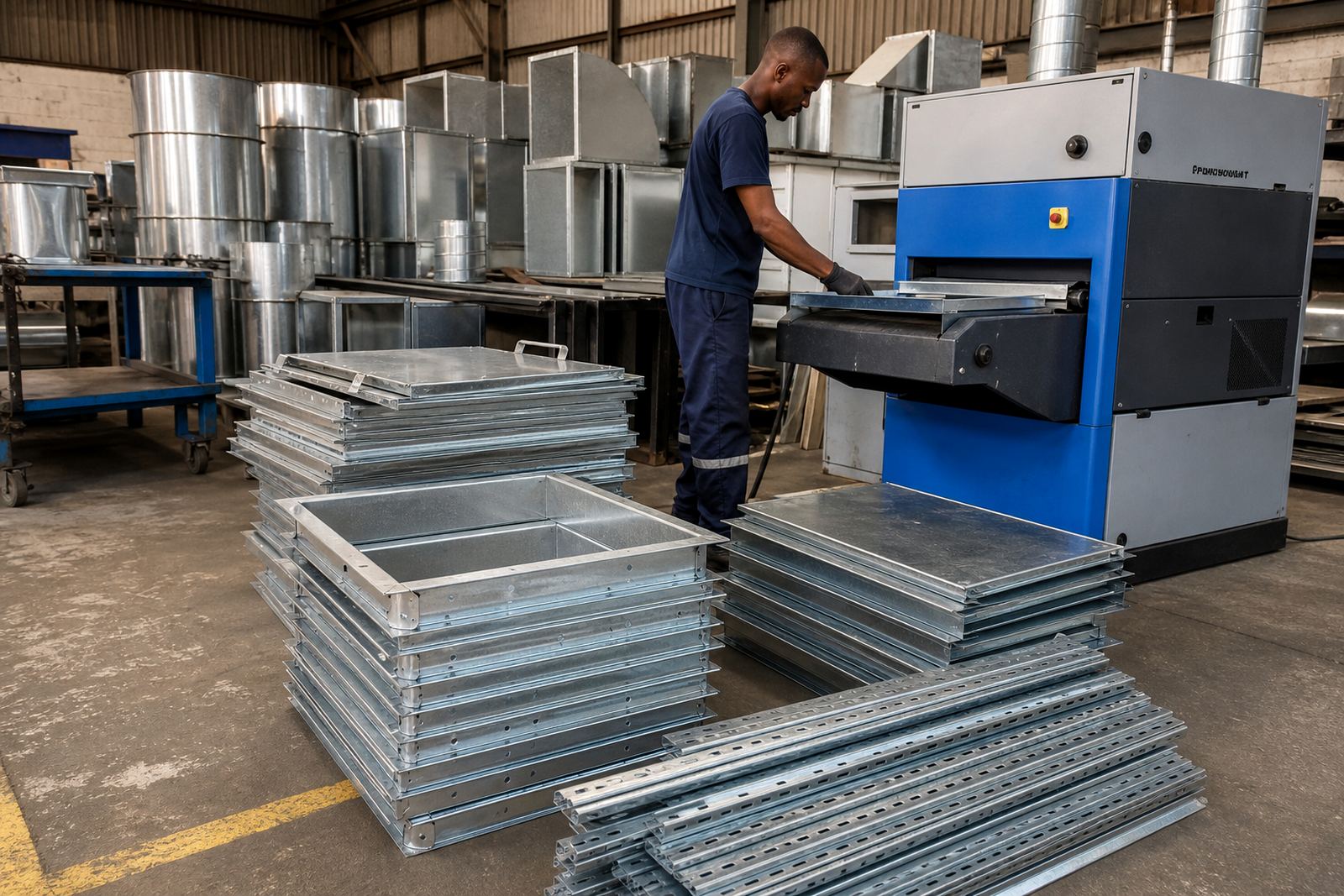
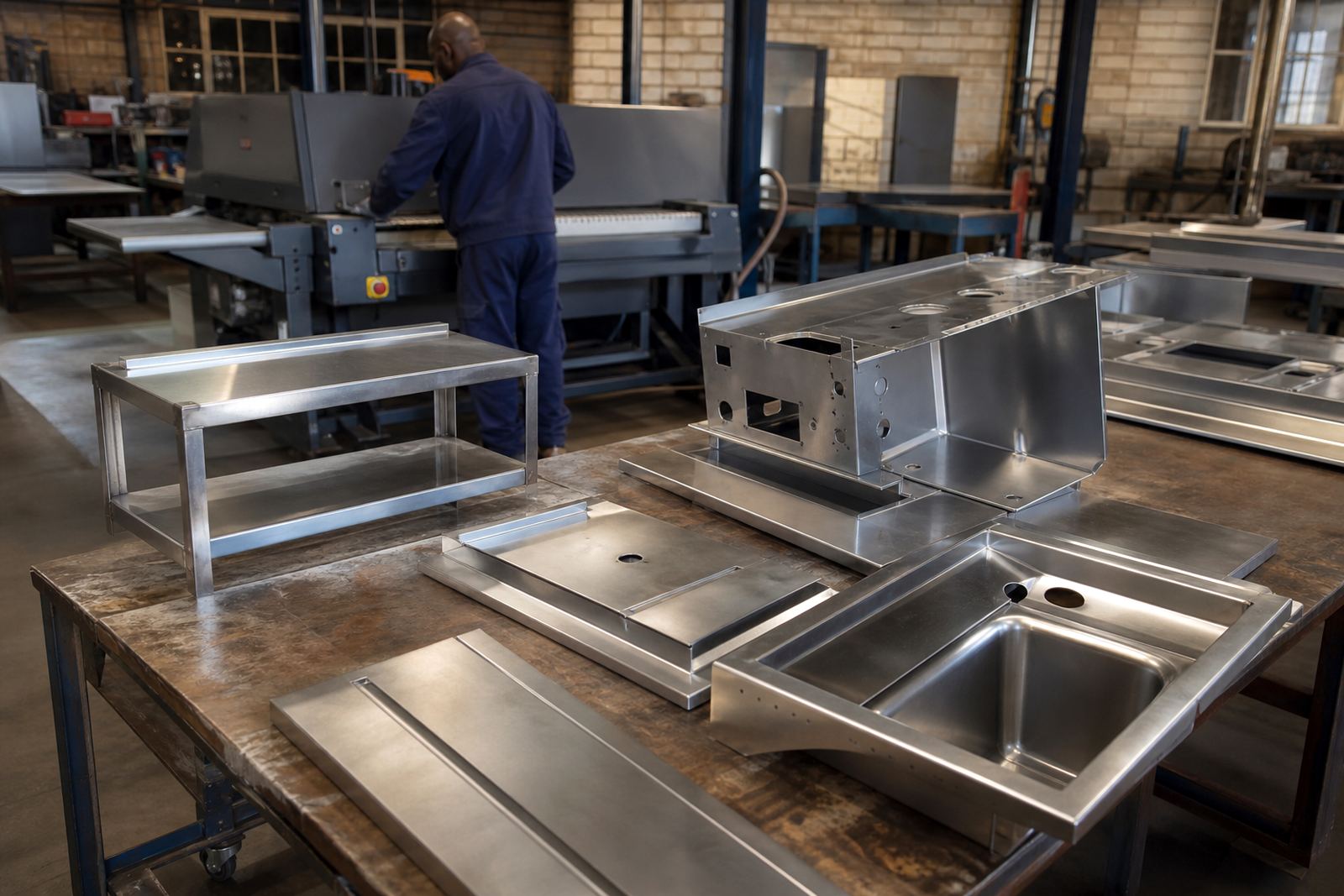
Different metals behave differently after laser cutting. Stainless steel may show heat tint and fine burrs, mild steel can leave heavier edge residue, and aluminium often needs careful handling to avoid marking. Choosing the right setup starts with understanding the material, part size and finish required.
We help clients test sample parts so they can see how the machine handles their actual work. That practical step matters, because a finish that suits one product range may not suit another.
Common factors we look at include:
- Material type and thickness
- Part geometry and edge access
- Required surface finish before coating or welding
- Handling method between laser cutting and final assembly
High Volume Production Lines
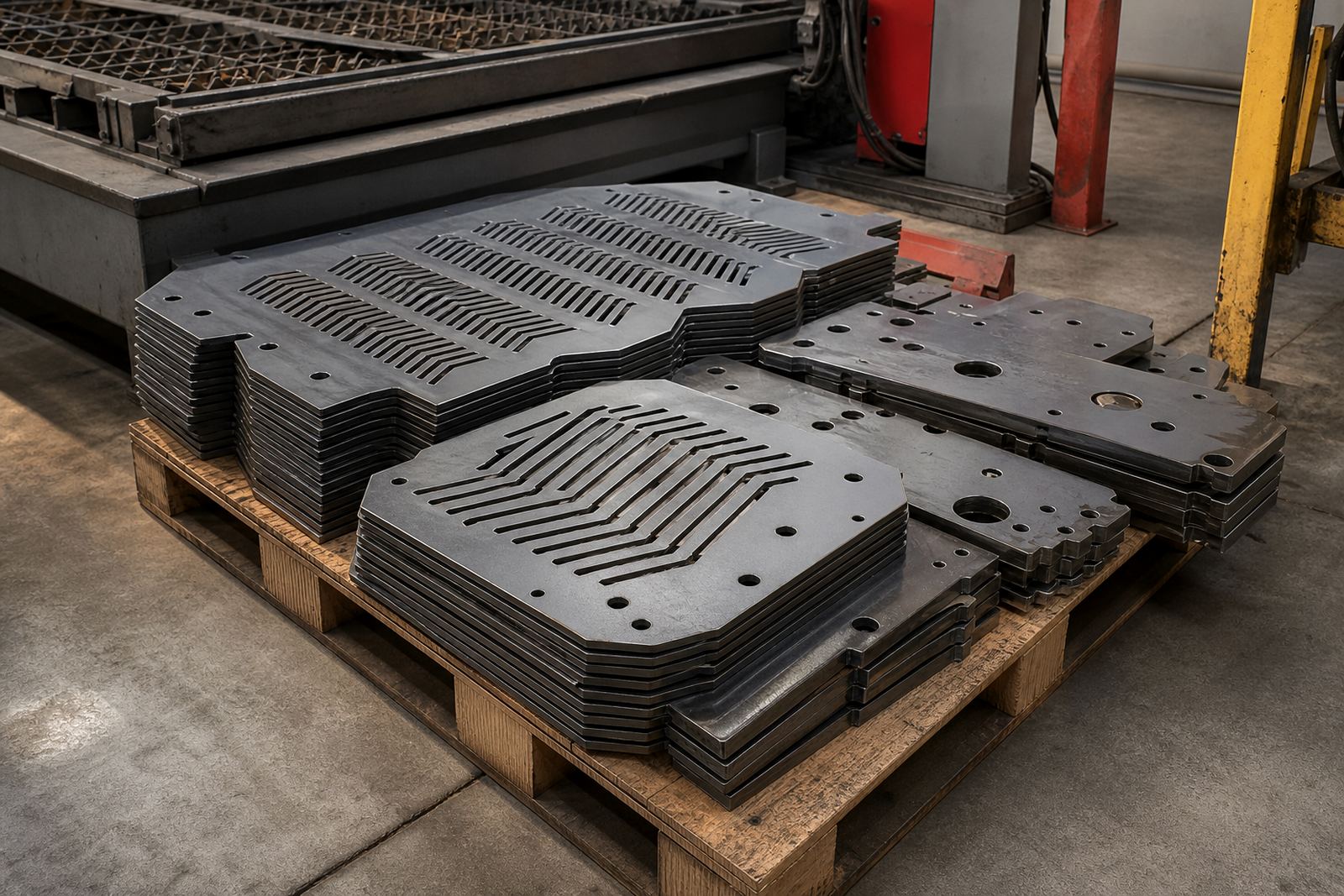
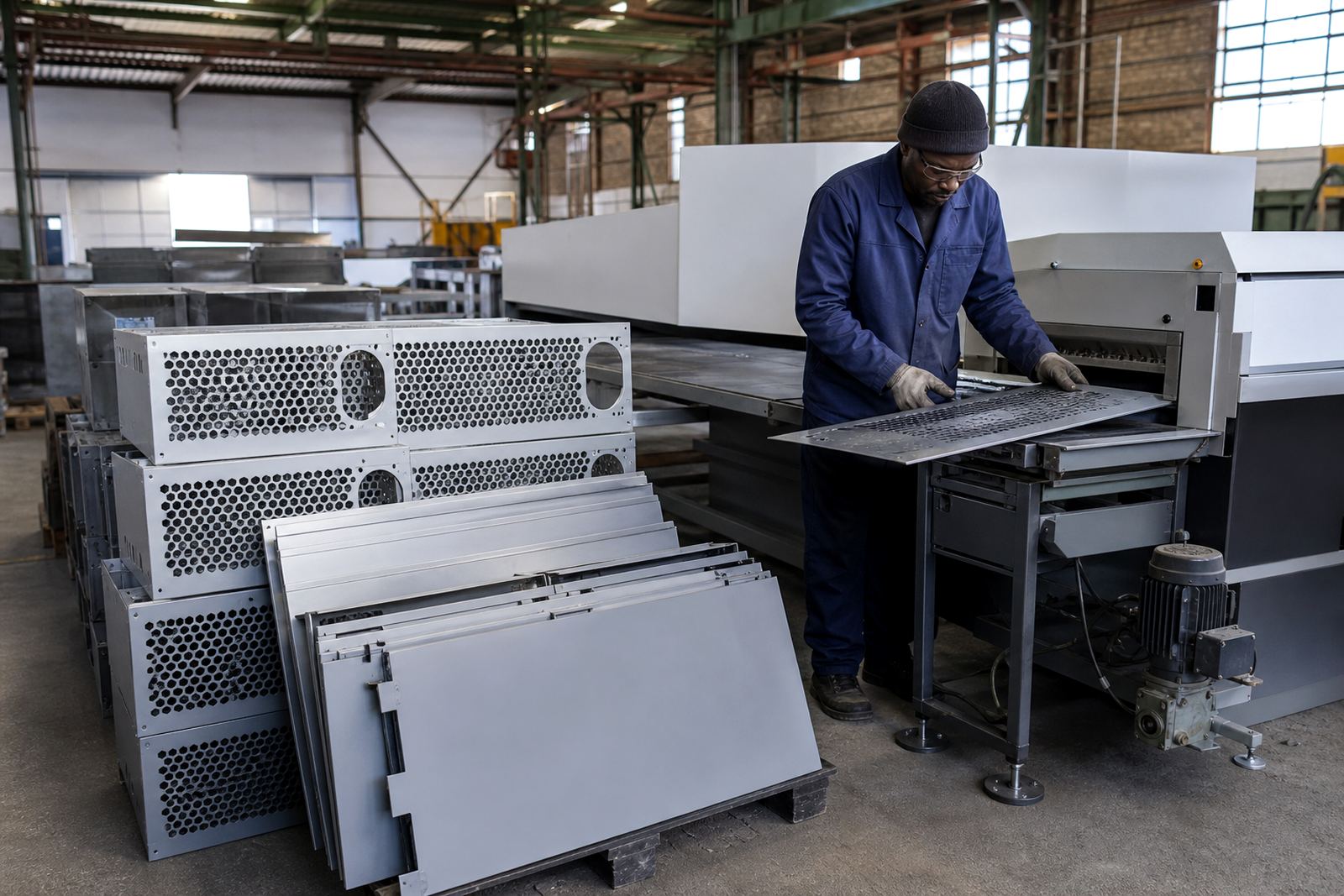
Factories running steady production need predictable cycle times and easy maintenance. When burr removal becomes a bottleneck, it can affect packing, coating and dispatch, especially when orders stack up at month end or before shutdown periods.
For higher volume users, the aim is to keep the process simple, repeatable and suited to local operating conditions such as dust, heat and power interruptions. Preventive maintenance and annual service contracts help keep the machine ready for long shifts, not just for test runs.
Our team in Wadeville, Germiston supports installation, operator training, breakdown repairs and production planning help so the machine fits into the line properly.
How to Choose the Right Industry Fit
If you are deciding whether a deburring machine suits your operation, start with the parts you make every week and the problems you see most often. Some sites need speed above all else, while others need a finer edge, less handling damage, or better results on thinner sheet.
Use these questions to narrow the choice:
- What metal and thickness do you process most often?
- Do parts need to go straight to coating, welding or assembly?
- Is your biggest issue burrs, sharp edges, oxide, or handling damage?
- Do you need support in Johannesburg, Pretoria, Durban, Cape Town or Rustenburg?
Clients reach us through the enquiry form on our contact page, and we can arrange demos, sample part testing and machine audits to suit the site.