What A Manual Feed Deburrer Does On The Shop Floor
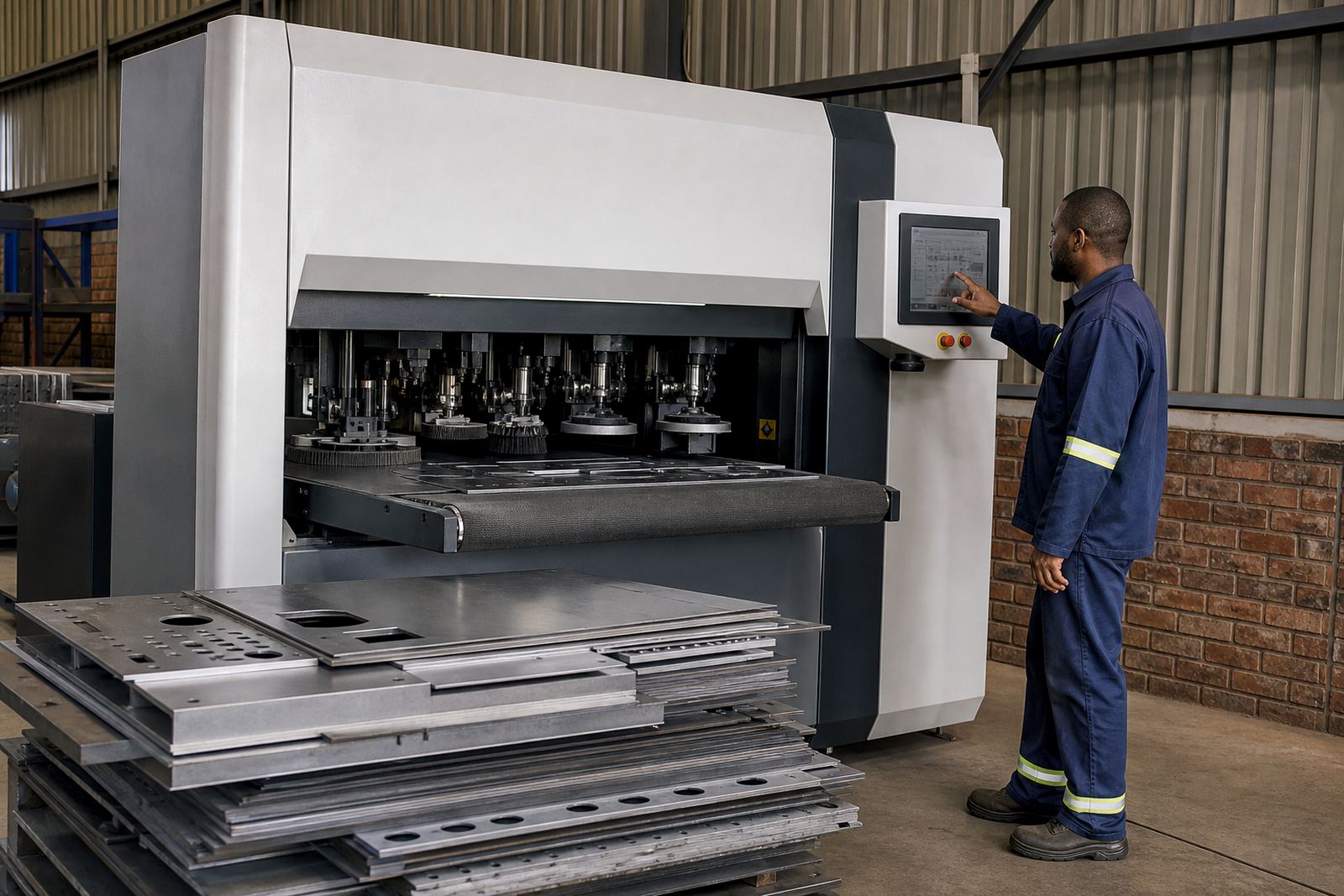
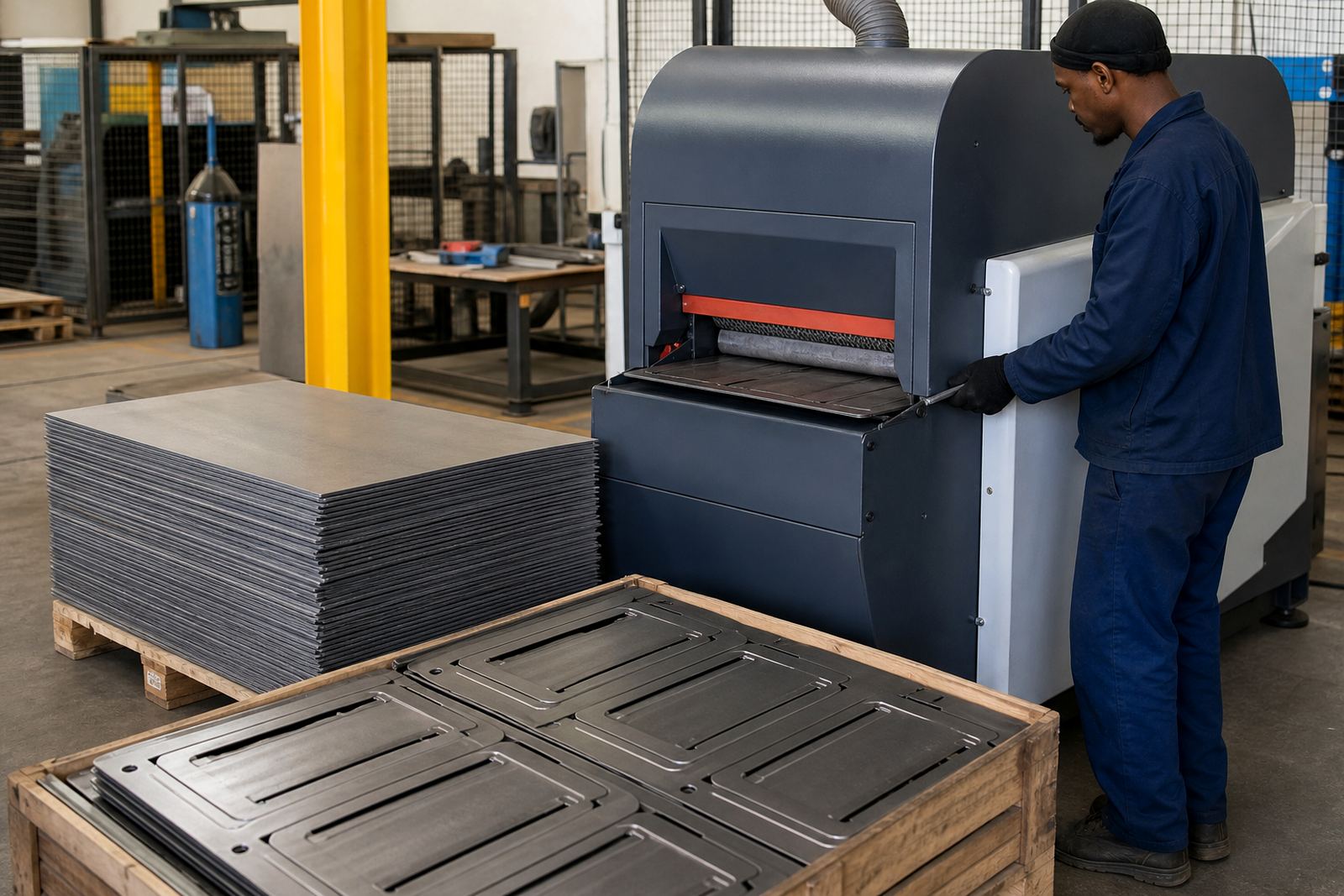
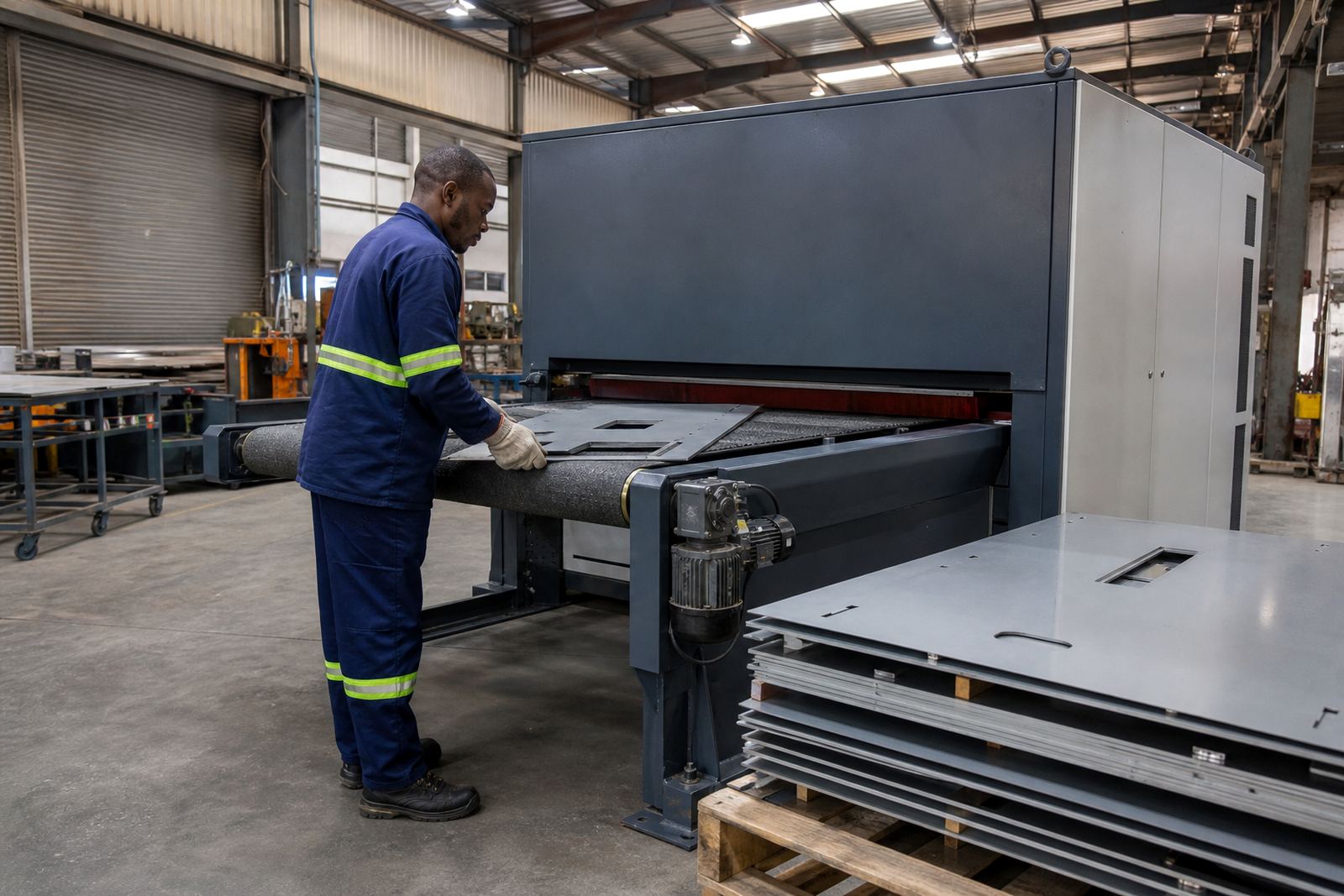
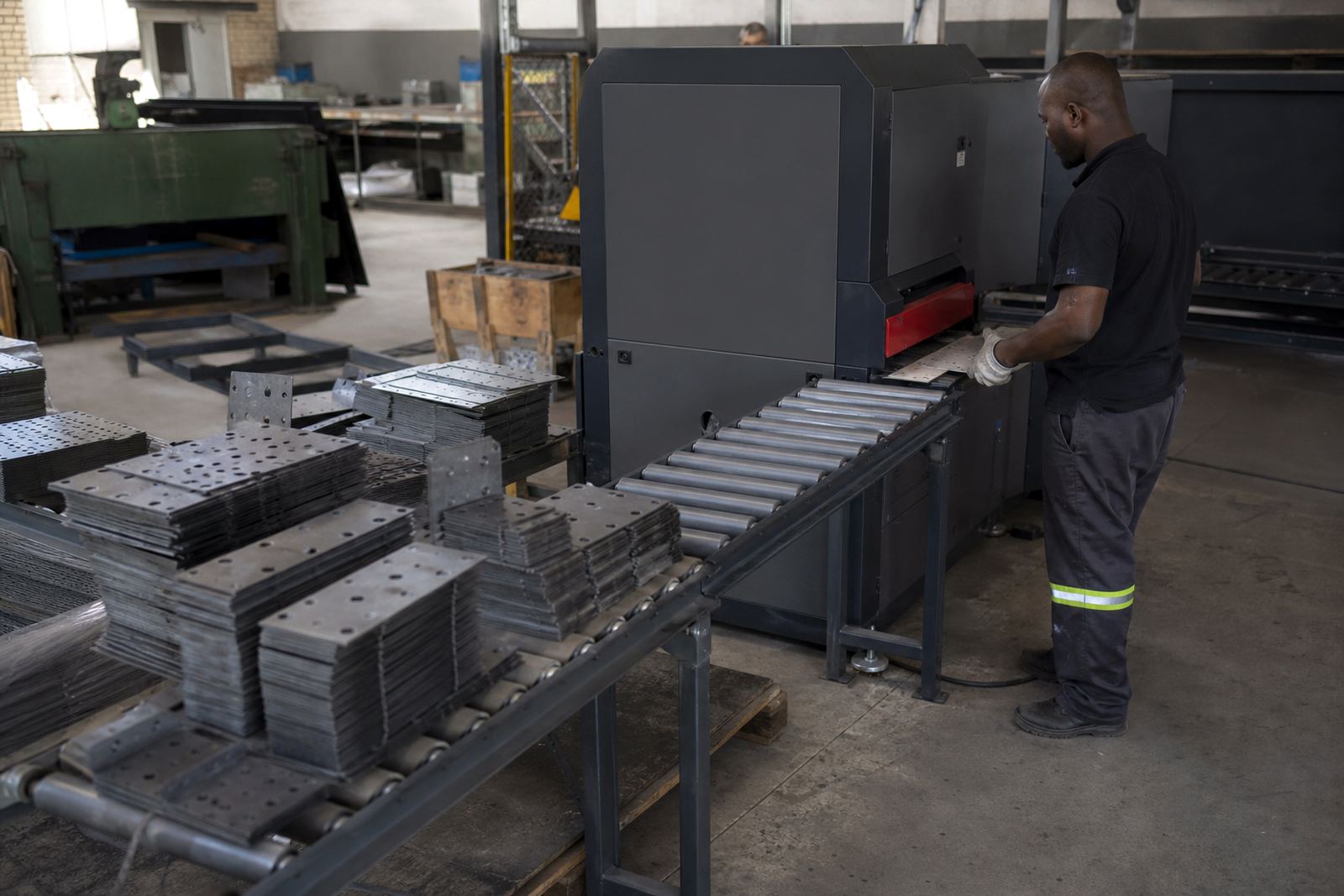
This machine is used after laser cutting to remove light burrs, soften sharp edges and improve the finish on flat sheet parts. The operator feeds the part through by hand, so it works well where jobs change often and the batch sizes are not large enough to justify a fully automatic system.
In a Gauteng workshop, for example, a manual feed deburrer can sit beside the laser area and handle parts from mild steel, stainless steel and aluminium before packing, bending or welding. It is a practical fit for jobbing work, prototyping and short runs where the main requirement is consistency, not high throughput.
Because the feed is manual, the machine is easy to understand and quick to set up. That makes it useful for smaller teams in Wadeville, Johannesburg, Pretoria and Rustenburg that need good edge quality without adding a complicated process. It is also a sensible option where space is tight and floor loading must be kept modest.
Typical Sizes, Working Widths And Options
Manual feed deburrers are usually selected by working width, part thickness and the type of finish needed. A smaller unit is suitable for compact sheets and regular flat parts, while a wider table helps when you handle larger panels or nested laser parts. The right choice depends on the largest part you want to process and how often you change format.
Common options include one or two finishing stations, speed control, adjustable pressure, and different abrasive or brush combinations for light edge finishing. Some users want a plain burr-removal setup only, while others need a slightly finer finish before folding or painting. If your work includes mixed material, it helps to check that the contact surfaces and abrasives suit both mild steel and stainless steel.
- Working widths generally suit small to medium sheet parts
- Thickness range should match your laser-cut output, usually light gauge to medium plate
- Variable feed and pressure help with different burr levels
- Optional dust extraction connection is useful for cleaner work areas
- Changeable abrasive heads support different surface finishes
For workshops that supply parts to contractors or OEM customers, the machine can also be matched to your typical part sizes. That avoids paying for extra capacity you wont use every day.
Where It Suits South African Fabricators
This type of machine suits metal fabricators that cut parts in-house and need a controlled finishing step before dispatch. It is common in small to mid-sized plants that produce brackets, panels, covers, electrical enclosures, guards and light structural parts. It also works well for contract shops that run a variety of parts through one line.
In coastal areas like Durban and Cape Town, a deburring machine can help reduce the risk of sharp edges and handling complaints when parts move between cutting, packaging and delivery. In inland factories, the main benefit is speed and repeatability when the team needs to keep up with orders and avoid extra hand finishing.
- Small batch production where changeovers happen often
- Laser cutting shops that need a simple finishing step
- Fabricators that want cleaner edges before folding or welding
- Workshops with limited space or a modest power supply
- Teams trying to reduce hand filing and grinder use
If your work is mostly short runs and varied parts, a manual feed unit can be easier to manage than a heavier automated line. It is also a good starting point for a business that wants to formalise edge finishing without taking on too much maintenance.
Installation, Power And Workshop Requirements
Installation is straightforward, but the machine still needs the right groundwork. It should stand on a level concrete floor with enough access on the infeed and outfeed sides for safe part handling. Leave space for the operator to move sheets without bending awkwardly, especially where parts are long or have sharp corners.
Power requirements depend on the final specification, but a standard single or three phase supply is usually involved. Before ordering, check the electrical capacity at your site and whether you are already carrying heavy loads from lasers, compressors and extractors. In many South African workshops load-shedding backup also matters, so it is worth confirming what can run off your generator or inverter system and what must wait.
If the machine uses dust collection or a vacuum assist, plan for extraction routing and filter access. In humid coastal conditions, keep the area dry and clean, because moisture can affect consumables and stored sheets. A tidy layout also helps with municipal safety inspections and makes daily housekeeping easier.
Care, Consumables And Ongoing Servicing
Like any finishing machine, a manual feed deburrer works best when it is kept clean and set correctly. The main wear parts are the abrasive or brush elements, feed components and any pressure surfaces that contact the sheet. Regular checks should be part of the shift routine, not only when the finish starts to change.
Good care keeps the machine consistent and cuts down on rework. Operators should clear off swarf and dust, check alignment and replace worn consumables before they start marking parts. If the machine is used on stainless steel, it helps to keep separate consumables where possible to avoid contamination. That matters for customers supplying food, medical or architectural work.
- Inspect consumables daily on busy lines
- Clean dust and fines from the working area
- Check rollers, pressure settings and guards regularly
- Schedule preventive maintenance before peak production periods
- Keep spare abrasive or brush sets on site for busy weeks
With annual service contracts, breakdown repairs and spares supply available from our Wadeville base, most workshops can keep downtime under control. A proper service routine is usually cheaper than running worn parts until they fail.
What To Check Before You Order
Before placing an order, gather a clear sample of the parts you want to process and note the material, thickness and burr type. A laser-cut part with a light edge burr behaves very differently from a thicker plate with heavy slag, so the machine needs to match the real job, not just the drawing.
It also helps to confirm your largest sheet size, average batch size and the finish standard your customers expect. Some users need only burr removal, while others want a neater edge before powder coating or assembly. If your production changes often, ask about quick adjustment settings and how easy it is to swap consumables.
- Largest part size and working width required
- Material types you process most often
- Thickness range and burr severity
- Available power at site and backup supply during load-shedding
- Space available for infeed, outfeed and extraction
- Expected daily volume and finish standard
Sample part testing is useful if you want to compare finishes before committing. It gives you a practical view of edge quality, handling time and whether the machine suits your crew. That sort of check saves costly mistakes later.
Support From Our Wadeville Team
Our team in Wadeville, Germiston supports fabricators across Johannesburg, Pretoria, Durban, Cape Town and Rustenburg, with demos, service and practical application help available through the enquiry form on our contact page. Pieter Johannes van der Merwe oversees the business, with sales, service, workshop and customer support staff available to assist with selection and after-sales support.
We can help with machine installation, operator training, preventive maintenance, breakdown repairs, relocation support and production planning help. If you are comparing options for a new workshop or a growing production line, we will work through the part samples, floor space and output target so you can choose a machine that fits the job and the site.
Key facts
| Machine type | Manual feed deburrer for laser-cut sheet metal |
|---|---|
| Primary use | Burr removal and edge finishing on flat parts |
| Typical materials | Mild steel, stainless steel, aluminium |
| Batch size | Small to medium production runs |
| Power | Site dependent, single or three phase options |
| Support area | Wadeville, Johannesburg, Pretoria, Durban, Cape Town and Rustenburg |