Built for larger panel work
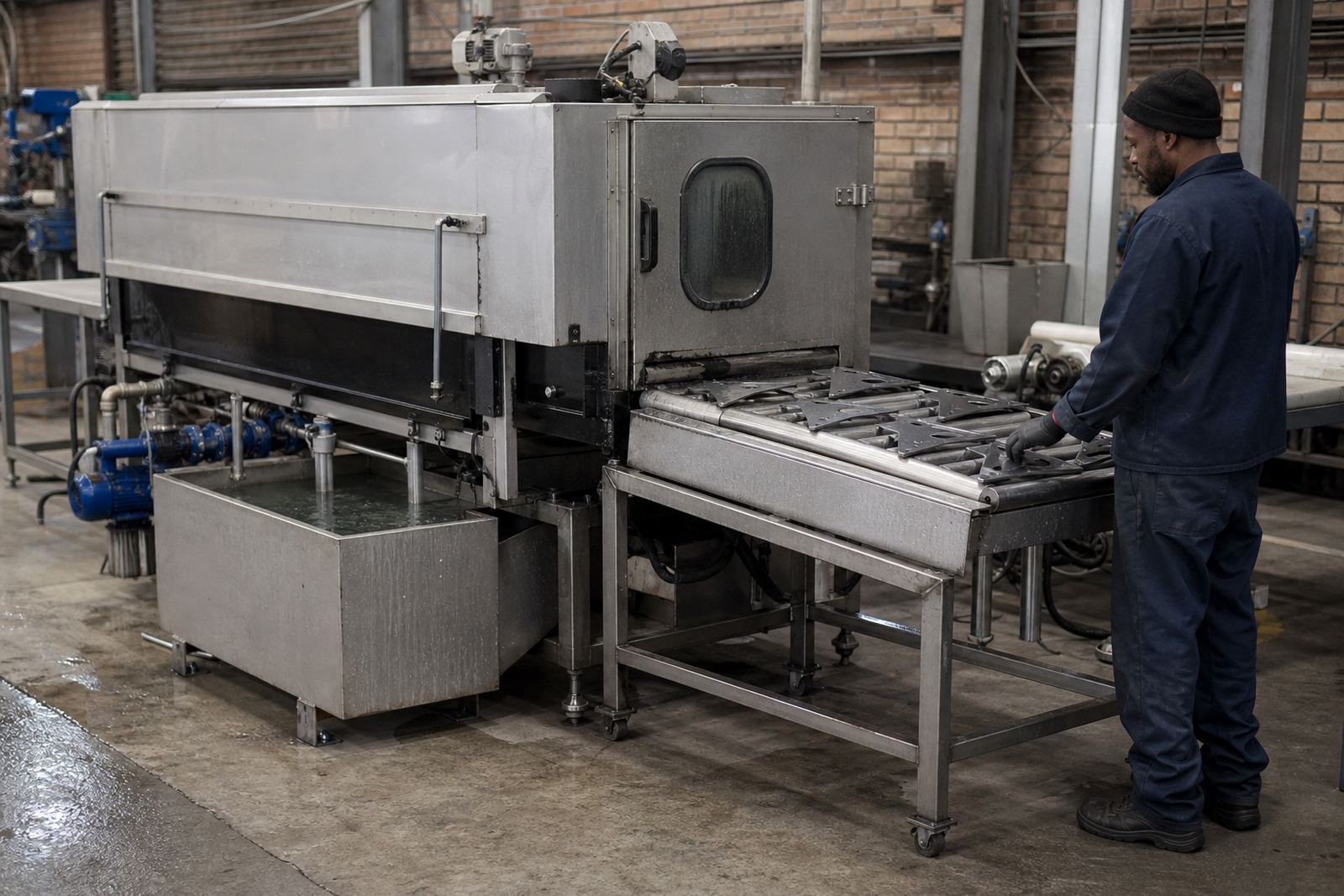
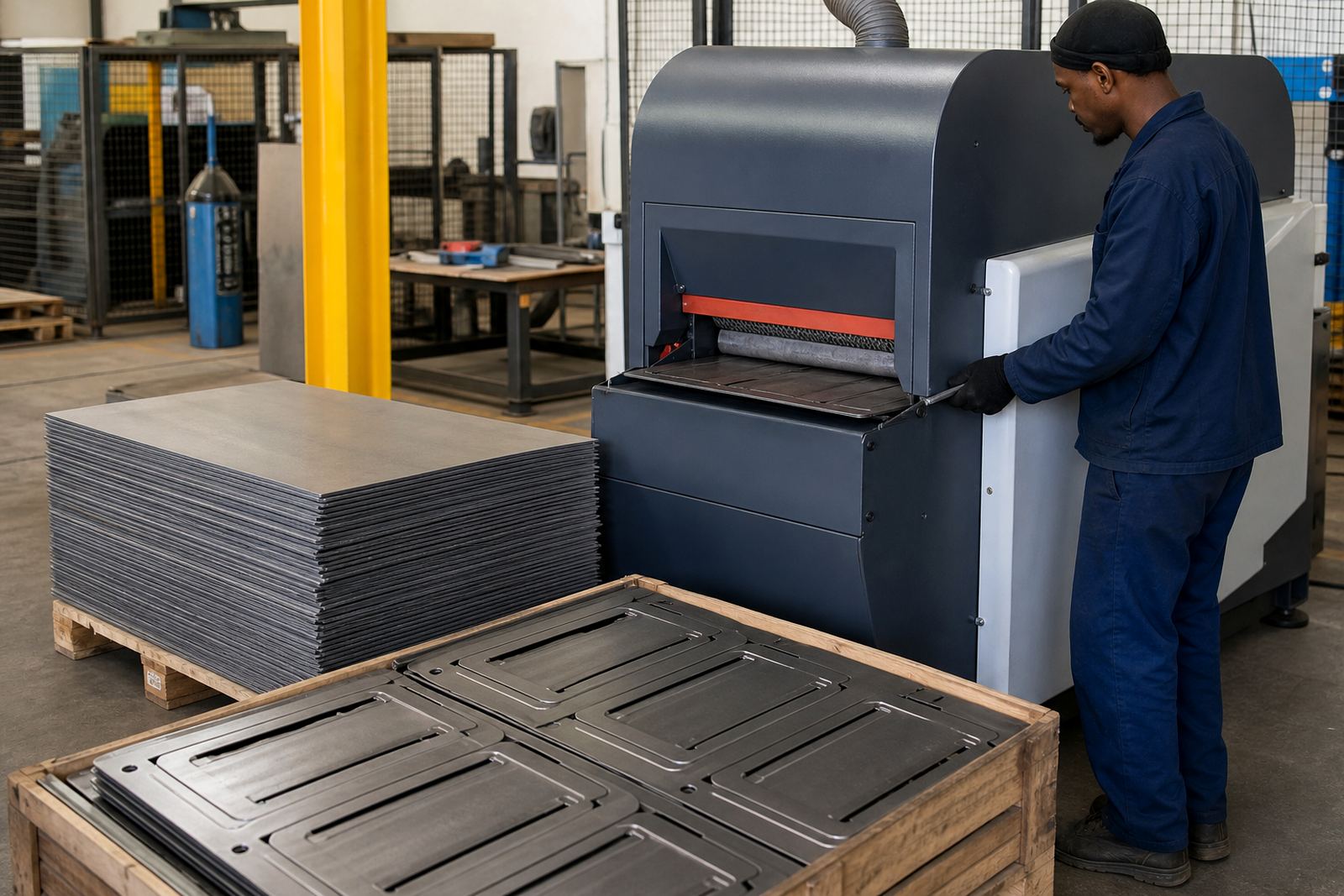
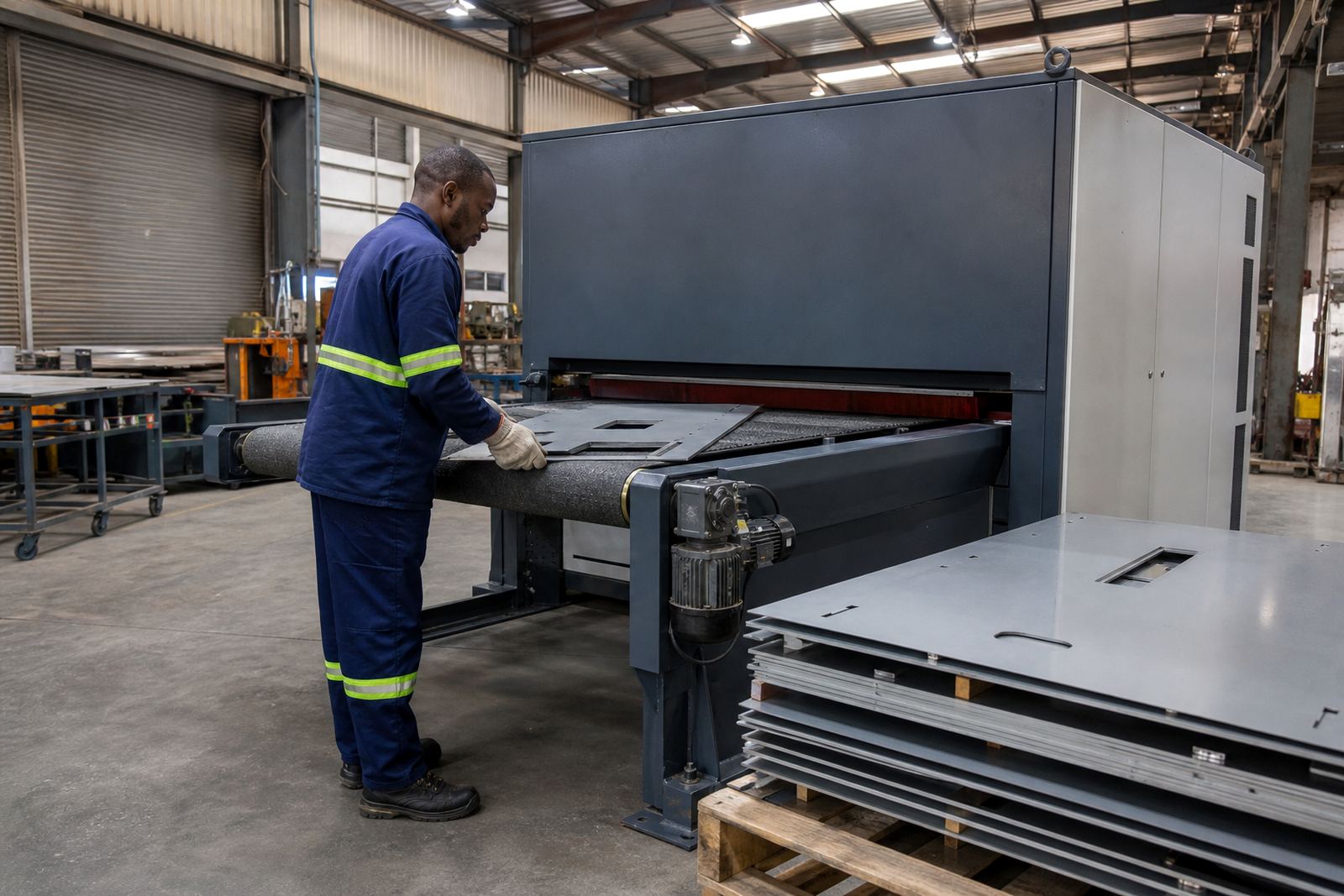
When a shop is handling wide panels day after day, hand finishing becomes slow and inconsistent. The Panel Finishing Line is set up for larger sheet metal parts that need the same edge treatment across every batch, especially where folded doors, side panels, tops and covers must fit and present well.
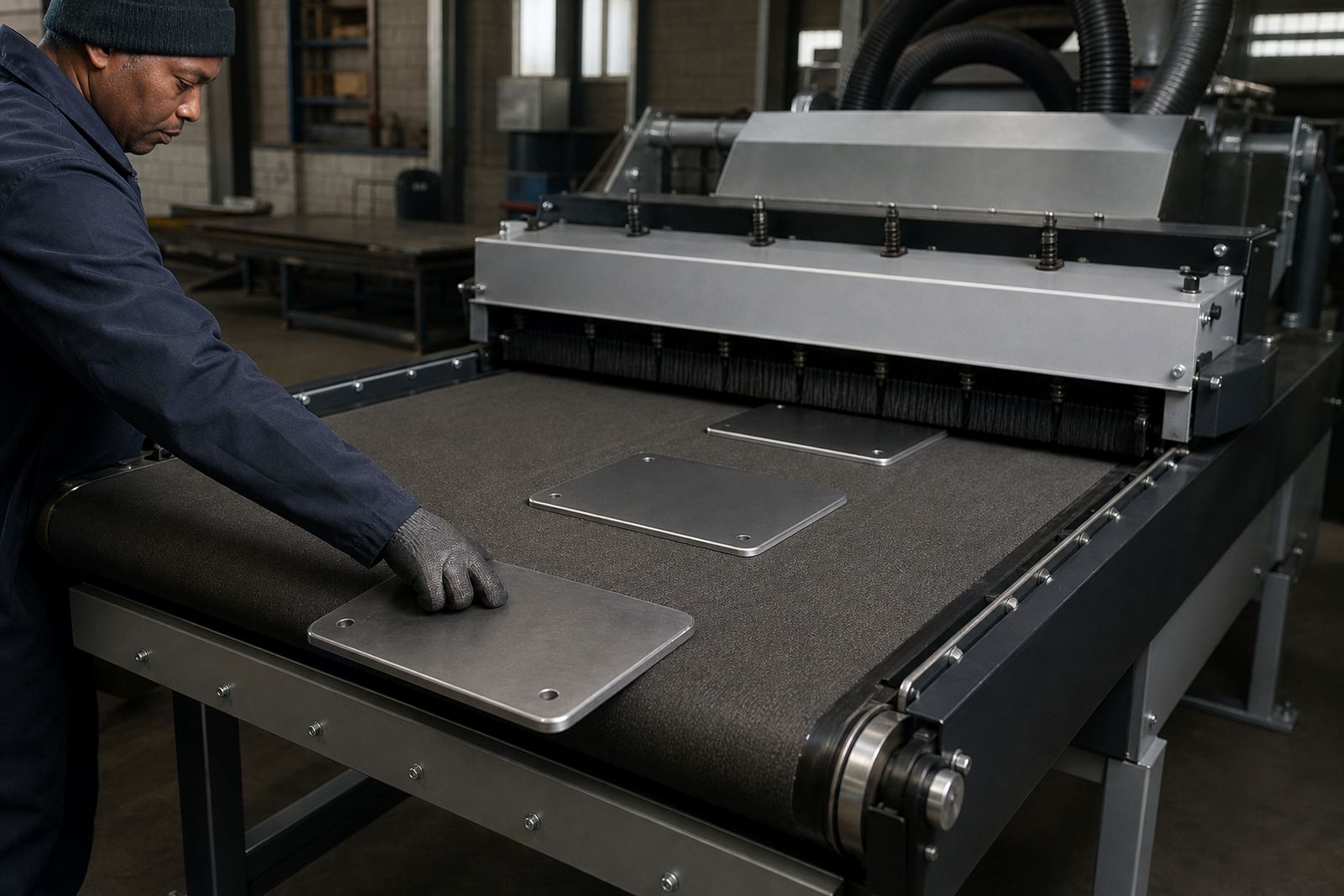
This type of machine is used after laser cutting to remove burrs, soften sharp edges and improve the finish before bending, powder coating or assembly. It helps reduce rework and gives operators a repeatable method for parts that would otherwise need files, grinders or extra bench time. In a busy workshop that difference shows up quickly in output and in the quality of the final panels.
- Suitable for laser-cut mild steel, stainless steel and aluminium panels
- Designed for repetitive panel processing in production runs
- Helps standardise edge treatment across large flat parts
- Useful where coating adhesion and safe handling matter
How the line handles sheet sizes and options
The Panel Finishing Line is supplied in working widths to suit different panel sizes, with common setups for medium and large format sheet metal. The right choice depends on the biggest panel you run, the finish standard you need and how much floor space you have. For many South African fabricators, the aim is to process the full job without turning parts around too often.
Options can include different conveyor speeds, finishing heads, edge treatment stages and extraction arrangements. Some shops want a lighter setup for general cabinet work while others need a heavier line for thicker material and high volume production. If you are running different grades or thicknesses, the machine can be matched to the sort of parts you cut most often, not just the occasional oversized panel.
- Working widths commonly suited to 600 mm, 1000 mm and wider panel formats
- Feed speed set to match finish requirement and throughput
- Optional multi-stage edge finishing for finer surface consistency
- Configurable for different material thicknesses and shop layouts
Where it suits best in South African production
This machine suits enclosure manufacturers, cabinet shops, electrical panel builders, HVAC fabricators and general sheet metal plants that run repeated laser-cut parts. It is especially useful where a sharp edge can cause handling problems, paint defects or delays at assembly. In places like Wadeville, Johannesburg, Pretoria, Durban, Cape Town and Rustenburg, many workshops need equipment that can keep pace with mixed batches and short lead times.
Coastal humidity in Durban and Cape Town can make surface quality and storage conditions more sensitive, so a clean finishing process helps before parts move to coating or packing. In inland shops, the pressure is often throughput and labour use, especially when load-shedding interrupts schedules and operators have to catch up on missed production. A controlled panel finishing stage can help stabilise output and reduce the amount of manual touch-up at the end of a shift.
- Enclosure and cabinet production
- Electrical and control panel fabrication
- General laser-cut sheet metal workshops
- Higher volume jobs where consistency matters more than one-off hand finishing
Installation, power and workshop requirements
Installation is planned around the size of the machine, the movement path for panels and the position of upstream and downstream work areas. The line should be placed where operators can load parts safely and where finished panels can move straight to the next operation without backtracking. In most workshops that means allowing enough clear floor space for infeed, outfeed and maintenance access, plus a sensible route for forklifts or pallet movement.
Power requirements depend on the selected configuration. A 3 phase supply is commonly needed for industrial use, and the exact load will depend on motor size, feed system and any extraction or additional finishing stages. Where load-shedding is part of daily life, many customers plan for backup power on essential equipment and schedule production runs to protect uptime. For best results, air quality, dust control and extraction should also be checked before commissioning.
- Plan for floor space, access aisles and part handling routes
- Confirm site power, breaker capacity and phase supply before delivery
- Check whether extraction or compressed air is needed for your setup
- Allow for safe operator loading and simple maintenance access
Care, servicing and keeping finish quality steady
Like any production machine, the Panel Finishing Line works best when it is cleaned, inspected and serviced on schedule. Abrasive elements wear with use and need checking before they start leaving uneven marks or slowing the line down. Guards, rollers, feeds and control settings should also be checked regularly so small issues are caught early, not after a batch has been spoiled.
Preventive maintenance helps keep production predictable, which matters when parts are feeding into bending, welding or coating. For shops running multiple shifts, a service plan can be a practical way to reduce stoppages and keep the finish consistent from Monday through Friday. We can also help with breakdown repairs, abrasive replacement and annual service contracts for ongoing production support. A machine audit is useful if output has dropped and the cause is not obvious.
- Inspect abrasive wear and finishing consistency at regular intervals
- Keep the machine clean to limit dust build-up and contamination
- Use preventive maintenance to reduce unplanned stoppages
- Schedule service before peak production periods where possible
What to confirm before you order
Before placing an order, it helps to define the biggest panel size, the material types and the finish standard you need. A machine that suits small cabinet parts may not be the right choice for larger enclosure panels, so exact job details matter. You should also confirm the thickness range, expected daily volume and whether the machine must sit inline with cutting, bending or coating.
It is also worth checking whether you need sample part testing before purchase. That is often the quickest way to see how the line handles your typical laser-cut edges, especially on mixed materials or parts with tight tolerances. If you are relocating a workshop, planning a new line or comparing two production layouts, production planning help can save a lot of trial and error. Pieter Johannes van der Merwe and the team in Wadeville support fabricators across South Africa with installation, operator training and service support through the enquiry form on our contact page.
- Largest panel size and thickness range
- Material mix, finish target and daily output
- Available floor space and power supply
- Need for sample part testing, training or relocation support
Key facts
| Product type | Panel finishing line for laser-cut sheet metal |
|---|---|
| Typical use | Edge finishing and deburring of larger flat panels |
| Material range | Mild steel, stainless steel and aluminium |
| Working widths | Configured to suit medium and large panel formats |
| Power | Industrial 3 phase supply, exact demand depends on setup |
| Support | Installation, training, servicing and spares supply across South Africa |