What an audit covers on your floor
A machine audit is a practical check of how your deburring line is performing in real production conditions. We look at the machine itself, the way it is set up, the state of the consumables, the finish quality coming off the sheet and the handling around the machine. If a line is struggling with burrs on heavier material, edge rounding that is too aggressive, or inconsistent results between shifts, the audit shows where the issue starts.
Our team works with laser-cut mild steel, stainless steel and aluminium sheet, typically in thicknesses from 0,8 mm to 12 mm depending on the machine and application. We also review sheet size handling, infeed and outfeed flow, dust and abrasive build-up, and the effect of power interruptions or poor earthing on control systems. In Wadeville, Germiston and across Gauteng we often see the same issue: a machine that is mechanically sound but not set up for the actual mix of parts being run.
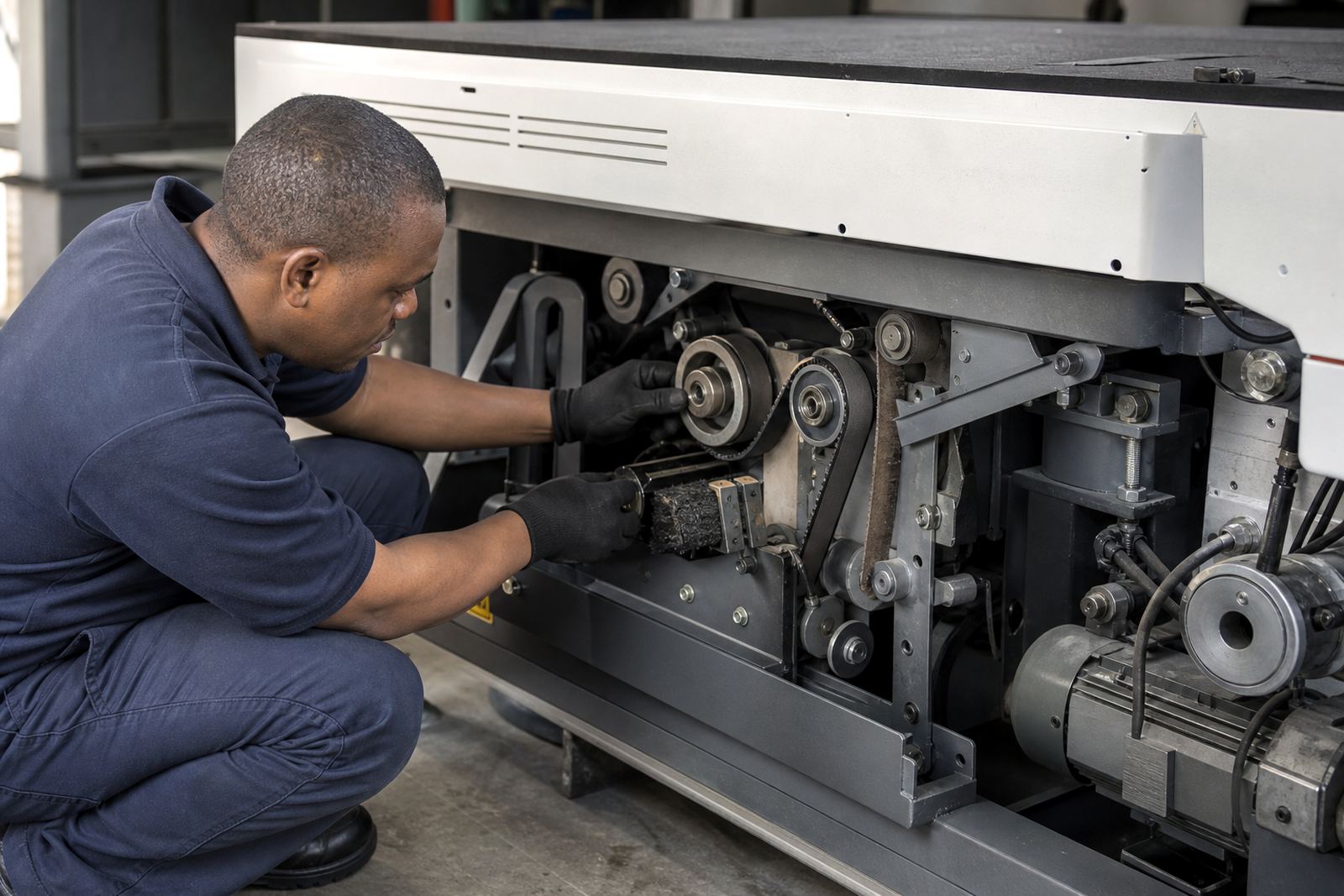
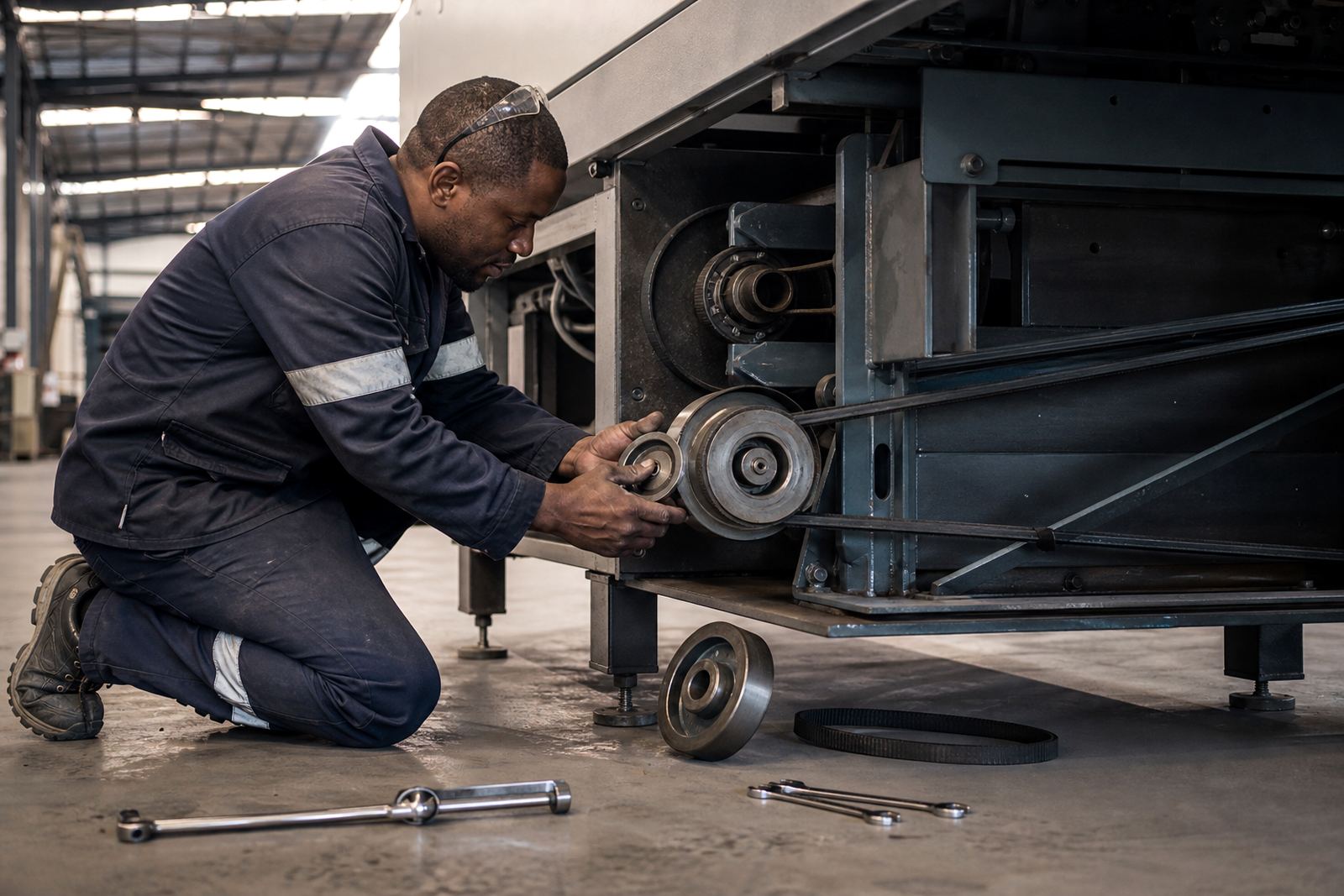
- Visual inspection of the machine frame, heads, belts, brushes and drive components
- Review of part finish, edge consistency and burr removal quality
- Check of settings against material type and thickness range
- Assessment of abrasive wear, dust extraction and housekeeping around the machine
- Basic production flow review to spot bottlenecks and operator-related variation
How the audit is carried out
We start with a short discussion about the machine history, the most common part types, and what finish standard you need for your customers. Then we inspect the machine in operation and, where possible, under the same conditions used for normal daily production. This helps us see the actual output rather than a test only done in ideal conditions.
The audit is structured so your team can keep working. We do not need a long shutdown unless a deeper test is requested. On most visits we can complete the inspection, take measurements, review sample parts and give feedback on the same day. If the machine is in a difficult state or has several wear points, we may need a second visit for a more detailed review and re-test.
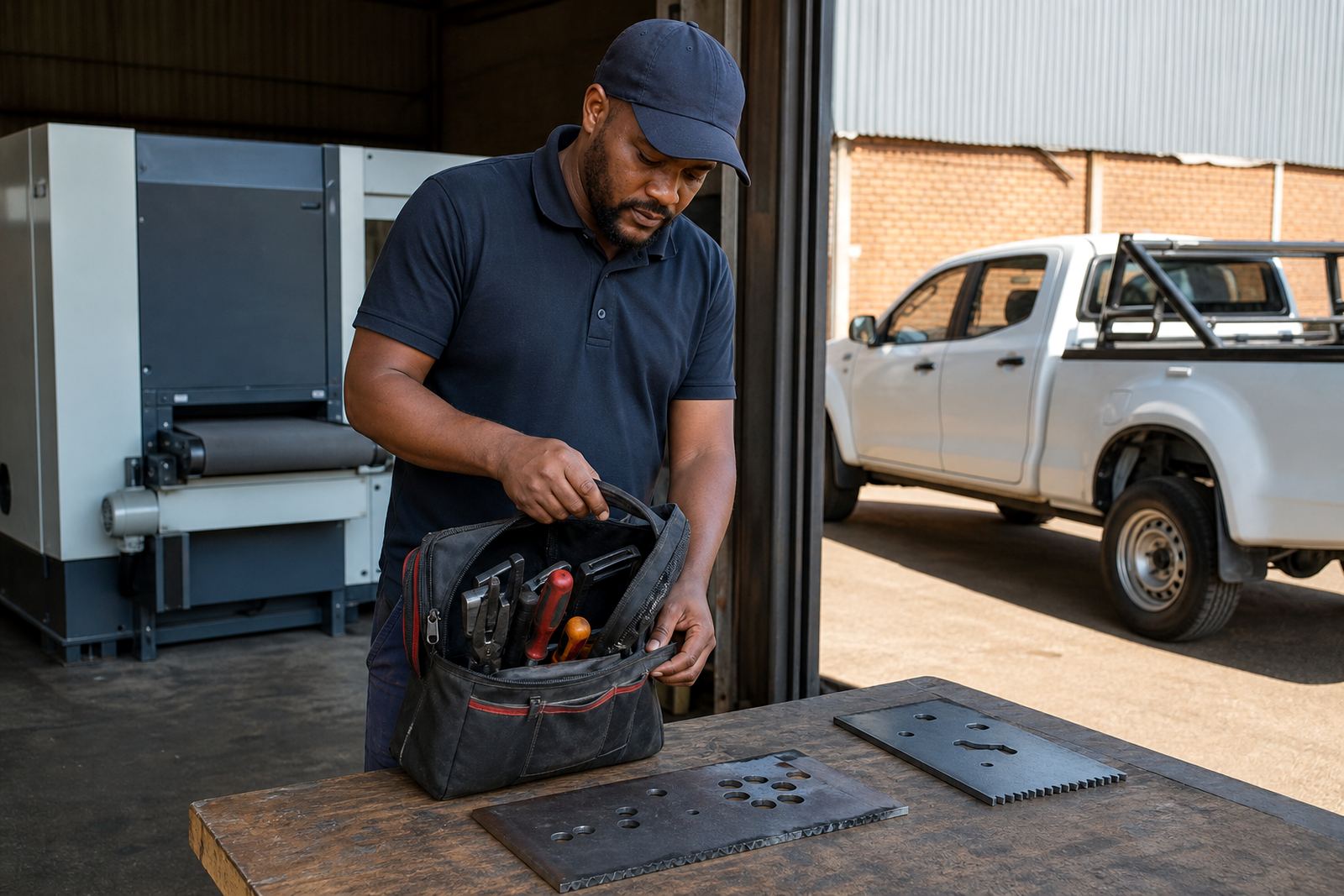
- Pre-visit call to confirm machine type, material mix and current concerns
- On-site inspection and running check
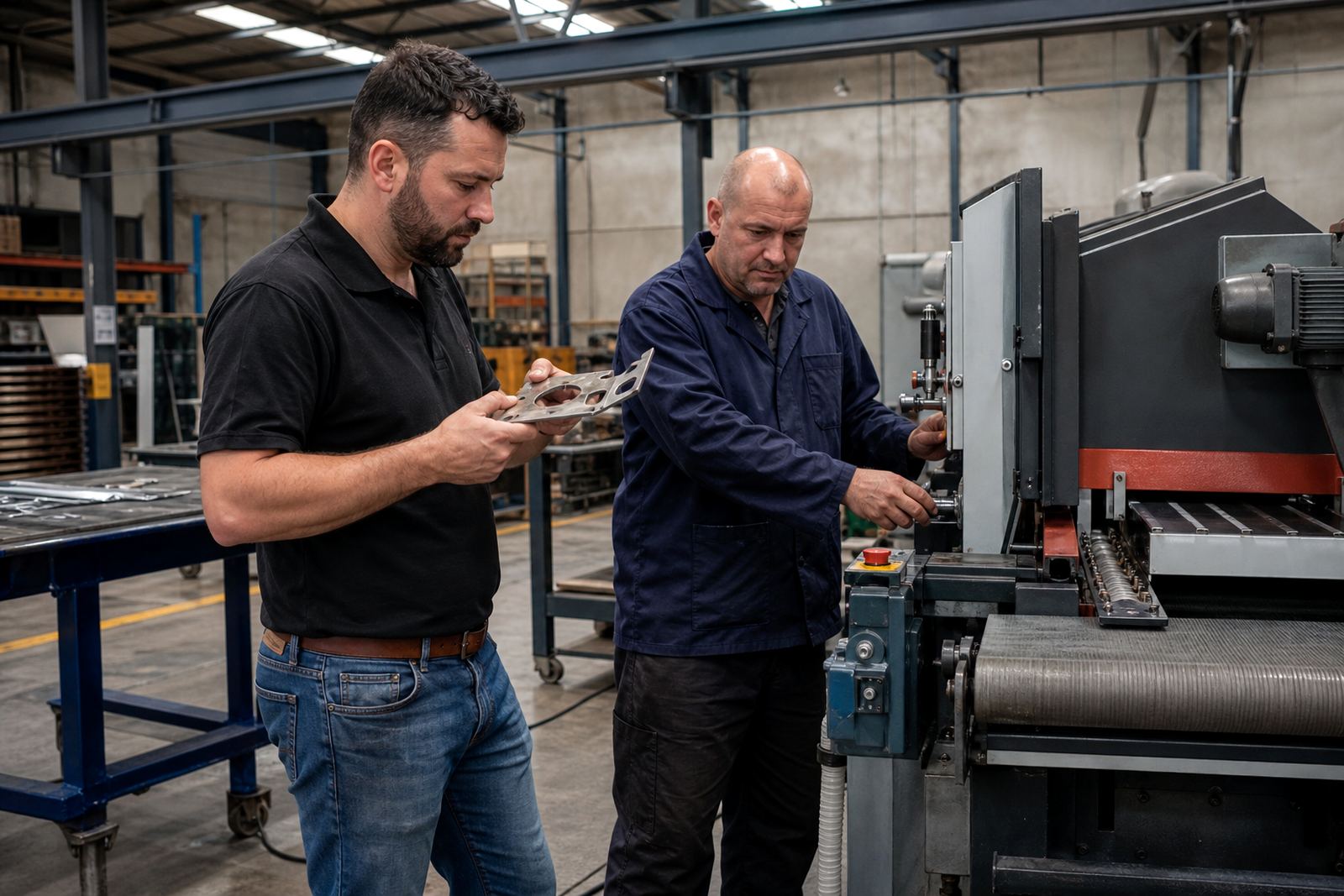
- Sample part review and finish comparison
- Operator feedback session with practical notes
- Written findings with recommended next steps
What you receive after the visit
After the audit, we provide a clear summary of what is in good order, what needs attention soon, and what should be corrected straight away. The report is written for production teams, not just maintenance staff. It focuses on practical actions that can improve finish consistency, reduce rework and make the machine easier to run from shift to shift.
Depending on the equipment and the site conditions, the report may include suggested maintenance intervals, changes to abrasive grades, drive settings, brush pressure, head alignment, extraction cleaning or operator handling. If a part is being overworked you will hear that plainly. If the machine is being underused because of old habits or poor setup, we will flag that too, no nonsense.
- Condition summary for key wear parts and consumables
- Finish quality notes with photos where useful
- Setup recommendations by material and thickness
- Maintenance interval guidance for weekly, monthly and quarterly checks
- Suggested improvements to reduce downtime and scrap
Turnaround for Johannesburg, Pretoria and beyond
For clients in Johannesburg, Pretoria, East Rand and nearby industrial areas, audits are often scheduled within a short lead time depending on workshop load. In Durban, Cape Town and Rustenburg we plan visits around transport, machine access and the level of detail needed. If you need the audit linked to a production problem, we will prioritise the job so you can get back to full output sooner.
In most cases the on-site portion takes half a day to one full day. Smaller installations with one machine and a limited part range are quicker. Multi-machine sites, or plants that run different sheet thicknesses and finishes, usually need more time. When a line has had repeated breakdowns or poor finishing after load-shedding, a longer visit is often worth it because the root cause is not always where the symptoms show up.
Where access is tight, or the plant is running close to deadline, we can phase the audit in sections. That lets your team keep production moving while still getting useful findings. If there is an issue with municipal air quality rules, dust control or waste handling, we will note that in the report as part of site housekeeping and compliance.
Pricing approach and what affects the cost
Machine audits are priced according to the number of machines, travel distance, depth of testing and whether sample part evaluation or extended operator review is needed. Sites in Wadeville, Germiston and the East Rand are usually more straightforward to schedule, while out-of-town work in Cape Town, Durban or Rustenburg may include travel and time on site. We quote after we understand the machine list and the level of support required.
The pricing structure is kept practical. You are paying for experienced inspection, the time to assess real production conditions, and a useful report that leads to action. If the audit identifies a simple setting correction, we will say so. If a machine needs a repair plan, spare parts or preventive maintenance work, that is quoted separately so you can decide how to proceed. This keeps the audit itself fair and easy to budget for.
For larger plants, an audit can also be combined with production planning help or an annual service contract review. That gives you a clearer picture of machine health over time, and it helps avoid repeat faults that creep back after a few months.
Recommended service intervals for installed machines
Most deburring and edge-finishing machines benefit from a formal audit at least once a year. Sites with heavy throughput, mixed materials or frequent changeovers should consider a six-month interval. If your plant works close to capacity, or if you run through dust, humidity or fluctuating power supply, more frequent checks can be worthwhile. Coastal sites in particular often see faster wear on exposed parts and electrical enclosures.
We also suggest an audit after major changes such as a new operator team, a shift in sheet thickness range, relocation of the machine, or after repeated finishing complaints from customers. If the machine has had several breakdowns, there is no point waiting for the next calendar date. A timely inspection can stop a small setting issue from turning into a bigger repair bill.
- Light to medium use: once a year
- High-volume production: every 6 months
- After relocation or breakdown recovery: immediately after restart
- After process changes or new material mix: within 2 to 4 weeks
- After power or control faults: before returning to full production
Key facts
| Audit scope | Condition, setup quality, finish performance and production flow |
|---|---|
| Typical machine types | Deburring and edge-finishing machines for laser-cut sheet metal |
| Material range | Mild steel, stainless steel and aluminium from 0,8 mm to 12 mm |
| Visit duration | Half day to 1 full day for most single-machine sites |
| Service area | Wadeville, Germiston, Johannesburg, Pretoria, Durban, Cape Town and Rustenburg |
| Report output | Written findings with maintenance intervals, corrective actions and next-step recommendations |