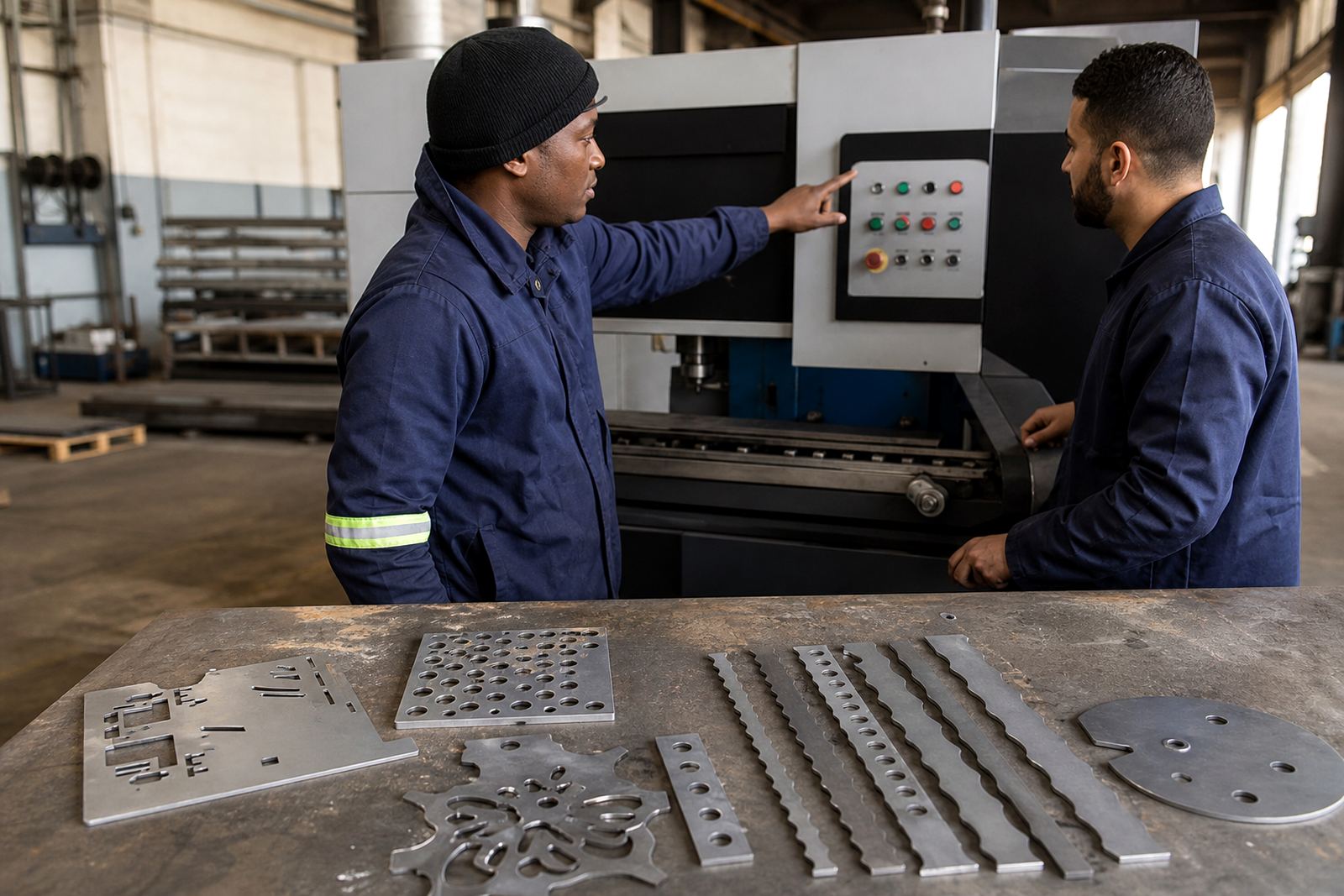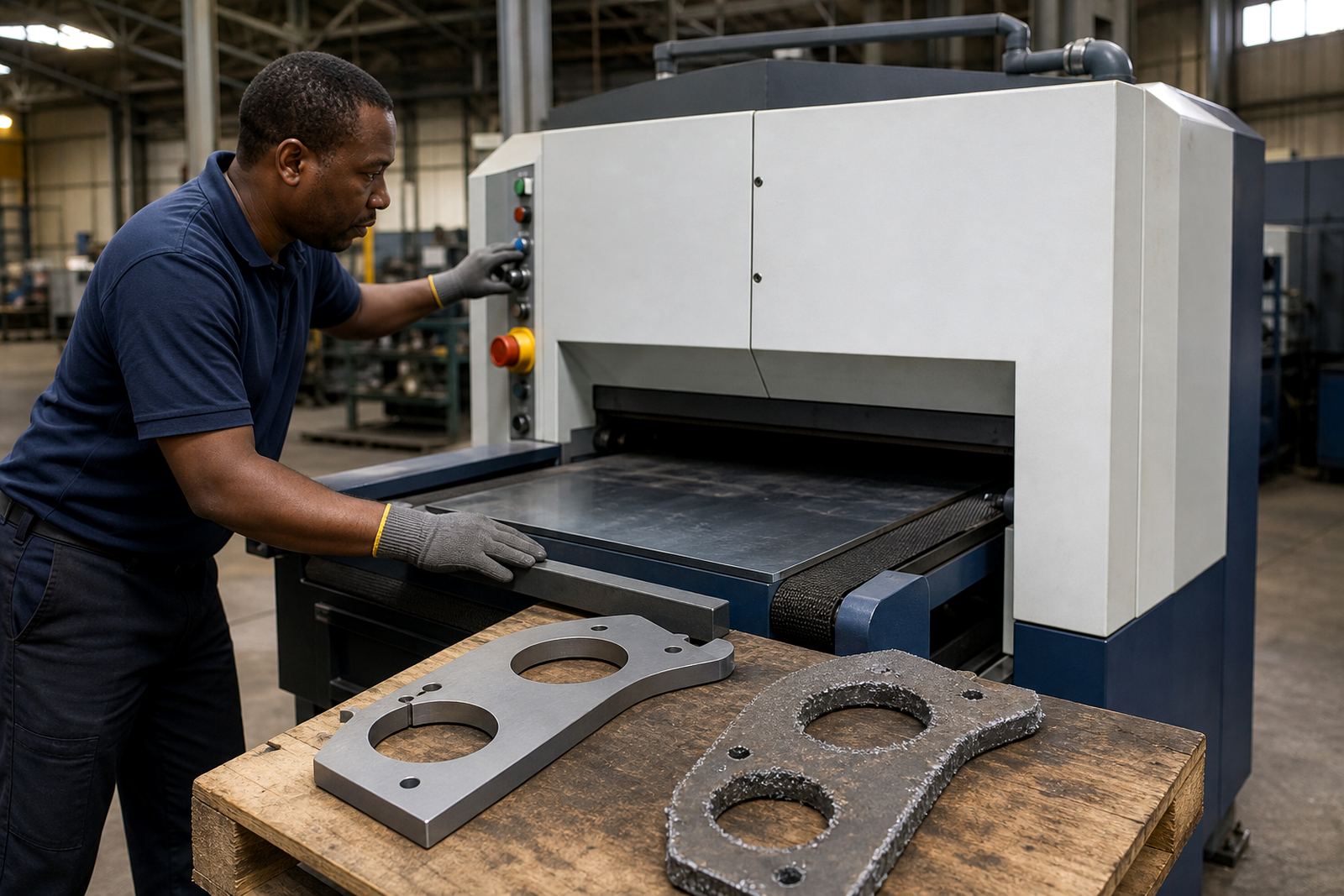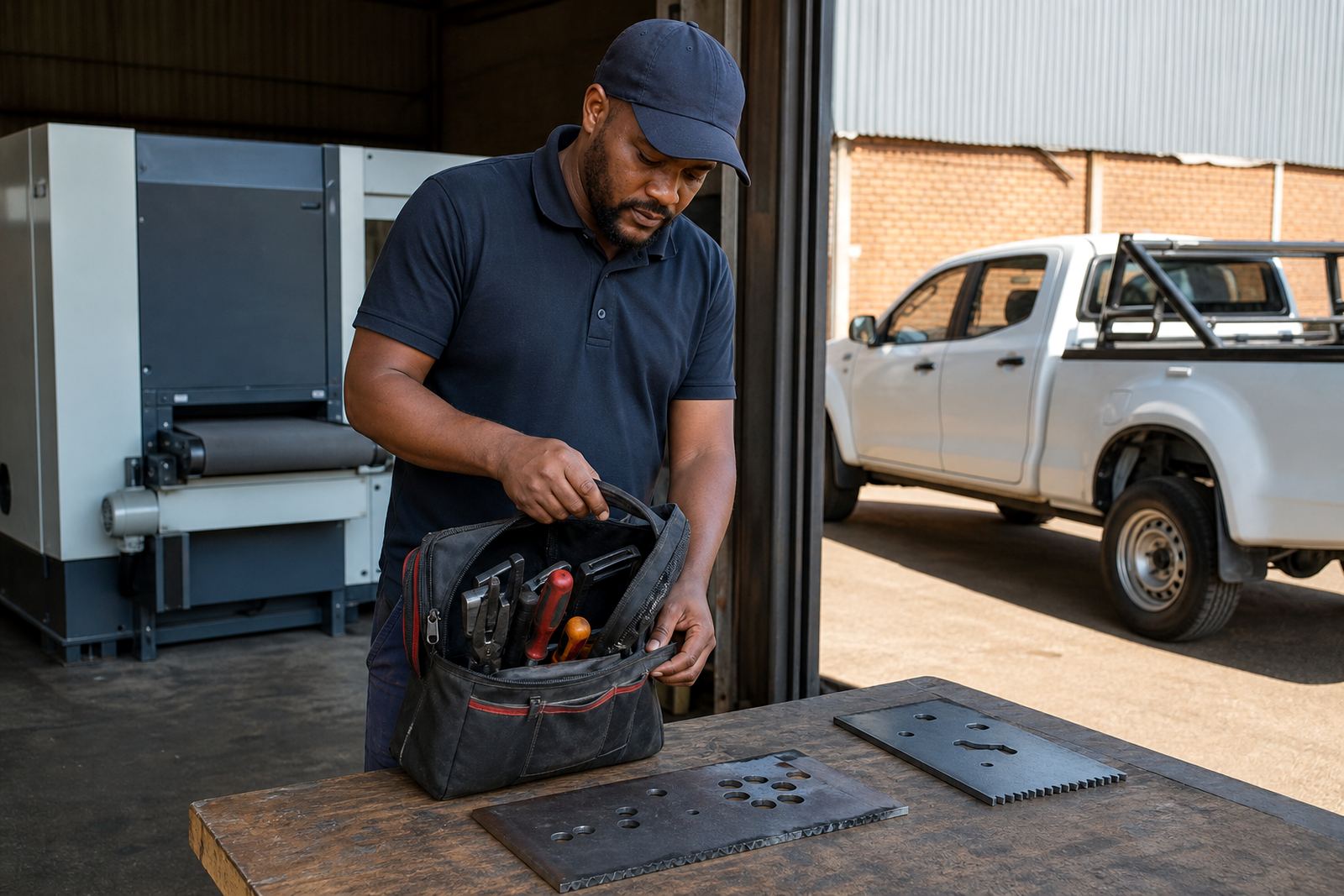
Planned servicing for steady output
An annual service contract is for fabricators who want predictable maintenance on deburring and edge-finishing machines without waiting for a breakdown. It is suited to shops running laser-cut sheet metal through multiple shifts, where burr removal, edge quality and abrasive condition affect output every day. In Wadeville, Germiston and across Gauteng, KwaZulu-Natal, the Western Cape and the North West, this approach helps keep production moving even when load-shedding, dust or high-volume work put extra strain on equipment.
The contract is built around scheduled visits, inspection records and practical support planning. That means you know when the machine will be checked, what will be measured, and which parts should be kept on hand. It also gives your team a clear maintenance rhythm, so small issues are caught before they turn into stoppages.
- Routine condition checks on key wear items and drive components
- Inspection of finishing quality, feed performance and machine alignment
- Planned upkeep based on your production hours and material mix
- Support planning for busy periods, shutdowns and year-end runs
What the contract covers on site
Each contract is matched to the machine specification and the way your workshop runs. A light-duty cell in Pretoria does not need the same visit pattern as a high-output line in Durban or Cape Town, and we plan accordingly. The aim is to protect output, not just tick a service box.
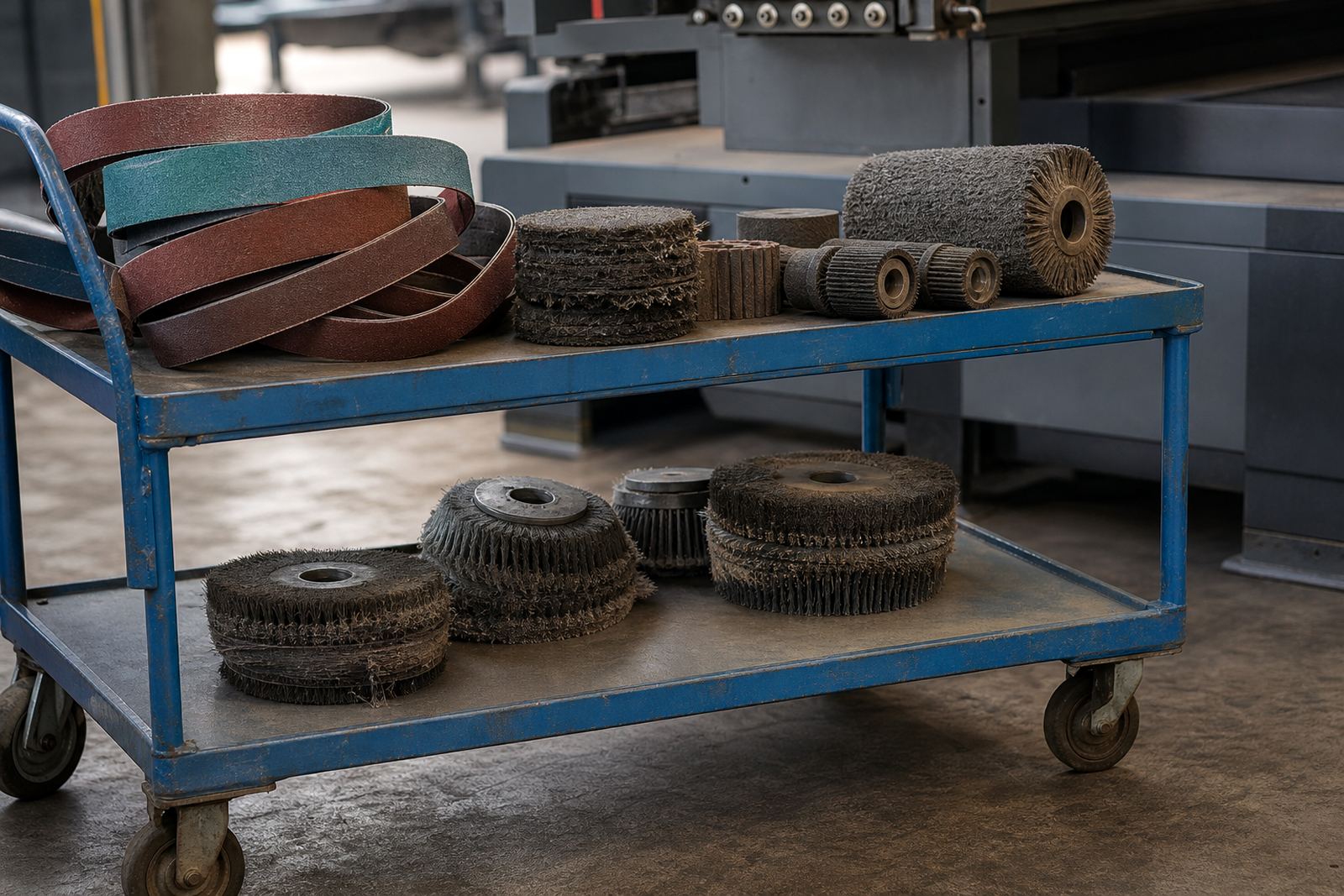
Typical cover includes inspection, cleaning guidance, adjustment checks and replacement of routine wear parts where agreed. Where the machine has brushes, abrasive heads, belts, rollers or vacuum extraction components, these are reviewed for wear and contamination. We also check control functions and safety interlocks, because a machine that is technically running can still drift out of tolerance if it is not watched properly.
- Visual and functional inspection of the machine frame, head assembly and feed system
- Cleaning and condition checks for abrasive zones, extraction points and debris build-up
- Measurement of wear on consumables and moving parts
- Basic calibration and performance verification after adjustments
- Service notes and recommendations for the next interval
Service intervals that suit your production
The right interval depends on sheet volume, thickness range, cutting quality and shift pattern. A workshop processing thin laser-cut parts in small batches may only need quarterly attention, while a plant running daily production can benefit from more frequent checks. Coastal humidity in Durban and Cape Town can also increase the need for inspection on electrical and mechanical parts, while dusty inland conditions can shorten abrasive life.
We normally shape the schedule around monthly, quarterly or bi-annual visits, with a full annual review as the anchor point. If your plant runs through long shifts or weekend overtime, we can build the plan around usage hours rather than just the calendar. That makes the contract more practical and prevents missed maintenance just because the month was busy.
- Monthly: for high-volume sites and critical production lines
- Quarterly: for standard workshop use and mixed material work
- Bi-annual: for lighter production or backup machines
- Annual review: full inspection, service record and next-year planning
How we set the pricing approach
Pricing is based on the machine type, number of service visits, travel to site and the level of cover required. A contract for one machine in Wadeville will be structured differently from a multi-machine agreement covering Johannesburg, Pretoria, Rustenburg or the coast. We keep the pricing approach practical so you can budget for maintenance without guessing what each call-out will cost later.
Most clients prefer a fixed annual amount for scheduled work, with agreed rates for any additional breakdown repairs, parts or urgent visits outside the contract. Where possible, we also set out recommended consumables and spares so you can avoid waiting for replacements during a production rush. It is a cleaner way to manage maintenance spending and usually works out better over 12 months than ad hoc servicing.
- Fixed scheduled service costs for planned visits
- Clear allowance for labour, travel and inspection time
- Agreed pricing for additional parts and emergency work
- Optional cover for consumable forecasting and spares planning
What happens from sign-up to first visit
We keep the process straightforward. First, we confirm the machine model, current condition and production demands. Then we review the best service interval, likely wear points and any recent issues your team has noticed. After that, we agree the service calendar and prepare the first visit. This is especially useful where a plant has changed material grades, added shifts or had recurring burr quality problems.
Once the contract is active, we keep service records against the machine and use those notes to guide future visits. If we spot a trend, like faster abrasive wear or uneven finishing on one side of the sheet, we raise it early and suggest corrective action. That can save a lot of time in the workshop.
- Machine assessment and contract scoping
- Agreement on service interval, cover and pricing structure
- First scheduled inspection and maintenance visit
- Service report with findings, recommendations and next steps
Turnaround, support and practical benefits
For scheduled visits, turnaround is planned in advance so you can fit the service into your production programme. For urgent issues inside a contract, response time depends on your area and the urgency of the fault, but existing contract clients are prioritised for support planning. That helps reduce downtime when a line is under pressure and production cannot wait.
The biggest benefit is control. You get a clearer view of machine condition, fewer surprise failures and a better handle on parts replacement. For fabricators cutting across Johannesburg, Pretoria, Durban, Cape Town and Rustenburg, that matters because downtime does not only stop one machine, it affects the next process as well. A planned service arrangement gives your workshop a more stable maintenance rhythm and makes annual budgeting easier.
- Less unplanned downtime and fewer emergency stoppages
- Better control of consumable use and wear rates
- Improved edge quality consistency over long production runs
- Support planning for shutdowns, peak periods and relocations
Key facts
| Service focus | Annual servicing for deburring and edge-finishing machines used on laser-cut sheet metal |
|---|---|
| Typical interval options | Monthly, quarterly, bi-annual or annual, based on machine load and site conditions |
| Included tasks | Inspection, cleaning guidance, adjustments, wear checks, reporting and planning |
| Coverage area | Wadeville, Germiston and major South African manufacturing centres |
| Typical machine factors | Sheet thickness range, production hours, abrasive wear, dust levels and humidity |
| Support format | On-site visits with service records, recommendations and planned follow-up |