What Our Breakdown Repair Service Covers
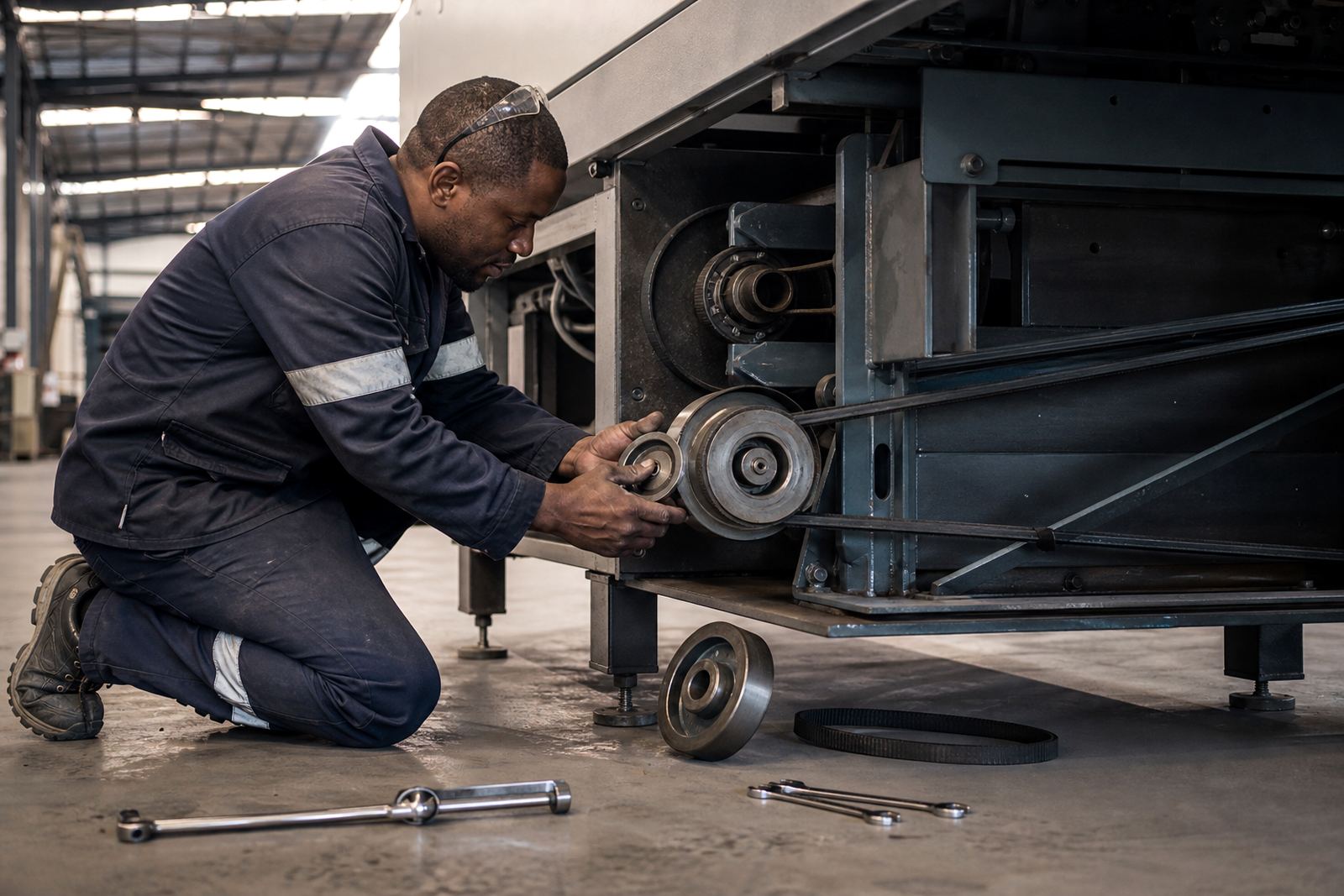
We attend fault reports on deburring and edge-finishing machines used on laser-cut sheet metal, including single-head and multi-stage systems for edge rounding, burr removal, oxide removal and finishing passes. Our repair work covers electrical faults, mechanical wear, drive issues, conveyor problems, brush and abrasive wear, sensor faults, overheating, vibration, poor finish quality and intermittent stoppages. If a machine is safe to run, we first work to restore operation quickly, then look at the root cause so the same breakdown does not come back next week.
For factories in Wadeville, Germiston and the wider East Rand, same-day support is often possible when the call comes in early. We also support plants in Johannesburg, Pretoria, Durban, Cape Town and Rustenburg, with remote triage where it helps to reduce lost time on site. Our focus is simple: get the line moving, protect the finished part quality, and keep the repair practical for your production schedule.
- Fault finding on electrical, mechanical and control related issues
- Replacement of worn consumables and damaged machine parts
- Checks on guarding, sensors, drives, motors and feed systems
- Advice on safe restart and short-term production control
How We Handle a Breakdown Call-Out
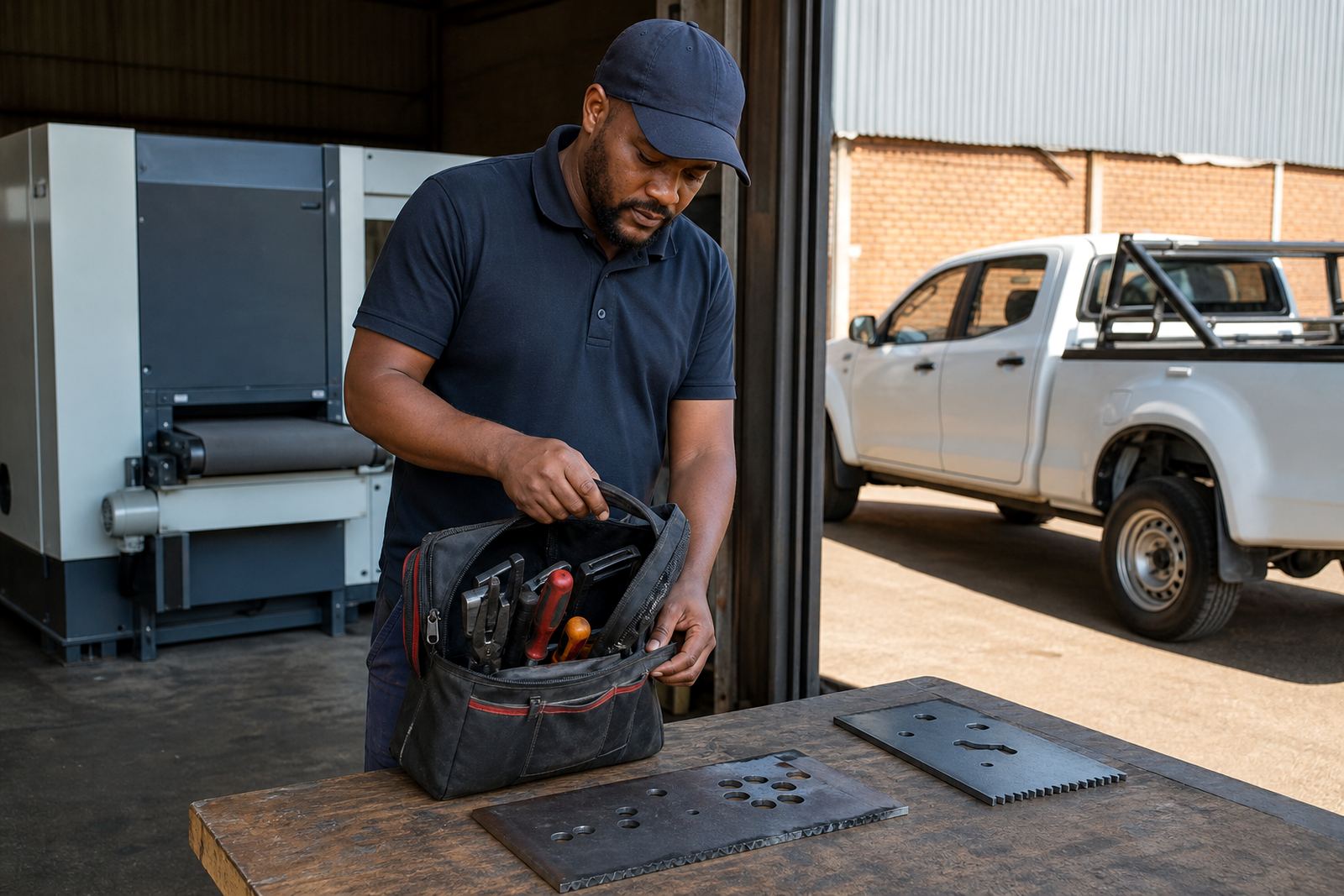
Our process starts with a short fault description from your team through the enquiry form. We ask for the machine model, the symptoms, whether the fault is constant or intermittent, and if there are any recent changes such as new material thickness, dust build-up, abrasive changes or power interruptions. That first conversation helps us arrive with the likely parts and test equipment, which saves time on site.
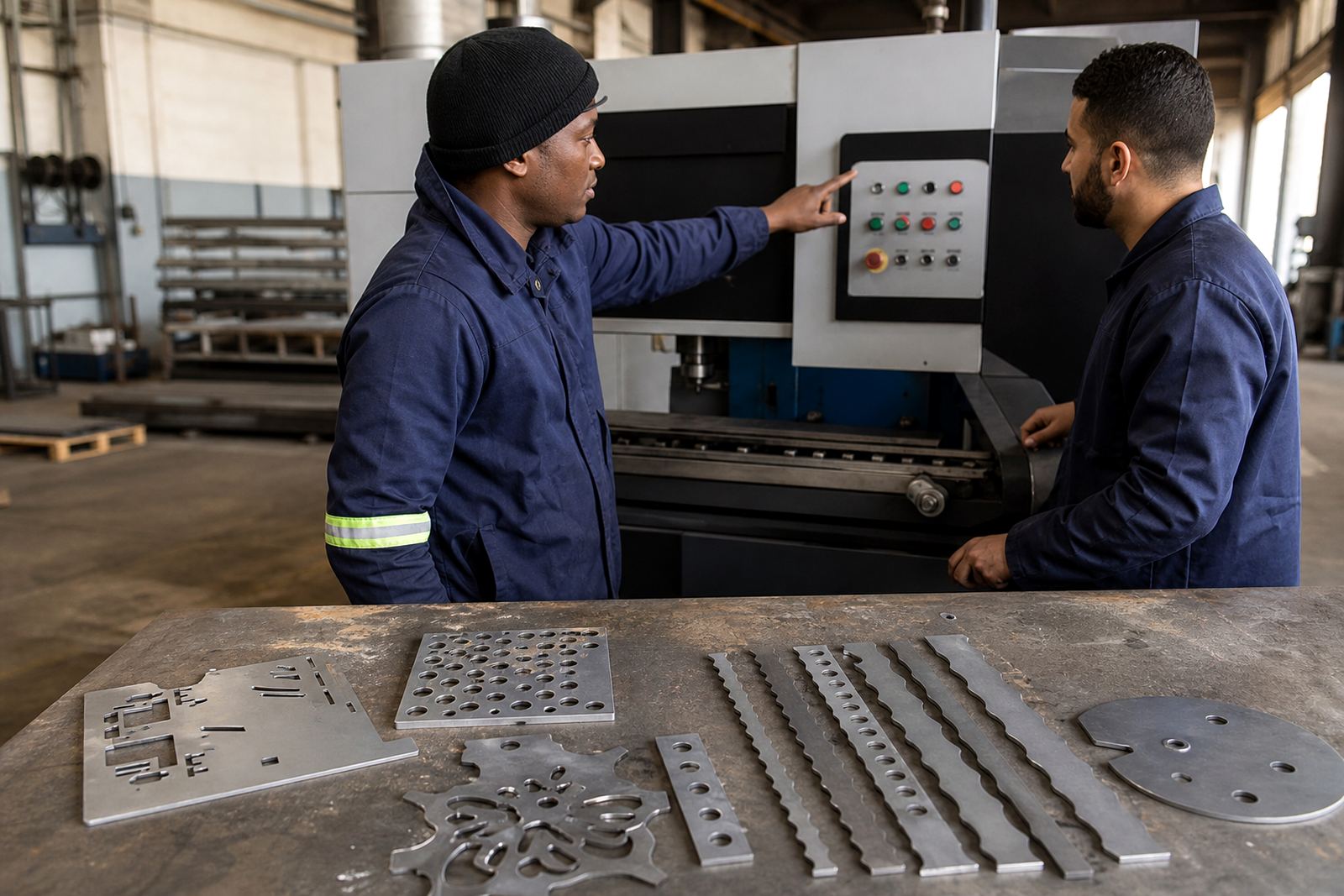
Once on site, the technician or service supervisor checks the machine state, isolates the likely fault zone and tests the obvious failure points first. That may include supply voltage, control signals, emergency stops, overloads, air supply, brush condition, belt tracking, chain tension, bearings and panel alarms. If the machine has suffered a complete stop, we work methodically from the simplest causes to the more involved repairs, so the fault is not masked by guesswork.
- Initial triage from the enquiry form and machine details
- On-site inspection and safe isolation of the machine
- Testing, repair or temporary bypass where appropriate
- Restart checks and finish quality verification on sample parts
Turnaround Times and Downtime Control
Turnaround depends on the fault, the condition of the machine and whether a part has to be replaced or rebuilt. Minor issues such as a failed sensor, loose connection, worn abrasive or out-of-adjustment feed often can be resolved the same day if the machine is accessible and the needed spares are on hand. More involved repairs, such as motor rebuilds, drive faults or damaged feed assemblies, may need a second visit once parts have been confirmed.
We keep the repair plan practical for South African production realities. If your plant runs on shift work and load-shedding affects uptime, we can help plan repair windows around the schedule and advise which faults should be repaired immediately versus during a planned stop. In coastal areas like Durban and Cape Town, we also pay attention to corrosion, humidity and dust build-up, which can shorten component life if they are not checked early.
Where production pressure is high, we can often help with a temporary operating recommendation so the machine can complete urgent work while a lasting repair is arranged. This is not about squeezing extra life from a damaged unit forever, it is about managing downtime sensibly while keeping the process under control.
Parts, Consumables and What We Typically Replace
Breakdowns on deburring machines often come down to parts that have worn beyond tolerance or consumables that were left in service too long. We keep attention on the items that most often affect finish quality and machine stability. If a part is no longer serviceable, we advise on replacement options and fitment compatibility before the machine goes back into full production.
Typical replacement and repair items include drive belts, bearings, rollers, brushes, contact elements, abrasive modules, limit switches, sensors, contactors, fuses, relays, motors and worn fasteners. We also inspect panels, cable routes and mounting points for vibration damage or heat related failure. On some machines, what looks like a simple quality issue is actually a chain reaction from one worn part, so the inspection needs to be complete enough to catch the real cause.
- Brushes, abrasives and finishing heads
- Bearing sets, rollers and feed components
- Sensors, switches, relays and control components
- Drive parts, couplings, belts and motor-related items
Repair Pricing and How We Quote
Our pricing approach is straightforward and based on the actual repair requirement, not a one-size-fits-all rate. A breakdown repair may include a call-out, diagnosis, labour, repair parts, consumables and any follow-up commissioning time. For larger faults, we will explain what is urgent, what can wait, and where a temporary fix would be false economy. That helps you decide whether to repair immediately or bundle the work into a planned maintenance stop.
Where possible, we separate the cost of diagnosis from the cost of the final repair so you know exactly what you are paying for. If the machine needs a replacement assembly or specialist part, we will confirm the pricing before proceeding. This is especially useful for manufacturers who need internal approval before the workshop can release funds. You get a clear picture, not a messy surprise at the end of the job.
For repeat breakdowns, we may recommend a short machine audit so the quote reflects both the immediate fault and the wear pattern that caused it. That approach can lower the total cost over time by preventing the same stop-start cycle from happening again.
Maintenance Intervals That Reduce Repeat Failures
Breakdown repairs are only part of the picture. On deburring equipment, the common failure points often show signs of wear long before the machine stops. A sensible maintenance interval helps avoid emergency call-outs and gives better control over finish quality. For most busy fabrication shops, a weekly operator check, monthly service inspection and a quarterly detailed review is a practical starting point.
Weekly checks should cover dust removal, visible wear on abrasive elements, feed alignment, abnormal noise and any warning lights. Monthly checks should include fastener tightness, belt and chain condition, sensor positions, lubrication points and finish consistency on sample parts. Quarterly or six-monthly visits can be used to inspect motors, bearings, drive components and the overall machine condition more carefully, especially where production runs long shifts or handles heavy volume.
- Weekly: clean-down, noise check, wear check and visual inspection
- Monthly: alignment, tension, lubrication and finish quality review
- Quarterly: detailed mechanical and electrical inspection
- Six-monthly: deeper service for high-volume or 2-shift sites
Why Fabricators Call Deburring for Urgent Repairs
We work specifically with laser-cut sheet metal finishing equipment, so the repair conversation is practical from the start. Pieter Johannes van der Merwe leads the business with the team in Wadeville, Germiston supporting the technical, service and customer side of the job. Thandiwe Mokoena handles sales coordination, Sibusiso Dlamini oversees service response, Ayesha Patel supports applications, Johan Kruger manages workshop work, and Lerato Nkosi keeps client communication moving.
That structure matters when a machine is down and production is waiting. Clients across Johannesburg, Pretoria, Durban, Cape Town and Rustenburg need a support team that can talk about the fault clearly, arrive with the right focus and keep the repair moving without wasting time. If your deburring machine has stopped or is running badly, use the enquiry form and we will take it from there, quickly and in a way that suits your plant.
Key facts
| Service focus | Breakdown repairs for laser-cut sheet metal deburring and edge-finishing machines |
|---|---|
| Response areas | Wadeville, Germiston, Johannesburg, Pretoria, Durban, Cape Town, Rustenburg and the East Rand |
| Fault types | Electrical, mechanical, drive, feed, sensor, abrasive and finish quality issues |
| Typical turnaround | Same day for minor faults, longer for major parts or rebuild work |
| Machine types | Single-head, multi-stage and conveyor-fed finishing systems |
| Support format | On-site diagnosis, repair, restart checks and temporary operating advice where suitable |