
Common spares that keep production moving
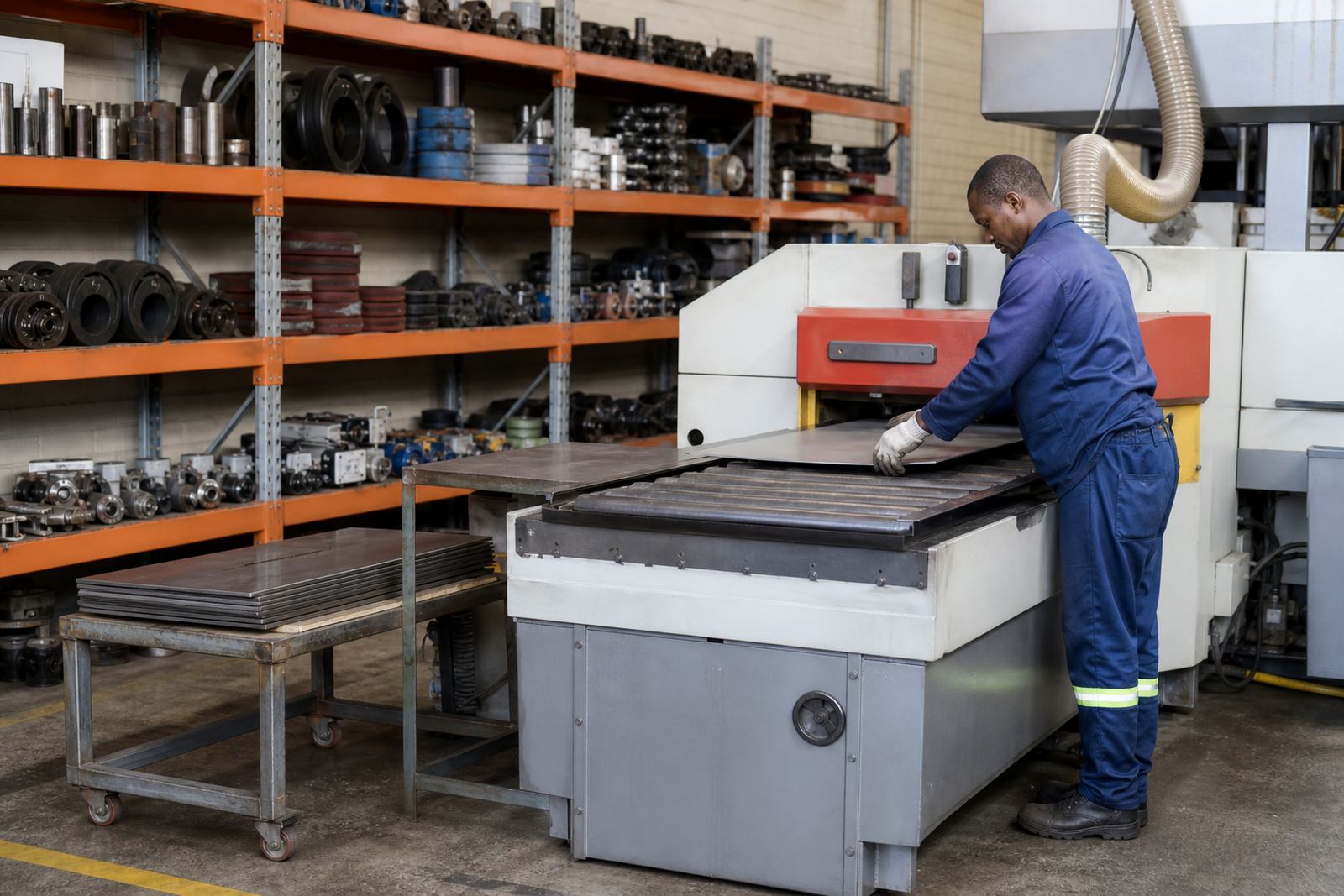
Our spares supply service is built for shops that cannot afford long stoppages. We stock and source the day to day wear items used on deburring and edge-finishing machines for laser-cut sheet metal, so your team can replace parts before they affect finish quality or slow down output. This includes abrasive systems, contact and guide components, drive items, seals, bearings, filters, belts and other service parts matched to the machine specification.
In practice, that means fewer interrupted shifts, less pressure on your operators and better consistency on mild steel, stainless steel and aluminium parts. For coastal sites in Durban or Cape Town, we also help plan around humidity, which can shorten the life of certain consumables if they are left on the floor or stored badly. In Gauteng, where many plants run long hours and work through load-shedding with generators or backup systems, keeping a shelf of fast moving spares is often the difference between finishing the shift and losing a whole batch.
- Wear parts for abrasive and brushing stations
- Belts, rollers, bearings and drive components
- Filters, seals, fasteners and service items
- Consumables needed for routine maintenance intervals
How we handle the supply process
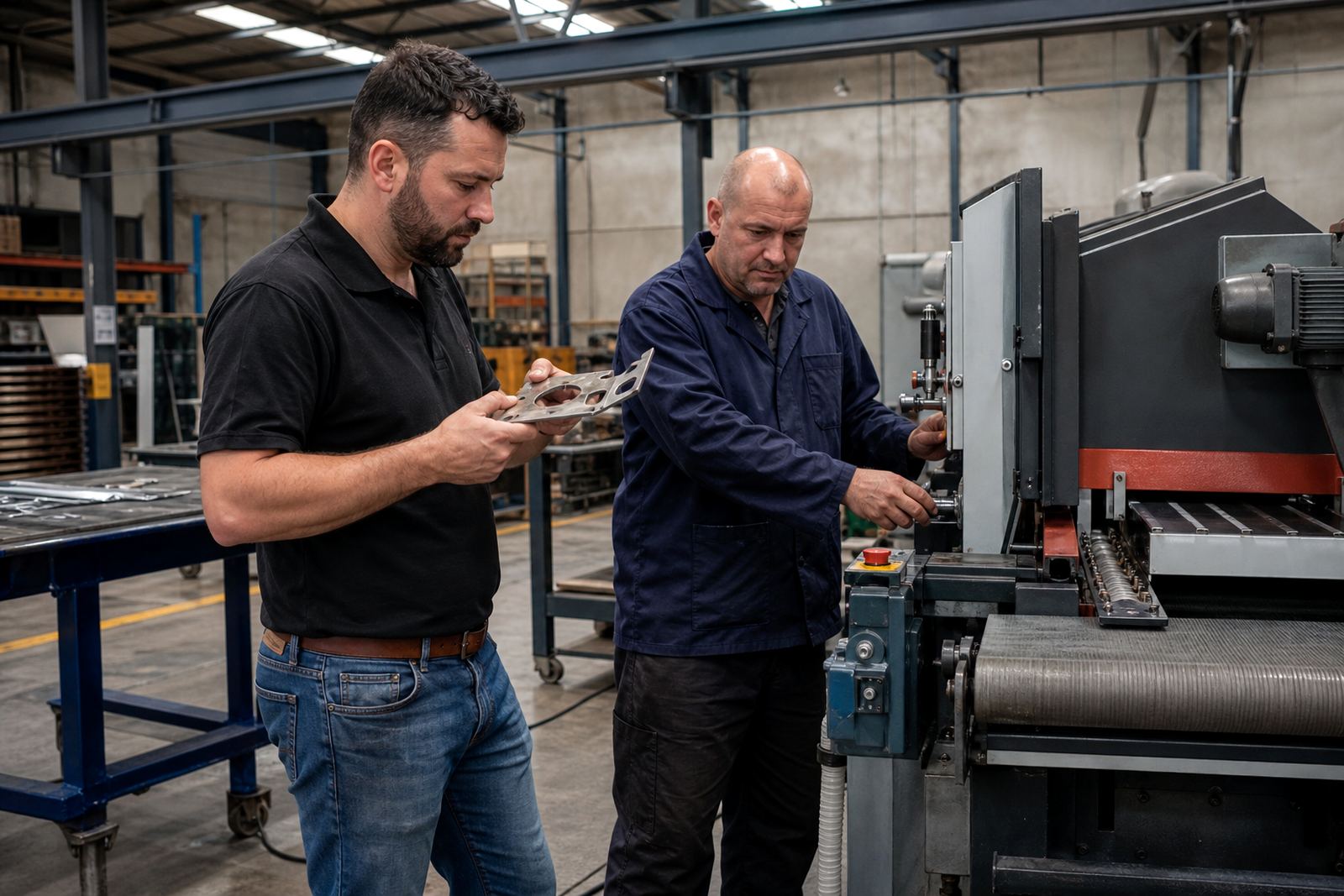
We keep the process practical and short. First, we confirm the machine model, serial number where available, and the part needed. If a part number is missing, our team can identify it from photos, measurements or a quick inspection at your site. This is useful when a machine has been in service for years and documentation is incomplete.
Next, we check stock, confirm the specification and advise on the lead time. If the item is on the shelf in Wadeville, Germiston, we can move quickly. If it needs to be sourced or made to suit a specific machine set-up, we will advise clearly before you approve the order. For clients in Johannesburg, Pretoria and the East Rand, collection or direct delivery can often be arranged. For customers further afield such as Rustenburg, Durban or Cape Town, we package for transport so parts arrive ready for use and not rattling around in transit.
- Identify the machine and part requirement
- Confirm specification, stock and lead time
- Approve the order and pricing
- Dispatch, collect or arrange delivery
Pricing that suits planned maintenance
We price spares according to the actual item, the machine type and the supply route needed. That keeps costs fair for both routine replacements and urgent breakdown support. Where possible, we recommend grouping common wear parts into planned orders, which usually works out better than waiting for an emergency call and paying for rush handling.
For regular users, we can help build a small holding list based on your monthly output, material mix and machine hours. A fabrication shop doing steady laser-cut work in Pretoria may need a different spare profile from a high-volume jobbing shop in Johannesburg or a plant near Durban that runs stainless all week. We do not push unnecessary stock. Instead we help you keep the right parts on hand, in the right quantities, so cash is not tied up in spares that sit for years on a shelf.
On quoted items, pricing is usually based on part type, quantity, availability and any special handling required. If a machine is older, we may suggest alternate service items that achieve the same function, provided they suit the machine safely and do not compromise finish quality.
Maintenance intervals and when to replace parts
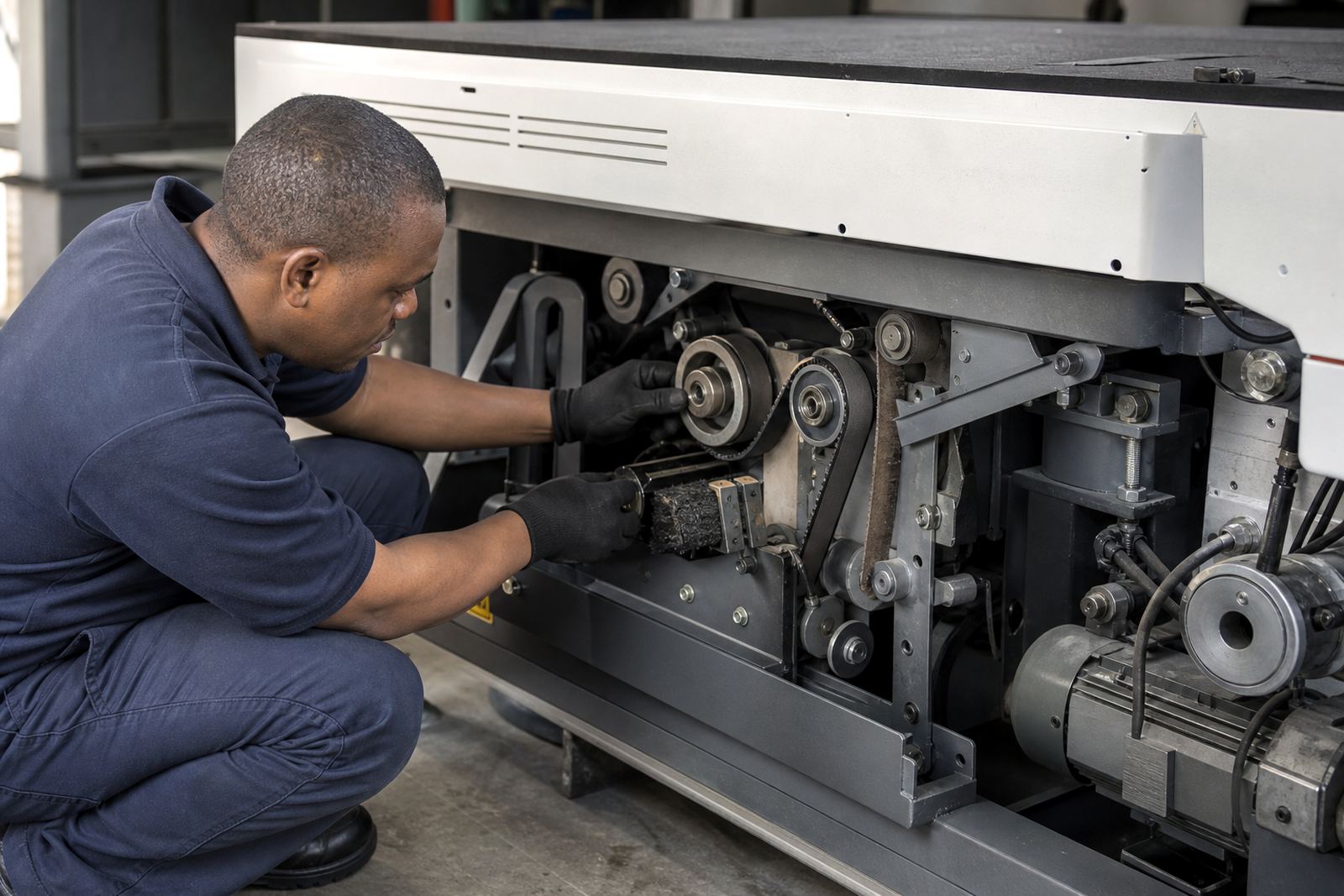
Most spares work is tied to maintenance intervals rather than failure. Abrasive elements, brushes and other contact parts should be inspected daily on busy lines and replaced once finish quality starts to drop, the machine begins to mark edges, or the operating current and feed pattern start changing. Bearings, belts and drive parts are usually checked during planned service intervals, while filters and seals should be replaced as part of routine preventative maintenance.
We typically help clients build a replacement schedule around hours run, not just calendar time. For example, a machine running one shift in Rustenburg will not wear at the same rate as a two or three shift line in Germiston. Coastal humidity also matters, because corrosion on stored parts or light surface contamination can shorten usable life. If your plant experiences power interruptions, we recommend checking electrical service items after any hard restart event and before the next production run. A small inspection now can save a costly stoppage later, and it also helps protect operator safety.
- Daily checks for finish quality, dust build-up and contact wear
- Weekly checks for belts, alignment and fasteners
- Monthly checks for bearings, filters and drive items
- Service replacement based on machine hours and output volume
What our spares support includes on site
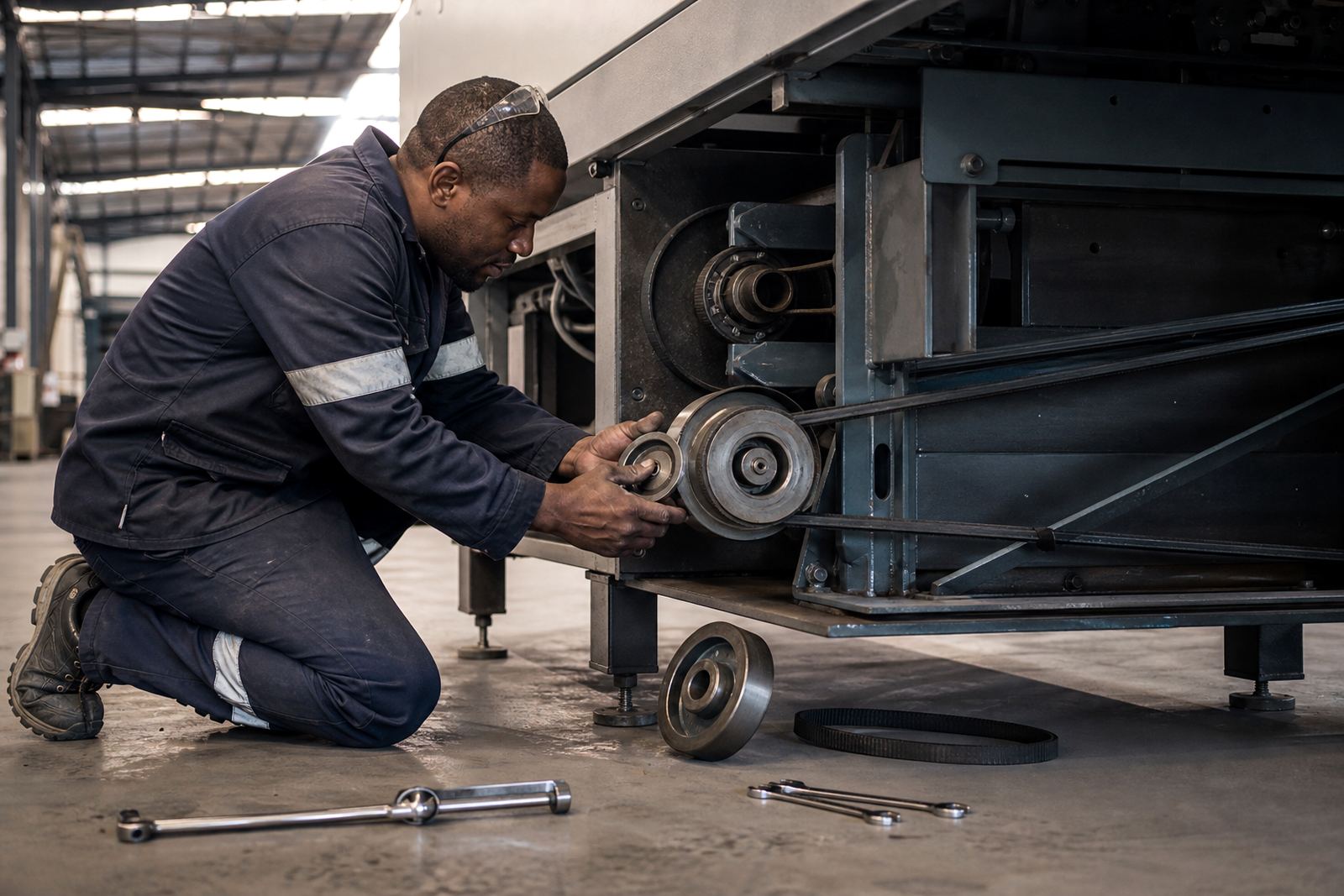
Our spares supply service is more than a parts drop-off. When needed, we work with your maintenance team to verify fitment, check installation points and make sure the replacement part is doing its job properly. This is especially useful where production staff are under pressure and a part change needs to happen between jobs or after hours. If the machine is part of a wider line, we can also help sequence the replacement so upstream and downstream processes are not left waiting.
For plants with limited internal maintenance resources, we can suggest a basic spares basket for the most common failure points. That can include abrasive replacement items, guide components, belts, bearings, seals and a few critical service items matched to the machine. We also support operators with practical advice on storage, cleaning and handling. In many cases the part itself is not the only issue, poor storage, dust, moisture and rough handling are what shorten sevice life.
- Fitment confirmation and basic installation guidance
- Advice on storage and handling of consumables
- Recommended holding stock for critical items
- Integration with maintenance schedules and service visits
Why fabricators across South Africa keep spare parts on hand
Laser-cut sheet metal work is unforgiving when the finishing side falls behind. If the deburring station is waiting on a small part, cut parts can pile up, operators start shuffling work, and delivery dates begin to slip. That is why fabricators from Johannesburg and Pretoria through to Durban, Cape Town and Rustenburg often prefer to keep a planned spares list rather than rely on emergency sourcing.
Our Wadeville base gives us a practical position for East Rand and Gauteng support, but we supply nationally. If your plant is expanding, changing material thicknesses or increasing shift hours, we can review the spare parts profile and suggest what should be kept in store. The goal is simple: less downtime, cleaner edges and a more predictable production flow. For busy workshops, that kind of control matters far more than fancy promises. It also helps your operators work with confidence because they know the machine will be ready when the next job lands.
Key facts
| Service focus | Wear parts and service items for deburring and edge-finishing machines |
|---|---|
| Supported material | Laser-cut mild steel, stainless steel and aluminium sheet |
| Typical stock items | Abrasives, brushes, belts, bearings, seals, filters and drive components |
| Supply area | Wadeville, Germiston and nationwide delivery across South Africa |
| Turnaround | Same day on stocked items, quoted lead times on sourced parts |
| Pricing method | Based on part type, quantity, availability and delivery requirement |