Start With Output, Not Just Machine Price
A deburring machine may be a once-off capital purchase, but the running cost comes from the parts that do the actual work every day. For laser-cut sheet metal, that usually means abrasive belts, brushing units, contact rollers, pads, and the smaller wear items that slowly lose performance under load.
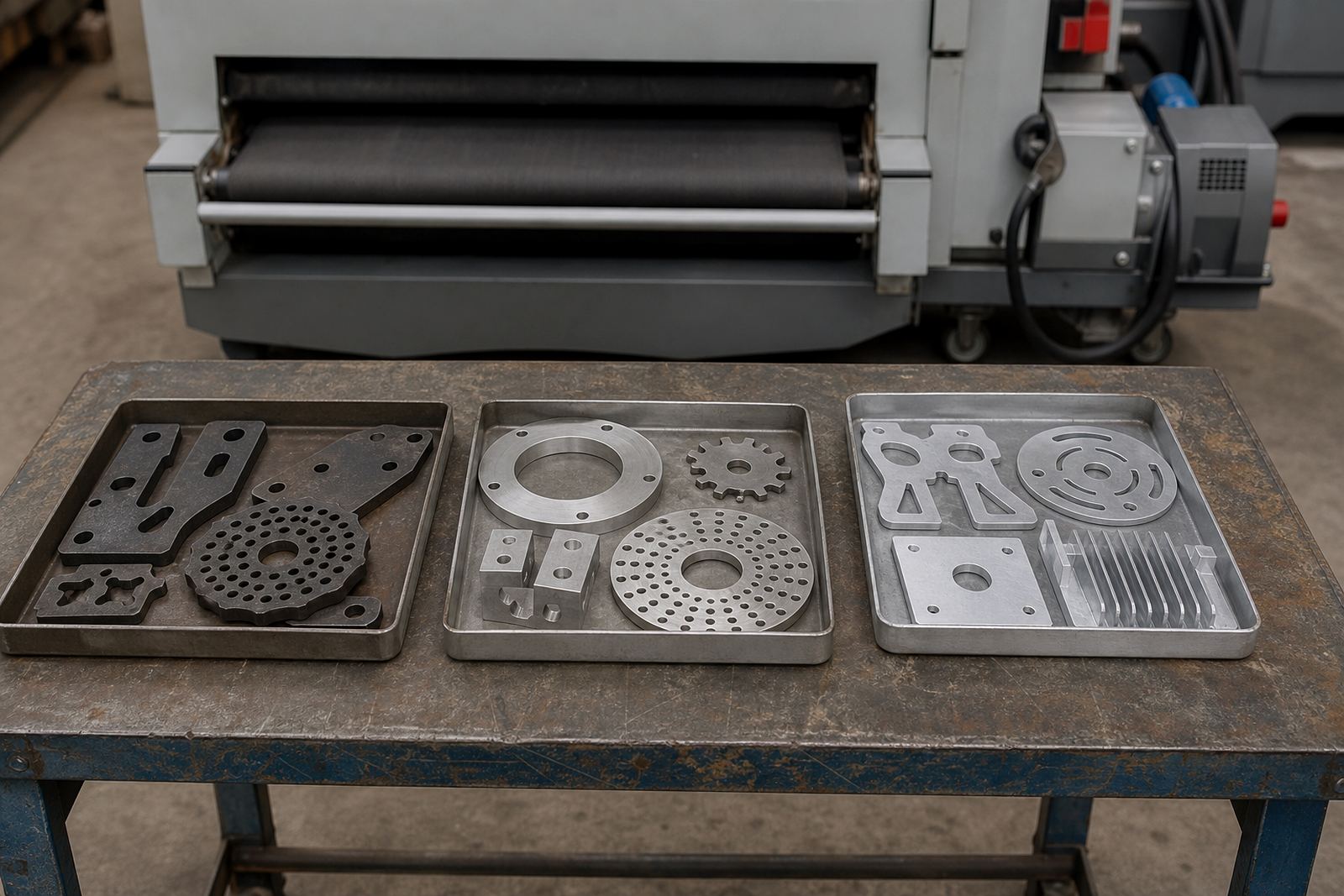
The easiest way to budget is to work backwards from output. Ask how many sheets or parts you process in a shift, what thickness range you run most often, and whether the material is mild steel, stainless steel or aluminium. A shop in Wadeville running a single shift on light gauge parts will use consumables differently from a Durban plant doing mixed material jobs with coastal humidity and more frequent changeovers. The more varied the work, the less useful a single “average” cost becomes.
For budgeting, separate spend into three buckets: normal wear, planned replacement and unexpected damage. Normal wear is the steady monthly amount. Planned replacement covers parts you know will be needed after a set number of hours. Unexpected damage covers bent carriers, torn belts or consumables ruined by a bad batch of parts. Keep those buckets separate and your budget will be far easier to manage.
Work Out Your Monthly Consumables Baseline
Before you can forecast anything, record what you used over the last three to six months. If the machine is new, use the first 60 to 90 days of production data and then adjust once the workload settles. The numbers matter more than the guess.
- Count the abrasive belts, brushes, pads and wear strips used each month.
- Note the material thickness and type processed during that period.
- Record shift length, number of operators and any overtime runs.
- Separate machine wear from misuse, such as incorrect loading or poor cleaning.
- List parts that were replaced early because of job mix or heavy burr conditions.
Once you have the list, calculate an average monthly cost and then add a margin for variation. In many South African workshops, a sensible starting point is 10% to 20% above the recent average, especially where job flow changes from week to week. If you serve builders, cabinet makers, agricultural suppliers or general fabricators, the work often changes fast and the parts spend can jump with it.
Do not forget the hidden items. Cleaning materials, compressed air use, gloves worn through during handling, and stoppage time while a worn consumable is changed all affect the real cost. They may not show on the spares invoice, but they show in the month end.
Know Which Parts Wear First
Not every consumable wears at the same rate. Some parts take the load directly while others support the process and last longer. If you know the wear pattern, you can buy smarter and keep better stock on hand.
On most deburring and edge-finishing systems, abrasives are among the fastest moving items because they are doing the cutting and finishing work. Brushes can also wear quickly if the shop runs sharp edges, heavy burrs or abrasive dust. Contact parts and guide components often last longer, but once they start to fail they can affect finish quality straight away.
- Abrasive belts: usually the most frequent replacement item.
- Brushes and finishing heads: depend on edge condition and material mix.
- Wear pads, rollers and guides: slower wear but important for accuracy.
- Fasteners and small fittings: low cost, but worth keeping in stock.
- Cleaning and protection items: essential where dust and humidity are high.
If your site is in Gauteng, dust and dry air can shorten some wear patterns in a different way to a coastal site. In places like Cape Town or Durban, moisture can affect storage and finish consistency, so consumables should be kept dry and sealed. It sounds basic, but poor storage can make a new part perform badly before it ever gets fitted.
Budget By Hours, Not Only By Calendar Month
A calendar budget is useful for accounts, but machine wear follows operating hours. A machine used for 4 hours a day will not consume the same amount as one running two shifts, even if both sites spend the same on wages and electricity. For that reason, hour based budgeting gives a more honest picture.
Set a cost per operating hour by dividing total consumables spend by machine hours. Then track it against output. If your cost per hour rises while output stays flat, the machine may need an audit, better cleaning, or a different process setting. If cost per hour is stable but output falls, the cause may be dull consumables, poor part preparation, or a layout problem upstream.
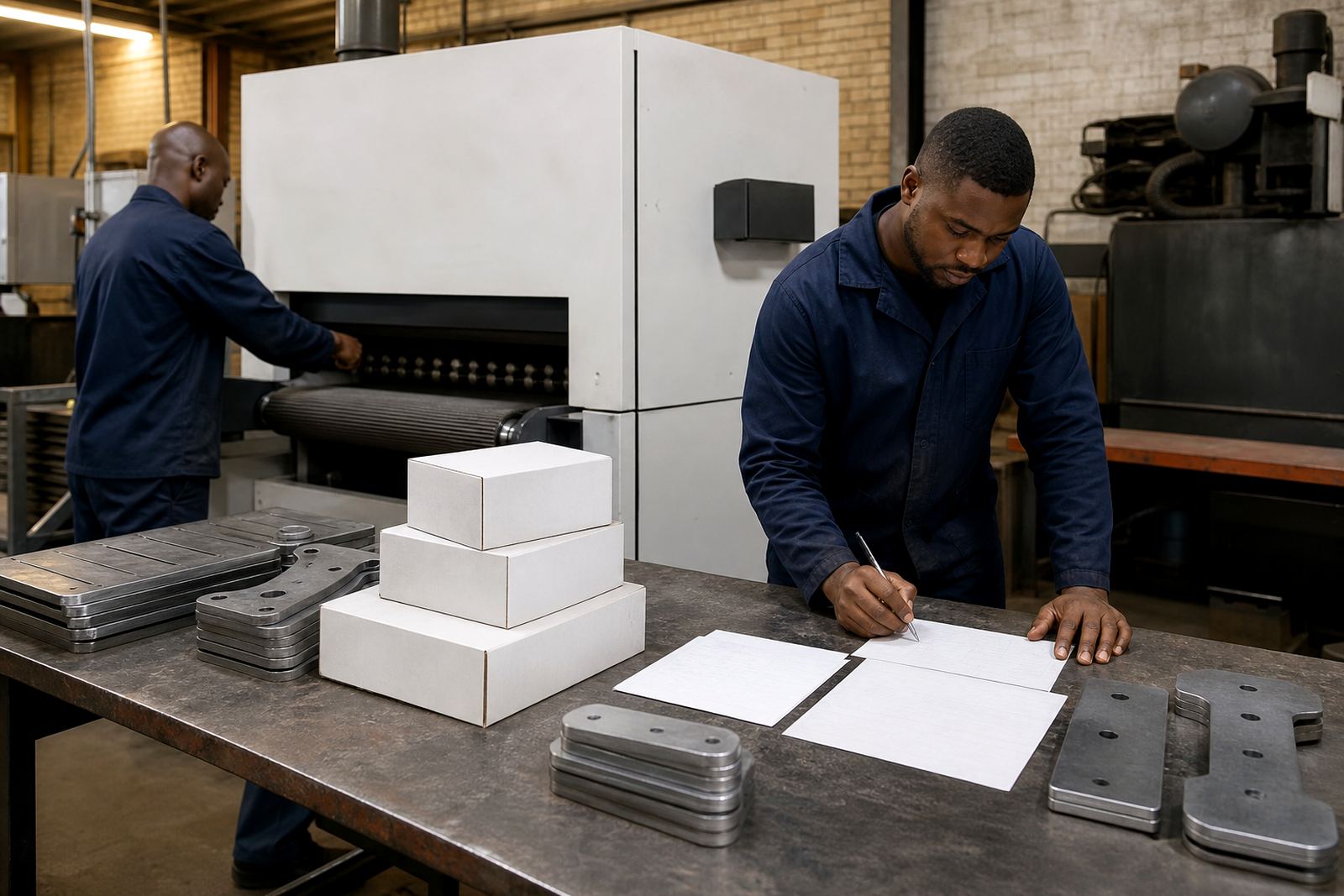
A useful practice is to keep a simple log with these fields:
- Date and shift
- Machine hours
- Material type and thickness
- Consumables fitted
- Consumables removed
- Reason for replacement
- Any finish issues or stoppages
This makes forecasting easier and helps when you plan stock for busy periods, public holidays or year-end shutdowns. It also helps if your site must manage load-shedding, because interrupted production can change how and when wear items are used.
Keep Spares Stocked For The Parts That Stop Production
Some consumables can wait. Others should never be left to chance. If a worn item can halt production for a full shift, it belongs on the critical spares list. That list should be reviewed every quarter and updated after any major process change.
For most workshops, the safest approach is to hold enough stock for the lead time plus a buffer. If a part normally lasts six weeks and takes two weeks to source, keep at least one spare set on site. If your process is high volume or your customers expect short turnaround times, the buffer should be bigger.
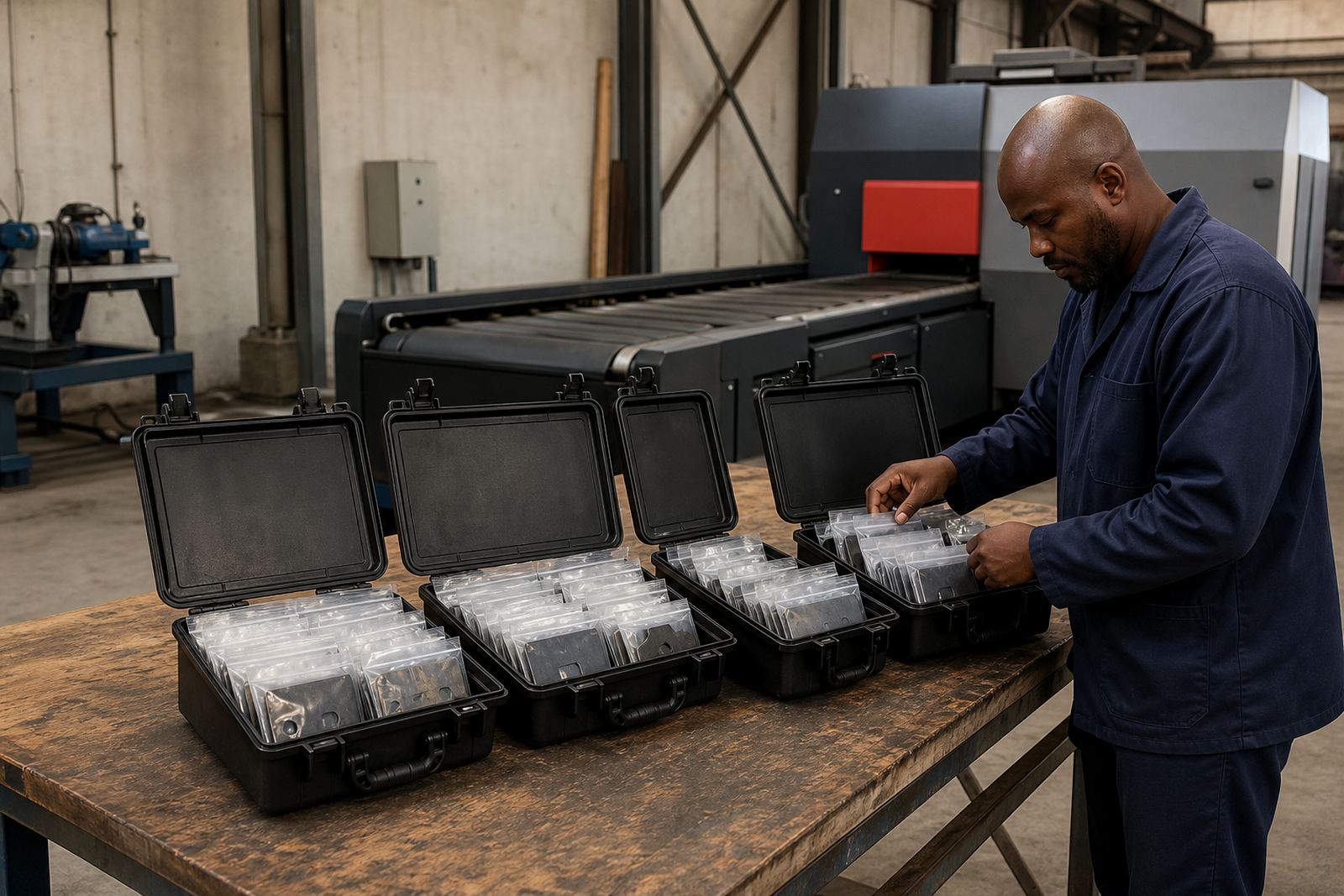
- Keep fast-moving abrasive and brush items on the shelf.
- Store spares in a dry, labelled cabinet away from grinding dust.
- Check expiry or condition on any bonded or coated consumable.
- Rotate stock so older items are used first.
- Review stock after shutdowns, audits and major service work.
Good stock control is not about tying up cash. It is about preventing downtime, avoiding rush freight and making sure production does not stall because one small item was overlooked. In a busy Gauteng workshop that can save a full day’s output, which is worth far more than the spare part itself.
Use Planned Maintenance To Stretch Consumable Value
Consumables last longer when the machine is set up properly and maintained on schedule. Misalignment, dirty extraction, worn feed components and poor operator habits all waste abrasive life. The result is higher spend and less consistent finish quality.
Scheduled service checks should include alignment, condition of wear parts, belt tracking, brush contact and cleaning of dust build-up. If the machine is being used on mixed job work, small setting changes can make a big difference to consumable life. A machine that is slightly out of tune may still run, but it will cost more every month.
Use these checks to control spend:
- Confirm the machine is set correctly for the part thickness.
- Check extraction and dust removal before shift start.
- Train operators to stop early when finish quality changes.
- Inspect consumables before they fail completely.
- Record any repeat wear pattern and investigate the cause.
That last point matters. If the same belt or brush type keeps failing early, the problem may be the part mix, the feed rate or the way the job is being loaded. Fix the cause and you usually reduce spend without changing the machine.
Build A Simple Budget Review Routine
A good consumables budget is not a once a year document. It should be reviewed regularly, especially when order volumes change or new materials are added to the shop floor. A quarterly review works well for many South African fabricators, with a quick monthly check on spend and stock levels.
Use the review to answer five questions: Did spend match the forecast? Which consumables moved fastest? Was there any downtime linked to wear parts? Did product mix change? Do we need more stock or less? If the answer to any of those is unclear, the budget is probably too loose.
When you keep the review simple, the numbers stay useful. The aim is not to make the spreadsheet complicated. It is to know what it really costs to finish laser-cut sheet metal cleanly and on time, with no nasty surprises at month end.
If you need help matching consumables to your production mix, a sample part test or process review can show where the real spend is going. That is often the fastest way to protect margin and keep your workshop moving.