Start With the Parts You Cut Every Day
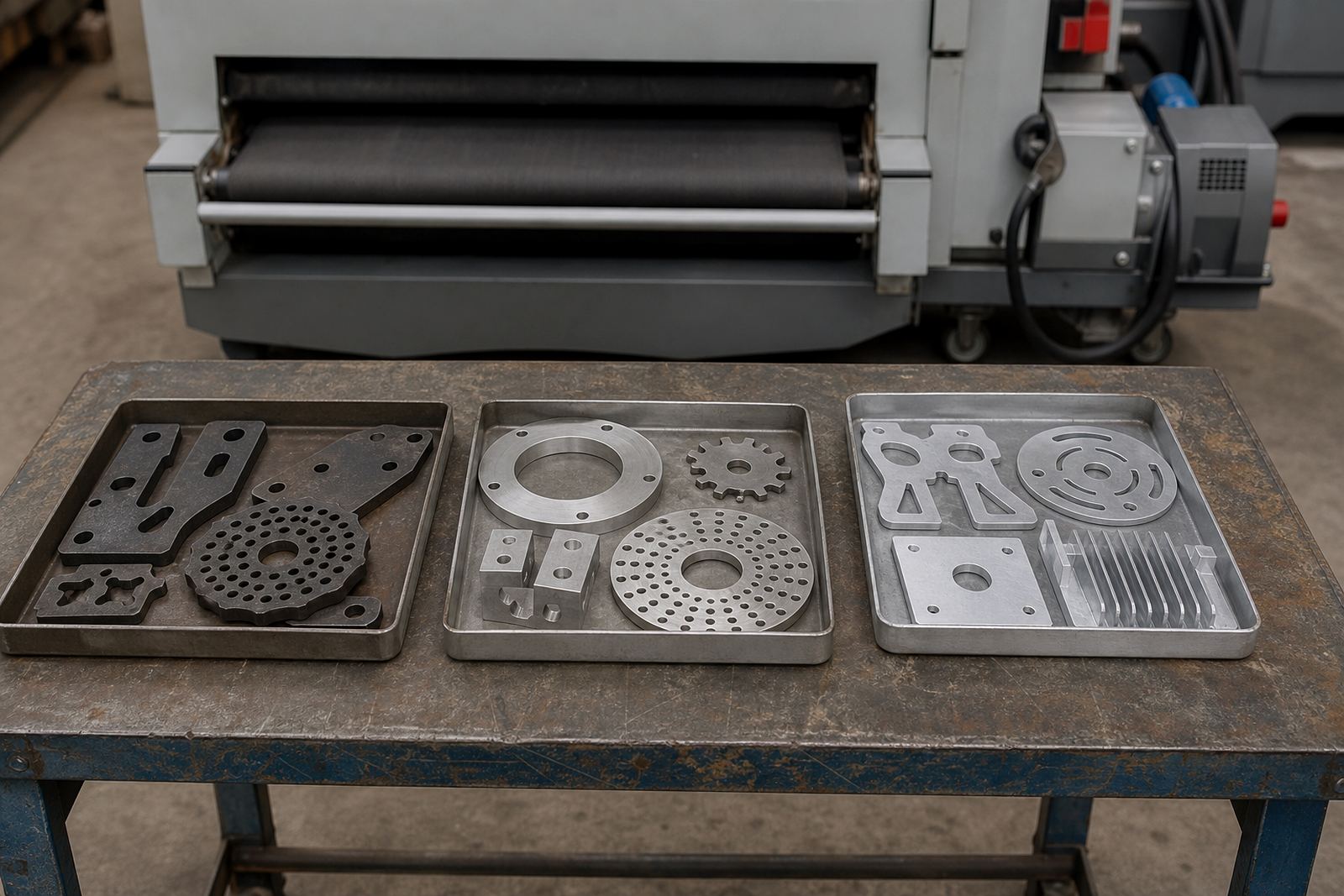
Before looking at machine sizes or power options, lay out the parts you actually run through the laser. The first machine should match your material range, sheet sizes and the kind of edges you need to present to customers. A workshop doing 1.2 mm to 3 mm mild steel brackets has different needs from one handling stainless panels or aluminium covers with fine handling marks.
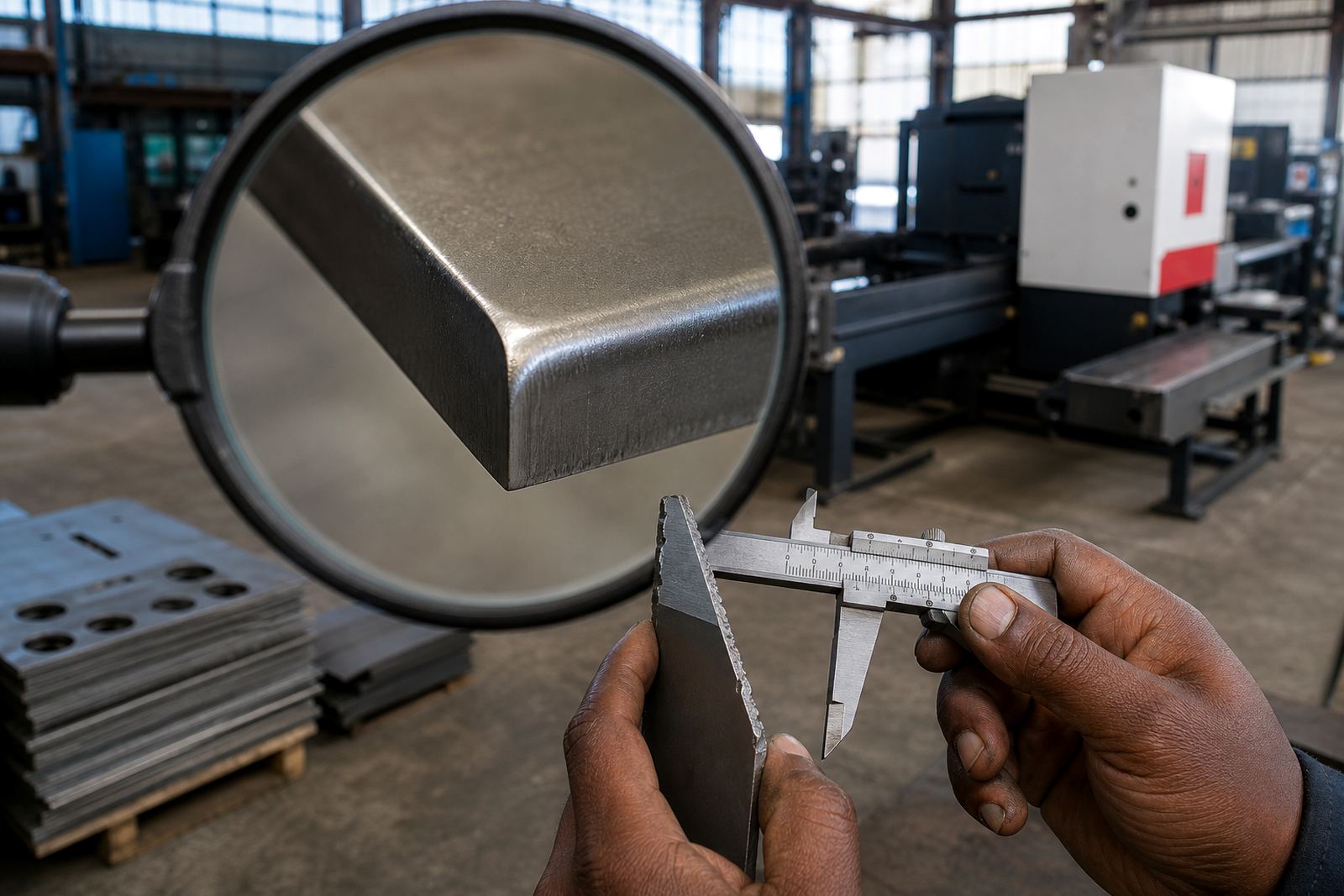
Walk the floor and note which parts cause the most rework. Look for sharp burrs, oxide on the cut edge, small tabs that break off and corners that need a smoother finish before folding, painting or assembly. If your work includes exports, electrical enclosures or visible components, the finish standard usually has to be tighter. That is where sample part testing helps, because a machine that works well on one part may leave marks on another.
In Wadeville and across the East Rand, many fabricators start by sending a few typical parts for testing rather than guessing from a brochure. It saves time, and it gives a clear idea of what the machine will do before money is committed.
Choose the Finish You Actually Need
Deburring and edge-finishing is not one job with one result. Some workshops need light burr removal only, while others need a consistent surface finish across the full sheet. If your laser cut parts go straight to powder coating, the machine must leave the edge clean without rounding too much. If parts are handled by customers, the finish may need to feel smooth and safe in the hand.
Think about the materials as well. Stainless steel, mild steel and aluminium all behave differently. Fine parts with slots and internal cut-outs can catch abrasive media or distort if the process is too aggressive. Heavy sheet may need a different feed style and more stable support. Ask for a process that suits your mix, not just one demo part that looks good on the day.
- List your top 20 parts by volume
- Mark which ones are painted, folded or assembled after cutting
- Note any sharp edges that have caused complaints or injury risk
- Separate thin sheet from heavier plate work
- Keep one or two sample parts for testing and comparison
Check the Space, Power and Workflow Before Delivery
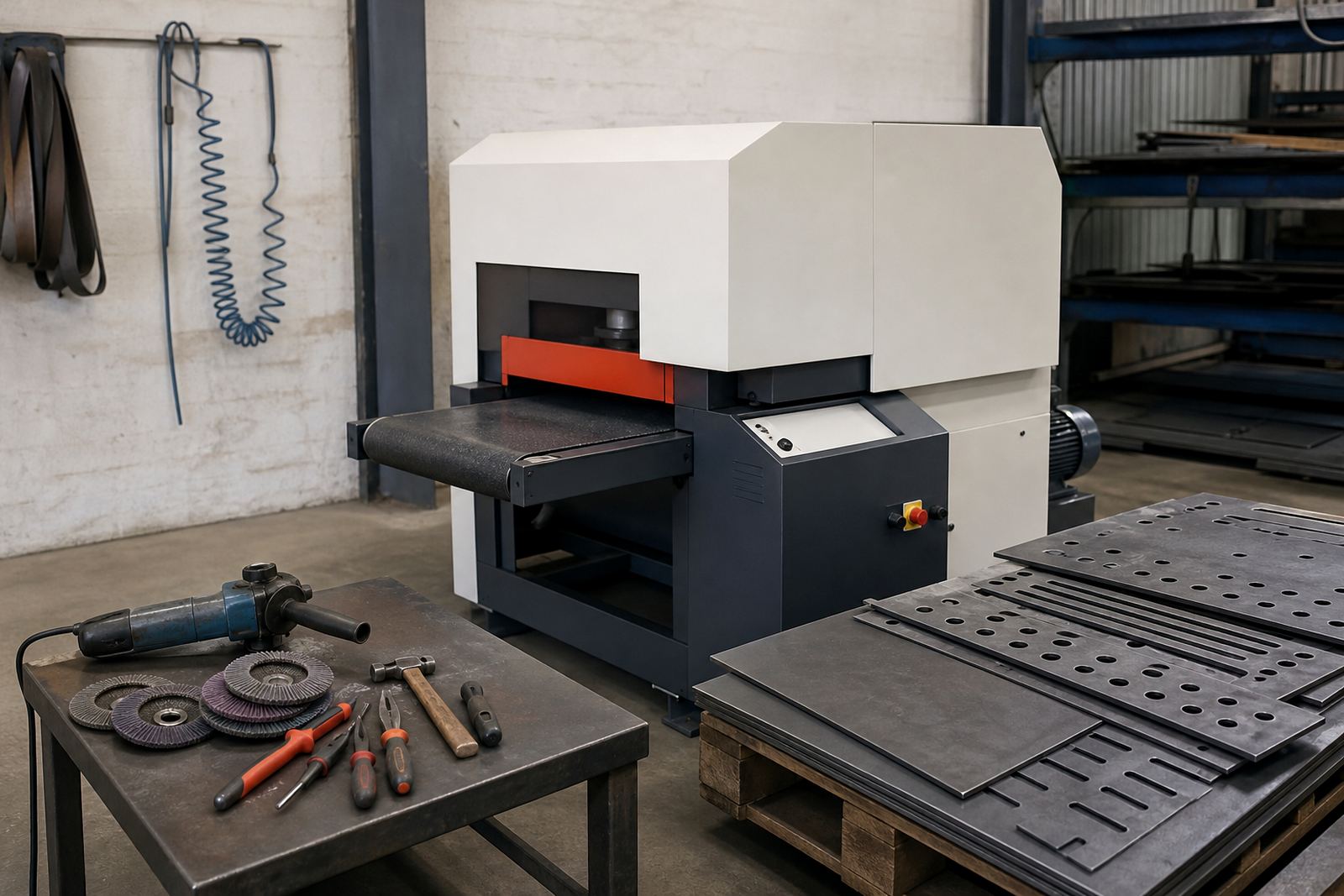
A first machine should fit your workshop layout without creating bottlenecks. Measure the available floor space, turning room for trolleys, access for forklifts or pallet jacks, and the path from receiving to cutting to finishing. In some factories the biggest problem is not the machine itself, but where the load can be dropped and how the parts will move around it.
Power supply matters too. South African workshops know the effect of load-shedding, voltage dips and morning start-up delays. Check what electrical supply the machine needs, what protection is required, and whether you need backup planning for production continuity. If the machine will run near the coast, dust and humidity should also be considered, especially in Durban and Cape Town where corrosion can creep into guards, bearings and stored abrasives if housekeeping is poor.
Ask how the machine will be fed and offloaded. A simple, straight workflow reduces handling damage and keeps operators moving. If the machine is too far from the laser or folding area, parts can pile up and slow the shift down.
Plan Who Will Run It on Day One
The best first machine is one your team can operate confidently. Even a well-built machine loses value if the staff do not understand settings, maintenance points or quality checks. Build operator training into the purchase, not afterwards when production is already under pressure.
For a new team, make sure one person is responsible for daily checks and one person is trained to spot wear before it becomes a breakdown. Good training should cover feed speed, abrasive condition, edge inspection, machine cleaning and safe handling of sharp parts. It should also include what to do when a sheet jams or a finish starts to vary from part to part.
- Assign one primary operator and one backup operator
- Train staff on start-up and shut-down checks
- Show the team what worn abrasives look like
- Set a simple inspection routine for the first and last part of each job
- Keep a written record of faults, settings and maintenance actions
Compare Total Running Cost, Not Just Purchase Price
The purchase figure is only one part of the decision. A cheaper machine can become expensive if it uses consumables quickly, needs frequent stoppages or cannot keep up with your daily sheet volume. Look at abrasive replacement, service intervals, spare parts availability and the time taken to change consumables.
Ask how much production time the machine saves compared with hand finishing. A workshop in Johannesburg or Pretoria may be chasing shorter lead times and repeat work, while a fabricator in Rustenburg may need a machine that can keep up with mining-related parts and tougher schedules. The right machine should help the business finish more parts in less time, with less variation between operators.
Also ask about service support. If a machine stops on a busy Thursday, you need to know who can attend, what spares are commonly kept and how long the wait is likely to be. Annual service contracts can be useful for workshops that want predictable upkeep and less surprise downtime.
Use a Simple Buying Checklist Before You Commit
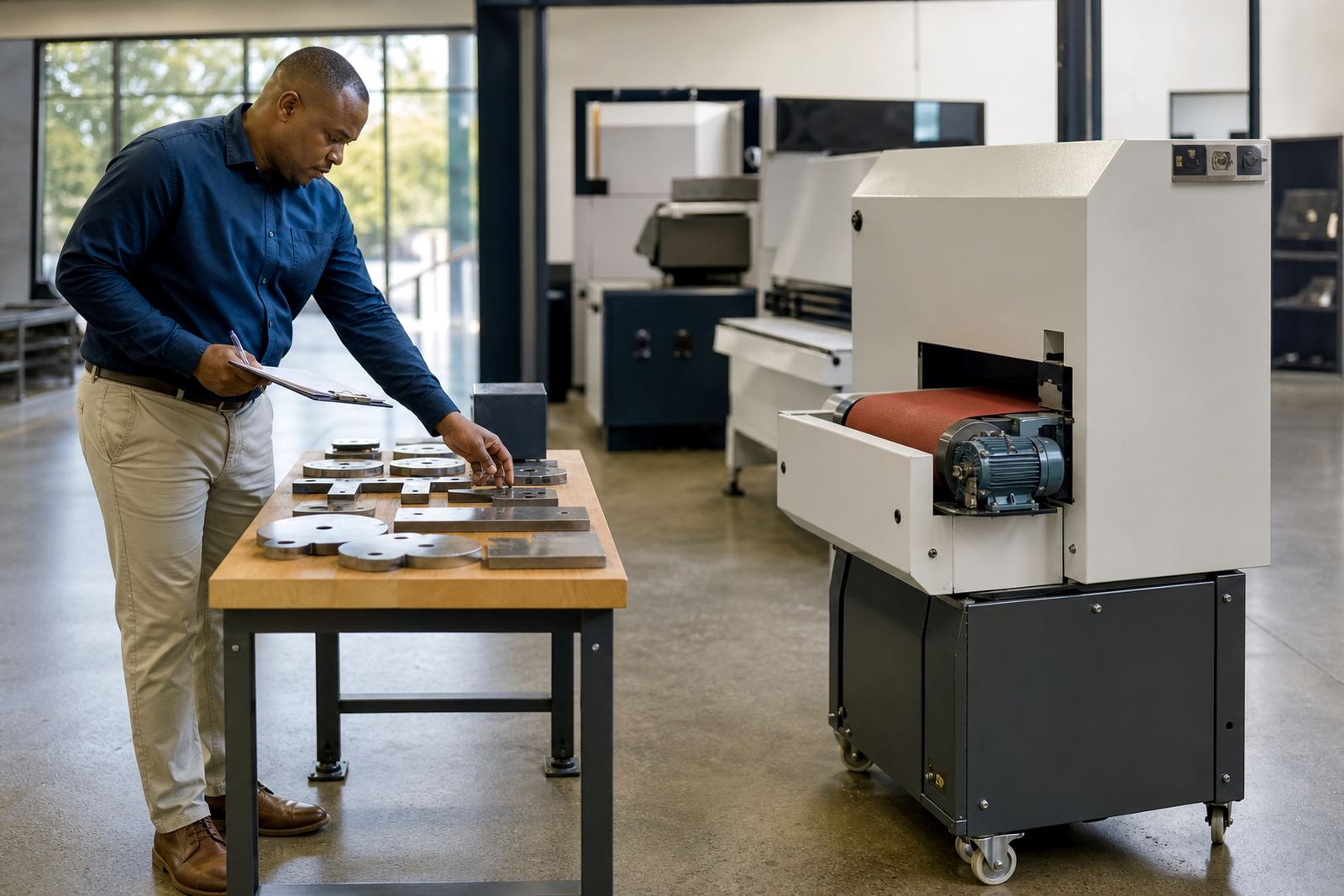
Before you sign off, run through a final checklist with your team and supplier. This keeps the decision practical and helps avoid buying a machine that looks suitable but does not suit your parts, staff or output. A short test run with your own material is often the clearest proof.
If your business is in Germiston, Johannesburg, Pretoria, Durban, Cape Town or Rustenburg, think about support access as part of the decision. Installation, relocation support and breakdown repair response times matter because every day off the line has a cost. A first machine should be a tool that helps the workshop grow, not one that creates new headaches.
- Does the machine suit your thinnest and thickest regular material?
- Can it handle your average sheet size and part mix?
- Have you tested real parts, not only sample plates?
- Do you understand power needs and floor space?
- Has the team been trained on operation and cleaning?
- Is there a clear plan for spares, service and preventive maintenance?
- Will the machine improve finishing consistency across the whole shift?
If the answer is yes to most of these, you are likely close to the right choice. The aim is not to buy the biggest machine, but the one that fits your production now and still makes sense as work grows.