Start With Your Daily Part Mix
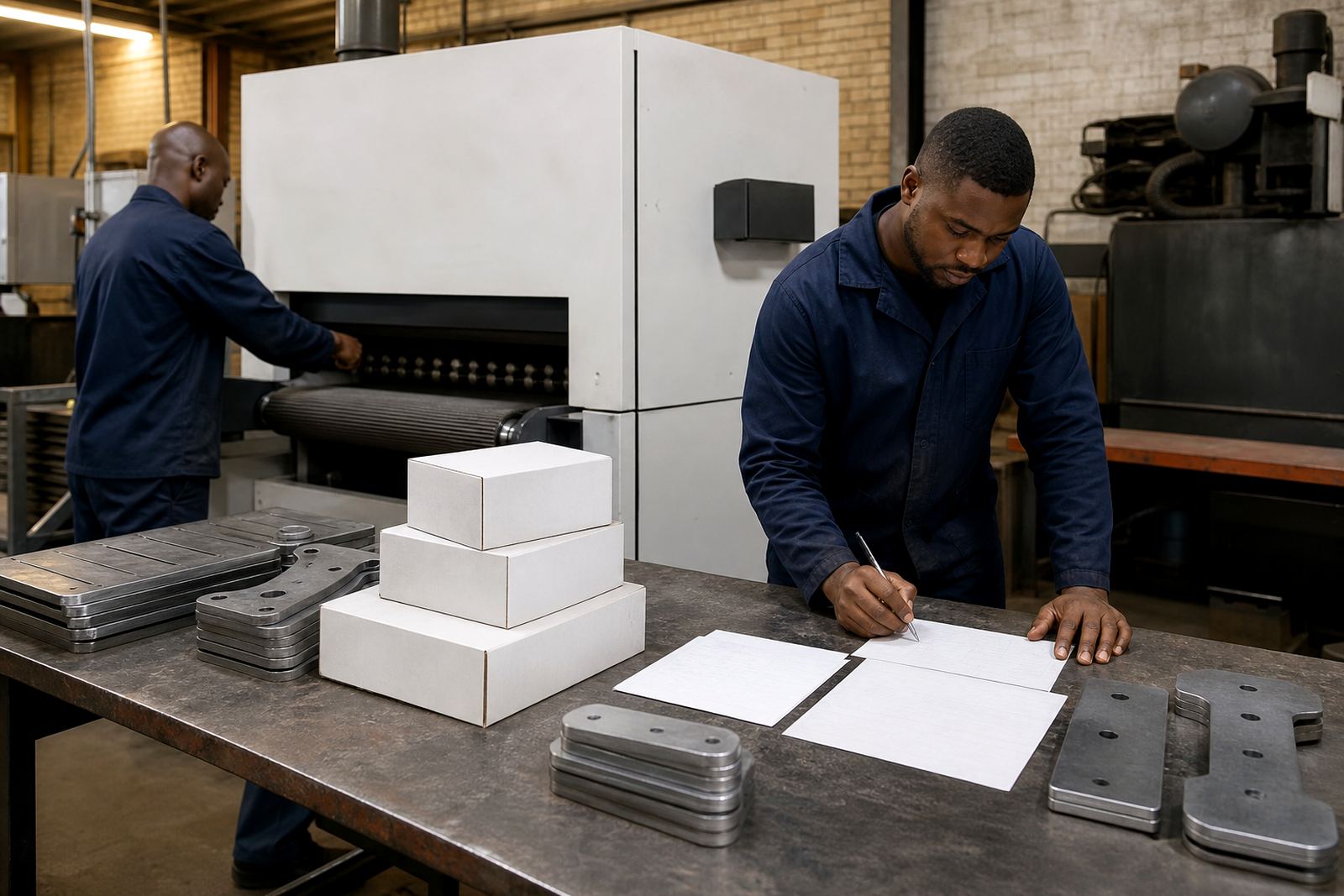
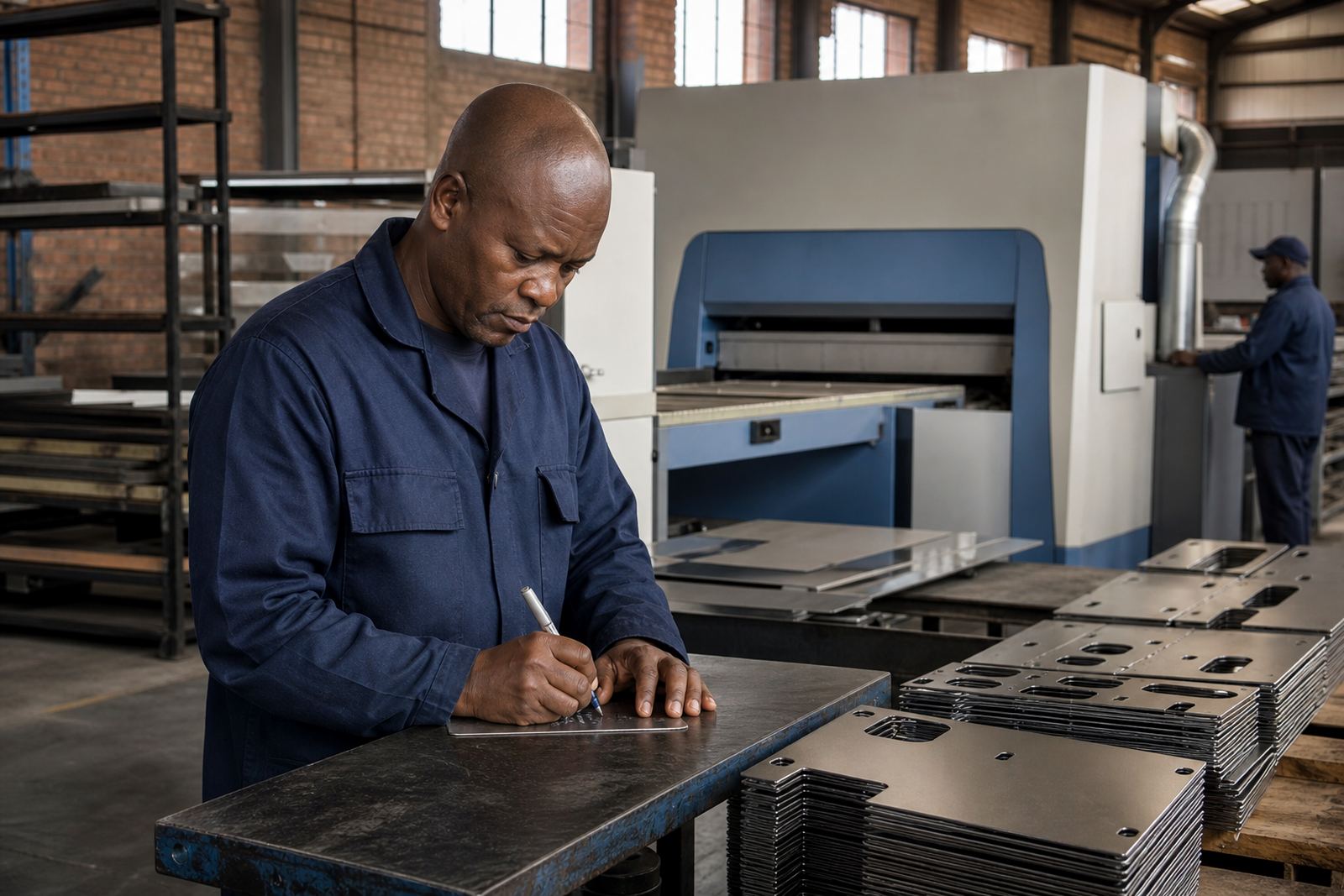
Begin with real job data from your laser line, not best-case guesses. Count how many sheets leave the laser each shift, then group the parts by material thickness, size, and finish requirement. A small box of light-gauge brackets needs a very different setup from heavy plate parts with tight burr limits.
For most South African fabricators, the easiest method is to look at one normal week and work from that average. If your load-shedding schedule changes shift length, note the actual hours available, not the planned hours on paper. That gives you a more honest picture of what the machine must handle.
- Sheets or parts produced per shift
- Typical thickness range, for example 1.0 mm to 6.0 mm
- Percentage of parts needing both sides finished
- Share of urgent work, repeat orders, and one-off jobs
Work Out Throughput In Parts Per Hour
Once you know the mix, estimate how many parts must pass through the deburring machine each hour. The key is to include loading time, flip time, edge finishing, and unloading time. If one part takes 20 seconds and another takes 2 minutes, averaging them too early can hide the real workload.
A simple way to calculate is to divide the number of parts for the shift by the effective running hours. If you run 300 parts in a 7-hour effective shift, your target is about 43 parts per hour. Then add a buffer for inspections, consumables changeovers and stoppages. In workshops with frequent changeovers, a 10 to 20 percent allowance is usually sensible.
- Calculate total parts per shift
- Subtract tea breaks, meetings and cleaning time
- Add allowance for part handling and inspection
- Set a realistic hourly target, not a wish list
Match Utilisation To Real Shift Conditions
Utilisation tells you how much of the machine’s available time is actually productive. If the machine is installed for 10 hours but only processes parts for 6 hours, utilisation is 60 percent. That can be fine for a busy shop, but it becomes a problem when orders increase and the queue grows behind the laser.
Look at your current constraints. In Gauteng, power interruptions can cut the working day and create start-stop production. On the coast, humidity can affect stored abrasives and part handling. If your team already works around municipal noise limits or after-hours access rules, these factors should sit in the calculation too. The aim is not perfect numbers, just a usable plan.
- Available shift hours
- Actual running hours after stoppages
- Expected unplanned downtime
- Spare capacity for rush orders
Separate Easy Parts From Difficult Parts
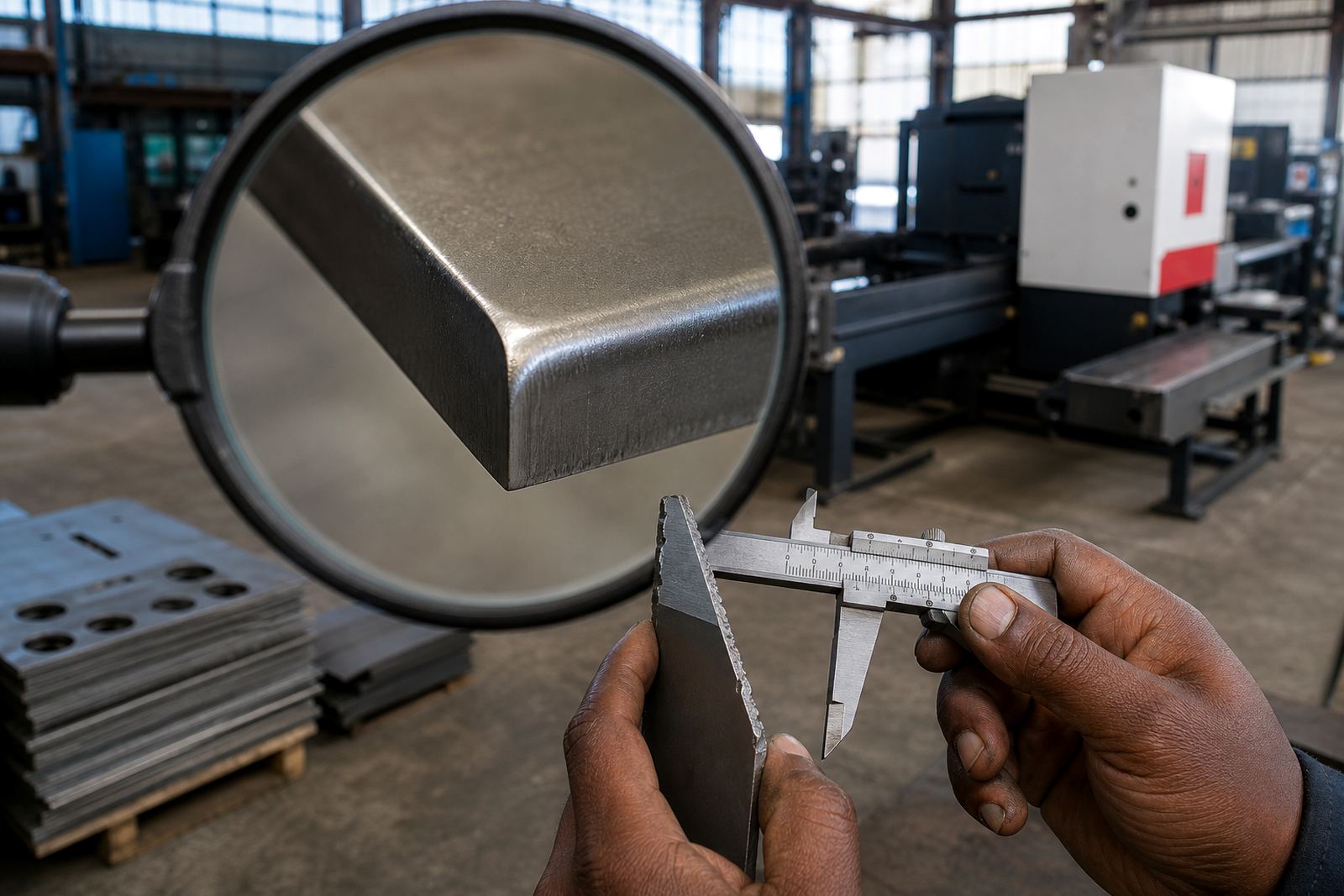
Not every laser-cut part spends the same time in finishing. Thin parts with minor dross move quickly, while heavier parts with sharp edges, slag or heat-affected zones take longer. If you mix them all into one average, the numbers can mislead you and the machine may be undersized.
Create three or four categories and assign each one a time range. For example, light parts might take 15 to 30 seconds each, medium parts 30 to 60 seconds, and difficult parts more than a minute. This helps when you compare production need against the machine’s actual capability.
- Light parts: small brackets, short runs, minimal burr
- Medium parts: mixed sizes, moderate edge clean-up
- Heavy parts: thicker material, larger burr, more handling
- Special parts: delicate shapes, tight finish requirements
Build In Maintenance, Abrasive Changes And Rework
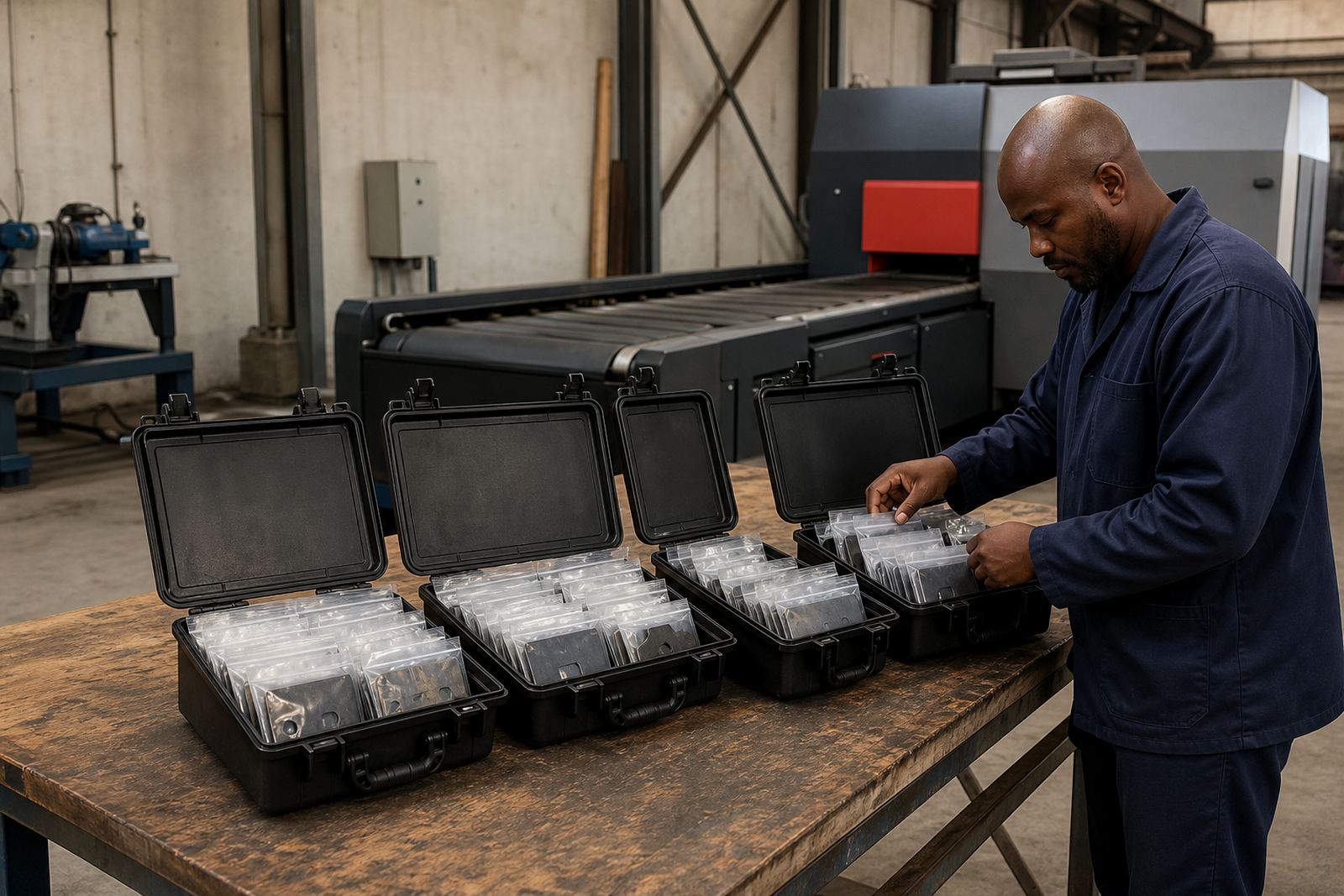
Production planning breaks down when maintenance is ignored. Abrasive replacement, belt wear, dust extraction cleaning and preventive checks all take time. If your line runs hard for days at a time, schedule these tasks before they become breakdowns. A machine that is stopped for 20 minutes every few hours can lose a full production slot by the end of the week.
Also allow for rework. Some jobs will need a second pass if the laser left heavier slag or if a customer asks for a cleaner finish on a critical edge. It is better to build a small rework allowance into your estimate than to promise a delivery date you cannot keep.
- Weekly preventive maintenance time
- Abrasive and consumable replacement time
- Inspection and rework allowance
- Cleaning time for dust and scrap build-up
Turn The Numbers Into A Practical Capacity Plan
Once you have your throughput, utilisation, and downtime figures, compare them with the machine’s rated output. If the machine can handle more than your current need, you may have room for growth or for extra shifts. If the gap is small, you need a tighter schedule, better part grouping, or a second machine in future.
This is where local support matters. A fabricator in Rustenburg may need a different service response than a shop in Cape Town or Pretoria, especially when production cannot wait for parts or training. At Deburring, we help teams test sample parts, assess cycle times, and plan machine use around real workshop conditions. That often gives a clearer answer than guessing from catalogue figures alone.
- Compare actual demand with rated machine capacity
- Check if one shift is enough, or if overtime is needed
- Review training, operator allocation, and spare parts cover
- Revisit the plan after major order changes or new product lines