
What Wet And Dry Deburring Actually Do
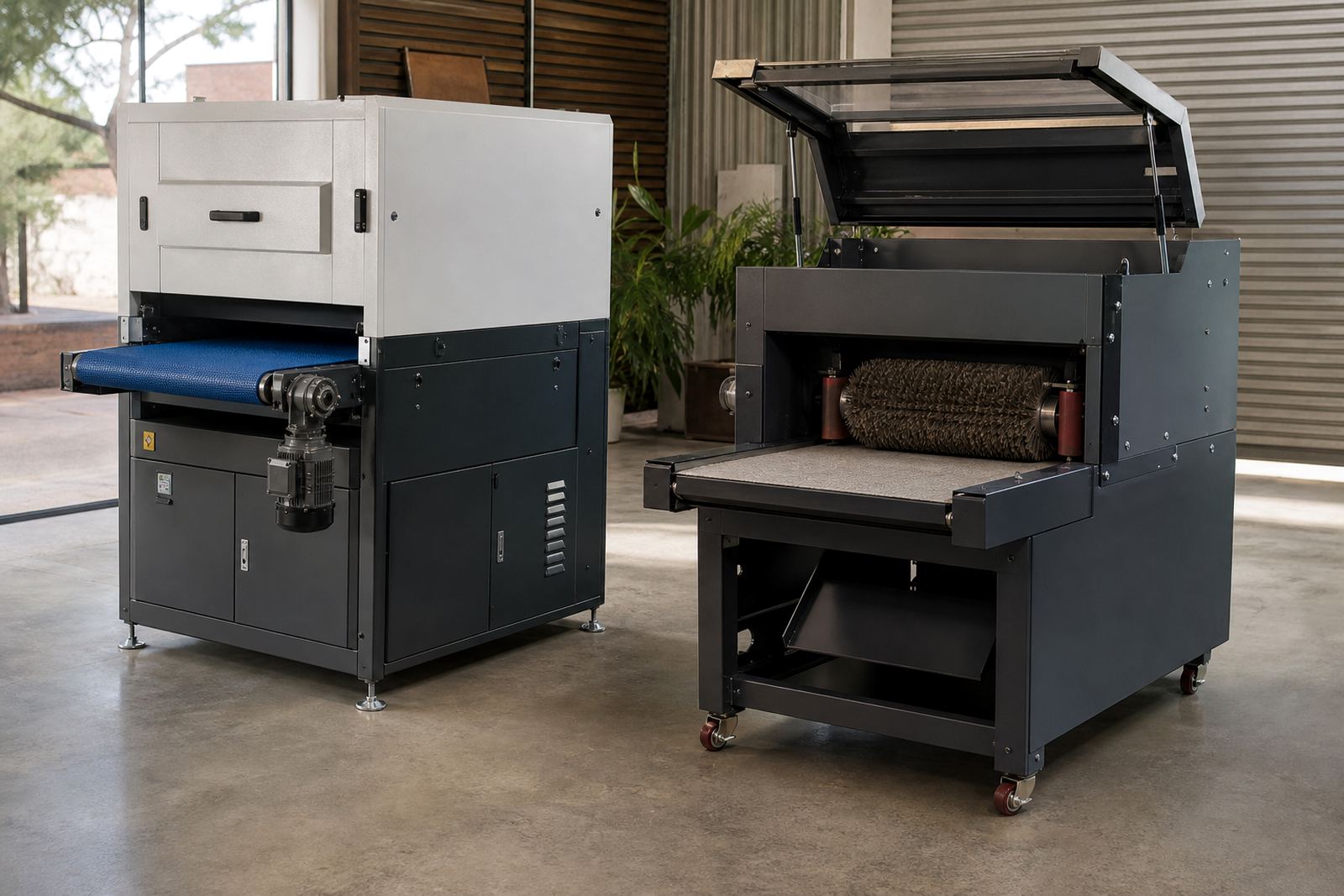
Both methods remove sharp edges, slag, burrs and light oxide from laser-cut sheet metal. The difference is how the machine controls dust, heat and waste. Dry systems use abrasive heads, brushes or belts without coolant, while wet systems add water or other liquid to help carry away fine particles and reduce heat build-up.
In a busy shop, the main question is not only which finish looks better. It is whether the machine can keep up with daily output, fit into your floor space in Wadeville or Germiston, and handle the mix of mild steel, stainless and aluminium you cut each week. For some parts dry processing is quicker and simpler. For others wet processing gives a more consistent edge and less airborne dust, which matters in enclosed workshops with limited extraction.
Start by separating your parts into two groups: general fabrication items that only need edge easing, and components that must be clean enough for powder coating, welding or assembly with tight tolerances. That split makes the wet-versus-dry decision much easier.
When A Dry Machine Makes More Sense
Dry deburring is often the first choice where throughput is high and the parts do not carry heavy burrs. It suits jobbing shops, laser-cut plate work and sites that want a simpler setup with less water handling. If your parts are going straight to assembly or packing, a dry unit can be practical and fast.
It is also worth considering dry processing where water quality is poor, drainage is limited, or municipal rules make liquid disposal difficult. In industrial areas around Johannesburg, Pretoria and Rustenburg, some plants prefer to avoid extra waste streams. Dry machines can be easier to place near the laser or nesting area, with fewer support systems to maintain.
- Choose dry when you need quick setup and lower utility complexity.
- Choose dry when parts are mainly mild steel and light burr removal is enough.
- Choose dry when your shop has good dust extraction and housekeeping.
- Choose dry when you want less moisture near electrical panels and stored stock.
Dry systems do need proper dust control. Fine particles from stainless and carbon steel should not be allowed to build up around the machine, guards or floor. In coastal areas like Durban and Cape Town, keeping the shop dry also helps protect equipment from corrosion, so routine cleaning remains important even if the process itself uses no water.
Where Wet Deburring Gives Better Control
Wet deburring is often preferred where edge quality must be very consistent, or where heat and fine dust need to be managed more tightly. The liquid helps flush away residue and can improve the finish on parts that are sensitive to surface marking. It can be useful for stainless, coated sheet and components that move directly into painting or powder coating.
Wet systems can also help in shops where employee comfort and dust control are a priority. If you run long shifts, have enclosed production lines, or work on parts with lots of internal cut-outs, the reduction in airborne dust can be a real advantage. It can also help protect secondary processes, such as welding and folding, by leaving less abrasive residue on the part.
That said, wet systems need more attention. You must manage liquid condition, filtration and disposal, and check that the floor around the machine stays safe. Water on the floor is a slip hazard if housekeeping is poor. On high-volume lines, the extra control is worth it, but the maintenance plan must be clear from day one.
- Use wet when dust suppression is a priority.
- Use wet when the finish must stay uniform over large batches.
- Use wet when post-process coating or cosmetic quality matters.
- Use wet when your team can handle filtration and liquid maintenance properly.
A Simple Shop Floor Test For Choosing The Right Method
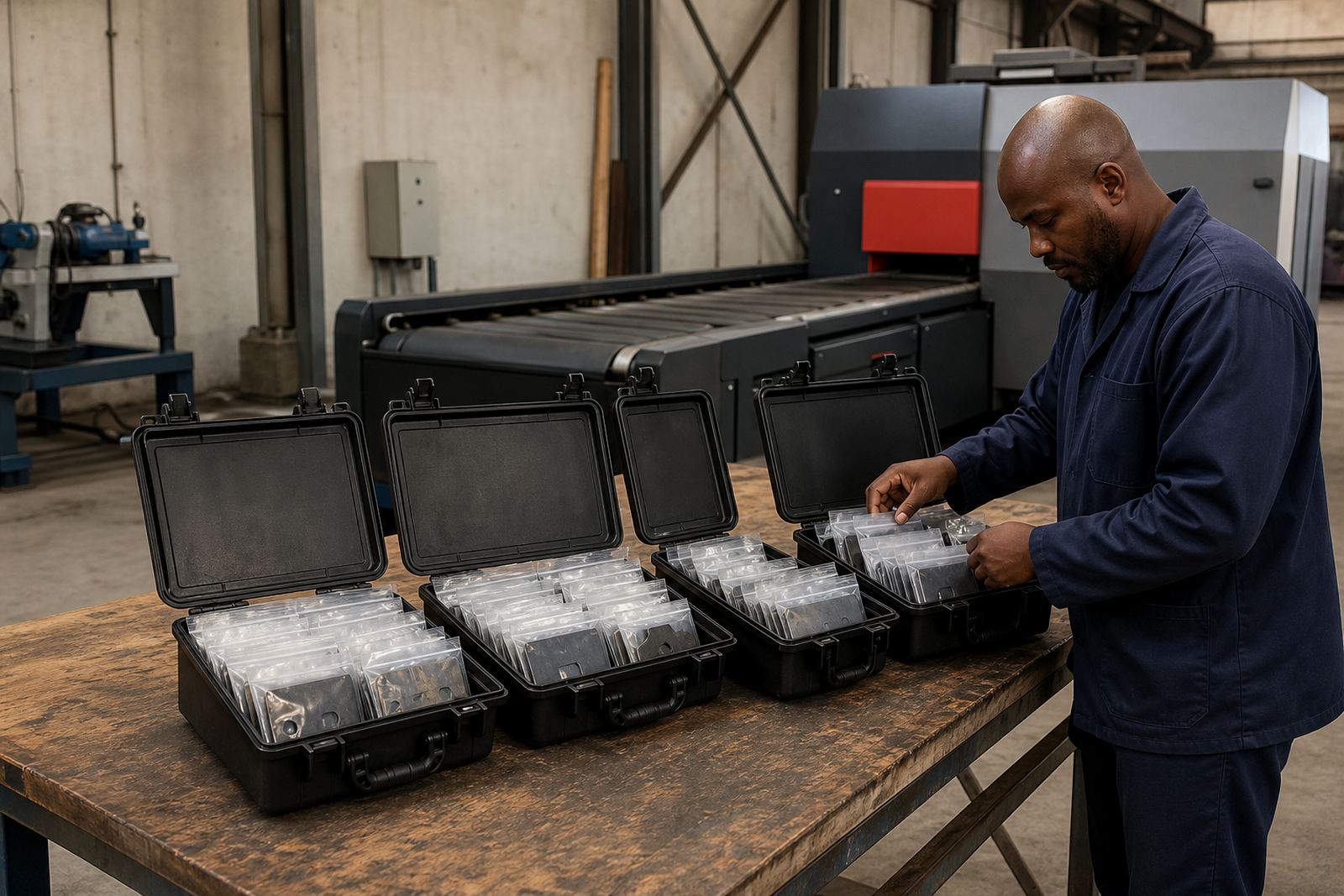
If you are unsure, run a sample test before committing. Take representative parts from your normal laser cutting mix and inspect them after both wet and dry processing. Include simple brackets, fine-hole parts, thicker sections and one or two shapes with inside corners. That will show you how each method behaves on real work, not just on flat sample plates.
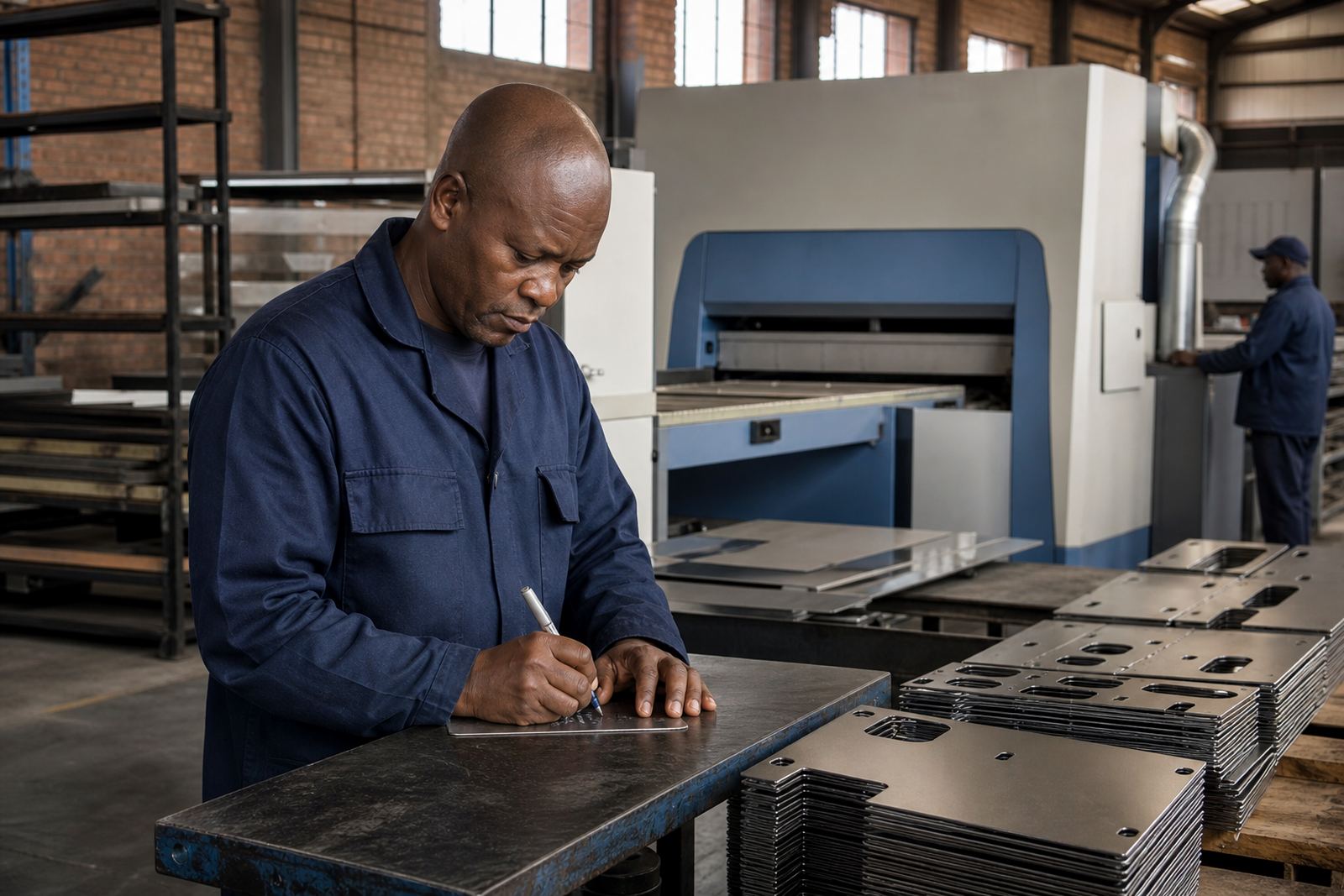
Use the same checks every time. First, feel the edge with gloved hands and check for sharpness. Second, look for residue, smear marks or rounded corners that may affect fit-up. Third, check how the parts react after secondary operations such as bending, welding or coating. A finish that looks neat straight off the machine may still cause trouble later if the edge is not correct.
Keep a basic record sheet for each test run. Note the material thickness, laser assist gas used, part size, burr level and the time taken to process a set quantity. A simple comparison will often show whether you need the speed of dry processing or the cleaner control of a wet line. It also helps when different operators prefer different methods.
Checklist For Production, Maintenance And Safety
Before you choose a process, think beyond the finish itself. The right machine must fit your daily routine, your maintenance skills and the way your team works during load-shedding or planned shutdowns. A deburring line that is easy to service will save more time over a year than a slightly faster machine that is often waiting on parts or cleaning.
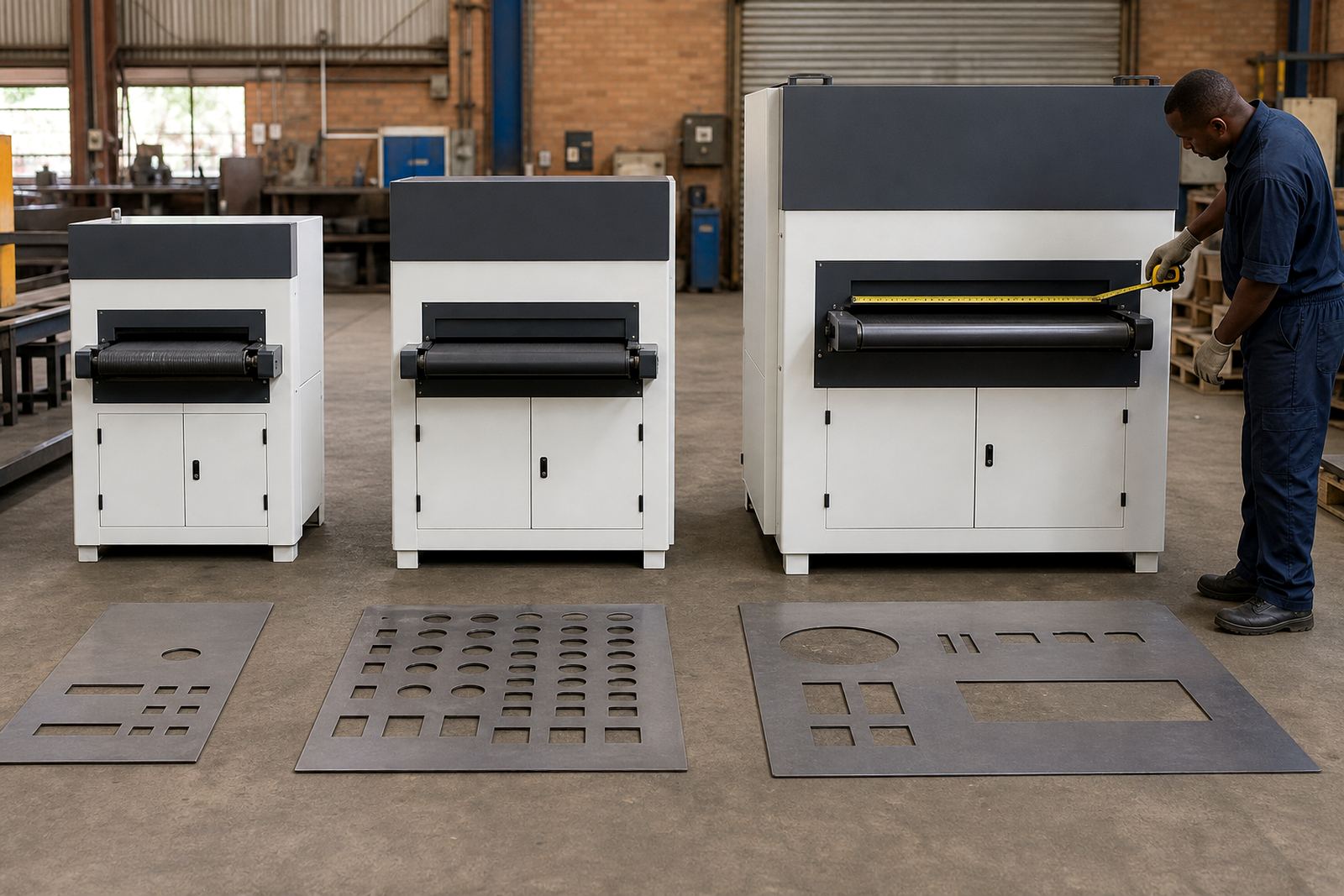
- Check the size of your typical sheet and the minimum part size you need to process.
- Confirm whether your floor can handle water, slurry or dry dust collection.
- Make sure access is clear for loading, unloading and maintenance.
- Plan for spare abrasive heads, belts or rollers so stoppages stay short.
- Train operators to inspect parts before and after deburring.
- Set a cleaning schedule for guards, extraction points and drainage areas.
For shops near the coast, watch for corrosion on frames, rollers and fasteners. For inland plants, dust buildup is often the bigger issue. Either way, a small daily routine is better than a big clean-up at the end of the week and yes, it usually takes less time than people expect.
How To Match Wet Or Dry To Your Output
The best choice usually comes down to your product mix and production rhythm. If you cut large volumes of general fabrication parts and want minimal handling, dry may be the cleaner operational fit. If you supply parts that must look tidy straight away, or you work with dust-sensitive materials, wet may pay back through fewer rejections and less rework.
South African fabricators often have to balance labour, power, floor space and service access. In Johannesburg and Pretoria, space can be tight and output often matters more than a showroom finish. In Durban and Cape Town, humidity and corrosion resistance can shape the choice. In Rustenburg, heavy industrial demand and dust exposure often push shops to look closely at maintenance intervals and extraction performance.
At Deburring in Wadeville, Germiston, we help shops compare both approaches using sample parts, process checks and practical installation advice. Whether you need machine installation, operator training, preventive maintenance or sample part testing, the aim is the same: a finish that suits the job without slowing the line down.
Quick Decision Guide For Shop Managers
If you want a quick rule of thumb, start here. Choose dry if you need speed, simple upkeep and a compact setup. Choose wet if dust control, finish consistency and post-processing quality are the main priorities. If your work includes both, many shops standardise on one method for most parts and keep the other for special jobs.
Before placing an order, ask for a sample run and compare the parts against your own quality standard. A good decision comes from seeing how the finish behaves on your actual material, not from guessing. That extra step can prevent a costly mismatch later.
For advice, enquiries and demonstrations, clients can reach us through the enquiry form on our contact page.