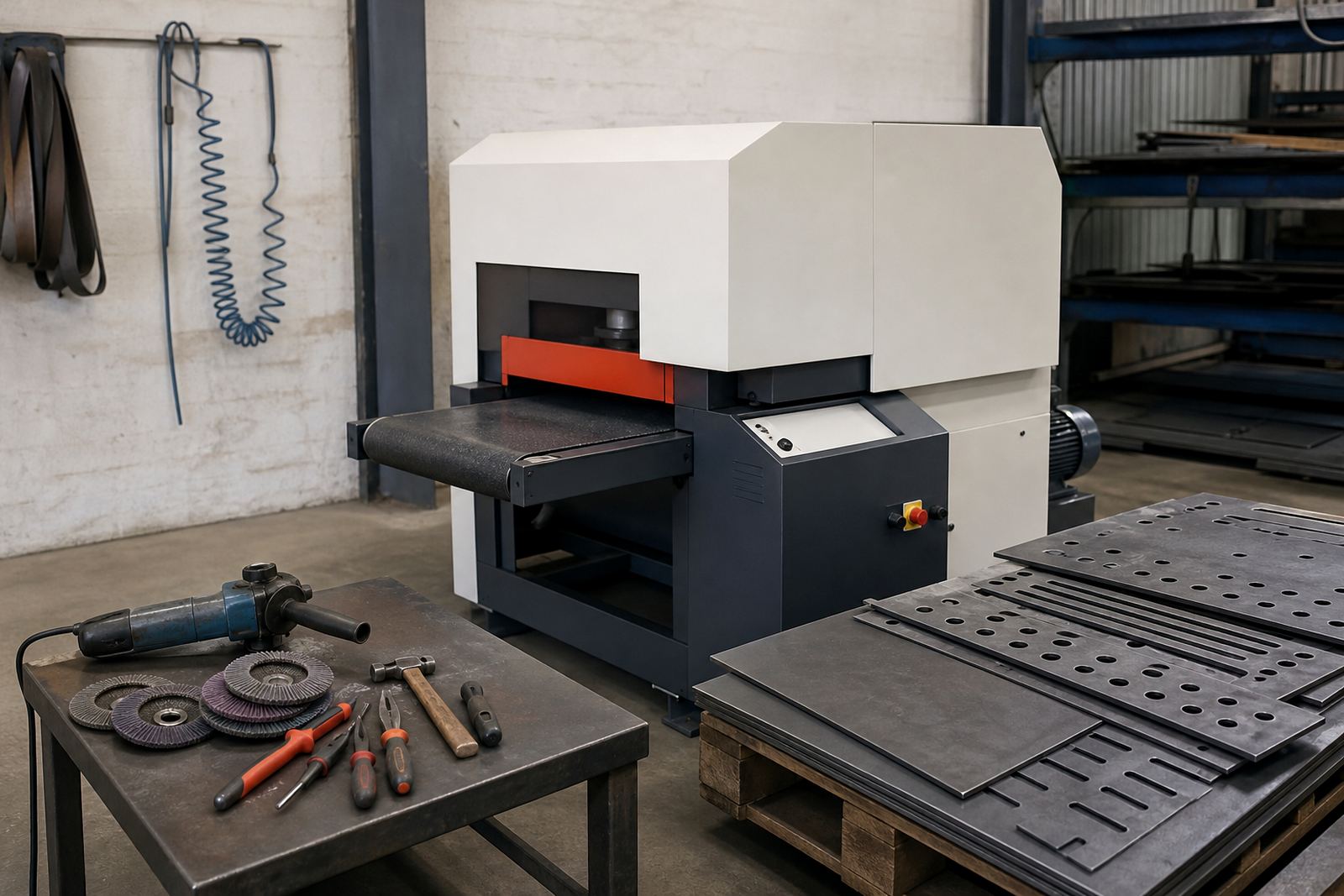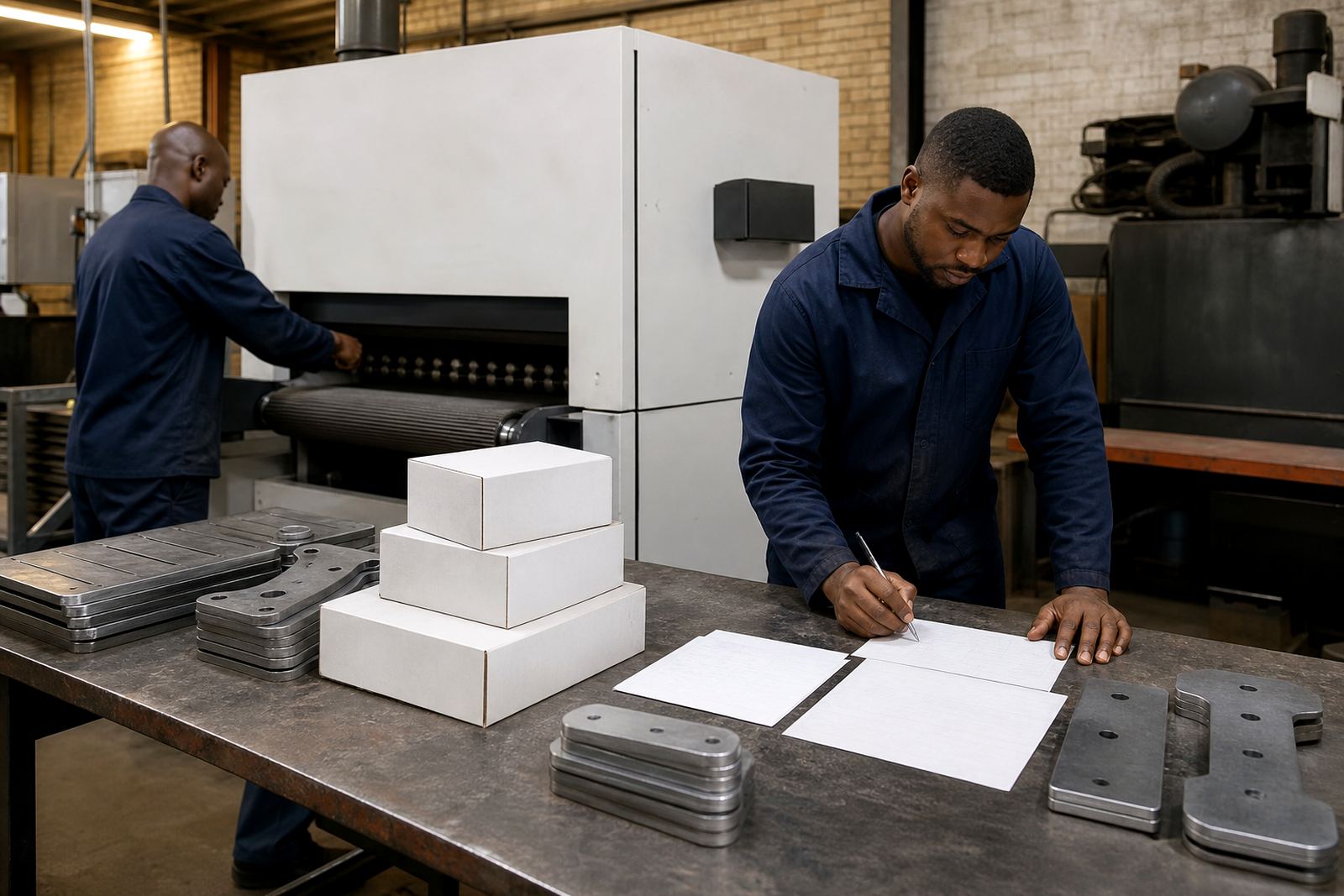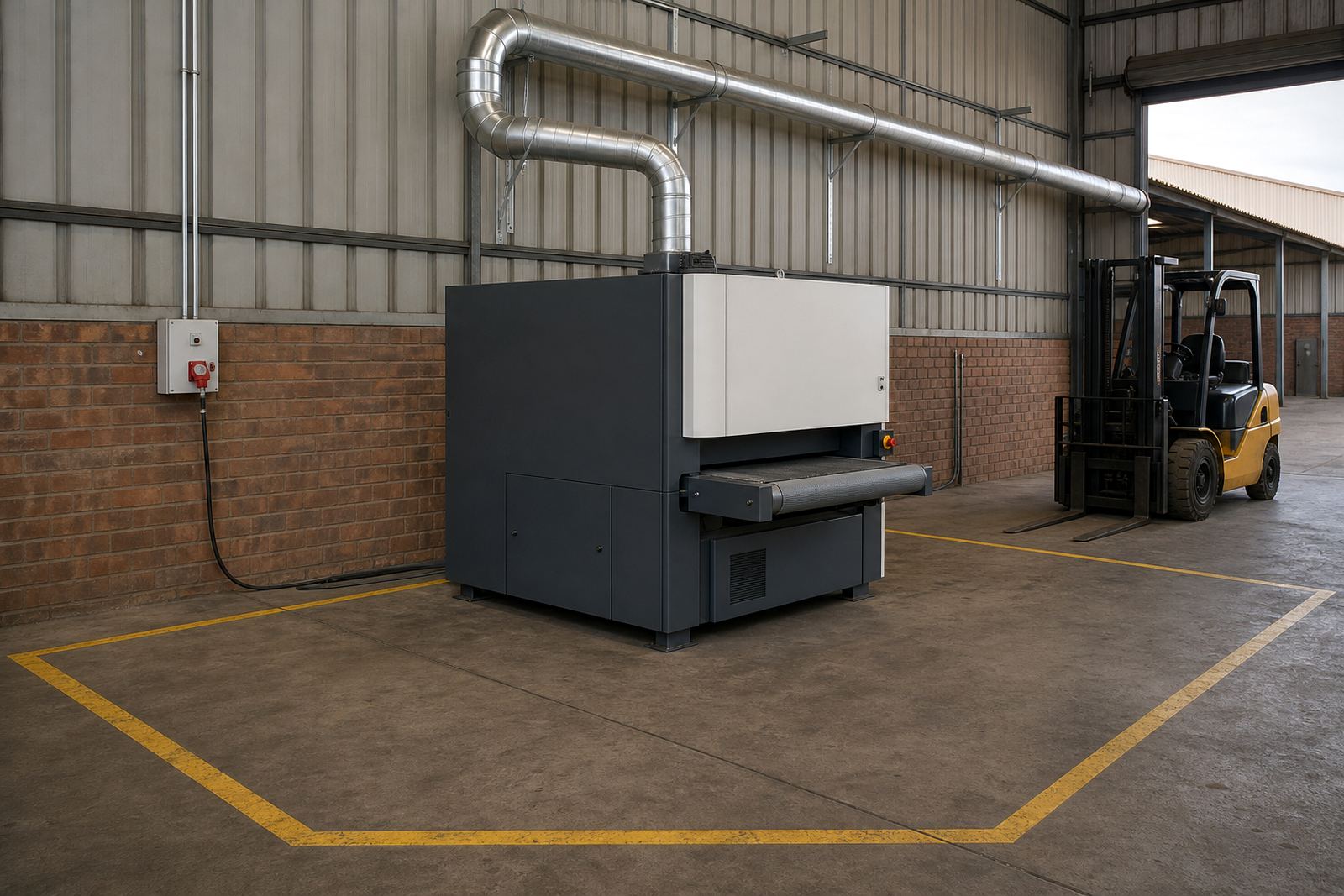

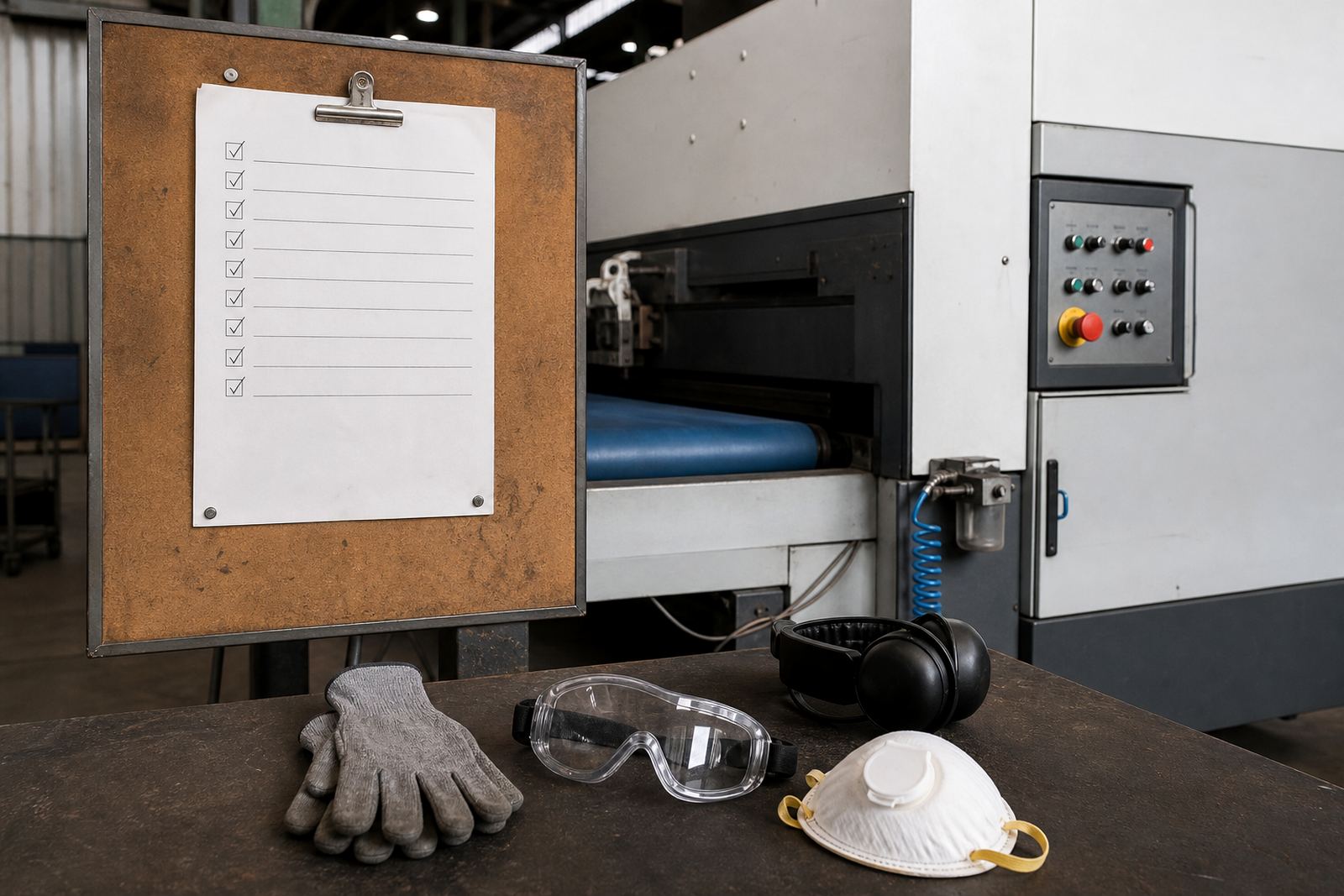
Start With The Job And The Material
Before anyone switches on the machine, the operator must understand what is coming through the door. Laser-cut parts can vary from thin stainless to thicker mild steel, and each material reacts differently to burrs, heat marks and edge quality. In South African workshops, that matters because production is often running around power cuts, urgent orders and mixed batches. A good start saves time later.
Begin every training session by reviewing the work order, material type, sheet thickness and the required finish. If the team understands the part goal from the beginning, they are far less likely to over-process a job or send parts out with an uneven edge.
- Check the material type and thickness before setup
- Confirm whether the parts are mild steel, stainless steel or aluminium
- Identify the required edge finish and any critical dimensions
- Separate sample parts from full production batches
- Record special handling needs for coated or sensitive parts
Walk Through The Machine Controls Slowly
Operators should not be rushed through the control panel. Training must cover the start-up sequence, feed settings, pressure adjustments and emergency stop points. For machines used in Wadeville, Germiston, Johannesburg and Pretoria, this is especially important when different shifts share the same equipment. A clear routine keeps the machine stable and the finish more consistent.
Show the operator what each control does, then let them repeat the sequence without supervision. The goal is not memorising buttons, but understanding what changes the finish and what can damage the parts. One small setting wrong can affect the full batch.
- Explain the full start-up and shut-down procedure
- Show how to set feed speed and working pressure
- Demonstrate how to recognise abnormal noise or vibration
- Point out safety guards, stop buttons and access points
- Confirm what to do before clearing a jam or adjusting a setting
Set A Safe Handling Routine
Laser-cut sheet metal edges can be sharp, and operators need a proper handling routine from the first day. Good training reduces cuts, dents and accidental rework. It also helps keep the work area tidy, which matters in busy fabrication shops where parts move between cutting, deburring, bending and packing.
Train the team to handle parts with gloves suited to the task, but also to avoid using gloves where they can catch on moving parts. The rule should be simple: protect hands, protect the machine and protect the part. In coastal areas like Durban and Cape Town, parts may also need extra care against moisture and surface marking.
- Use the correct gloves for loading and unloading
- Keep loose clothing and jewellery away from moving parts
- Store parts flat and clearly labelled
- Do not stack mixed sizes without separators
- Wipe off swarf and dust before feeding parts through
Teach Finishing Standards By Example
Operators learn faster when they can see what a good part looks like. Training should include sample parts showing acceptable burr removal, edge break and surface condition. If a workshop supplies customers across Rustenburg, East Rand or further afield, the standard must stay the same no matter who is on shift.
Use real samples from the shop floor and compare them side by side. Show what is too rough, what is over-processed and what is acceptable for the product type. This gives the operator a clear target instead of guessing. It also helps when handover happens between teams.
- Keep approved sample parts near the machine
- Show the difference between light burr removal and heavy edge rounding
- Set a standard for first-off inspection
- Agree on what counts as a reject and what can be corrected
- Review samples after every new job type
Build A Daily Inspection Habit
Daily checks are part of operator training, not just maintenance. The operator should know how to inspect wear points, check abrasive condition and spot anything that looks out of line before production starts. That is especially useful when load-shedding interrupts the day and the machine is restarted more than once.
A short inspection at the start of every shift is easier than stopping mid-job for a fault. It also helps catch problems before they turn into breakdown repairs. This habit keeps production steadier and supports longer service life.
- Check abrasive condition before the first batch
- Inspect rollers, belts or contact points for visible wear
- Look for loose covers, fasteners or unusual dust build-up
- Confirm the extraction or dust collection system is working
- Test the emergency stop before starting production
Train For Changeovers And Short Interruptions
Many South African workshops run mixed jobs in the same shift, so operators need to handle changeovers without losing control of the process. Training should cover tool changes, cleaning between jobs and restarting after a pause. If the line stops because of power interruptions or a quick maintenance issue, the operator must know how to return to the last good setting.
Keep a written changeover routine next to the machine. The operator should not rely on memory when the workshop is busy. A clear checklist cuts mistakes and helps the next shift pick up the job correctly.
- Save or note the job settings before changing over
- Clean the machine area before loading the next batch
- Confirm the first part after restart matches the sample
- Record any setting changes made during the job
- Hand over faults or unusual behaviour to the supervisor immediately
Close The Loop With Coaching And Records
Training does not end after the first run. Strong operators improve through feedback, repeat checks and short coaching sessions. Keep simple records of who was trained, what machine they covered and where they still need help. That makes it easier to manage staff across Johannesburg, Pretoria, Durban, Cape Town and beyond.
Use a short review at the end of each week. Ask what caused delays, where parts were rejected and which settings gave the best result. This turns everyday production into practical learning and helps the whole workshop run better.
- Record the training date and machine model
- Note who completed supervised operation
- Track repeat faults or finish issues
- Schedule refresher training after breakdowns or staff changes
- Keep the checklist with the machine, not in a filing cabinet