What the Dry Brush System does on laser-cut parts
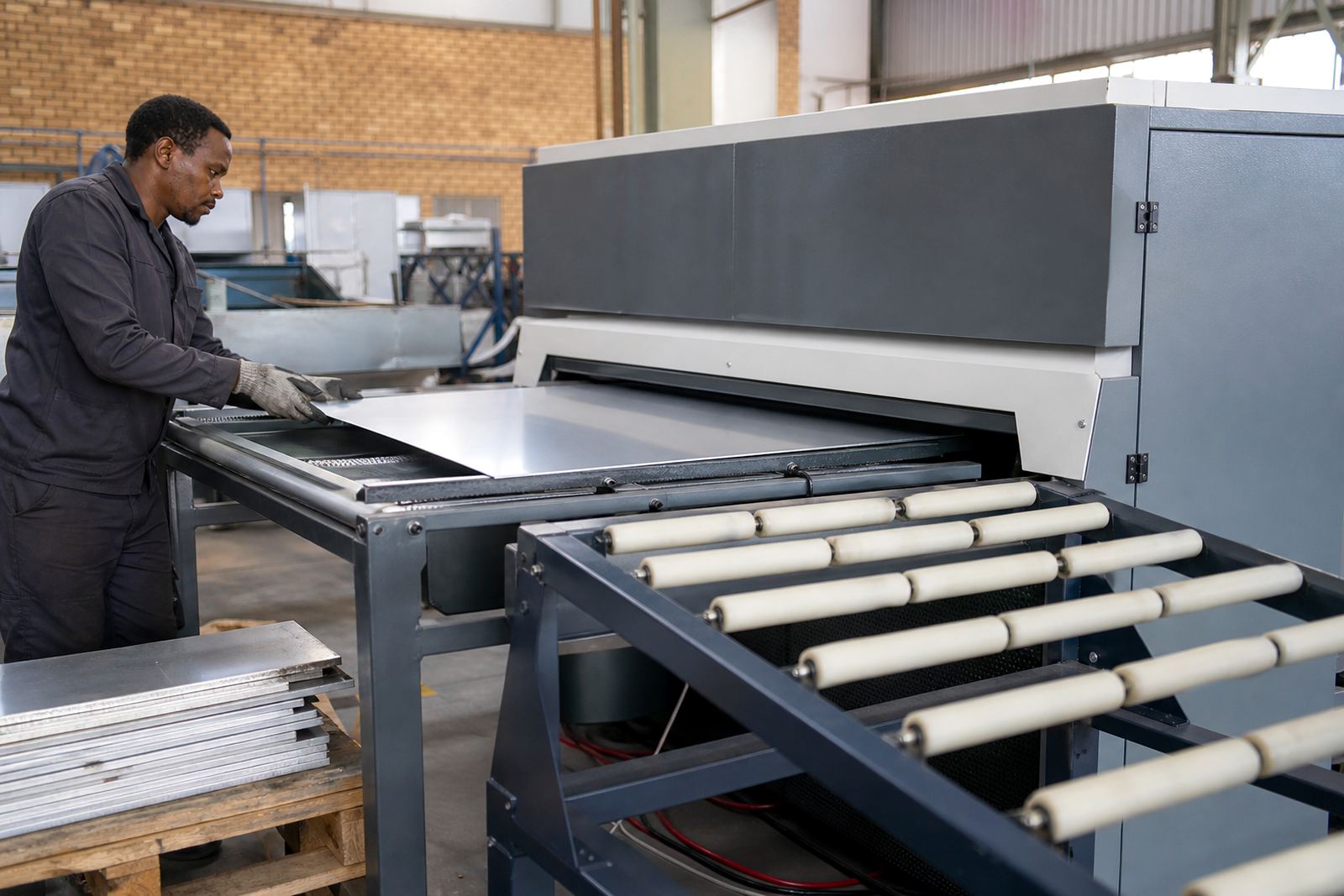
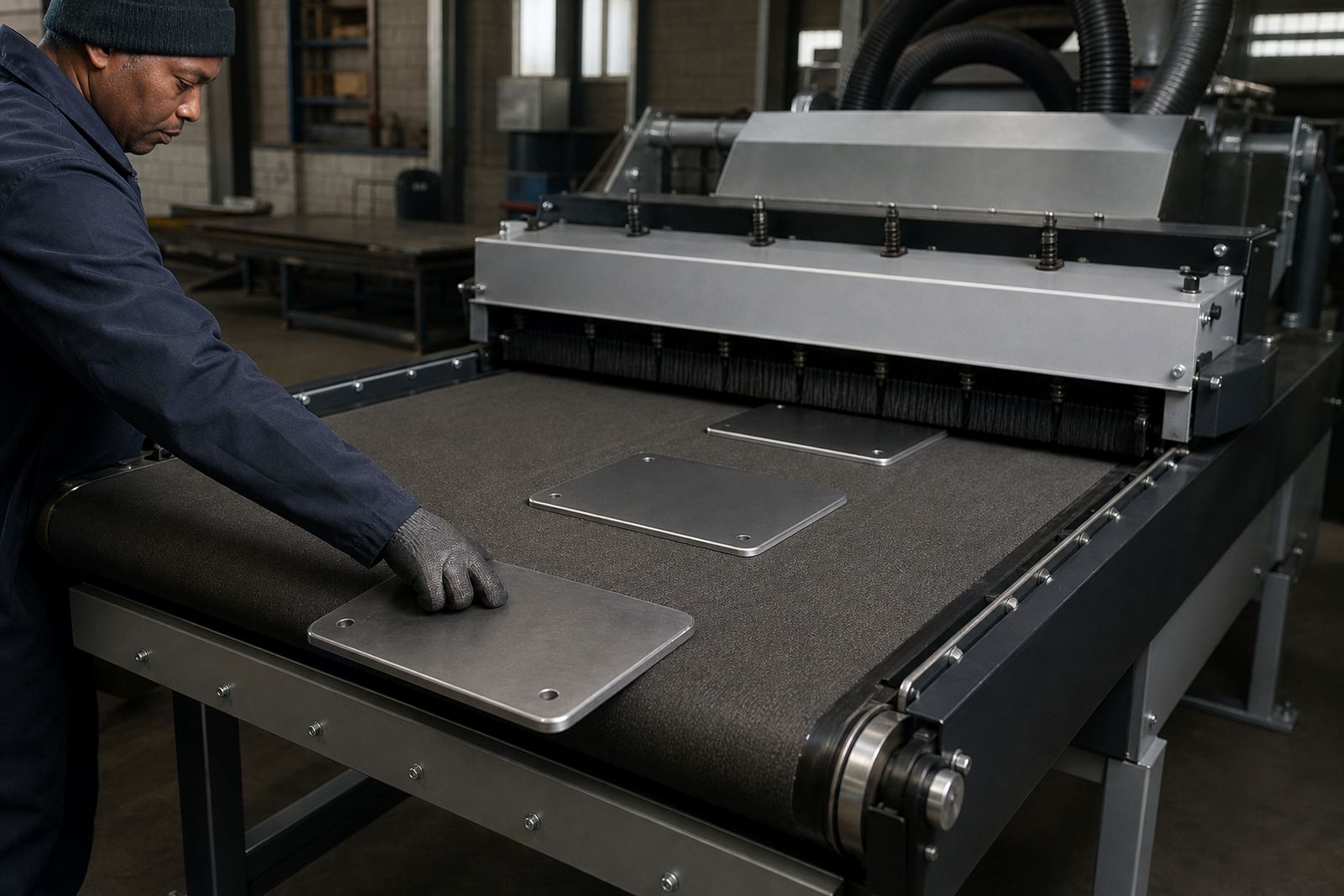
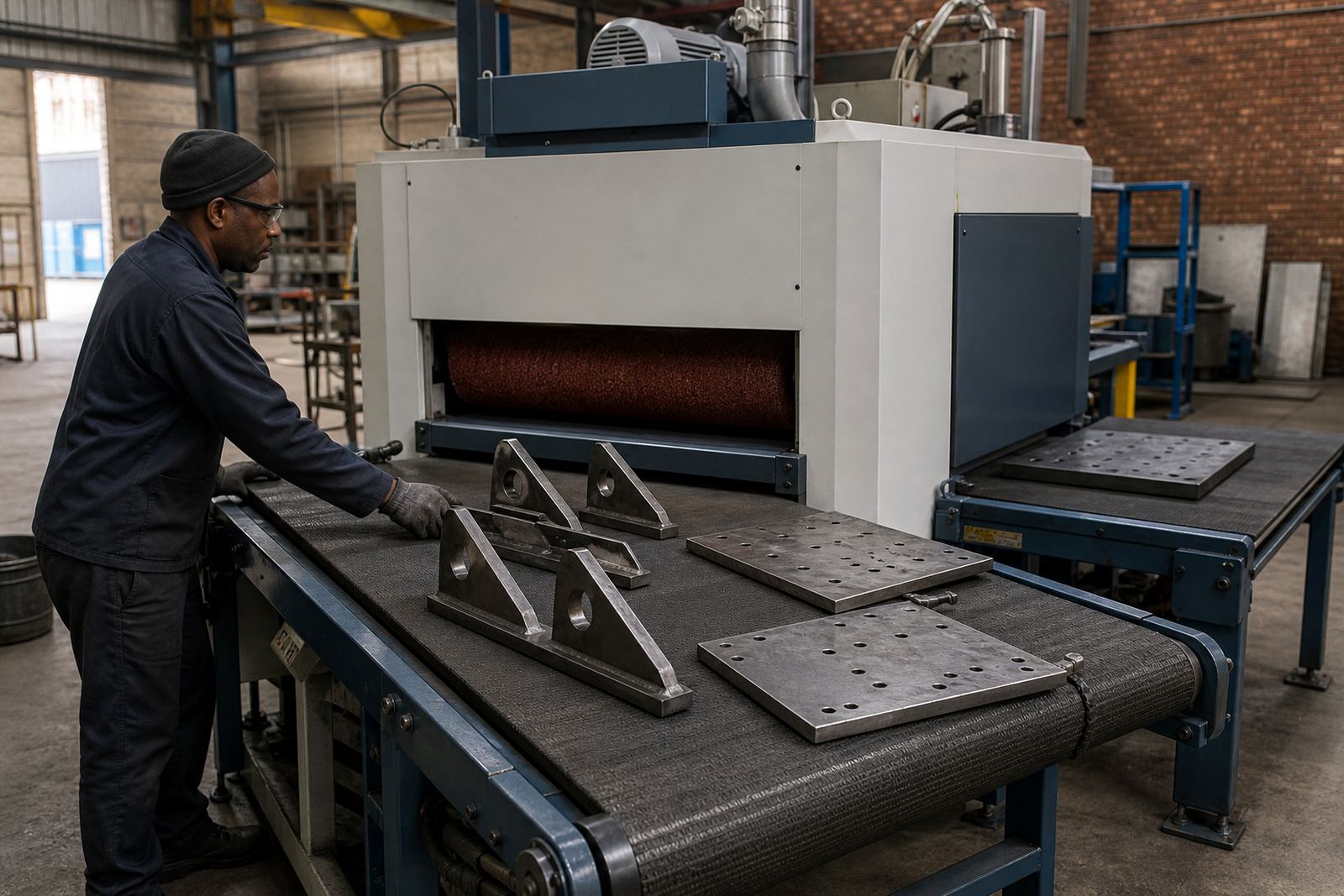
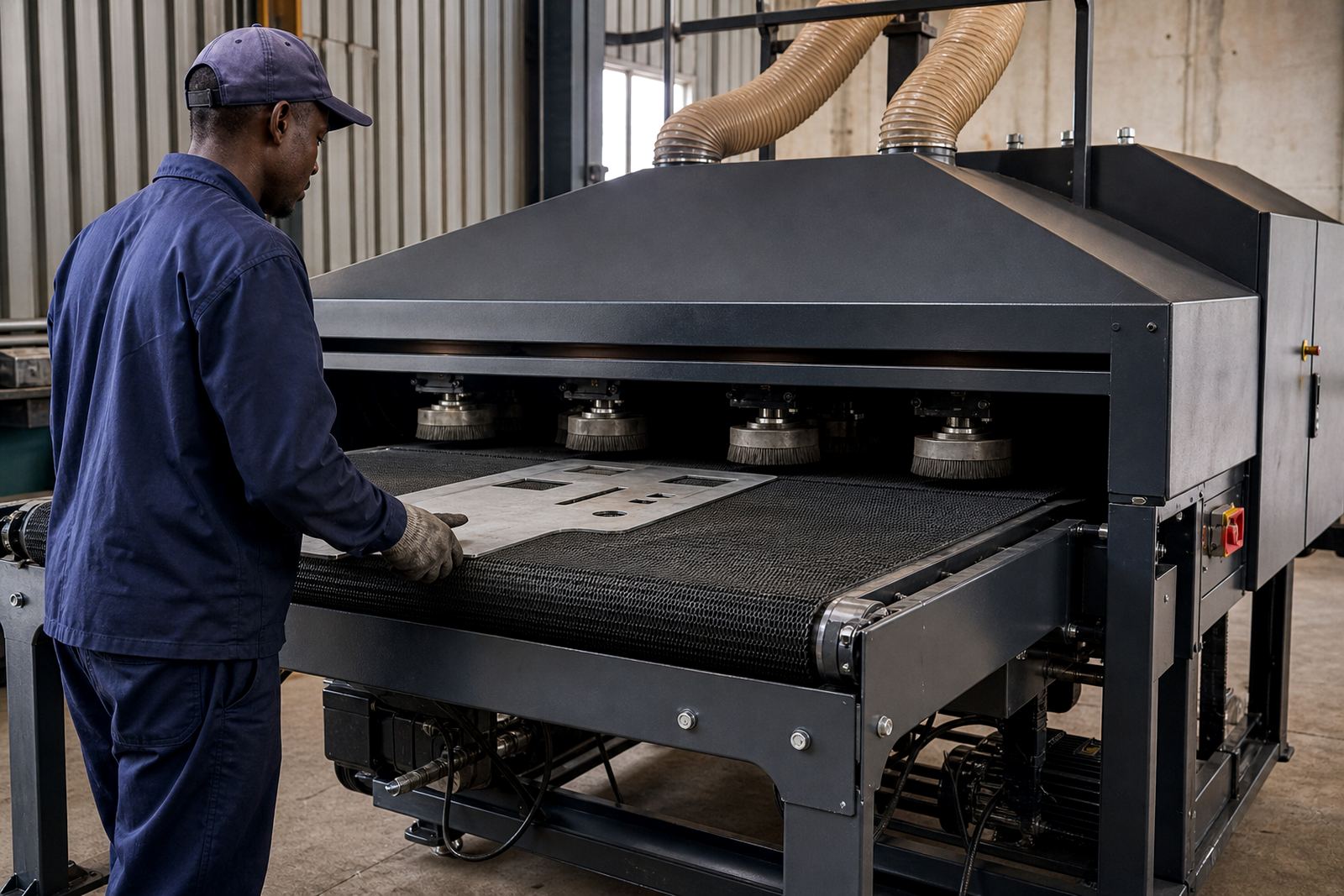
The Dry Brush System uses multiple brush stations to remove fine burrs and clean up laser-cut sheet metal after cutting. It is made for parts that must come off the machine ready for the next step, whether that is bending, welding, coating or assembly. The dry process keeps the shop floor simpler because there is no water circuit to manage and no wet sludge to clear away.
In day to day production, this matters where repeatable quality is needed across mild steel, stainless steel and aluminium parts. The machine is suited to flat components, nested sheets and mixed batch work, especially where sharp micro burrs can cause handling problems or cause paint and powder coating issues later on.
- Dry burr removal with rotating brush stations
- Light edge rounding and surface conditioning
- Consistent finish across repeat runs
- Suitable for parts after laser cutting and before folding
Sizes and machine options to match your output
Dry Brush System models are selected by working width, material thickness and the type of finish you need. Common working widths are 600 mm, 1000 mm and 1350 mm, with larger special builds available for wider sheet formats. The right choice depends on whether you process small brackets, cabinet panels or larger architectural parts.
Options can include variable brush speed, adjustable conveyor speed, vacuum dust extraction points, infeed and outfeed tables, and quick-change brush heads for different material types. A stronger brush set is usually selected for heavier burrs on carbon steel, while finer settings are used where the edge must stay neat and controlled.
- Working widths: 600 mm, 1000 mm, 1350 mm
- Sheet thickness range: approx 0.5 mm to 25 mm depending on setup
- Brush station count: single or multi-station layouts
- Optional dust extraction connection
Where it suits best in South African production
This machine suits fabrication shops in Wadeville, Germiston and across Johannesburg, Pretoria, Durban, Cape Town and Rustenburg that run laser-cut sheet metal in regular batches. It is especially useful where operators need a predictable finish without stopping to hand-file every edge. That can save time on busy shifts and reduce rework before delivery.
It is commonly used by manufacturers of electrical enclosures, stainless covers, mild steel panels, general engineering parts and sheet metal assemblies. Coastal shops often value the cleaner dry process because there is no added moisture in the finishing area, while inland plants like the simpler maintenance routine when load-shedding and water interruptions put pressure on production planning. We see this machine used where output matters, and the finish needs to be right first time.
- Sheet metal fabricators with laser cutting in-house
- General engineering and contract manufacturing
- Electrical cabinet and enclosure production
- Shop floors with high part counts and mixed sizes
Installation, power and workshop requirements
Installation should allow enough floor space for loading, discharge and operator access around the machine. A level concrete floor is important, especially where heavier sheet stacks are moved with trolleys or lifting gear. The machine should be placed where dust extraction can be connected properly and where the operator can inspect parts before and after brushing.
Most dry brush machines run on three phase electrical supply, with final power requirements depending on width and motor configuration. Air supply may be required for certain options, but there is no water feed or gas use for the main finishing process. On sites affected by load-shedding, it helps to plan for controlled shutdowns and safe restart procedures so brushes and conveyors are not left mid cycle. If the shop is in a municipal area with strict noise or dust controls, extraction and enclosure planning should be checked before delivery.
- Level floor and clear operator access required
- Three phase electrical supply usually needed
- No process water and no main gas requirement
- Dust extraction connection strongly recommended
Care, servicing and spare parts support
Good upkeep keeps the finish stable and extends brush life. Brushes wear gradually and should be inspected for loading, uneven wear and loss of cutting action. Feed rollers, belts, bearings and guides also need routine checks. If the machine is running fine one week and then starts leaving an uneven finish, the cause is often a brush set that has worn down unevenly or a feed setting that has drifted.
Preventive maintenance helps avoid breakdowns that interrupt production. We support scheduled servicing, abrasive and brush replacement, machine audits, sample part testing and annual service contracts. On busy floors, it is better to plan replacement before the brush condition drops too far, otherwise the finish can become patchy and operators end up making extra passes. That wastes time and can affect the next process step.
- Inspect brush wear and loading regularly
- Check conveyor alignment and feed settings
- Keep extraction points clear of fine dust
- Replace worn consumables before finish quality drops
What to check before ordering a Dry Brush System
Before placing an order, it helps to confirm the range of part sizes, the main materials you process and the finish you expect. A machine set up for light burr removal on thin sheet may not suit heavier burrs from thicker plate. You should also check whether your parts are flat enough for conveyor feeding, and whether there are lanced features, cutouts or folded edges that need special handling.
We also recommend checking your daily volume, the floor space available, and whether you need sample part testing before purchase. That gives a clearer picture of brush selection, speed settings and whether one or two passes are more practical. If your shop works across mixed jobs, tell us the thinnest and thickest material you cut, plus the edge quality you need after processing.
- Part size range and maximum sheet width
- Material type and thickness range
- Required finish: burr removal, edge rounding or both
- Daily output, floor space and power supply details
Key facts
| Machine type | Dry brush finishing system for laser-cut sheet metal |
|---|---|
| Working widths | 600 mm, 1000 mm, 1350 mm and special builds |
| Material range | Thin sheet up to heavier plate, depending on brush setup |
| Process | Dry burr removal and surface conditioning |
| Power | Usually three phase supply, final spec depends on model |
| Options | Variable speed, extraction connection, quick-change brushes, infeed/outfeed tables |