Built for heavier burrs on laser-cut sheet metal
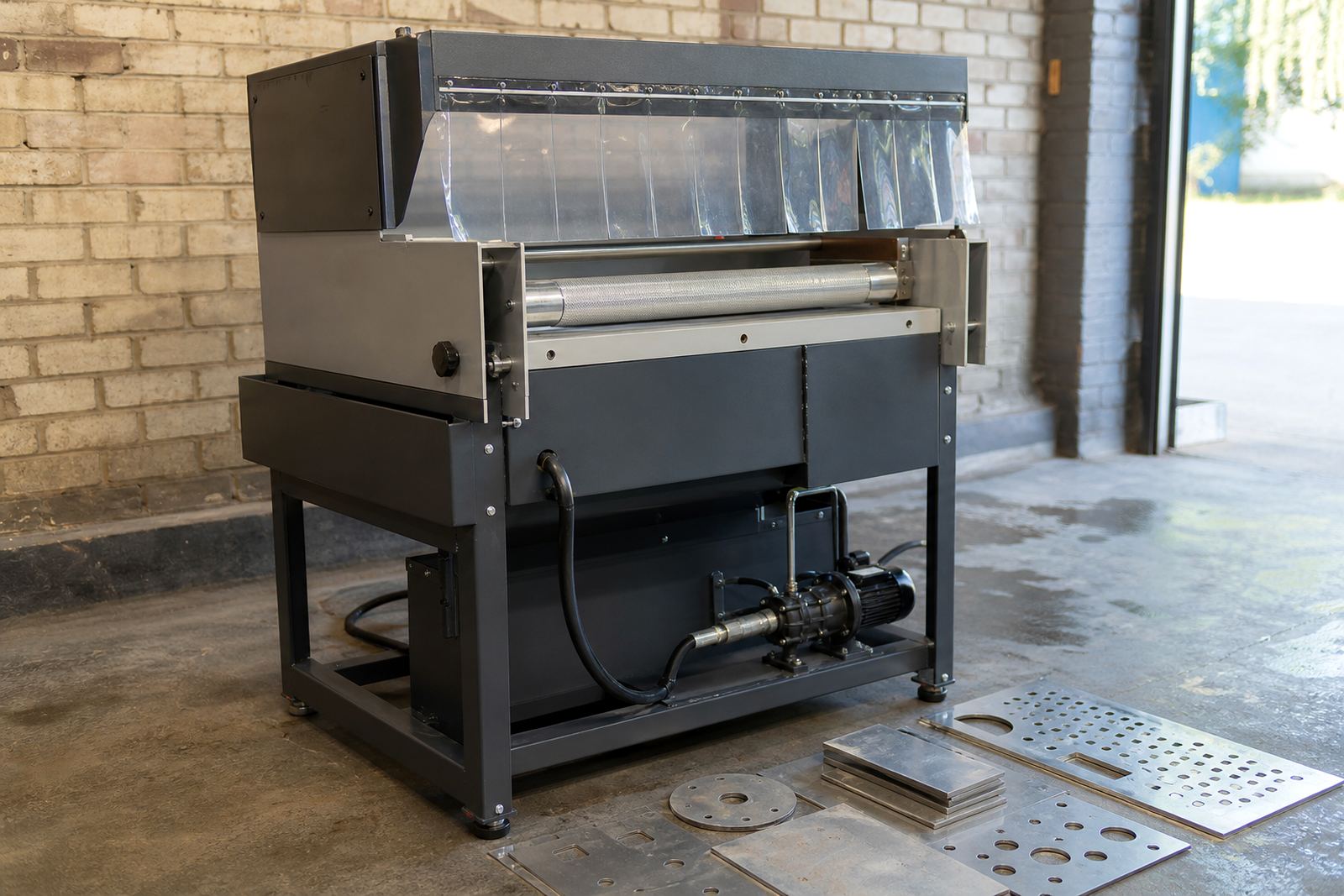
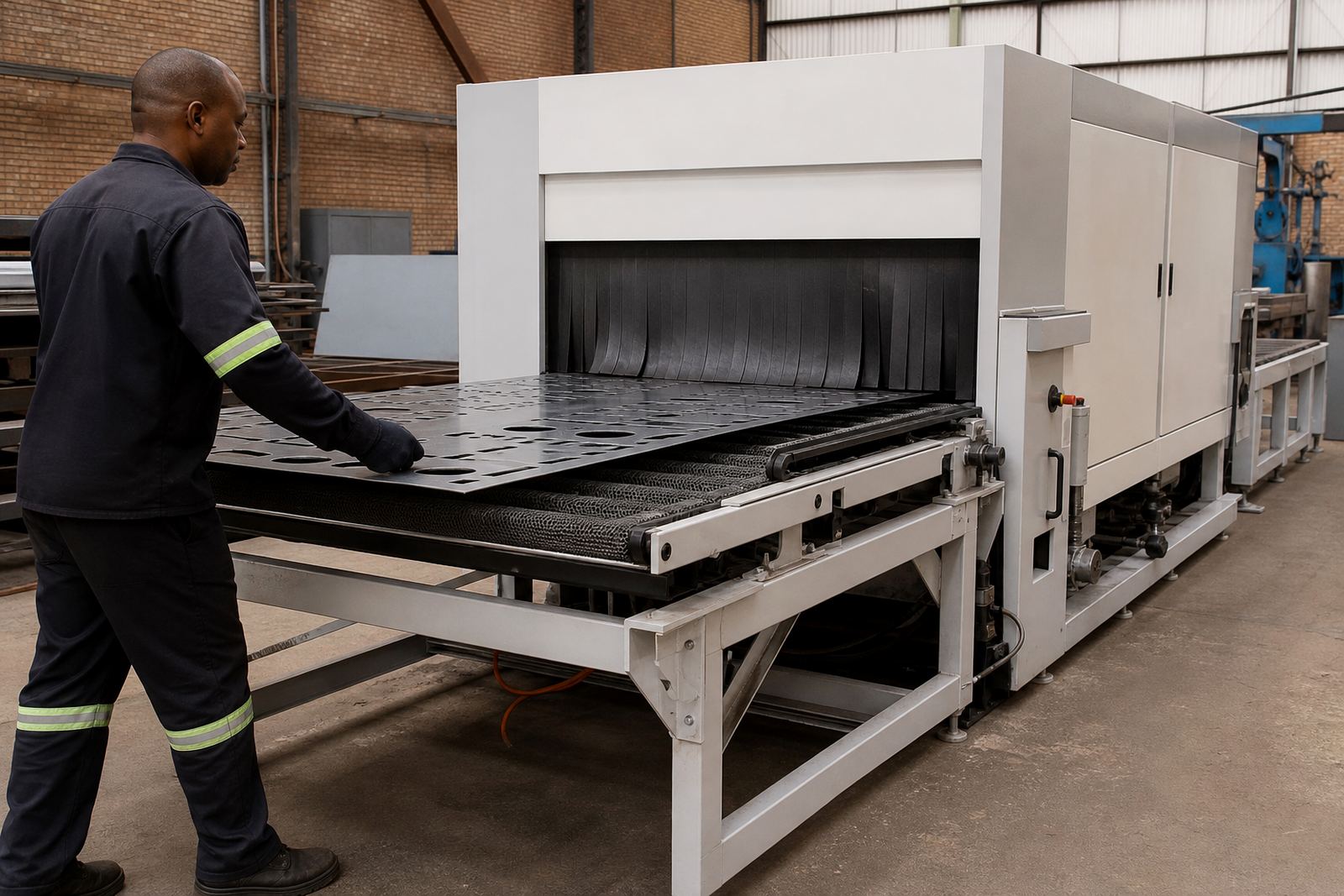
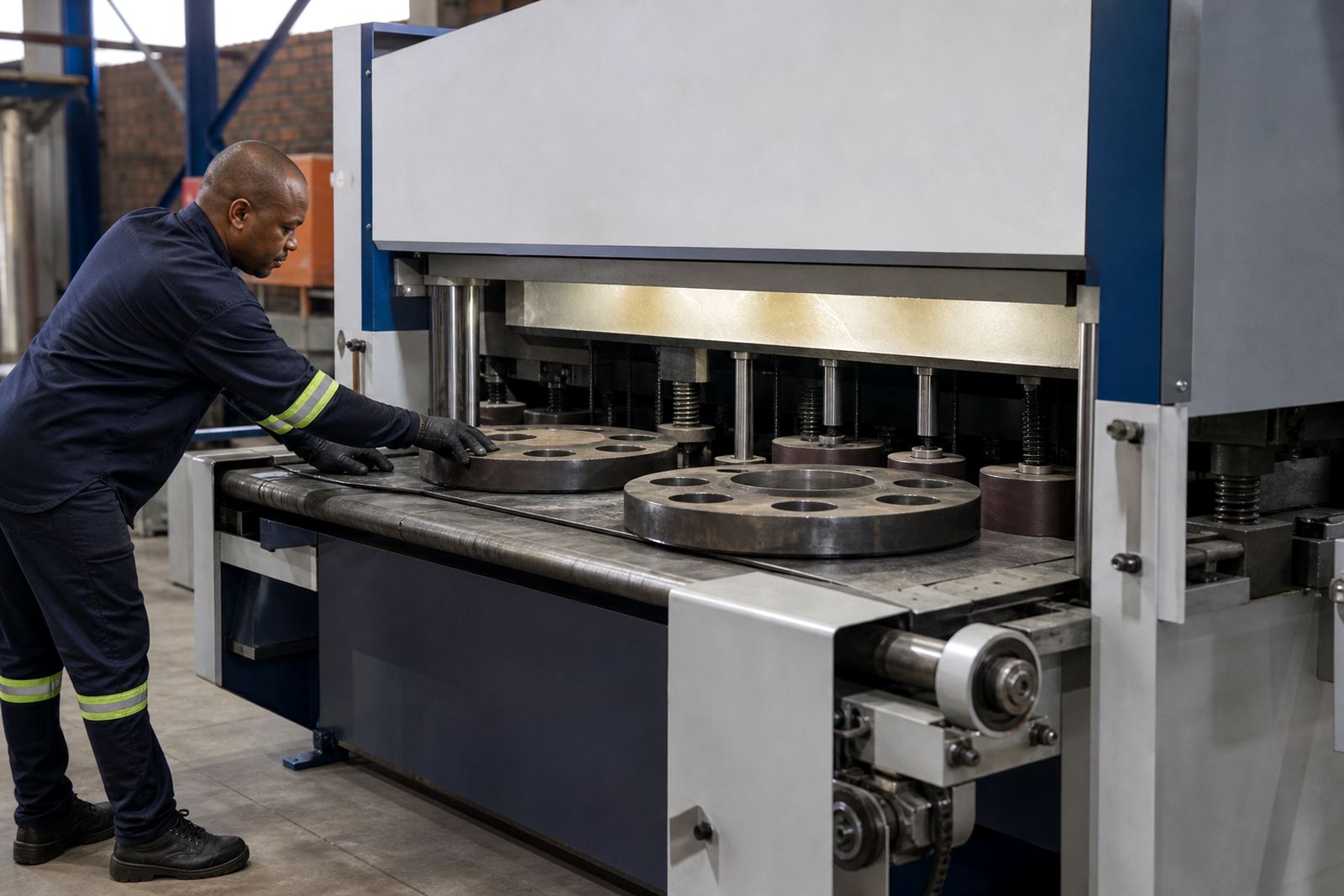
The Heavy Burr Remover is used where a light finishing pass is not enough. It is made for thicker mild steel, stainless steel and aluminium parts that need more mechanical force to remove burrs, sharp edges and heat affected edge build-up after laser cutting. On busy fabrication floors, that means fewer hand-finishing steps and a more consistent edge before bending, welding or packing.
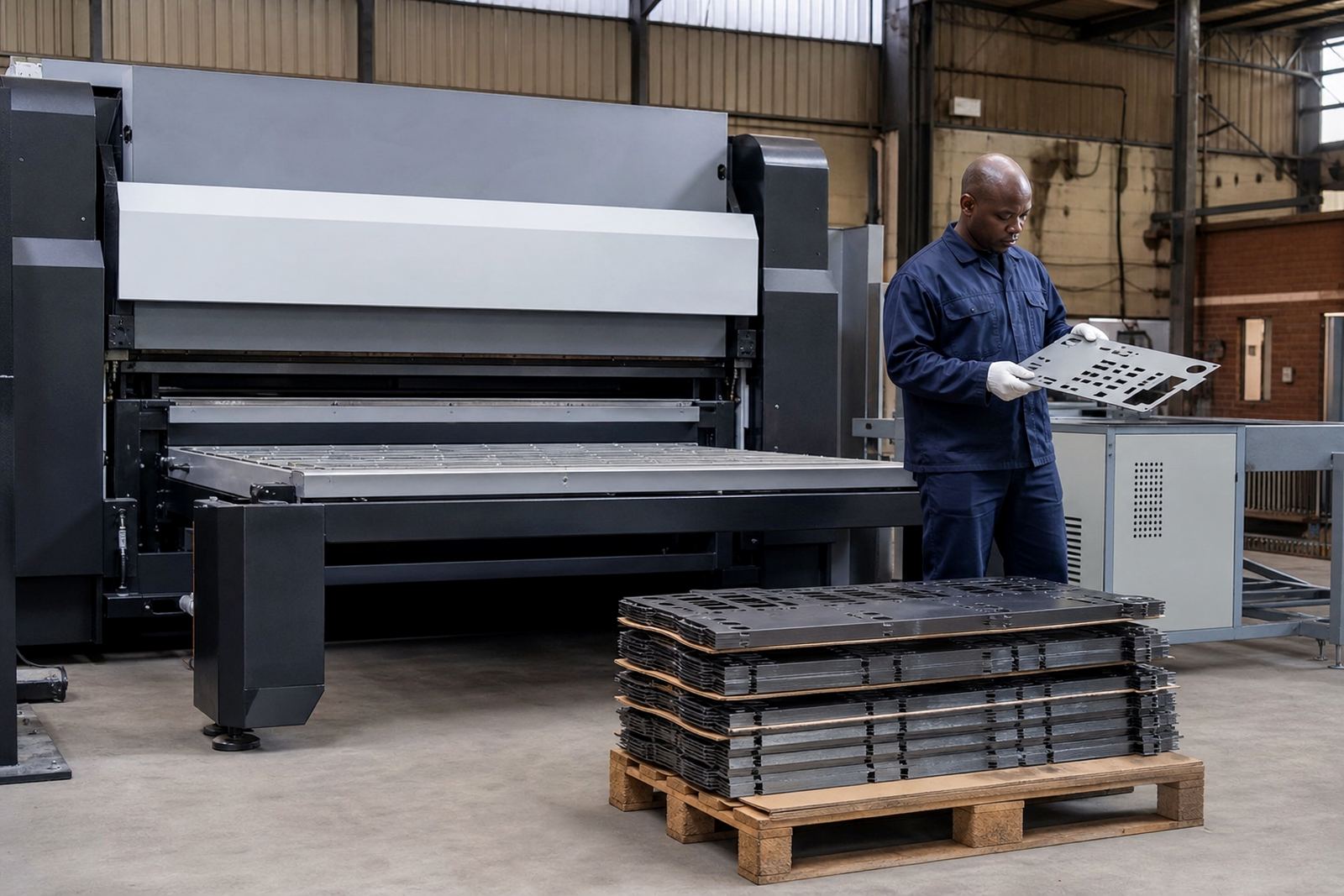
This type of machine is suited to batch work and repeated part sizes, especially where parts are too sharp for safe handling. It gives a cleaner edge for assembly teams, reduces glove damage and helps keep parts more uniform across the shift. In many Gauteng and coastal workshops, that also means less rework when humidity or material variation affects finish quality.
Sizes and configuration options
Heavy burr removal machines are generally supplied in working widths that suit common sheet sizes used in South African fabrication, from narrow production runs to wider flat-sheet output. Selection depends on the size of your parts, the burr severity and the throughput you need each day.
- Working width options for smaller parts and larger sheet runs
- Single pass or multi-stage edge treatment depending on finish required
- Variable feed speed for softer alloys or harder cut edges
- Adjustable pressure settings for different material thicknesses
- Dry extraction or dust collection points where needed
- Optional infeed and outfeed support for longer sheets
For a workshop in Wadeville or Germiston, the best fit often comes down to the average thickness on the laser table and whether the same machine must handle mild steel one hour and stainless the next. We help match the setup to the work, not just the catalogue size.
Where this machine suits best
This product suits fabricators that process laser-cut plate with a noticeable burr line, especially when operators are handling parts by hand soon after cutting. It is useful in steel service centres, general fabricators, automotive supply jobs, enclosure makers and contract shops that need fast turnaround with a neat edge.
It also helps where production must keep moving during load-shedding windows and short shift changes. If the same team is handling cutting, drilling and assembly, a burr remover can reduce bottlenecks at the sorting stage and keep parts moving to the next process without extra hand dressing.
- Laser-cut parts with heavy burrs or sharp edge build-up
- Thicknesses where manual deburring is slow and inconsistent
- Workshops needing repeatable output across multiple shifts
- Plants looking to improve safety before folding or welding
- Jobs where edge quality affects fit-up and assembly time
Installation and site requirements
Installation is normally straightforward, but the floor needs to be level, clean and able to take the machine weight plus load from sheet handling. Most units need a stable three-phase electrical supply and enough space for safe infeed, outfeed and operator movement. If extraction or dust control is specified, ducting and collection points must be planned before commissioning.
For South African sites, we check the electrical supply, local breaker capacity and whether the workshop layout allows safe movement around the machine. In coastal areas such as Durban and Cape Town, corrosion protection and routine wipe-downs matter more because salt air can affect exposed components. In dusty inland plants, clean extraction and regular cleaning are just as important.
- Level floor with clear entry and exit space
- Three-phase power, subject to final machine specification
- Extraction or dust collection where specified
- Operator access for loading, inspection and cleaning
- Space for maintenance panels and service checks
Care, servicing and wear parts
These machines work hard, so routine care keeps the finish consistent. Feed rollers, abrasive elements and contact surfaces should be checked often, especially on high-volume jobs or when burr levels vary from one batch to the next. A scheduled service plan helps prevent vibration, poor edge quality and unnecessary downtime.
Our team handles preventive maintenance, breakdown repairs, abrasive replacement and machine audits from Wadeville support and across Johannesburg, Pretoria, Durban, Cape Town and Rustenburg. We also assist with operator training so the machine is set correctly from the start, because a small setting error can change the finish on every part.
- Daily cleaning of dust and metal fines
- Regular inspection of rollers, belts or abrasive heads
- Check feed speed and pressure settings per material
- Replace wear parts before finish quality drops
- Keep service records for planned maintenance
What to check before you place an order
Before ordering a Heavy Burr Remover, it helps to know your most common part sizes, the maximum thickness you run and whether the work is mild steel, stainless or aluminium. You should also confirm how much manual deburring your team still does, and whether the goal is full burr removal or just safer edge finishing before the next operation.
It is worth checking power availability, floor space and the point where finished parts will be stacked or moved. If you are running mixed production, ask about sample part testing and process optimisation so the machine can be matched to your actual parts. That usually saves time later and reduces surprises after installation.
- Typical sheet size and heaviest material thickness
- Type of burr and edge condition after laser cutting
- Required throughput per shift or per day
- Available electrical supply and site layout
- Need for extraction, training or spare parts holding
- Whether relocation support or annual service cover is needed
Key facts
| Machine type | Heavy-duty mechanical burr removal and edge finishing for laser-cut sheet metal |
|---|---|
| Typical use | Thicker plate and tougher burrs where more aggressive action is required |
| Material compatibility | Mild steel, stainless steel, aluminium and similar sheet metals |
| Power requirement | Three-phase electrical supply, final rating depends on machine size and setup |
| Working width | Available in sizes matched to common fabrication sheet formats |
| Support | Installation, operator training, servicing, spares and sample part testing from Wadeville and branches across South Africa |