What the Precision Edge Rounder Does on a Fabrication Line
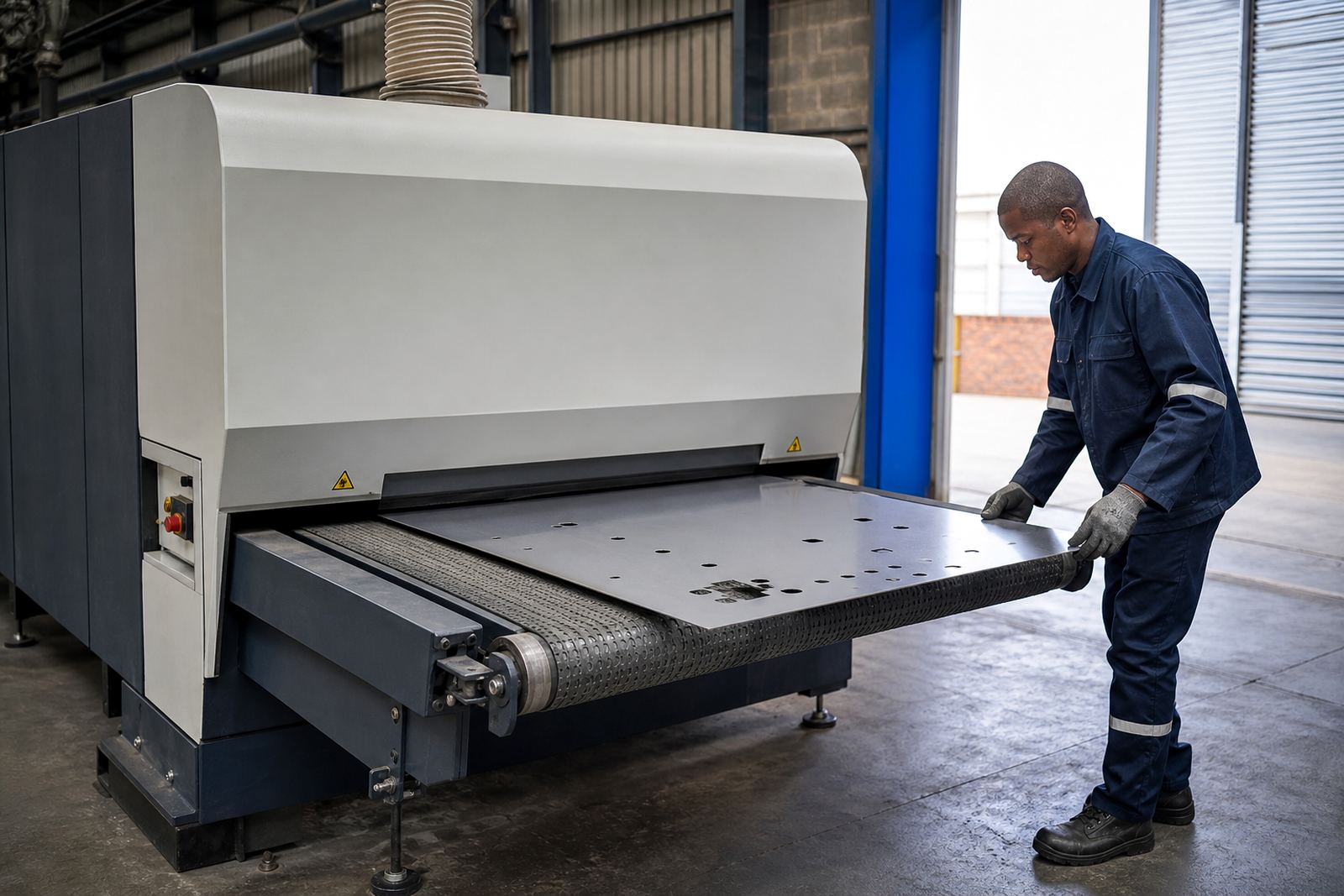
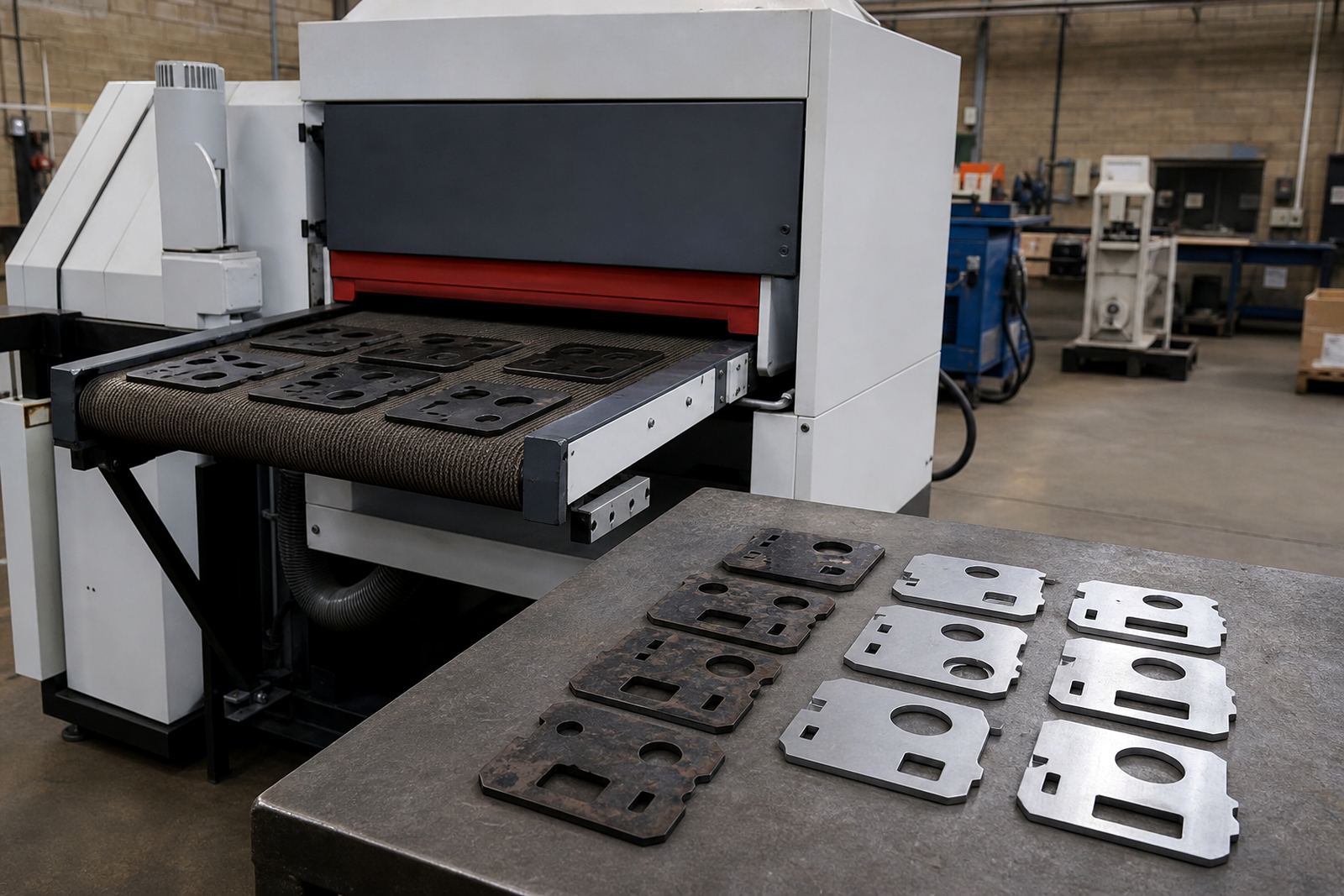
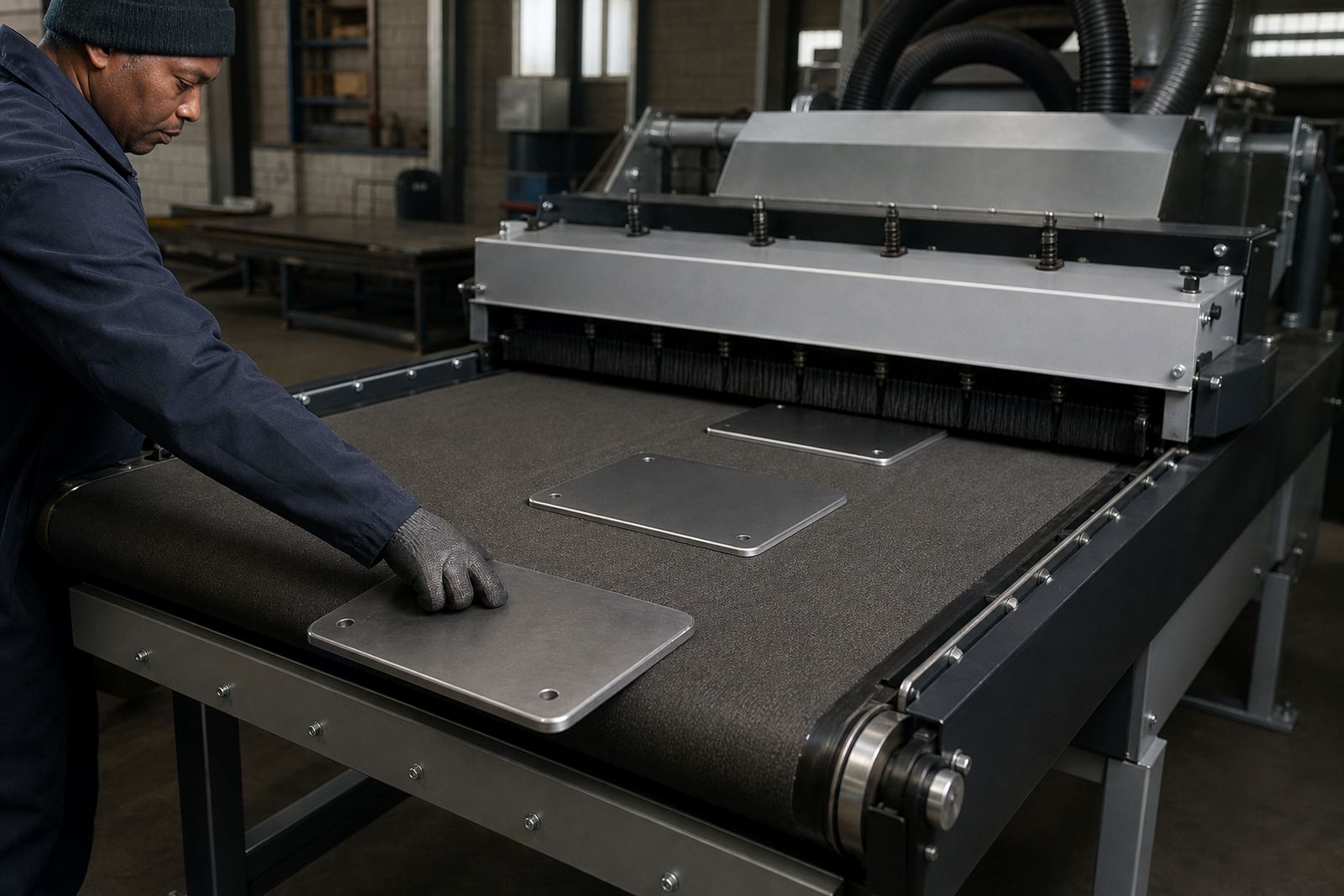
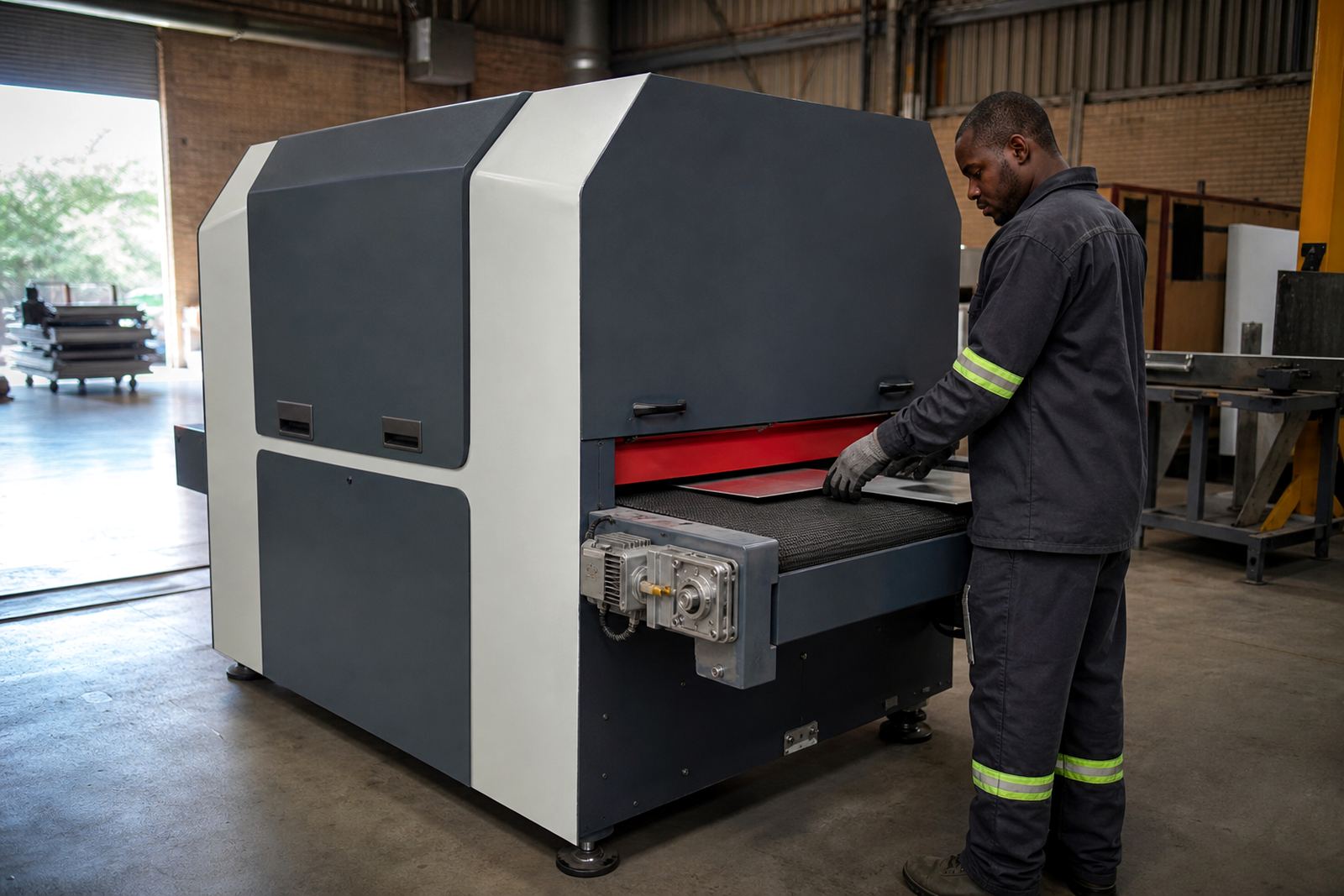
The Precision Edge Rounder is a dedicated edge-finishing machine for laser-cut sheet metal. It softens sharp edges, reduces the chance of cut hands during handling and gives parts a more consistent finished feel before folding, welding, painting or dispatch. For shops cutting mild steel, stainless steel and aluminium, it helps keep the edge condition repeatable from one batch to the next.
Unlike general grinding equipment, this machine is set up for sheet metal components that need controlled rounding rather than aggressive material removal. That makes it useful where parts must still fit accurately after finishing. It is especially handy on brackets, enclosures, cover plates, control panels and long flat laser nests that move through production in volume.
In South African fabrication shops, that consistency matters. Power interruptions, mixed shifts and uneven operator technique can all affect output, so a machine that gives a stable finish from part to part helps reduce reject rates. It also cuts down on hand work, which frees operators for other jobs.
Common Sizes and Configuration Options
We supply edge-rounding setups for different sheet sizes, thickness ranges and output levels. The right configuration depends on your laser table size, the smallest part you want to process and whether you need one side or both sides finished in a single pass.
- Working widths suited to small parts, medium production batches and wider laser-cut panels
- Adjustable feed control for a steady pass and consistent edge treatment
- Variable contact settings for different metals and burr conditions
- Options for dry processing or wet assisted operation, depending on the material and finish requirement
- Infeed and outfeed support for longer sheets and heavier components
For Gauteng and coastal operations alike, the setup should match the real mix of parts going through the shop. A Durban fabricator handling stainless work in humid conditions may need different finishing habits to a Pretoria jobbing shop running mild steel throughout the week. When we help with sample part testing, we check how the machine handles your actual cut edges, not just a drawing.
Where the Machine Fits Best
This product suits fabricators that produce laser-cut sheet metal for commercial, industrial and electrical applications. It is a strong fit where safety, visual quality and downstream handling all matter. If your parts are moved by hand before assembly, packing or powder coating, a rounded edge can make daily work safer and less tiring.
It is commonly used by shops making:
- Electrical enclosures and cabinet parts
- HVAC panels and ducting components
- Automotive brackets and mounting plates
- Steel furniture parts and appliance frames
- General engineering plates and laser-cut assemblies
Fabricators in Johannesburg, Pretoria, Durban, Cape Town and Rustenburg often need a machine that can keep up with changing job cards. This model suits mixed production because it can be used on repeated batches without heavy reset time. It also helps where clients expect a cleaner edge before paint or coating, especially on visible parts and customer-facing assemblies.
Installation, Power and Site Requirements
Installation should be planned around floor space, material flow and available electrical supply. The machine needs a level base, enough room for infeed and outfeed handling and clear access for maintenance. Where a shop already runs laser cutting, folding and finishing in one area, the layout should allow parts to move without cross-traffic.
Power requirements depend on the final configuration, but most installations need a stable three-phase supply and proper earthing. Because load-shedding and voltage dips can affect production, many shops choose to pair the machine with suitable backup arrangements or staggered production planning. If your site has limited electrical headroom, we can check the load before installation so there are no surprises on commissioning day.
For wet assisted models, water quality and drainage also need attention. Coastal humidity in places like Durban and Cape Town means rust prevention and regular cleaning matter even more. A dry, sheltered position and sensible housekeeping go a long way. If the machine is placed near welding bays or grinding dust, it should be protected from contamination and overspray.
Servicing, Wear Parts and Daily Care
Good edge-rounding results depend on regular care. Abrasive elements wear naturally, and as they wear the finish changes. Planned maintenance keeps the machine working within spec and helps avoid sudden stoppages when a production run is already under way. Our support team can assist with preventive maintenance, abrasive replacement and breakdown repairs, so shops do not lose time hunting for the right parts.
Daily care is straightforward if operators follow a routine:
- Clear swarf and dust from the working area after each shift
- Check feed settings before starting a new material type
- Inspect wear parts for uneven contact
- Keep guide surfaces clean and dry
- Record any unusual noise, vibration or finish change
Annual service contracts are useful for busy shops that want predictable maintenance scheduling. They also help when a business works across multiple shifts and needs a clear record of inspections, adjustments and consumable changes. If you run in a humid coastal area or a dusty inland workshop, routine attention becomes even more important, and small issues are easier to fix early than after they affect output.
What to Confirm Before You Order
Before placing an order, it helps to check the part mix and the finish standard you need. The machine must suit your thickness range, the smallest and largest sheet sizes, and the edge condition expected by your customer. If you are finishing for safety only, the setup may differ from a job that needs a neat rounded edge for visible assembly work.
Please confirm the following:
- Material type and thickness range
- Average sheet size and the largest part to be processed
- Whether you need one-sided or full edge treatment
- Required feed speed and production volume per shift
- Available electrical supply and floor space
- Any special finish needs for stainless steel or aluminium
We can also assist with sample part testing and process optimisation so you know what to expect before the machine is set up. If your team needs operator training or production planning help, that can be arranged as part of the installation plan. A proper check up front saves time later and helps the machine fit into the line properly.
Key facts
| Machine type | Precision edge-rounding machine for laser-cut sheet metal |
|---|---|
| Primary use | Controlled edge radius and safer handling |
| Suitable materials | Mild steel, stainless steel, aluminium |
| Typical production | Single parts, nested sheets and mixed job shop batches |
| Power requirement | Usually three-phase supply, final spec depends on configuration |
| Support services | Installation, training, preventive maintenance, spares and breakdown repairs |