What a wide belt finisher does in daily production
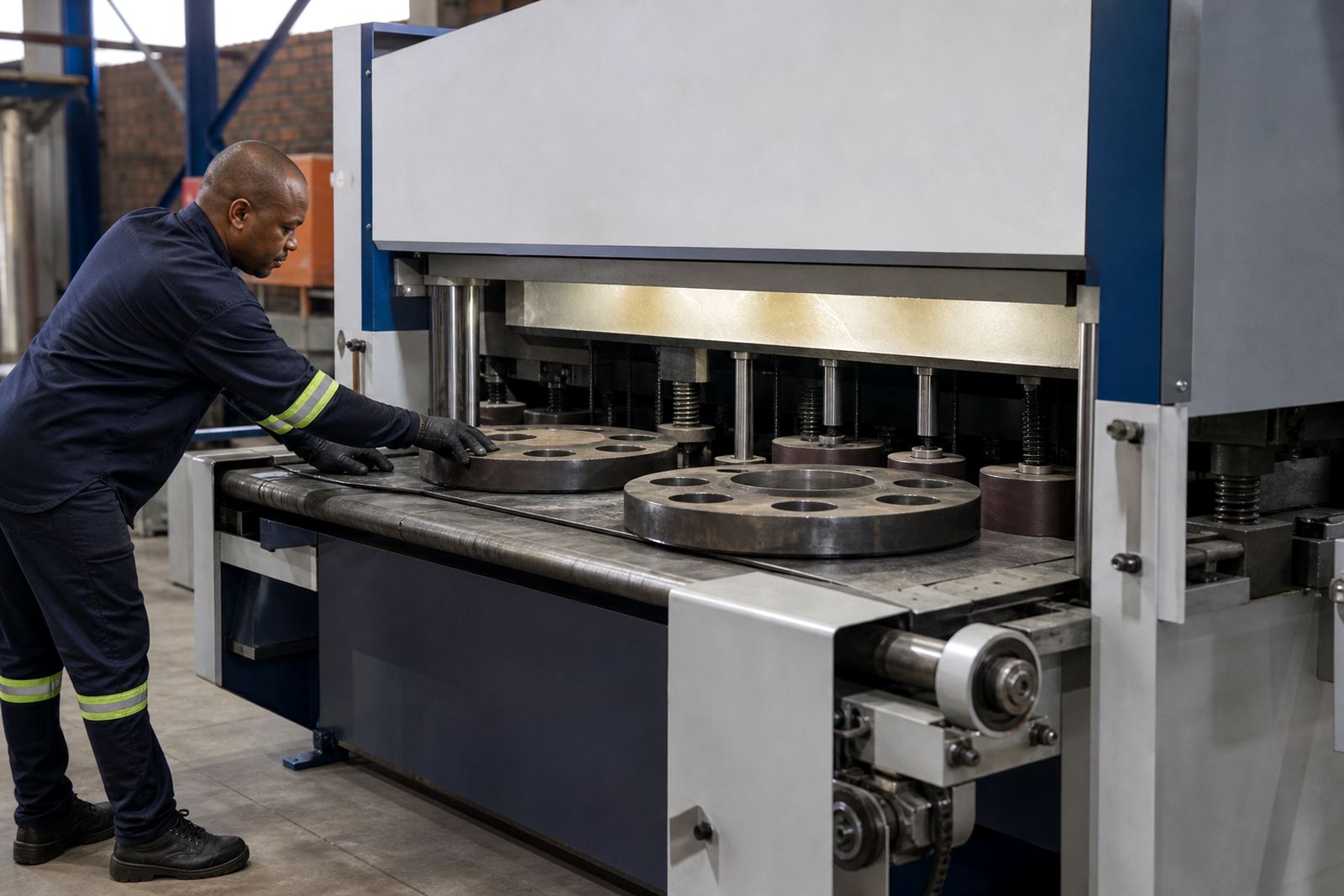
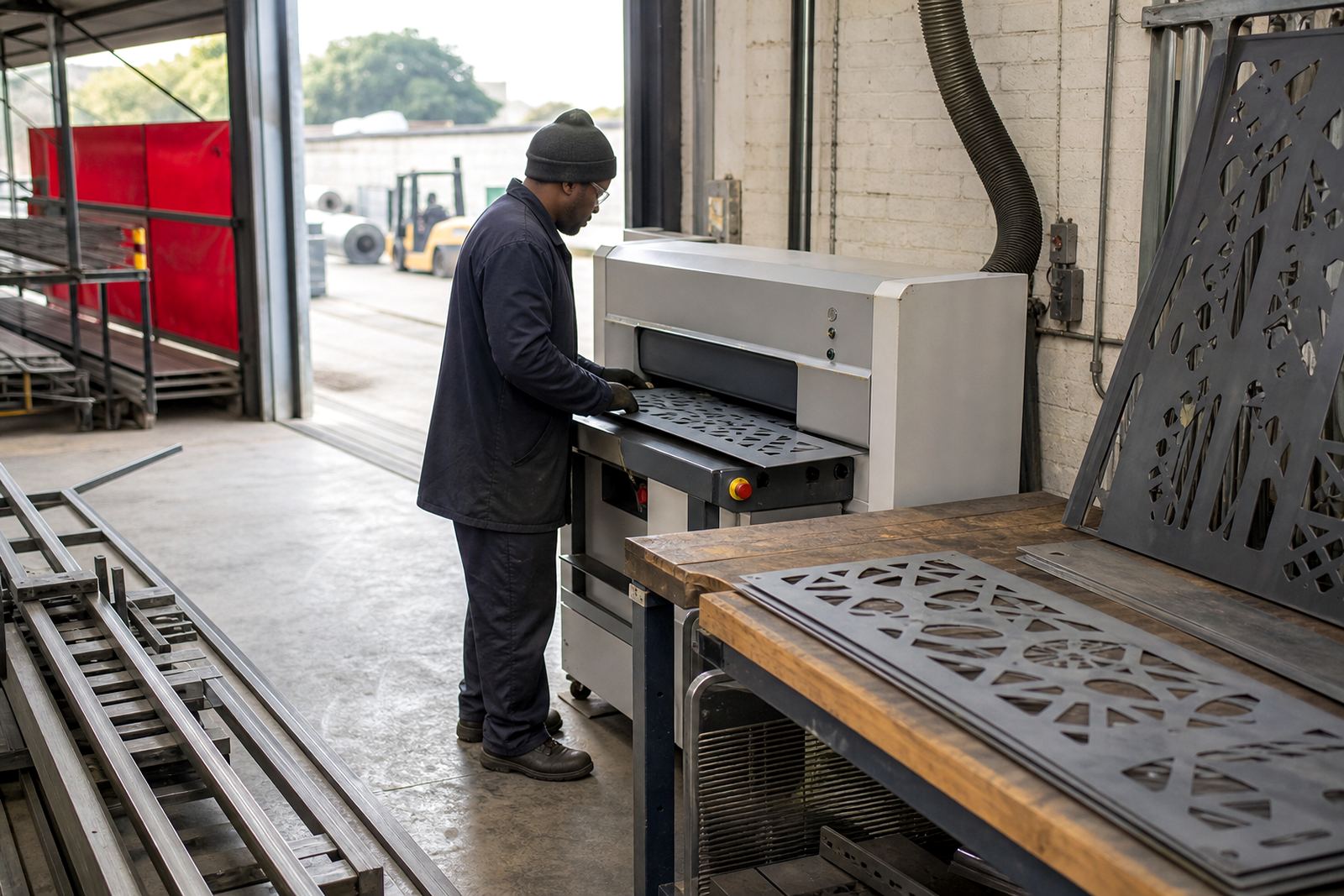
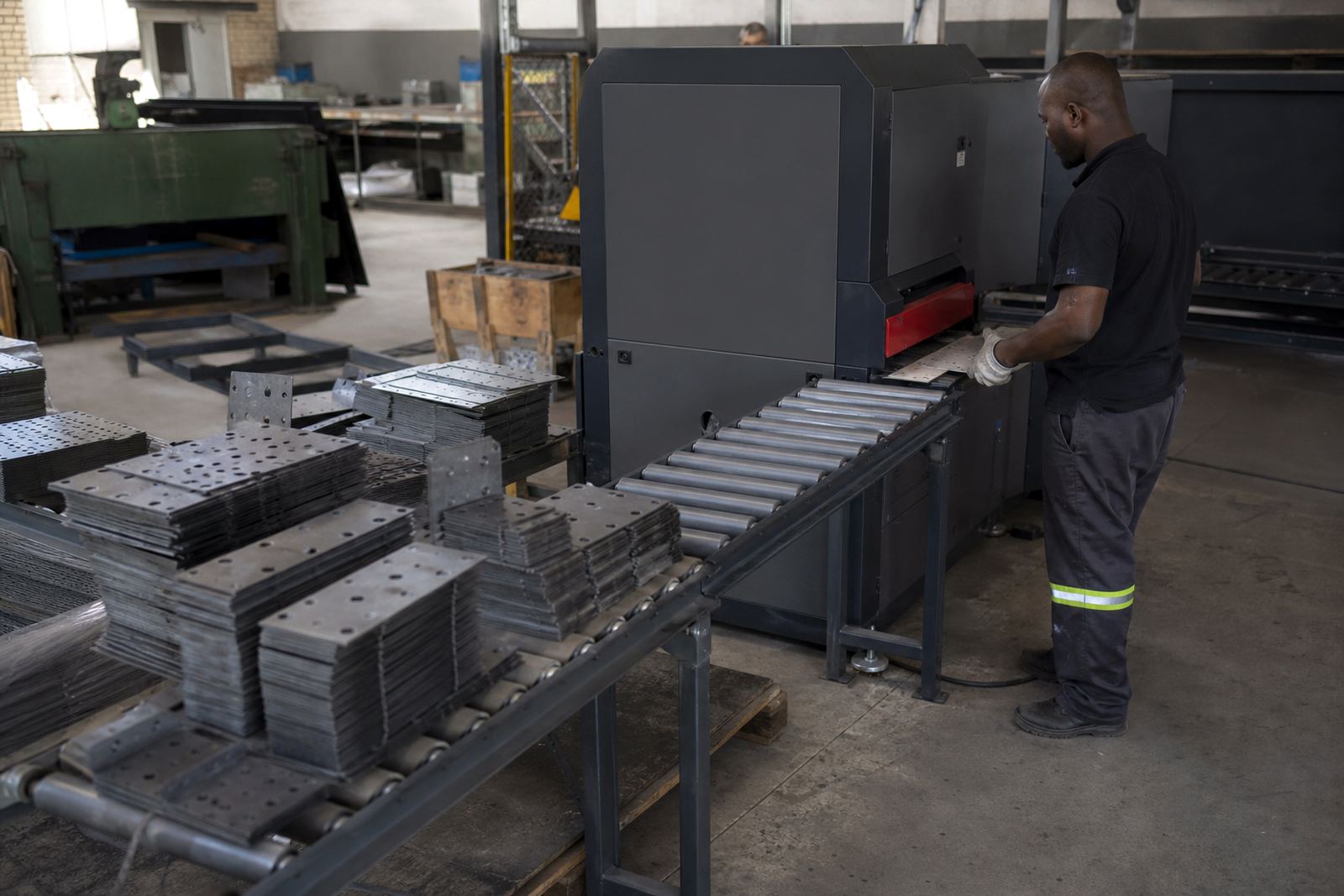
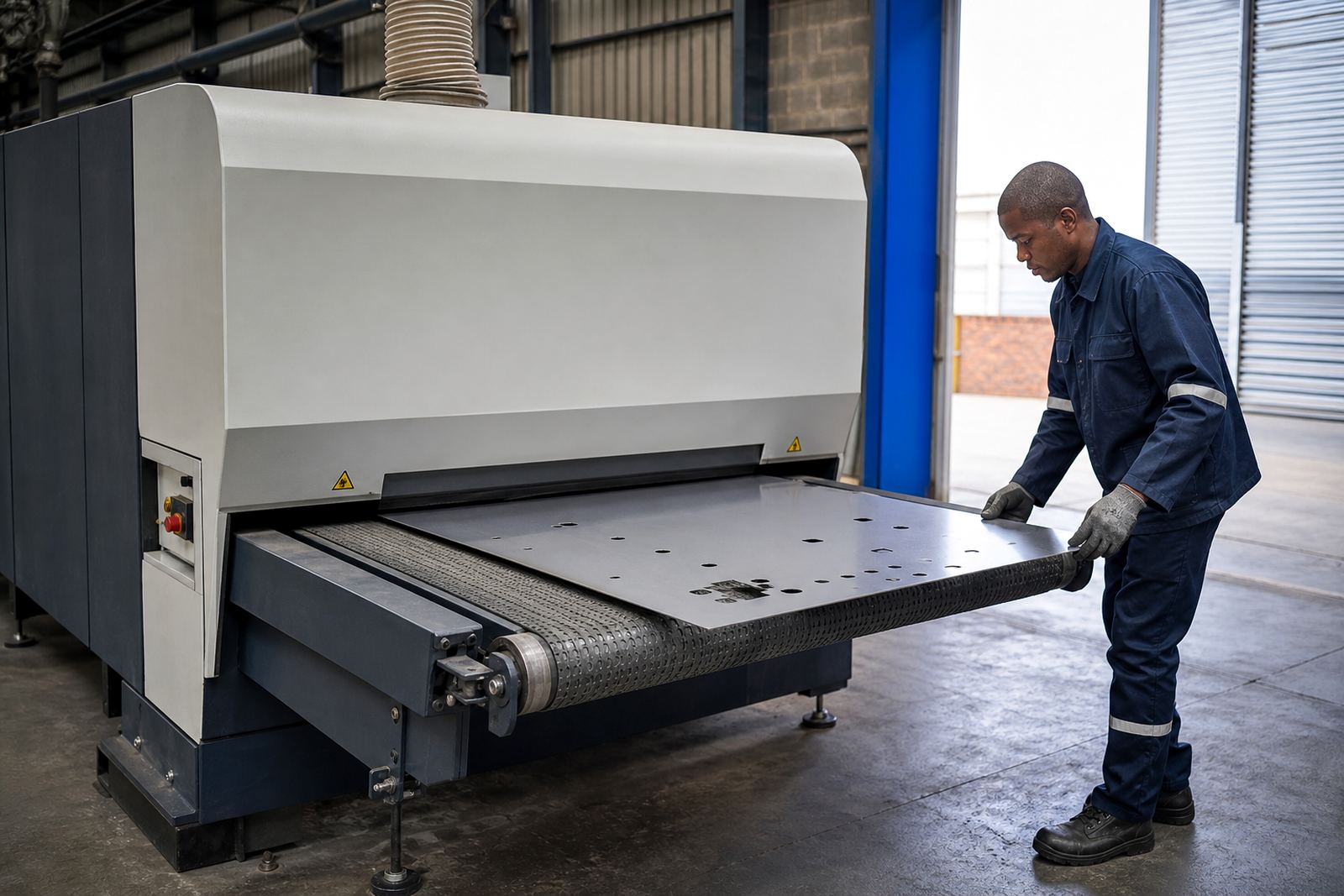
This machine is used after laser cutting to remove sharp edges, reduce burrs and refine the cut surface on flat sheet metal. Unlike hand finishing, a wide belt finisher gives a steadier result across the full width of the sheet, which helps when parts are going to folding, welding, coating or final assembly. It is a practical fit for shops that want less rework and fewer sharp-edge complaints from the floor.
For South African fabricators working long shifts, the value is simple: the machine handles the repetitive finishing work and keeps output more consistent from one batch to the next. It is also easier to plan around load-shedding and production deadlines when the finishing step is controlled instead of relying on manual filing or grinding.
- Removes light burrs from laser-cut edges
- Creates a more even edge break on flat parts
- Improves surface preparation before painting or powder coating
- Reduces handling injuries from sharp sheet edges
Sizes, belt widths and working formats
Wide belt finishers are selected mainly by sheet width, part size and the finish required. Some shops need a machine for smaller precision work, while others need a wider platform for large-format production. The right setup depends on the biggest sheet you process, the thickness range, and whether you need both top-side and edge conditioning in one pass.
Typical production options include variable feed control, adjustable abrasive heads and extraction points for dust and metal fines. For busy plants in Germiston, Johannesburg or Pretoria, a wider belt and stable infeed table can make a big difference to throughput, especially when sheets are moved from laser cutting straight into finishing and then on to press brake work.
- Working widths commonly suited to 600 mm, 1000 mm, 1300 mm and 1600 mm class machines
- Suitable for flat sheets and larger cut components
- Adjustable belt and head settings for different metals and finish levels
- Optional wet or dry process configuration depending on application
Where this machine fits best in South African shops
This product suits fabricators that run laser-cut mild steel, stainless steel or aluminium in repeat quantities. It is especially useful where the same parts need to look clean and feel safe to handle, such as panels, covers, brackets, enclosures and general fabricated components. Workshops in coastal areas like Durban or Cape Town also use controlled finishing to keep surface quality more predictable when humidity affects storage and handling.
It works well in jobbing shops, production lines and contract manufacturing operations where finishing is not a side task but a proper step in the process. If your team is still using hand pads, flap discs and angle grinders for every batch, the labour cost and inconsistency can become noticeable very quickly.
- Laser cutting job shops
- Sheet metal fabricators
- Electrical enclosure and panel makers
- General manufacturing plants with repeat parts
Installation, power supply and workshop planning
A wide belt finisher needs a proper site check before installation. Floor space, infeed and outfeed clearance, extraction, power supply and part flow all matter. Some sites also need extra planning for compressor air, dust collection and safe movement of sheets to and from the machine. In a busy workshop, the machine should sit where operators can load sheets without crossing forklift routes or stacking areas.
Power needs depend on the model and the type of finishing heads fitted. Many production machines use three-phase supply, and some setups may need a stable electrical feed or protection against dips during load-shedding. If your site runs on a generator or inverter support system, that should be checked early so the finisher can be matched to your actual supply. On bigger jobs, our team can help with machine installation and production planning so the flow from laser to finishing stays practical.
- Check floor space and access for long sheets
- Confirm supply voltage and phase before delivery
- Allow for extraction or dust control where required
- Plan loading, offloading and maintenance access
Servicing, abrasive care and uptime on busy lines
To keep a wide belt finisher working properly, the abrasive system needs regular attention. Belts wear, contact parts need inspection, and feed settings should be checked as production changes. If the machine is used daily, preventive maintenance is better than waiting for a breakdown. That approach keeps the finish more predictable and reduces downtime when orders are already behind schedule.
Service intervals depend on hours used, material type and the finish expected. Stainless steel and heavier burr removal will normally wear consumables faster than light aluminium work. A regular machine audit can help spot issues before they become bigger repair costs. In coastal or humid conditions, it also makes sense to keep the machine clean and dry when it is not running, as moisture and fine dust can shorten the life of moving parts.
- Replace abrasives before finish quality starts dropping
- Keep extraction clean to limit fine dust build-up
- Check rollers, belts and drive parts on a schedule
- Use annual service contracts where uptime matters most
What to check before you order one
Before placing an order, it helps to match the machine to your actual parts rather than your smallest job. The right choice depends on sheet width, thickness, burr level, daily output and the finish standard your customers expect. If you process mixed metals, tell us what you run most often so the machine setup can be matched properly. It is also worth checking whether you need sample part testing before committing to a final configuration.
When you enquire, have a few basic details ready: material type, thickness range, largest sheet size, daily quantity and any special finish requirements. If you are planning a relocation, a new production line or a replacement for manual finishing, those details help us advise on installation, spares and operator training. Thandiwe and the team can then recommend a practical setup instead of guessing.
- Largest sheet size you need to process
- Metal types and thickness range
- Required finish level and edge break standard
- Available power supply and floor space
- Whether you need sample part testing first
Key facts
| Machine type | Wide belt finisher for laser-cut sheet metal |
|---|---|
| Typical use | Edge break, burr reduction and surface refinement |
| Material range | Mild steel, stainless steel and aluminium |
| Working widths | Commonly 600 mm to 1600 mm class, depending on model |
| Power supply | Usually three-phase, model dependent |
| Configuration options | Dry or wet process, variable feed, extraction and abrasive head options |