Why aluminium edges need attention after laser cutting
Aluminium cuts differently from mild steel. It is softer, it can smear at the edge, and light burrs can appear as a raised lip or a rough edge that catches a glove, a stacker tray, or the next operation. On thinner sheet, even a small burr can be enough to upset a press brake setup or leave a mark after handling.
In practical terms, the problem is not only appearance. Burrs can interfere with assembly, create sharp points on hand contact areas, and trap powder coat or anodising residue in the final finish. In workshops around Wadeville and the East Rand, the same part may be cut in batches of 20 or 200, and if edge condition varies from sheet to sheet the whole job becomes harder to manage.
Clean edges are also a process control issue. When operators know the edge condition is repeatable, they can load parts faster, handle them with less caution, and reduce rework later on. That matters when load-shedding has already shortened the day and every saved minute counts.
What actually causes burrs on aluminium sheet
Burrs do not come from one cause only. They usually show up when cutting speed, assist gas, focus, sheet flatness, and material quality are not matched properly. A laser may leave a fine dross line if the settings are too hot, while too much speed can leave a rough edge with tiny tear marks.
Some of the common causes we see include:
- Worn or dirty cutting optics that affect edge quality.
- Poor nesting that allows parts to shift or vibrate during cutting.
- Inconsistent sheet thickness from batch to batch.
- Incorrect gas settings for the alloy and thickness.
- Handling damage before the parts are finished.
Aluminium also shows edge issues more clearly on some finishes than others. A raw edge may look acceptable from one angle and then show a bright smear or lip when the part is turned under light. That is why sample part testing is worth doing before full production, not after.
A practical finishing sequence that saves rework
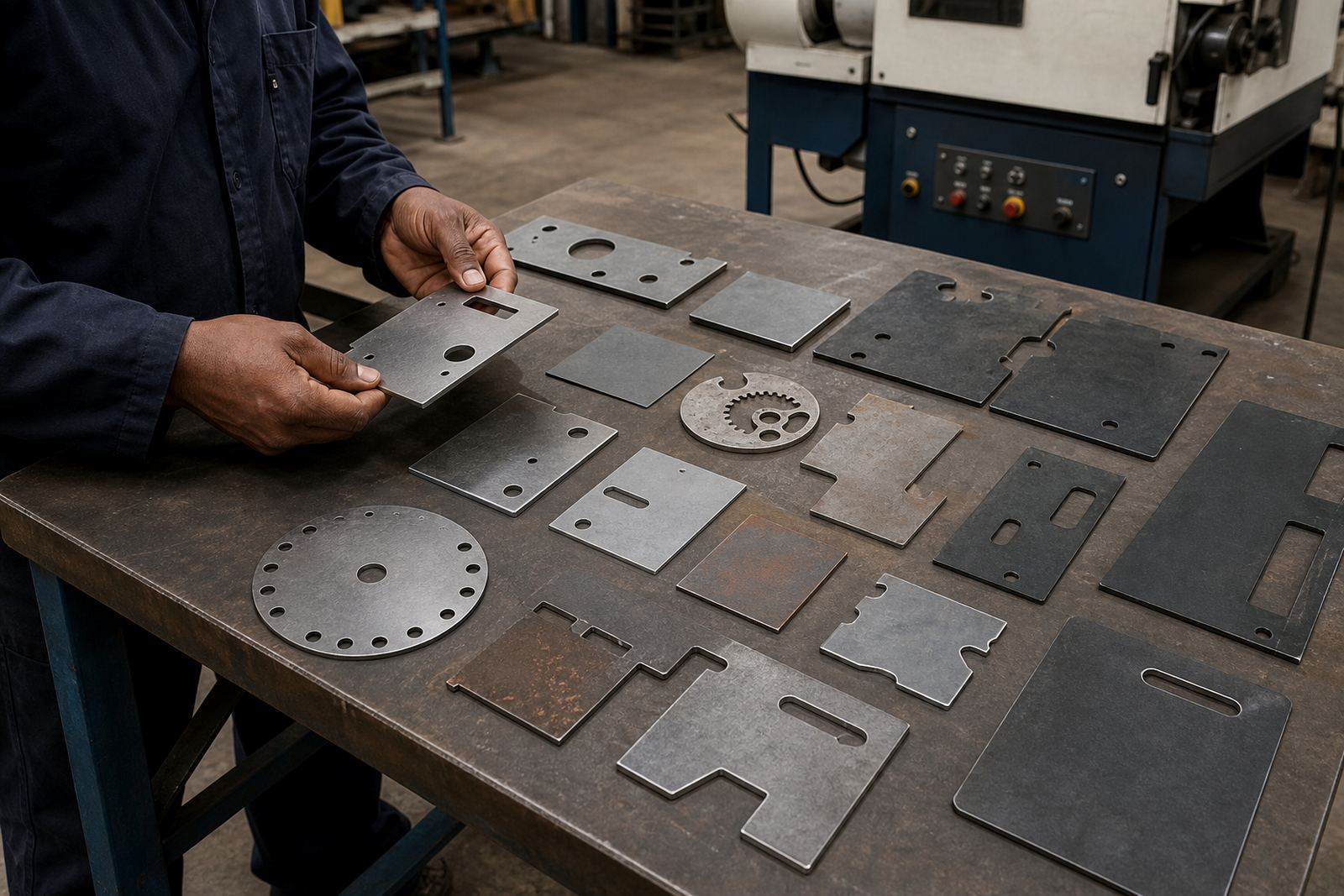
The best results usually come from a simple, repeatable sequence. First, check the cut parts for obvious slag, raised burrs, and edge smearing. Then decide whether the part needs a light edge break, a full deburr, or a more aggressive finish depending on where it will be used.
For many aluminium jobs, a controlled finish is better than overworking the edge. Too much pressure can round corners more than the drawing allows, especially on small brackets or precision panels. A good operator will look at both sides of the sheet because the top and bottom edges can behave differently.
- Inspect the first-off part before releasing the batch.
- Remove loose burrs before stacking to avoid scratching.
- Keep finished parts separate from raw cut material.
- Check holes, slots and internal cutouts, not just outside edges.
- Measure the part after finishing if close tolerances matter.
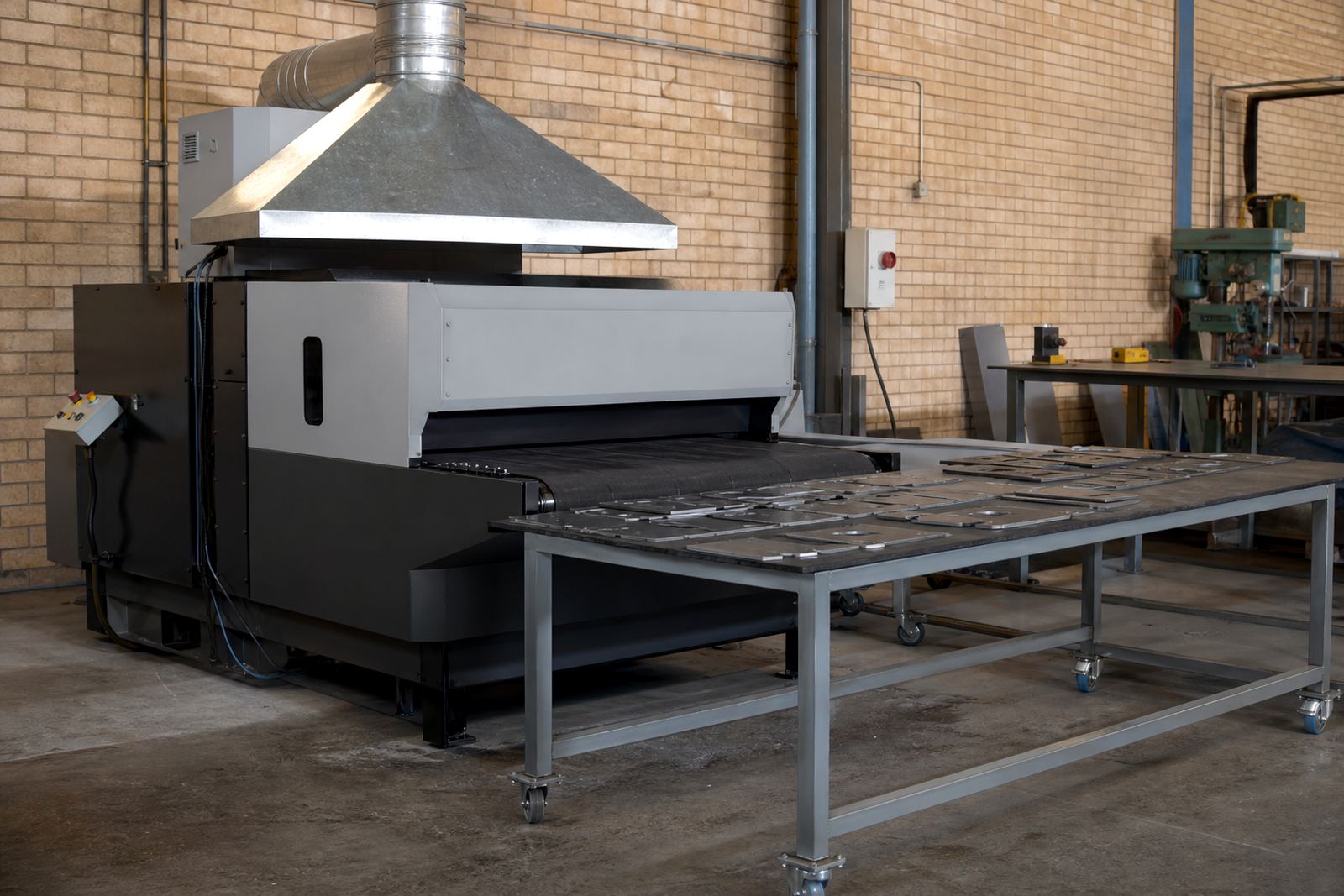
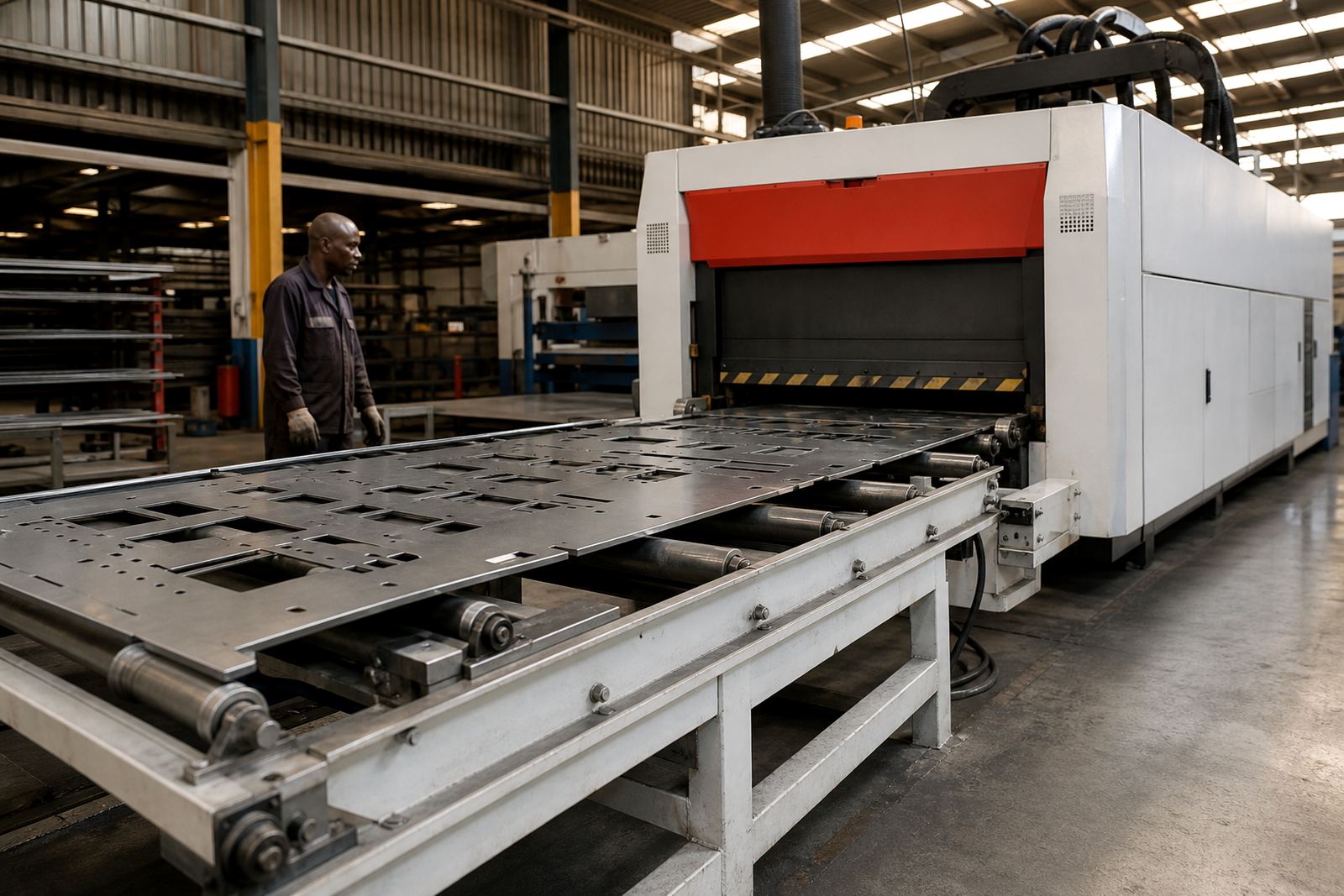
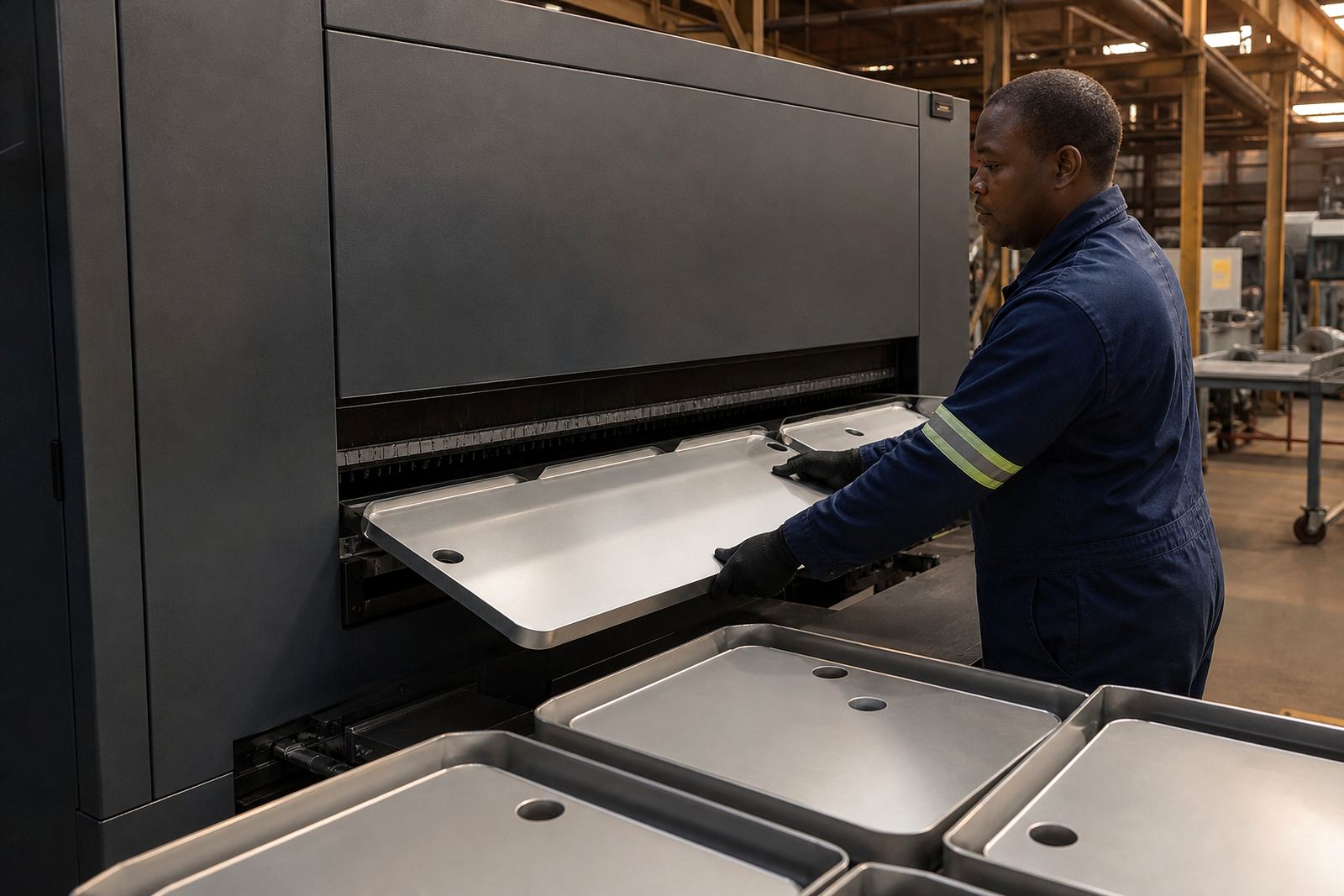
Where production volumes are steady, a dedicated deburring and edge-finishing process can cut manual filing time sharply. That helps when you are processing parts for cabinets, signage frames, enclosure panels or transport components that all need clean handling edges.
Choosing the right edge finish for the end use
Not every aluminium part needs the same finish. A decorative panel on a public-facing product needs a smoother edge than an internal bracket hidden inside a machine. A part that will be powder coated may need enough edge care to help coating hold, while a part that will be assembled by hand needs safe handling edges and consistent fit.
When deciding on finish level, ask three questions. Will the edge be touched often, will it be visible, and will it affect assembly or sealing? If the answer is yes to any of those, then the edge deserves more than a quick once-over.
In humid coastal areas like Durban, aluminium parts can also pick up surface contamination faster if they are left lying around after cutting. A tidy process with quick finishing and proper storage helps avoid staining and keeps the parts ready for coating or dispatch. In Cape Town, where wind-blown dust can be a nuisance, covered staging is just as important.
For fabricators serving jobbing work, the right finish is often a balance between speed and quality. You do not want to overprocess a low-value bracket, but you also do not want a returning customer because one sharp edge cut a hand during installation.
Machine setup, maintenance and the small things that matter
Good aluminium edge quality depends on machine condition as much as operator skill. A laser line that is not serviced regularly can drift, and once the cut edge starts changing the finishing team has to carry the problem. Preventive maintenance is cheaper than chasing faults during a busy shift.
In a South African workshop, the practical concerns are simple: dust, power interruptions, compressed air quality, and keeping consumables in stock. If the machine is down for an hour during peak work, the effect can run through the whole day. That is why breakdown repairs, spares supply, and annual service contracts are not side issues, they are part of production planning.
- Check machine alignment and cutting consistency on a fixed schedule.
- Replace worn abrasive consumables before finish quality drops.
- Train operators to spot burr patterns early.
- Keep a record of problem materials or recurring sheet suppliers.
- Test new parts before scaling up a full batch.
Where a workshop runs both light gauge and heavier aluminium, it helps to separate finishing settings by job type. A setting that works on one plate thickness can give poor results on another, and that leads to unnecessary rework.
A Johannesburg example from mixed production
A local fabricator in the Johannesburg area might cut aluminium panels for enclosures in the morning and smaller bracket work after lunch. The panels need neat external edges for coating, while the brackets need burr-free slots so they assemble without forcing. If the same finishing method is used on both, the result is usually either too slow or not clean enough.
The better approach is to classify jobs before they reach finishing. One line can handle light edge care for high-volume panels, while another handles sample parts and tighter work. That keeps throughput steady and avoids the habit of overfinishing simple parts just because they are on the same trolley.
For sites in Pretoria, Rustenburg, Germiston and beyond, the same rule applies. Good finishing is not about polishing every piece to perfection. It is about giving each part the level of edge control it needs so the next process runs without trouble. That is what keeps jobs on schedule and customers satisfied.
When the burr is under control, the whole production flow feels easier. Operators handle parts with more confidence, installers spend less time cleaning up edges, and the workshop spends less time fixing avoidable mistakes.