Why Dry Processing Fits Many Laser-Cut Jobs
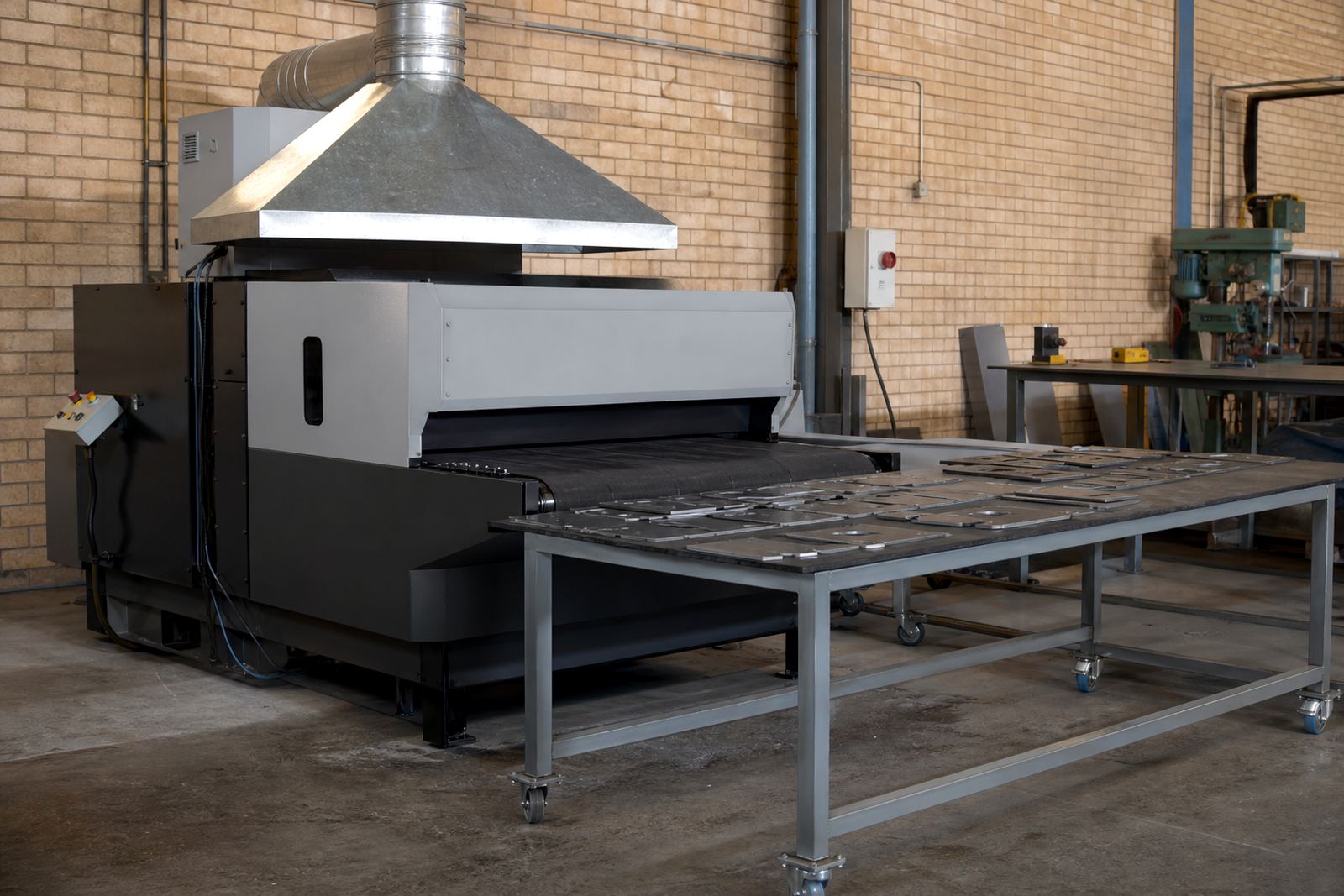
Dry processing is often the practical choice when a shop cuts a steady mix of mild steel, stainless steel and aluminium parts that need edge finishing straight after laser cutting. Instead of introducing water or a wet cycle, the machine removes burrs and breaks sharp edges with abrasive tools while the parts stay dry and ready for the next step.
For general fabrication shops in Wadeville, Germiston and the wider East Rand, that matters when floor space is tight and jobs move quickly from cutting to bending, welding or dispatch. You do not need to manage slurry, water quality or drying racks, which helps keep production simpler on busy days when load-shedding or shift changes already disrupt the schedule.
Dry processing also suits shops that want consistent results on repeat work. Once the machine is set up for the material and thickness range, operators can process batches with less variation and fewer manual touch-ups at the bench. That saves time and gives the fitter or assembler cleaner parts to work with.
The Jobs That Benefit Most From Dry Deburring
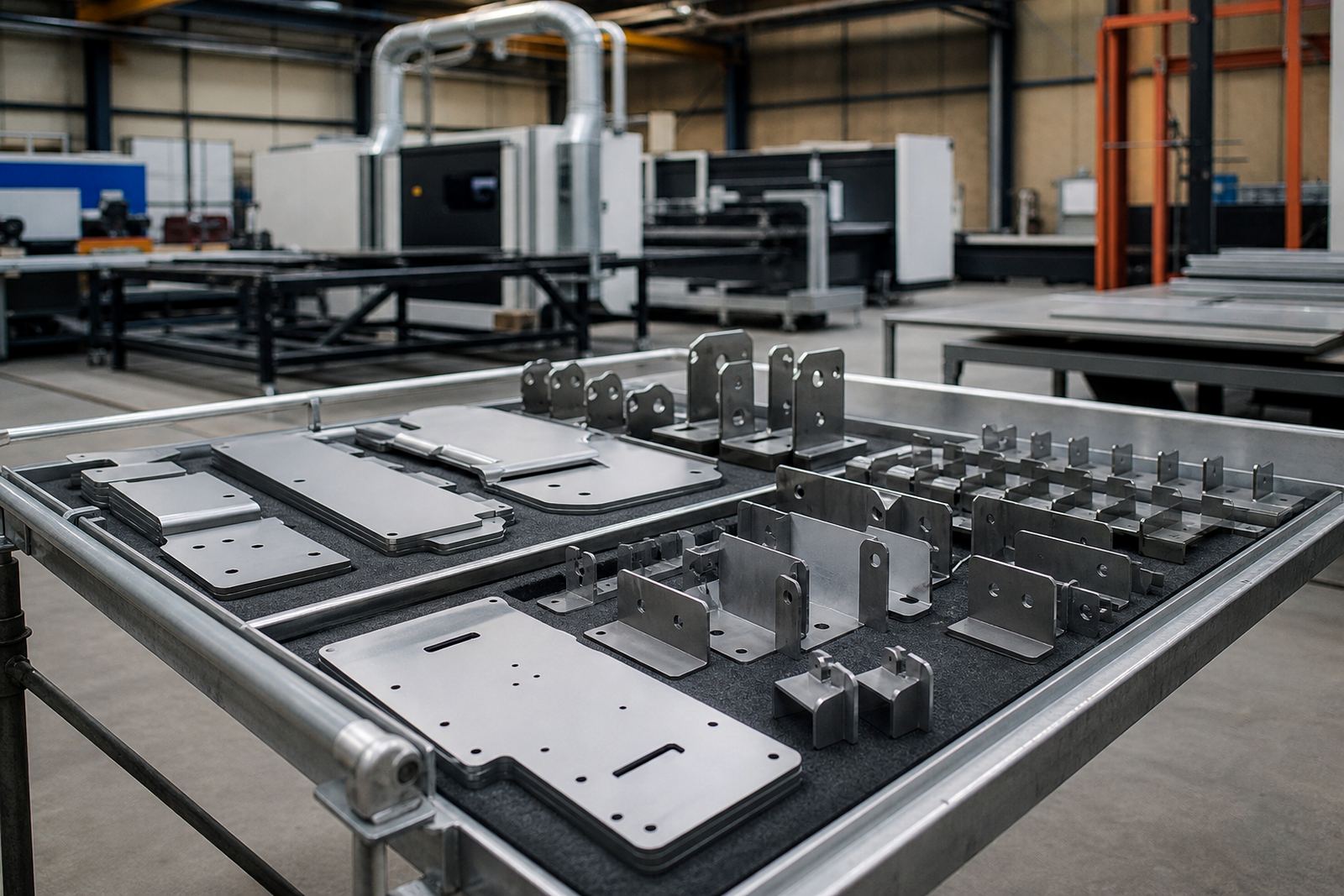
Not every part needs the same finish. Dry deburring is especially useful where sharp laser edges, light burrs and small slugs need to be removed before assembly or packing. It works well for general fabrication, electrical enclosures, brackets, covers, panels and machine guards.
In shops handling contract work, the benefit is flexibility. You may cut 1 mm sheet in the morning and 6 mm plate later in the day, then change over to a different batch for a customer in Johannesburg or Pretoria. A dry machine can often handle that kind of mix without the added downtime that comes with water based systems and drying steps.
- Parts need a clean edge before folding or welding
- There is limited space for water management or drainage
- The shop wants a simple process with fewer handling steps
- Production runs must keep moving through the day
- Parts must leave the floor dry and ready for packing
What to Check Before You Buy a Dry Machine
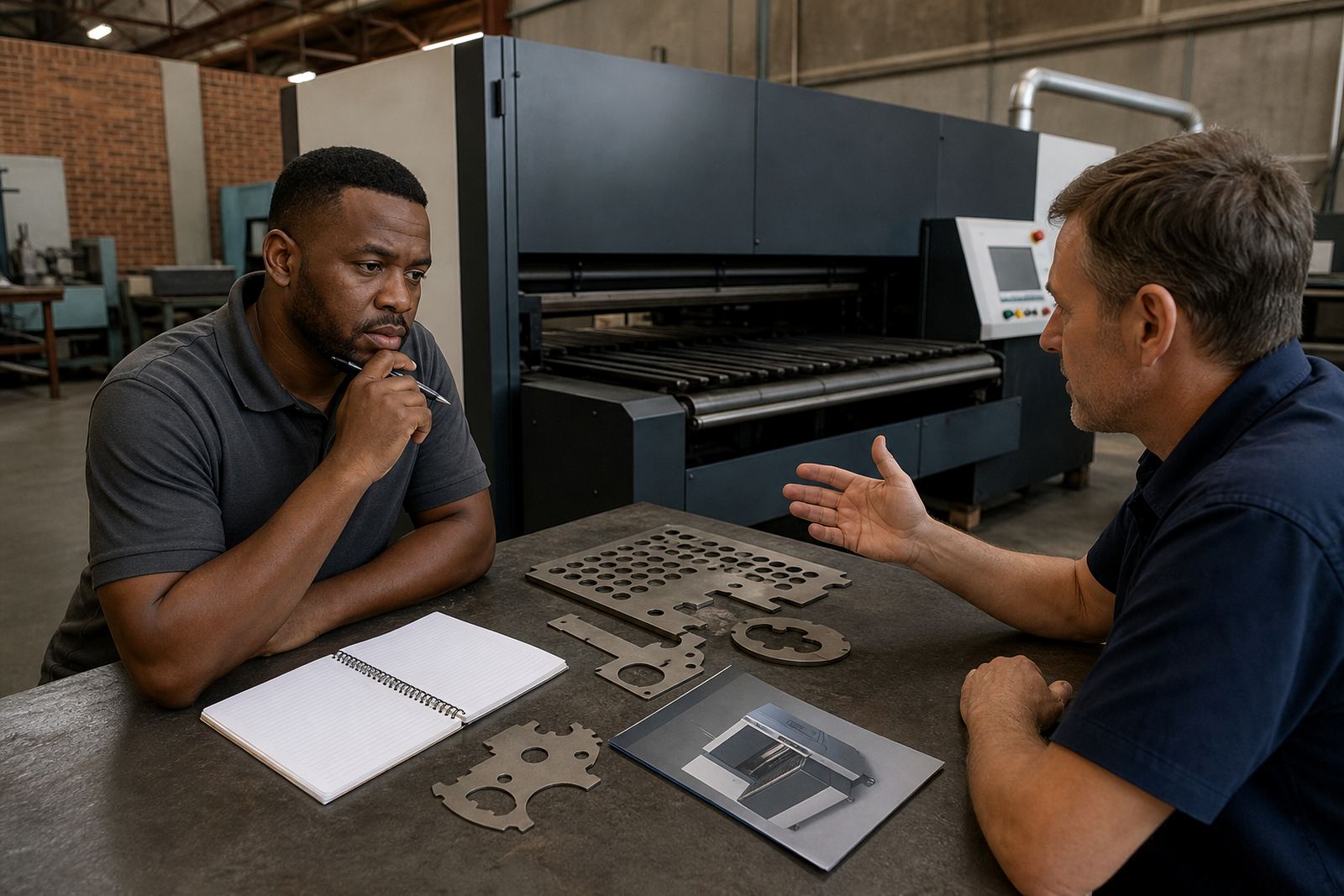
Before choosing a machine, look at the part mix rather than only the advertised speed. A machine that works well on flat parts may not suit parts with heavy scale, long slots or a lot of fine cut-outs. Ask how the machine handles small components, skeleton pieces and different material grades.
Tooling and abrasive life matter too. In a South African workshop, the real cost is not just the purchase price but the consumables, the power use and the time between maintenance intervals. If your team runs long shifts in Durban or Cape Town where humidity can affect storage and handling, check how the machine and abrasives perform over time and what spare parts are needed to keep it going.
- Working width and part size range
- Thickness range for the material you cut most often
- Ability to process mixed batches without constant reset
- Extraction and dust control requirements
- Available service support and spare parts supply
Dry Processing Versus Wet Processing in Daily Production
Wet systems can be useful for certain applications, but many general fabricators find dry processing easier to manage day to day. There is no water tank to maintain, no sludge to clear and no drying stage before the parts go to the next machine. That can make a real difference in a workshop that is already balancing cutting, folding, welding and dispatch under one roof.
Dry processing also reduces the risk of wet parts marking paper wraps, cardboard or stored components. If your jobs are packed for delivery to Rustenburg sites or loaded for long-distance transport, dry parts are easier to handle and less likely to pick up moisture-related issues along the way. In practice, that means less rework and fewer complaints from the customer.
That said, the right choice depends on the finish you need. If the job calls for a particular surface effect or a specialised application, test parts first. Sample part testing gives you a clear picture of edge quality, burr removal and how the machine treats your exact material combination.
A Local Example From a Busy East Rand Shop
Consider a fabricator in Wadeville that cuts enclosure panels, access covers and mounting plates for customers across Gauteng. The shop runs a single laser, two folding stations and a welding bay, so every minute of handling counts. Before adding dry processing, operators were spending time with files and hand tools to remove sharp edges after cutting.
After moving to a dry deburring machine, the shop shifted that work into one controlled process. Parts came off the laser, went through edge finishing and moved straight to bending or assembly. The team noticed fewer handling marks, less pressure on the welders to clean edges and better consistency on repeat orders. It was not about fancy equipment, just a simpler flow that matched the way the shop already worked.
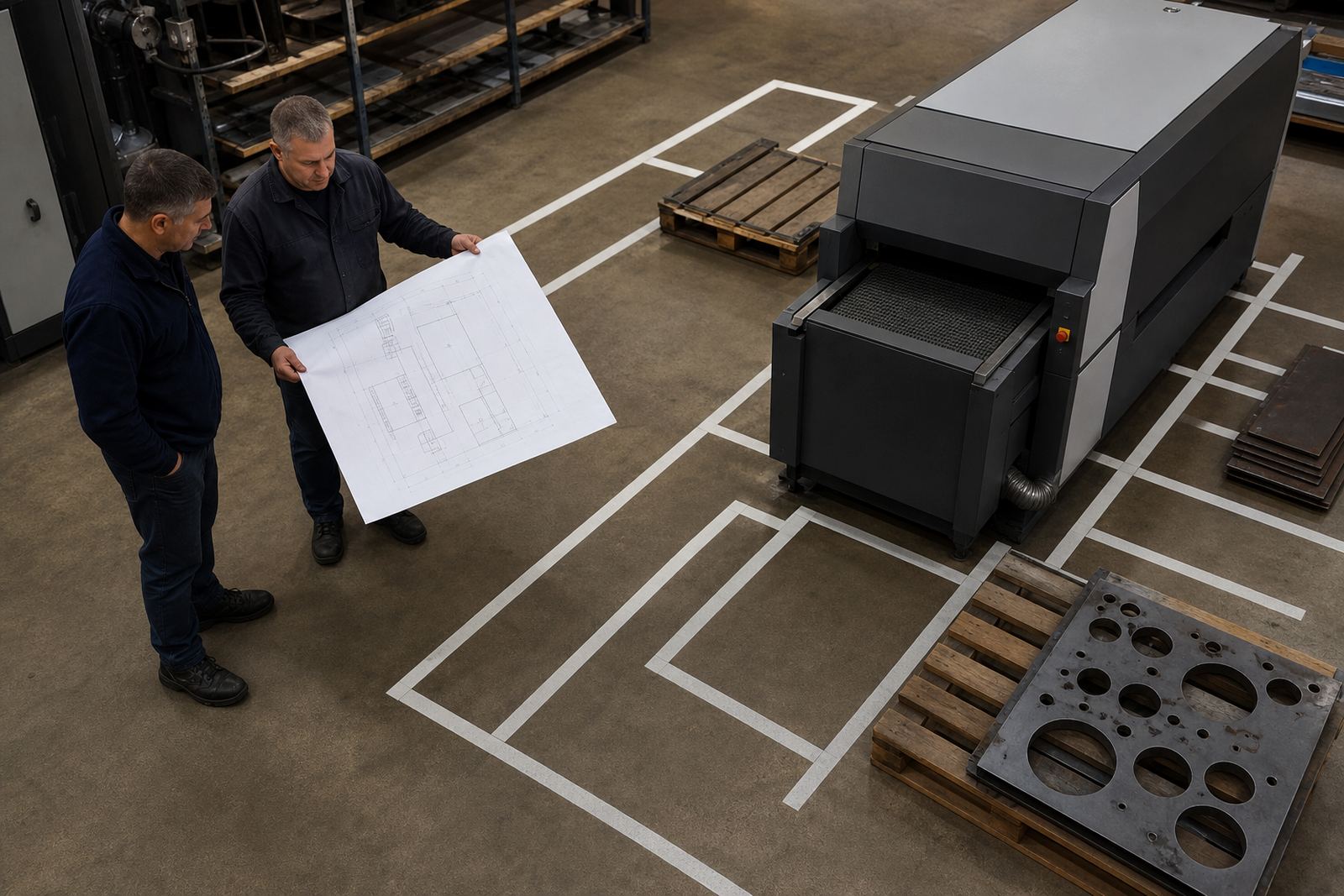
This kind of result is common where production is practical and space is limited. A machine that fits the workload, runs reliably on local power conditions and is backed by proper service support can make a noticeable difference without changing the whole factory layout.
Making the Choice Work Long Term
Choosing dry processing is only the first step. To keep it worthwhile, the machine needs proper installation, operator training and routine preventive maintenance. If the team understands feed rates, abrasive wear and the signs of poor edge quality, they can catch problems early and keep output steady.
For many shops, annual service contracts and planned breakdown support are what protect the investment. When a machine is part of a daily production line, every hour of downtime affects dispatch and labour planning. Keep a small spares plan in place, schedule audits when part quality starts drifting and use production planning help if the machine becomes a bottleneck during peak work.
Dry deburring is not the answer for every application, but for general fabrication it often gives the best balance of cost, speed and clean output. If your shop wants parts that move from laser to assembly with less handling and fewer delays, dry processing is worth serious consideration.