Why a sample part tells the truth faster than a brochure
When a fabricator is looking at a deburring machine, the real question is not whether the machine looks suitable on paper. The question is whether it will handle your actual parts, your cut quality, your burr size, and your daily output without causing new problems.
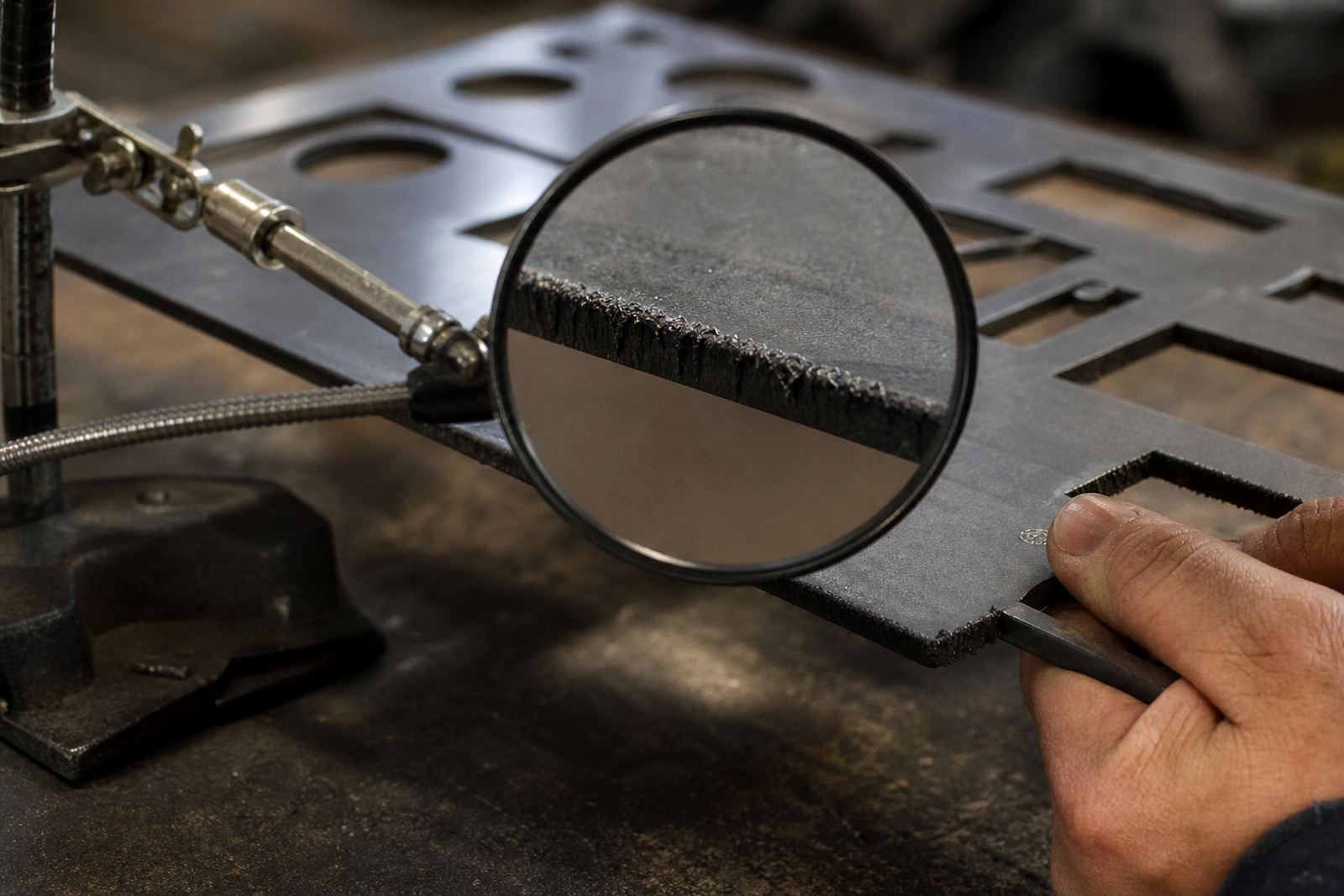
Laser-cut sheet metal can vary a great deal from one job to the next. Mild steel, stainless steel and aluminium all behave differently. Plate thickness changes the edge condition. Small internal cut-outs can snag. Sharp corners, oxide on the cut edge, and fine dross all affect the final finish. A sample part shows these details in a way that a specification sheet never can.
In South Africa, where many workshops are balancing tight lead times, load-shedding, and mixed production runs, there is little value in choosing equipment by assumption. A sample part gives you a direct answer on finish, feed speed, consistency and how much manual touch-up will still be needed after the machine has done its work.
What to send for testing if you want a useful result
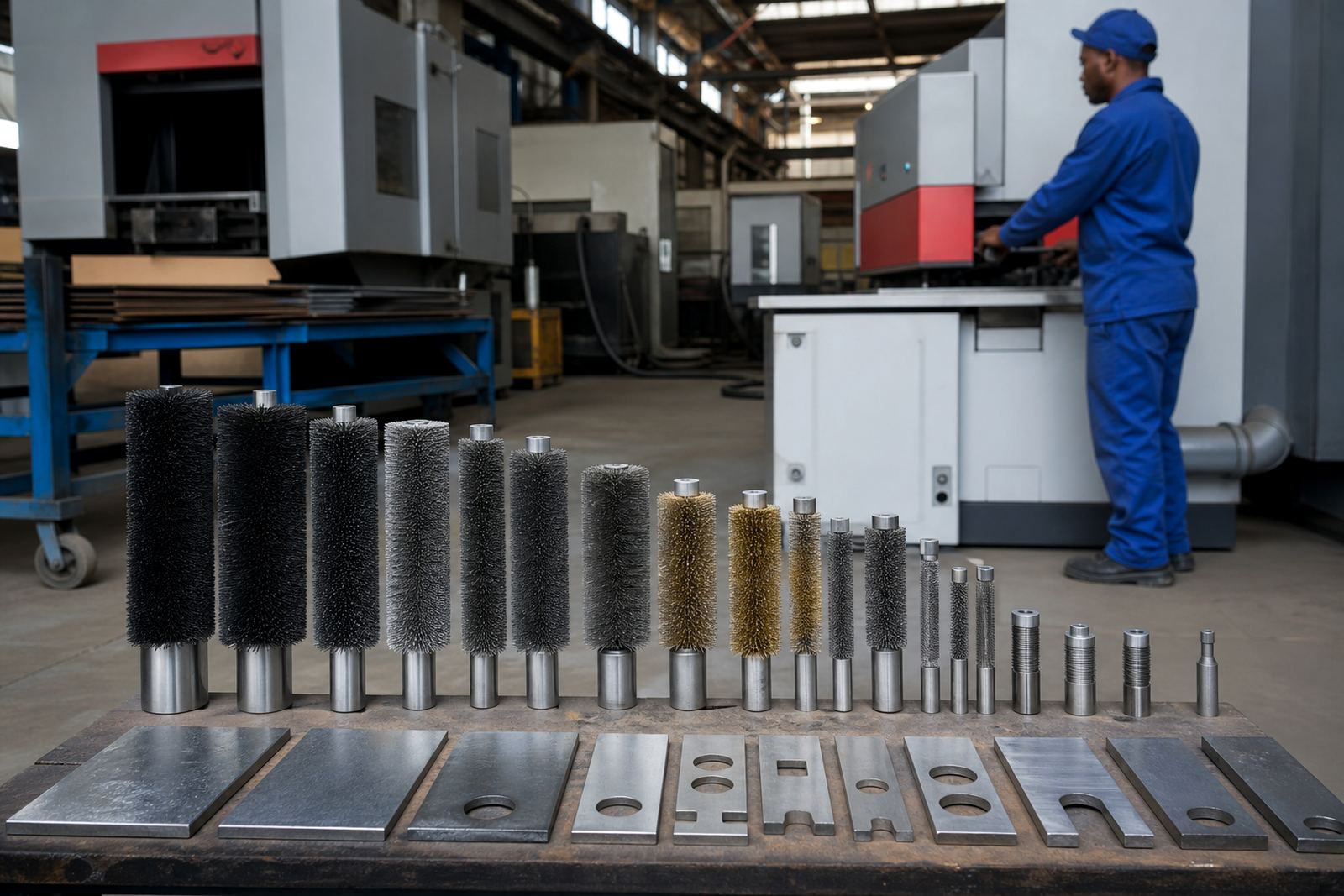
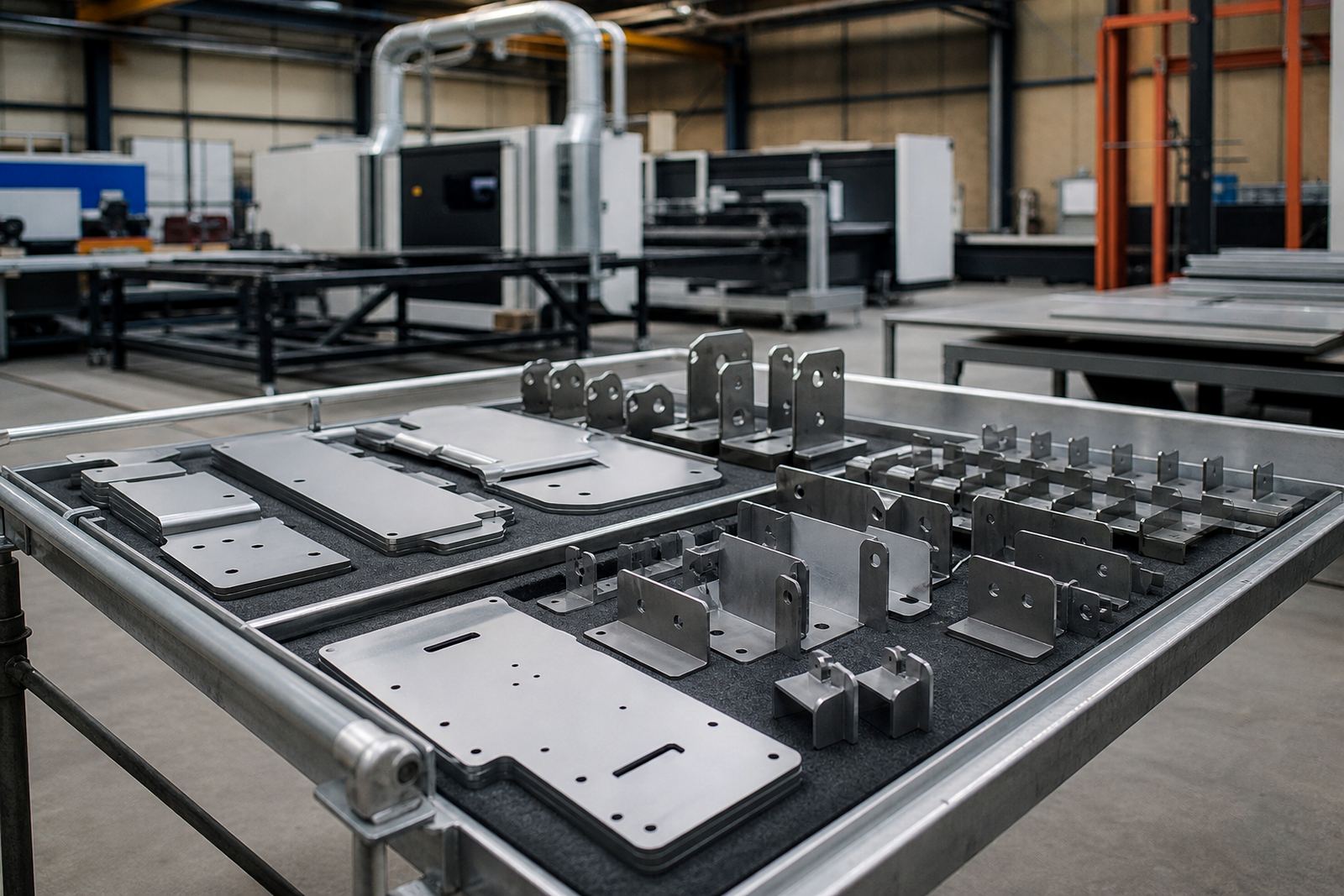
A proper sample should reflect what your workshop actually produces, not only the easiest part on the floor. If you send a clean rectangle with no holes, you will not learn much about how the machine handles cut-outs, tabs, corners or nested parts.
- Include the most common material grades you process, such as mild steel, stainless steel or aluminium.
- Send the thicknesses you run most often, especially if your work changes between 1 mm and 6 mm or more.
- Choose parts with inside holes, external profiles and tight corners.
- Include one or two parts with heavier dross or visible burrs, since these are often the real trouble spots.
- Note whether the parts are freshly cut, cleaned, or have sat in storage for a few days.
If your team cuts for gatework, enclosures, kitchen equipment or structural brackets, say so. The more context you give, the better the sample test can reflect your line of work.
What the sample test should measure on the shop floor
Sample part testing is not only about whether the edge looks neat. It should answer practical production questions that affect labour, quality and machine uptime. A good test can show whether the machine leaves an even finish across the full sheet, how it treats delicate edges, and whether the process is too aggressive for lighter components.
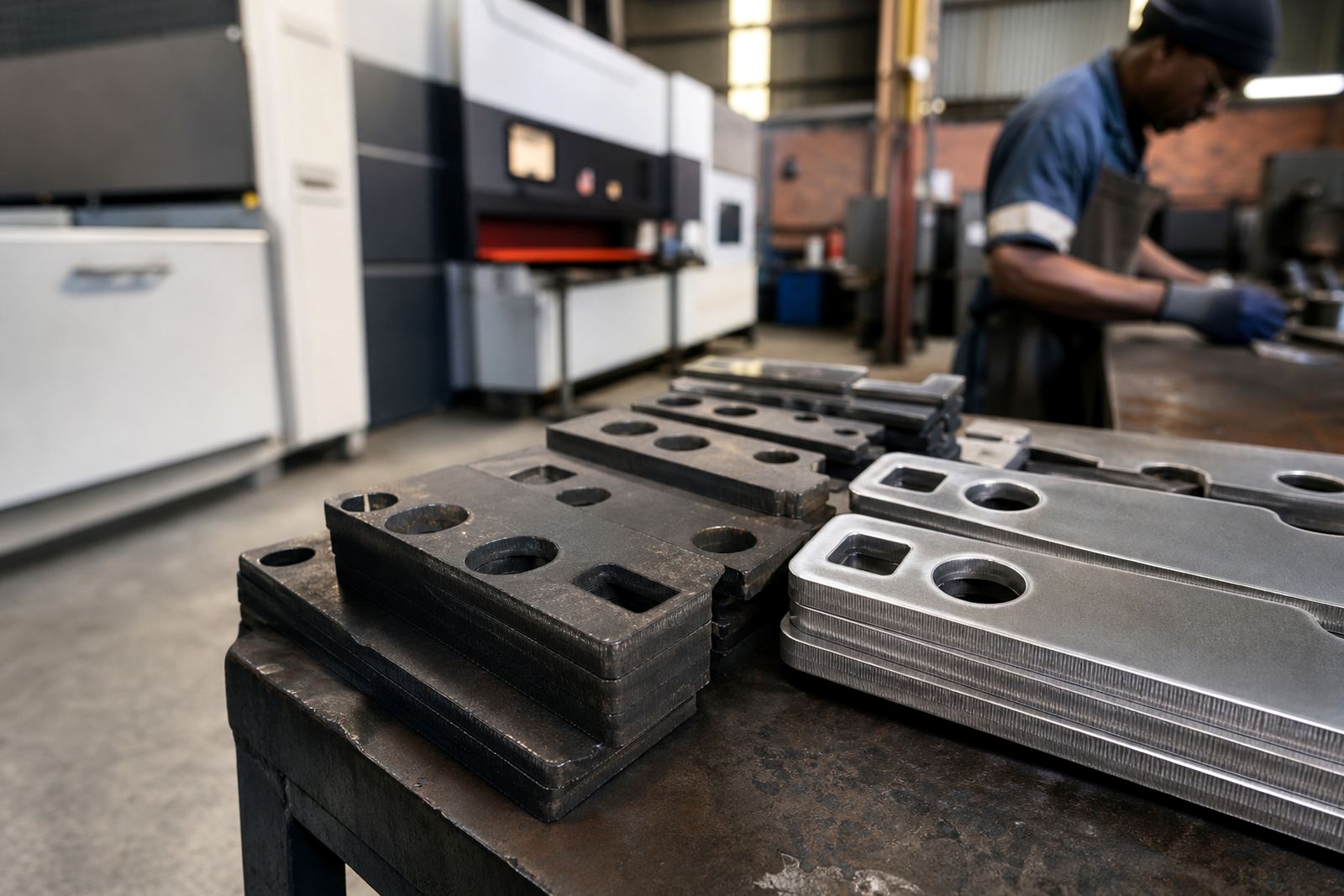
In our Wadeville, Germiston base we regularly look at how parts behave before and after a pass through the machine. That includes edge break, burr removal, surface marking, consistency from first part to last, and the amount of manual rework still needed. On some jobs the biggest saving is not time on the machine, but the removal of hand filing and secondary deburring at the bench.
- Edge quality after one pass and after a second pass if needed.
- Surface marking, scuffing or distortion on thin sheet.
- Consistency between small parts and larger panels.
- Change in handling safety for fitters and assemblers.
- Actual cycle time against your target output.
Why Johannesburg and Durban jobs do not behave the same way
Two workshops can use the same laser cutter and still produce very different sample parts. A fabrication shop in Johannesburg may run a high mix of short jobs and quick turnarounds, while a Durban operation may deal more often with coastal humidity, surface oxidation and storage-related finish issues. The machine selection should take those conditions into account.
For example, a Pretoria fabricator making electrical enclosures may care most about fine internal burr control and a consistent finish on mild steel. A Cape Town workshop supplying architectural work may place more weight on appearance, edge feel and protection against handling marks. In Rustenburg, where mining-related metalwork often includes thicker plate and repeat batches, throughput and durability may matter more than cosmetic finish alone.
That is why sample parts are so useful. They let us compare the same machine against your own production reality, not against a generic example that may never pass through your workshop.
Using sample results to avoid costly overspecification
One of the common mistakes in machine buying is choosing a unit that is larger or more complex than the job requires. That can mean higher purchase cost, higher maintenance and more operator training than necessary. It can also mean more power use, which matters when a site is already working around load-shedding and generator planning.
Sample testing helps separate what is necessary from what is just impressive on paper. If your parts only need light edge finishing after laser cutting, you may not need a heavy process that removes more material than required. If the sample shows that your parts still need manual attention after one pass, then the issue may not be machine size but the wrong processing method for that material mix.
- Match the machine to your actual burr type, not a theoretical one.
- Check whether the finish level meets customer expectations without extra hand work.
- Confirm that the machine can support your daily batch size.
- Make sure maintenance needs fit your production team and shift pattern.
A practical sample-testing workflow for South African fabricators
A good testing process should be simple, documented and repeatable. Send the parts, describe the material, explain the current problem, and agree on what success looks like before testing begins. That might be a cleaner edge, less manual grinding, better consistency on small parts or shorter cycle times.
Our team includes Pieter Johannes van der Merwe, Thandiwe Mokoena, Sibusiso Dlamini, Ayesha Patel, Johan Kruger and Lerato Nkosi, so sample testing can be followed through from the first enquiry to practical recommendations. If a machine needs installation, operator training, preventive maintenance planning or relocation support, that can be factored in early rather than after the order is placed.
For a workshop in Wadeville sending samples to support a line that serves Johannesburg, Pretoria and further afield, this approach cuts down on guesswork. It helps the buyer, the operator and the production manager reach the same conclusion based on real parts, not sales talk.
When a sample test points you toward the next step
Sometimes the sample confirms that the process is already close to what you need, and only minor adjustments are required. Sometimes it shows that the current burr type, sheet condition or production mix calls for a different machine or a different set-up. Either way, that is useful information.
The aim is not to make the decision more complicated. It is to make it more accurate. When the sample part is right, the choice becomes easier because everyone can see the result in front of them. That is usually better than arguing over general claims or broad comparisons that do not reflect actual work.
For fabricators across South Africa, especially those handling laser-cut sheet metal every day, sample testing remains one of the most reliable ways to select equipment that will earn its place on the floor. It saves time, reduces rework and gives a clearer picture of what the machine will do when the job is real and the deadline is close.