
What problem does a deburring machine solve on laser-cut parts?
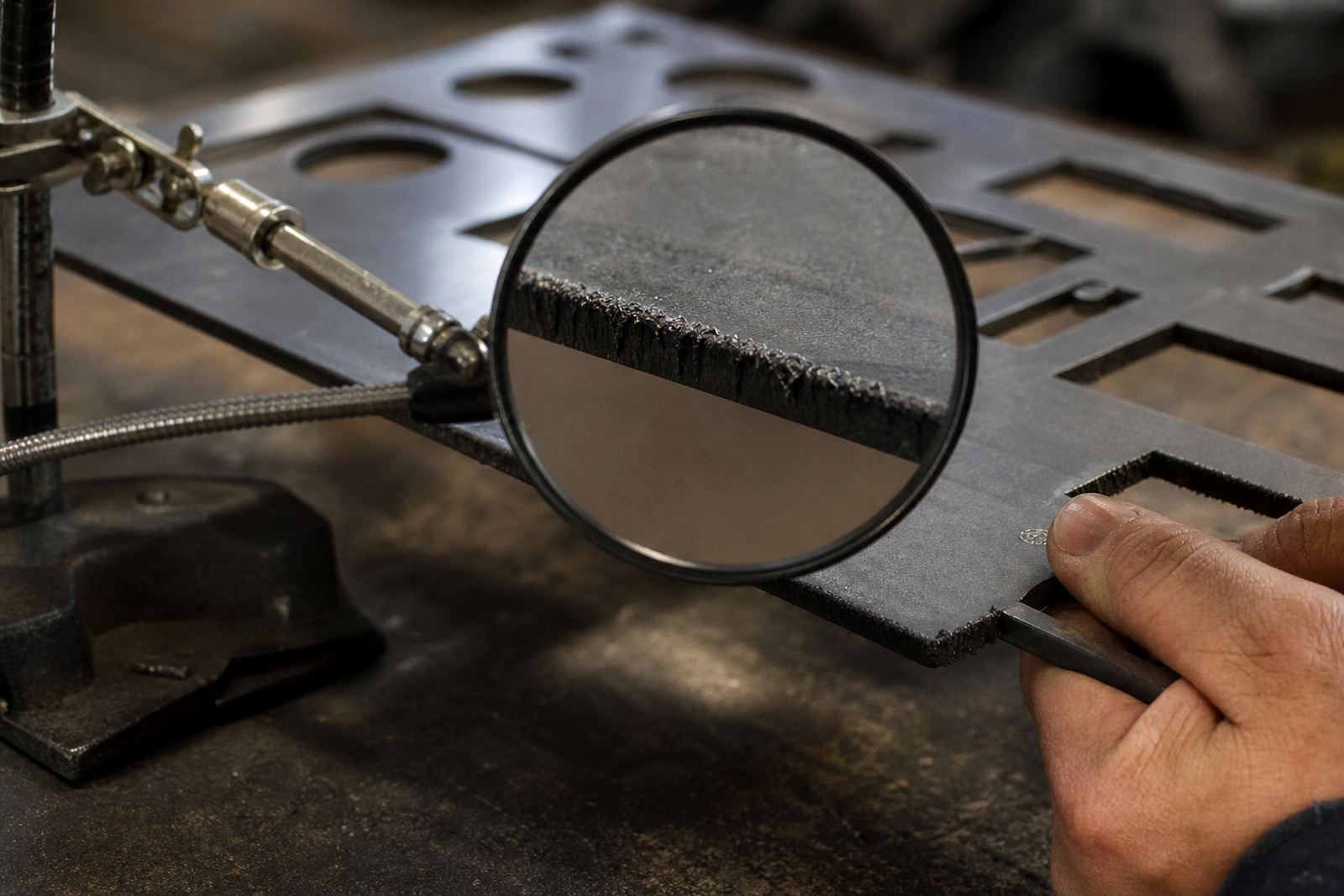
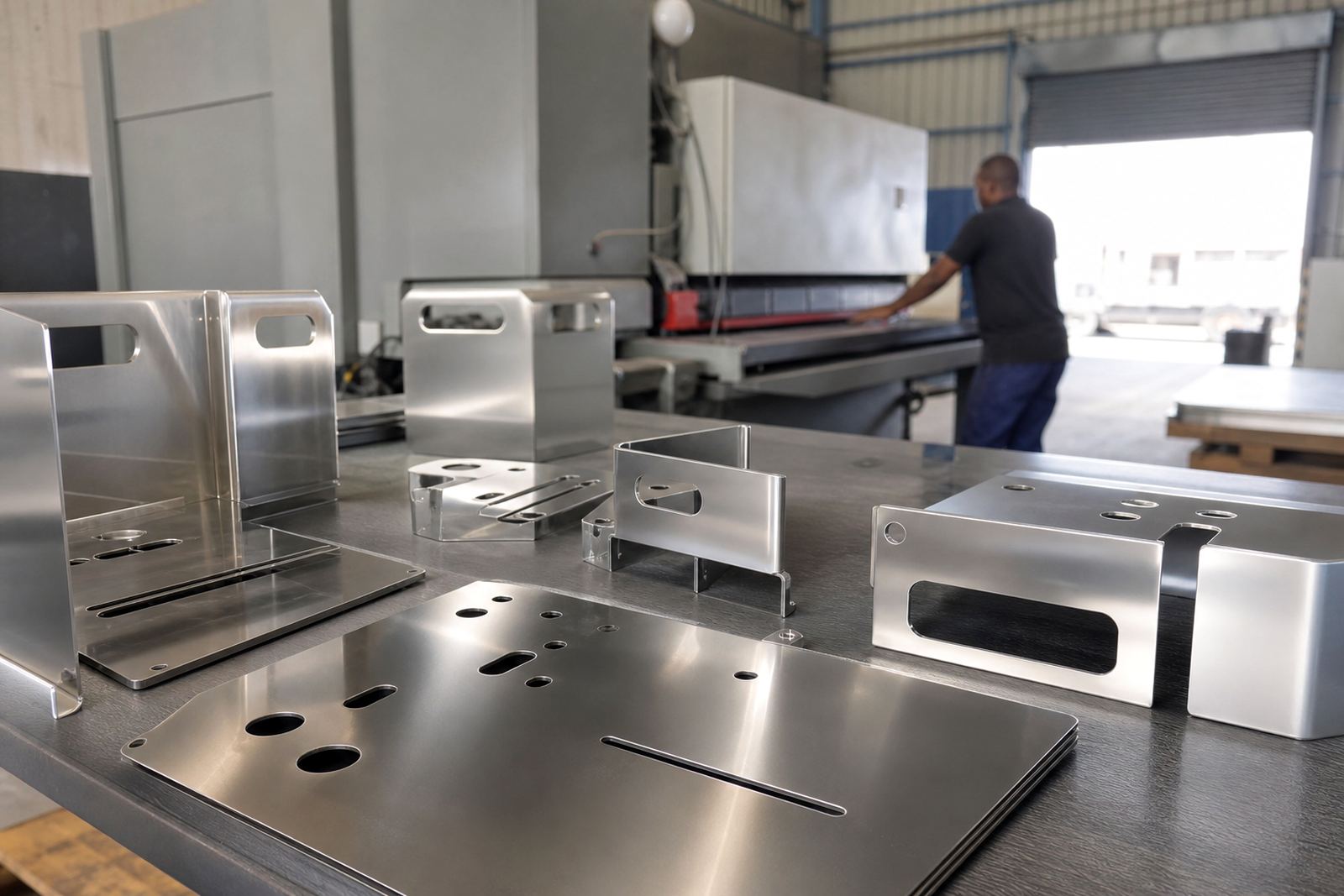
Laser cutting leaves sharp edges, slag and small burrs that can slow assembly, damage hands and cause problems with coating or fitting. A proper deburring and edge-finishing machine gives a consistent edge instead of relying on hand tools, which is hard to repeat across a full shift.
For most fabricators, the gain is not only better finish quality. It is also less rework, fewer complaints from the assembly floor and a steadier output when orders pile up. On busy weeks in Wadeville or Jet Park, that consistency can make the difference between clearing a job and carrying it into the next day.
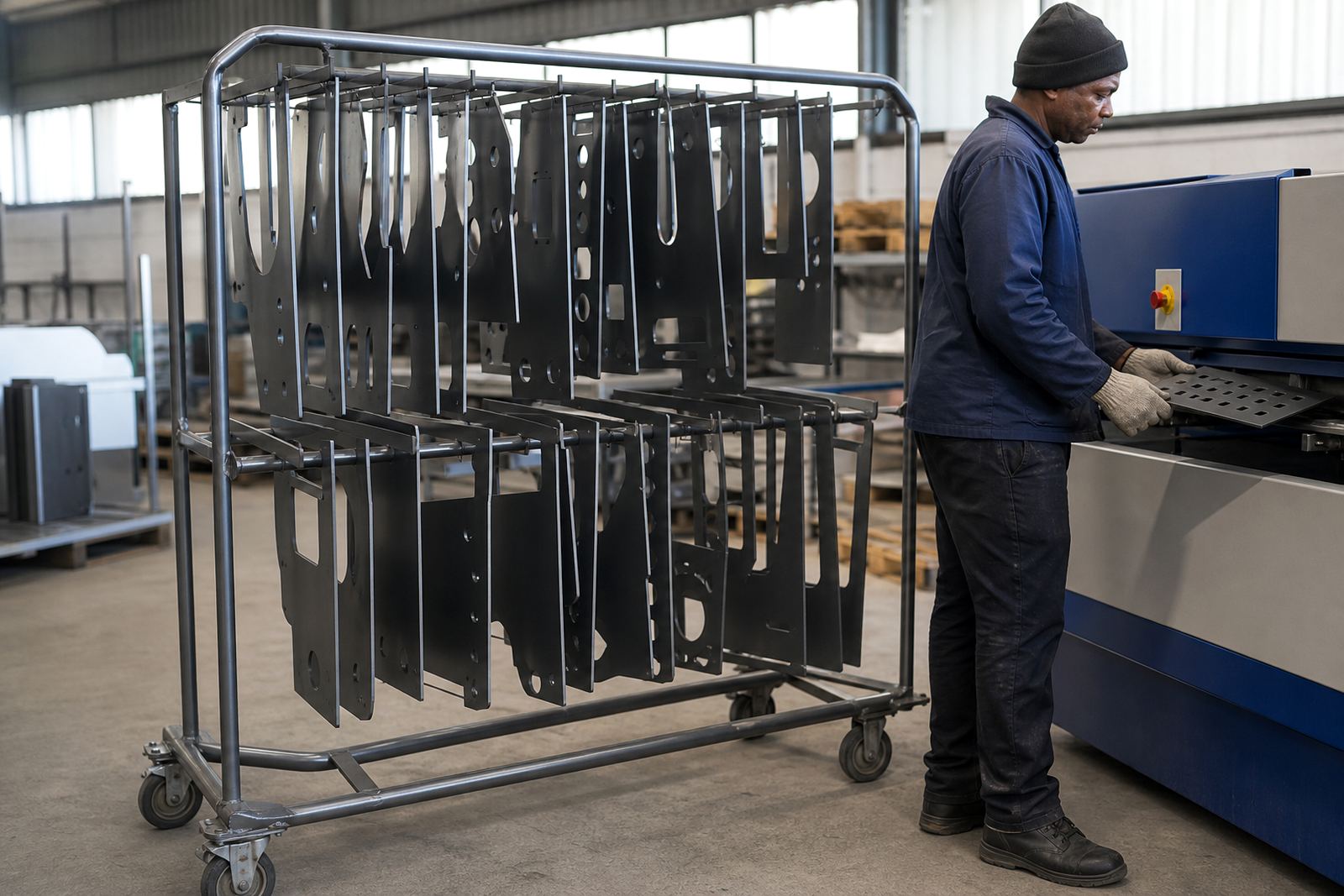
It also helps where parts go straight to powder coating, galvanising or welding. Clean edges mean less snagging and a better fit, so the machine becomes part of the production flow not just a finishing extra.
Should you choose a dry or wet finishing process?
That depends on the mix of material and the condition of your shop. Dry systems are usually simpler to run and easier to place in a standard fabrication bay, while wet systems can be useful where heat, dust control or specific finish demands call for another approach.
South African workshops also need to think about power stability and maintenance access. In an area like Germiston or Pretoria East, you may want equipment that starts up cleanly after load-shedding and does not need long warm-up times. If your team works across stainless, mild steel and aluminium, test parts are worth doing before you choose.
- Ask how the machine handles burr height from your laser settings
- Check whether both sides of the part need attention in one pass
- Confirm the finish suits downstream coating or welding
- Find out how much space the machine needs for loading and offloading
How fast should a machine be for a real workshop?
Speed matters, but only if the machine keeps the finish acceptable at production rate. A unit that is too slow will create a bottleneck. One that is too aggressive can round edges more than you want or leave marks on thin sheet.
The right choice depends on your batch sizes and the type of parts you run most often. A fabricator doing small runs of brackets may need quick changeover and simple setup. A shop cutting panel sets for enclosures or frames may value continuous throughput and less operator intervention.
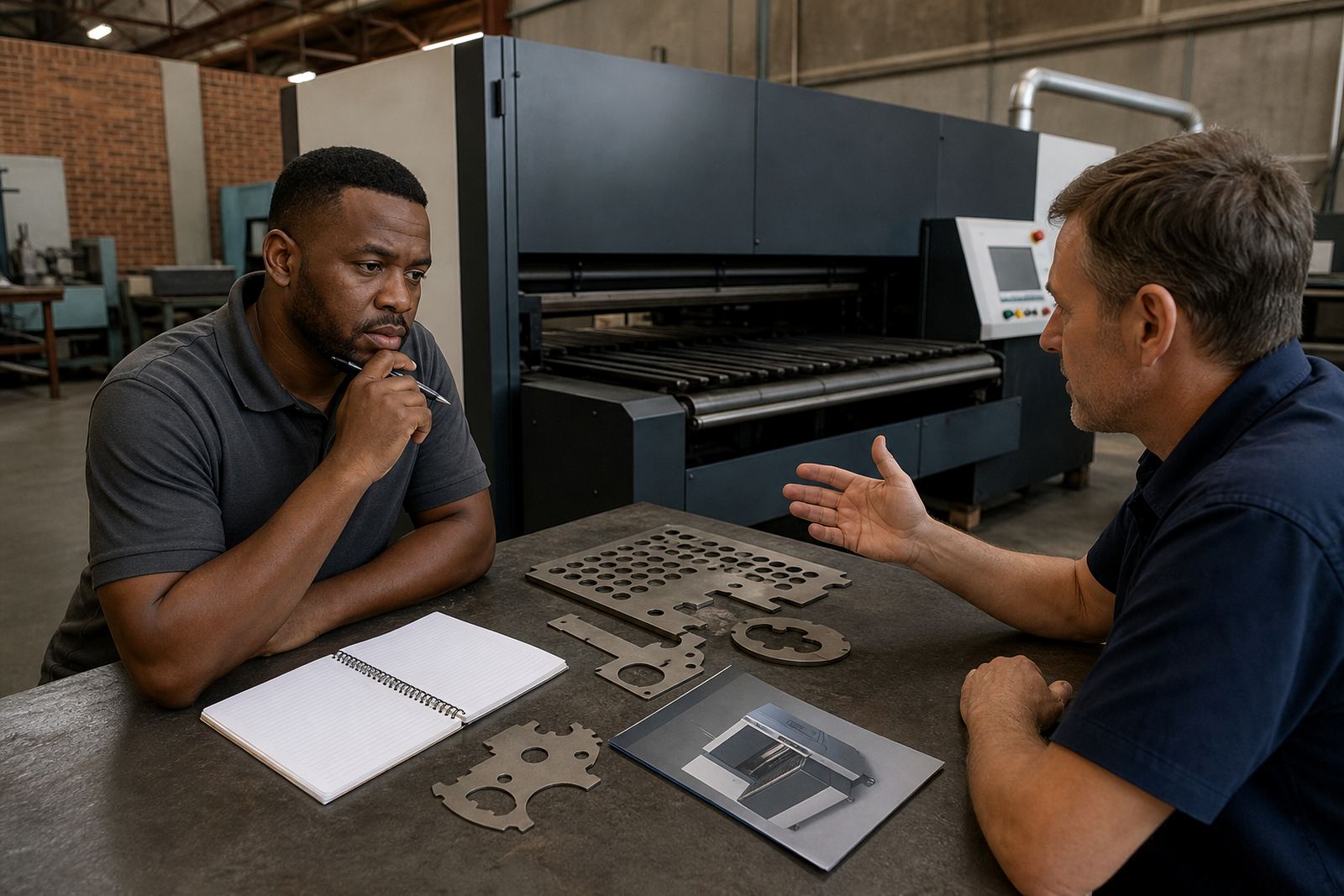
In practice, ask for sample part testing using your own cut pieces. That shows you how the machine behaves on 1.0 mm, 3.0 mm or 6.0 mm sheet, and whether the finish stays even on short parts, slotted parts and tight internal cutouts. A sales brochure will not tell you that.
What should buyers ask about maintenance and wear parts?
Maintenance is where many machines become expensive over time. Abrasive media, conveyor belts, brushes, contact components and extraction needs should all be part of the buying decision. If these items are hard to source, the machine may stand idle longer than you expect.
For South African workshops, support matters just as much as machine price. Breakdowns during a deadline are not theoretical, they happen on a Friday afternoon when you still need a load out for Monday. Check what preventive maintenance is included, how often service checks are recommended and whether the machine can be inspected without long stoppages.
- Confirm spares availability and lead times
- Ask what wear items need routine replacement
- Check whether technicians can help with fault finding on site
- Find out if annual service contracts are available for planned maintenance
How important is operator training?
Very important. Even a well-built machine can give poor results if the operator does not understand feed direction, pressure settings and part handling. A short training session at installation often saves many hours of trial and error later.
Training should cover safe loading, the best sequence for different part types, and how to recognise when the finish is drifting out of spec. It should also include basic care, because dust build-up, worn abrasive sections and poor housekeeping all affect output. That matters in coastal areas too, where humidity can change how materials and consumables behave.
At Deburring, operator training is usually tied to the actual parts the workshop runs. That is more useful than general notes, especially when staff change or new shifts are added. You want the team to run the machine properly from day one, not after a month of guesswork.
When does a fabricator need process help instead of just a machine?
Sometimes the issue is not only the machine, but the production flow around it. If parts are arriving in the wrong sequence, if the nesting leaves sharp corner patterns, or if finishing is happening too late in the job, a machine alone will not fix the delay.
That is where machine audits, sample part testing and production planning help become practical. A workshop in Rustenburg may need a different setup to one supplying architectural work into Cape Town, because part sizes, turnaround times and site expectations are not the same. The aim is to get the deburring step into the job flow without creating extra handling.
If a machine is being relocated, or the workshop is expanding, planning also matters. Floor space, cable routing and access for service all need to be checked before the move. Getting that right avoids stoppages later, and saves a few headaches, which is always welcome.
What is a sensible buying approach for South African fabricators?
The best approach is to compare machines on real output, not just purchase price. Look at finish quality, part sizes, support, energy use, maintenance and the time your staff spend handling each job. A machine that looks cheaper can cost more if it slows the line or needs constant adjustment.
For fabricators in Johannesburg, Pretoria, Durban, Cape Town and Rustenburg, it is worth using local sample tests and speaking to a team that understands laser-cut sheet metal work. The right recommendation should match your volumes, your material mix and your workshop space. Not every shop needs the same setup.
After that, installation, training and a clear maintenance plan keep the machine productive. That is the practical route for a business that needs clean edges, repeatable quality and less waste across the month.