When Wet Deburring Earns Its Place on the Floor
Dry finishing is often the first choice for laser-cut sheet metal because it is simpler to run and easier to place into a busy line. But there are jobs where wet processing starts to make better business sense. If your parts carry fine burrs, heat tint, light oxide or sharp micro edges, wet deburring can give a cleaner finish with less airborne dust. That matters in workshops where staff work near multiple machines, or where you are trying to keep a tighter grip on housekeeping and air quality.
For fabricators in Wadeville, Germiston and the wider East Rand, the decision is not just about finish quality. It is also about workflow. A wet system can help where parts are small, repetitive and need a more consistent hand-off to powder coating, welding or assembly. If the end customer is fussy about touch points, visible edge quality or fit-up, wet processing can reduce rework and save time later in the job.
What Wet Processing Changes For Dust, Heat and Edge Quality
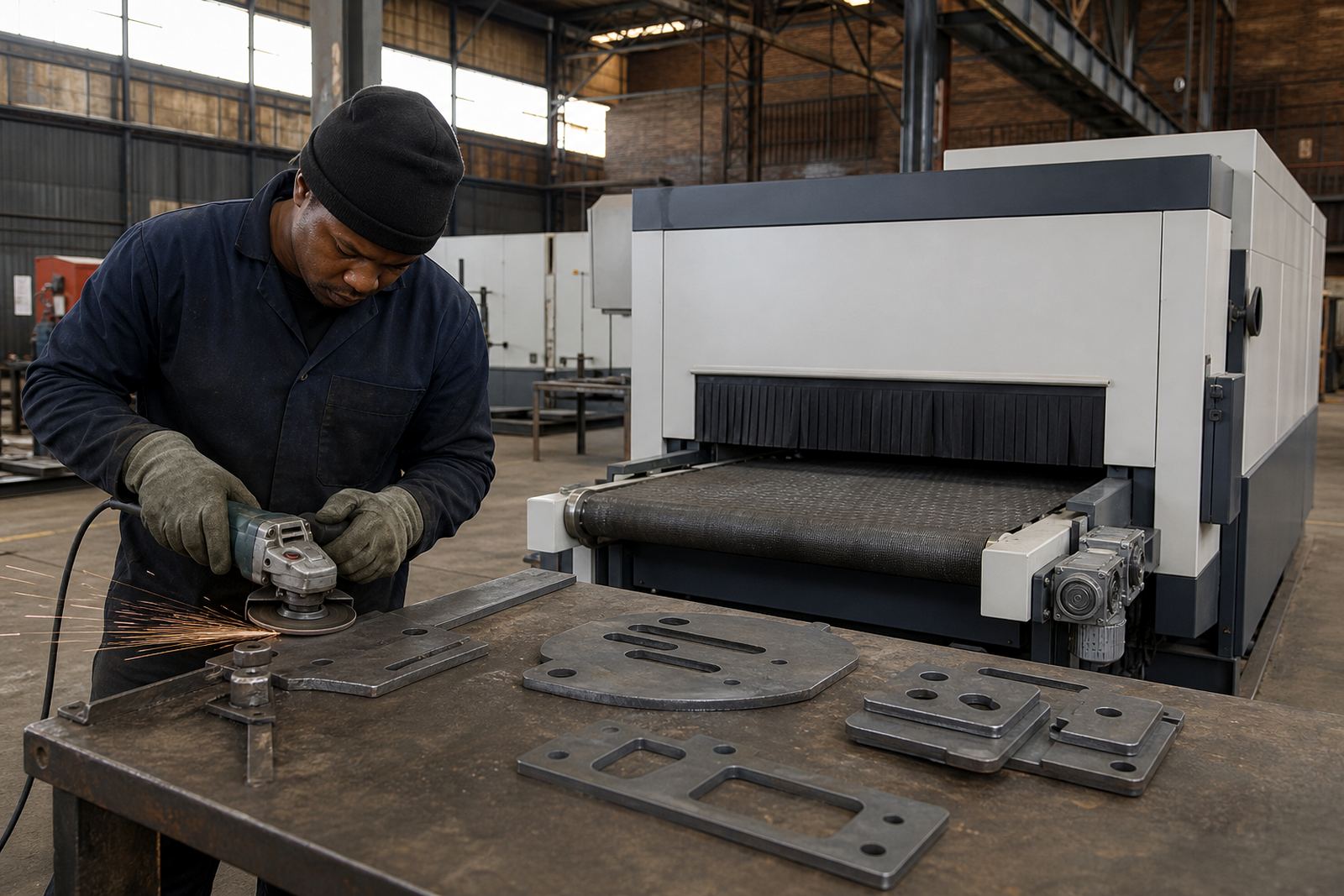
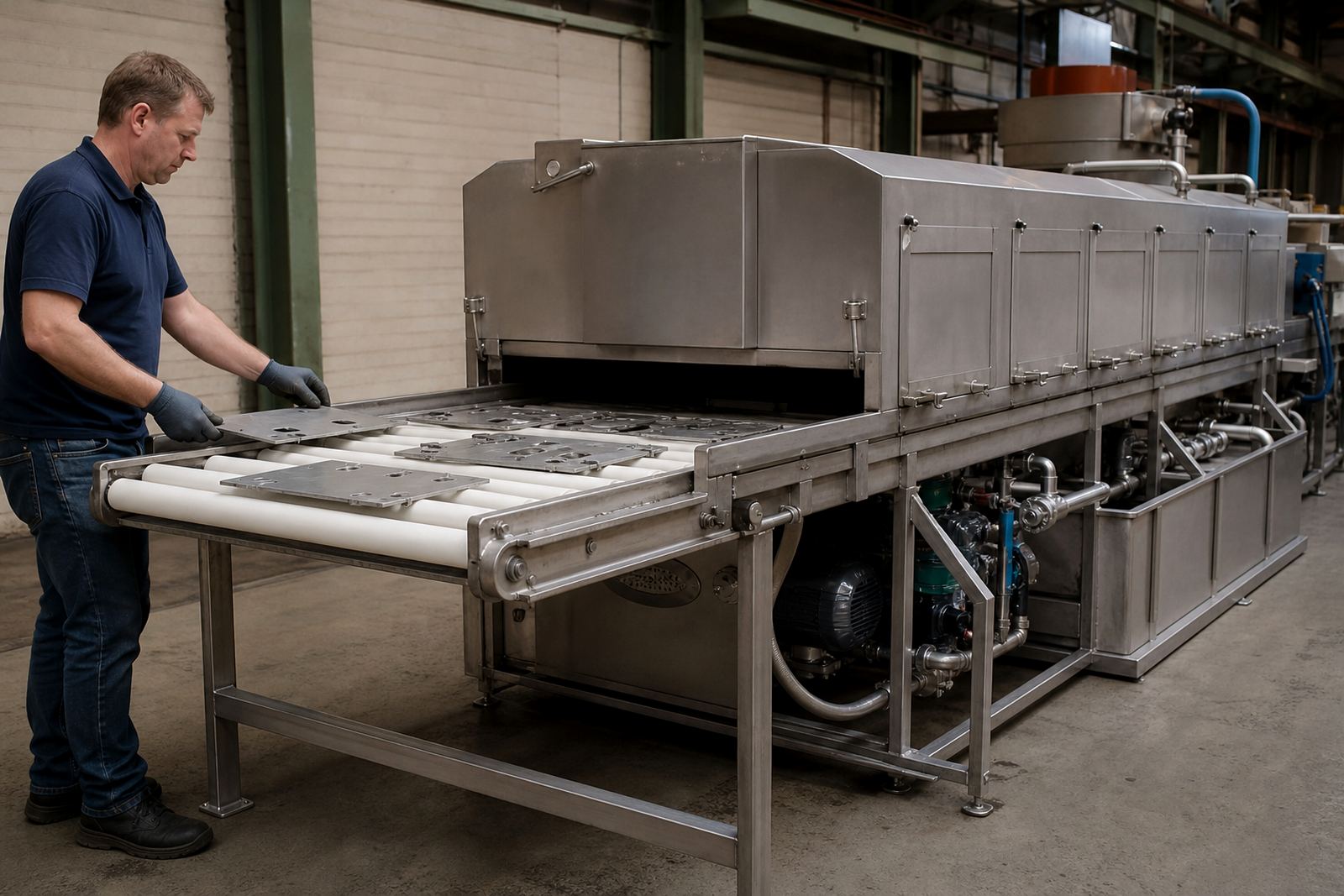
Laser-cut edges can be left with a slight burr depending on thickness, assist gas, cutting speed and material condition. Wet deburring uses liquid to reduce dust and carry away removed material while the part is being finished. The result is often a more controlled edge on mild steel and stainless steel, with less powdery residue settling on nearby machines. In sites that struggle with load-shedding and stop-start production, a cleaner process can also mean less time lost to post-run cleaning when power returns.
There is another benefit that gets missed: the operator can see what is happening at the edge more clearly on many part types, especially when the finish is meant to be consistent over hundreds of pieces. That does not mean wet processing fixes every problem. If the cut quality is poor or the part design creates heavy dross, the machine still has to work harder. But for light finishing and dust-sensitive environments, wet processing can be the practical answer.
- Less airborne dust around the machine and in the work area
- Cleaner edge feel for parts that will be handled often
- Better control on light burr removal and surface residue
- Useful where downstream coating or assembly needs a tidier edge
Jobs That Suit Wet Processing Better Than Dry
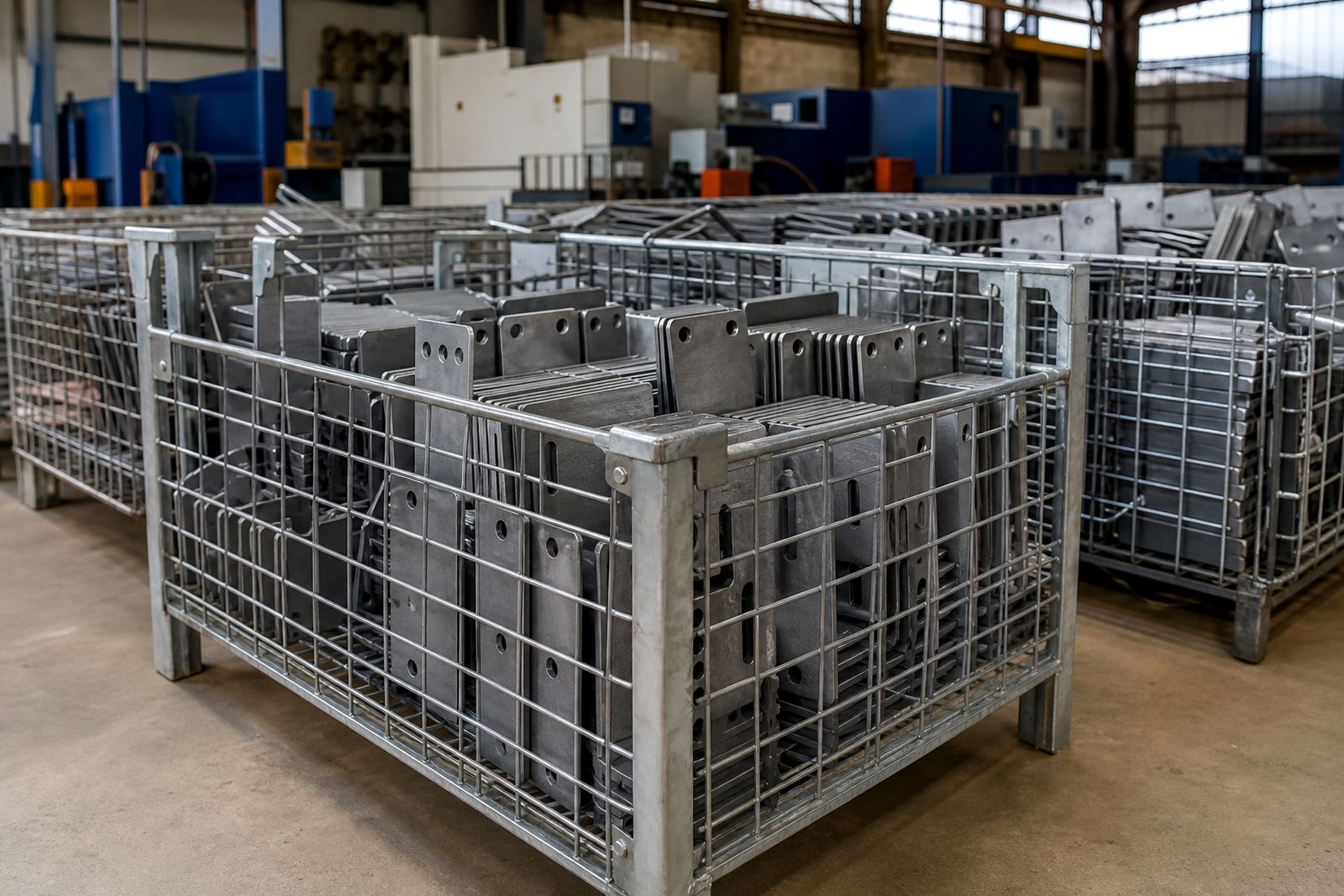
Not every sheet metal job needs wet deburring. The best results usually come when the parts are thin to medium gauge, the burr is light, and the production volume justifies a controlled setup. Shops doing cabinet panels, enclosures, signage components, brackets and precision plates often see the value quickly. If the parts are going to be powder coated, wet finishing can also help reduce the chance of trapped dust affecting coating quality.
Wet processing is also worth looking at where the workshop runs in a coastal area such as Durban or Cape Town, because dust control and clean finishing can be part of a broader corrosion management plan. That said, the machine and the drying procedure need to be managed properly. If parts leave the process with excess moisture, you can create other problems. The point is not just to make the edge cleaner, but to make the whole next step easier.
- Laser-cut mild steel and stainless steel parts with light burrs
- Components that go straight to coating, welding or assembly
- Parts where operator handling and edge safety matter
- Shops trying to cut dust build-up in enclosed spaces
What South African Workshops Need to Plan For
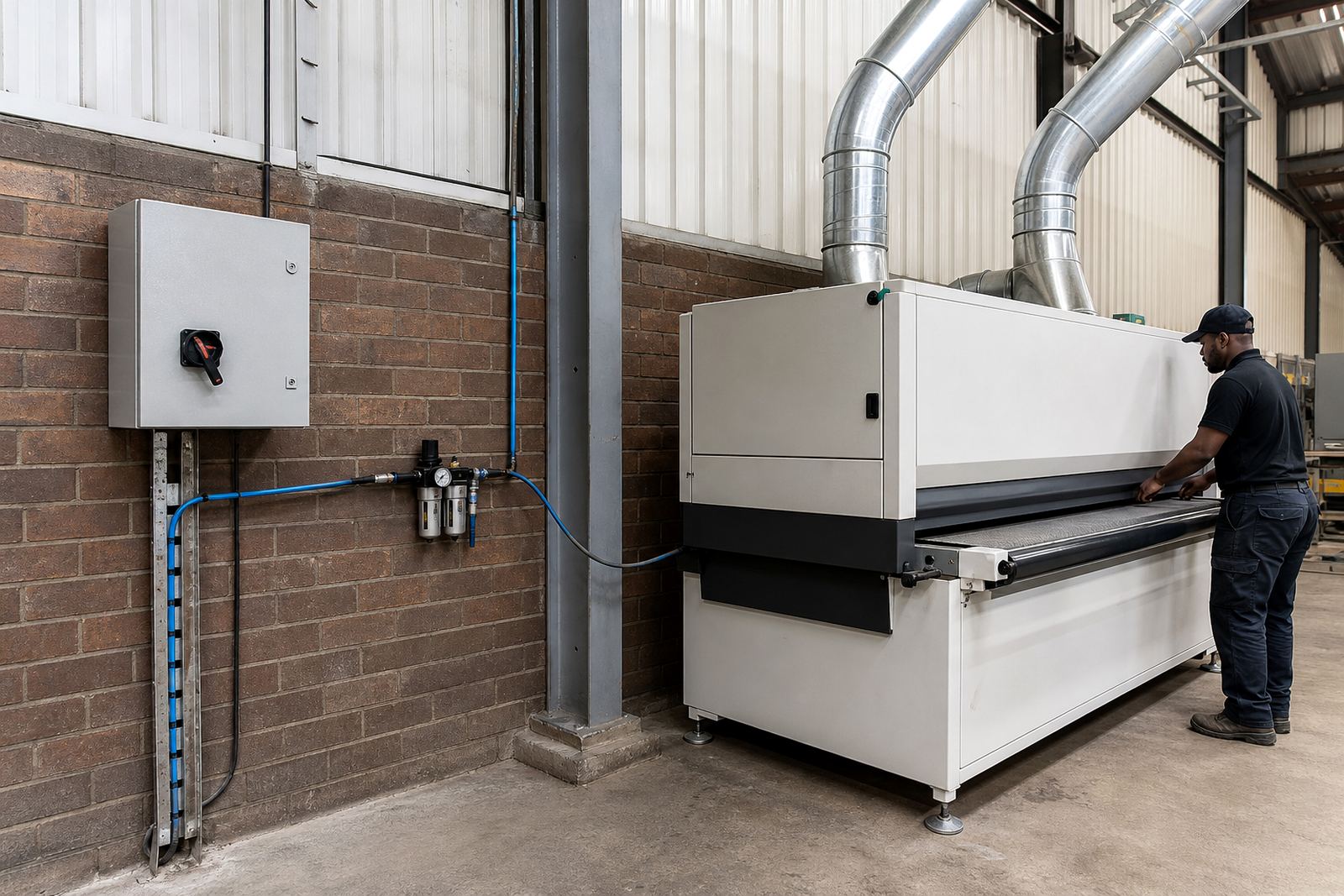
Before choosing wet processing, the site setup has to be checked properly. Water use, drainage, sludge handling and floor condition all matter. In some industrial areas, drainage rules and local wastewater handling requirements need attention, especially where washdown water or spent slurry may not be allowed into a normal stormwater line. If you are in Johannesburg, Pretoria or Rustenburg, it is worth checking the site layout and municipal expectations before placing the machine.
Power stability matters as well. Wet systems can be affected by load-shedding if they depend on pumps, circulation or automated handling. A workshop should plan for restart routines, safe shutdowns and the way the line will be cleared if power drops mid-cycle. Humid sites near the coast may also need more attention to drying and part storage, because a wet process is only useful if the finished parts move on quickly and do not sit around waiting. It sounds basic, but that is where many plant headaches start.
Maintenance planning is another point. Filters, belts, pumps and nozzles need scheduled checks, and the team must know how to keep the machine clean without letting residue build up. If the shop is already stretched, then preventive maintenance and operator training are not extras, they are part of making the process pay off.
How to Judge the Cost Against the Real Gain
A wet deburring machine should be measured against more than the purchase price. Look at the savings from fewer rejected parts, less manual rework, cleaner handover to finishing, and better throughput on repetitive jobs. If your team spends time filing edges by hand after laser cutting, or if production slows because parts need extra cleaning before coating, the machine may pay back sooner than expected.
The right question is not only whether the machine can deburr the part, but whether it fits your workflow. A good supplier should be able to test sample parts, check the edge condition and talk through the production pattern. At our Wadeville base, that often starts with a simple sample run and a discussion about material thickness, cut quality and daily volumes. That practical check saves a lot of guesswork later.
In many cases, the best decision comes from watching one batch move through the full process, not from a brochure or a spec sheet. If the finish is better and the line moves faster, the numbers become easier to justify. If not, you know that a dry route may be the better fit for now.
A Local Example From The East Rand
A fabricator in Germiston supplying laser-cut panels to a Johannesburg assembly line had recurring complaints about sharp edges and fine dust on boxed parts. The team was spending too much time wiping down components before packing, and their coating line was picking up residue. After sample testing and process checks, wet processing was introduced for a specific family of parts only, not the whole product range.
The result was a cleaner handover, less manual finishing and fewer callbacks on edge quality. The workshop did not change everything overnight, it just matched the process to the parts that needed it most. That is usually the smartest route. Wet deburring is not a universal answer, but when the job calls for cleaner edges and better dust control, it can make real sense.
A Short Checklist Before You Decide
If you are weighing up wet processing, keep the decision grounded in the actual workshop conditions. That means part type, finish standard, space, utilities and who will run the machine each day. It also means thinking about spares, service access and whether your line can absorb the extra cleaning and drying steps without slowing down.
- Do the parts need a finer finish than dry deburring is giving now?
- Is dust control a problem for staff, machines or coating quality?
- Can the site manage water, drainage and residue responsibly?
- Will the parts dry and move on without holding up production?
- Do you have enough training and maintenance support in place?
If you can answer those questions clearly, the choice usually becomes much easier. For South African fabricators dealing with tight schedules, power interruptions and varied material quality, the best machine is the one that fits the floor, not just the catalogue.