Why Utility Planning Comes First
A deburring line can only perform as well as the services feeding it. If the power is unstable, the extractor is undersized or the air supply is inconsistent, the machine will still run but the results slip, and that usually shows up in rework, slower throughput and more operator intervention. In South Africa, where load-shedding and local voltage dips are still part of the picture, utility planning is not a nice-to-have. It is part of getting paid work out the door on time.
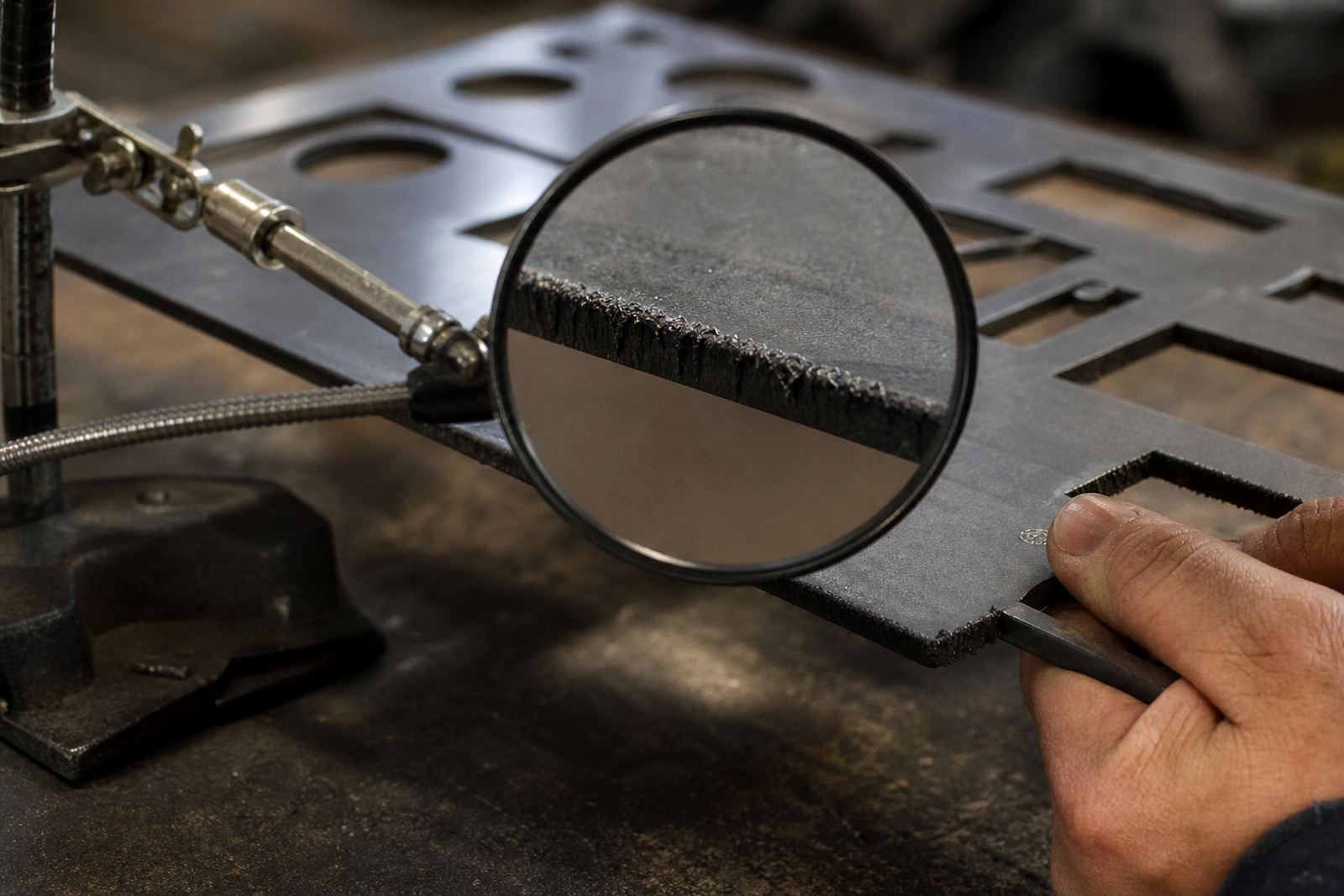
For laser-cut sheet metal, the goal is a clean edge and consistent surface finish after cutting. That means the machine must process parts at a steady rate without constant stopping. A workshop in Wadeville or Germiston may be dealing with older electrical infrastructure, while a fabricator in Cape Town or Durban may also need to think about coastal humidity and airborne dust. These are practical realities, and they should shape the installation plan before the machine arrives.
Power Supply Checks Before Installation
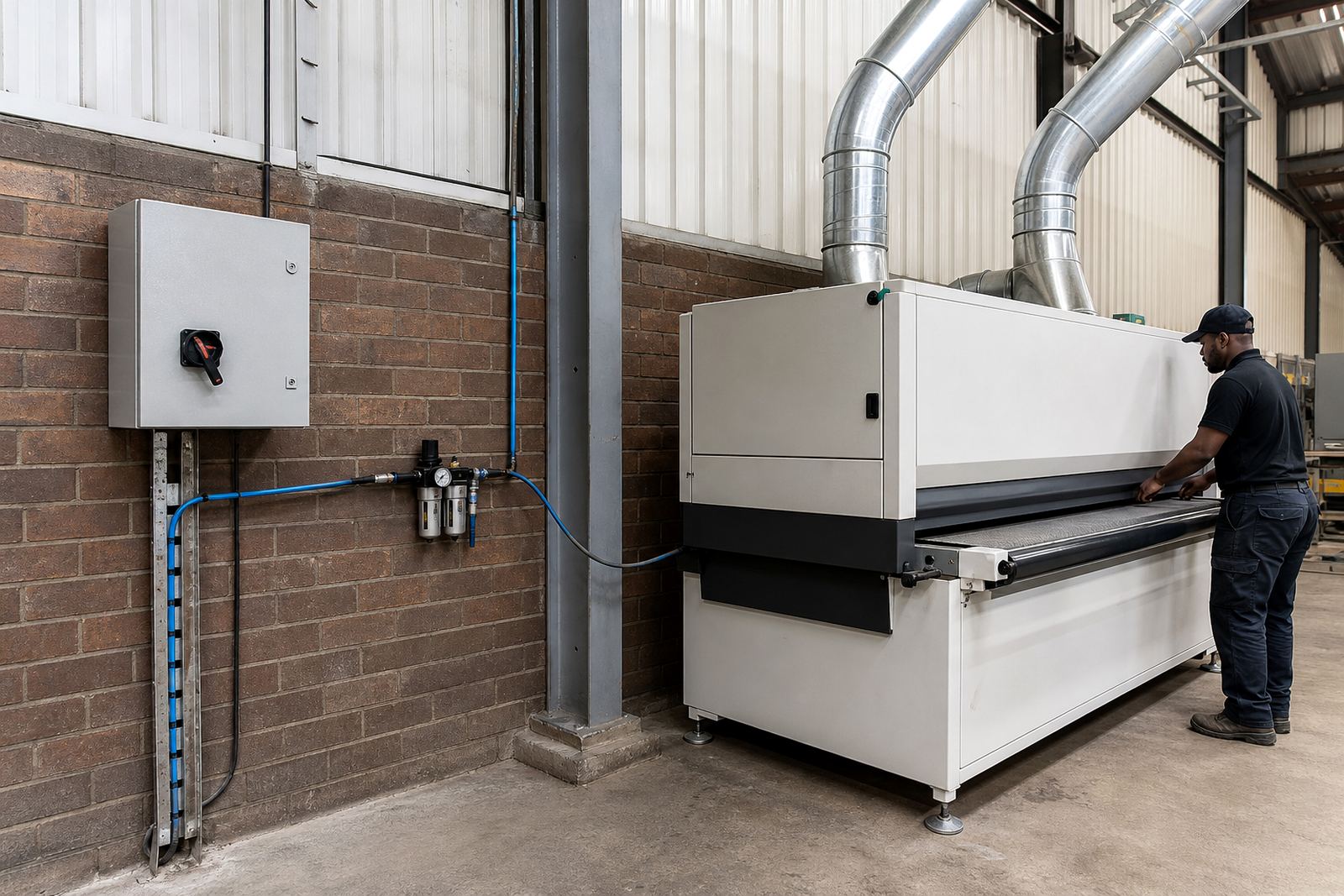
Most production problems start with basic electrical assumptions. Before installation, confirm the available supply, the breaker capacity and whether the site can handle the connected load without nuisance trips. A machine that is started up on a weak circuit may work during test runs, then trip under full production conditions when more than one tool or motor is working at once.
- Confirm the incoming supply voltage and phase arrangement at the workshop.
- Check that the distribution board has spare capacity for the new machine.
- Allow for start-up current, not just the nameplate running load.
- Plan for power continuity during outages, including safe shutdown procedures.
- Make sure cable runs are sized correctly for the distance from the board to the machine.
In many plants, the biggest issue is not the machine itself but other loads on the same system. Compressors, welders, lighting and extraction fans can all compete for supply. If the deburring machine shares a line with heavy equipment, the result can be unwanted stoppages and poor consistency. A proper site check avoids that from day one.
Extraction Matters More Than Most Shops Expect
Deburring creates fine dust, edge offcuts and abrasive residue depending on the process used. Without adequate extraction, this material settles on the machine, on surrounding stock and in the air around the operator. That affects component life, house keeping and health and safety. It can also interfere with downstream work if parts are moving to packing, assembly or coating.
Good extraction is not only about suction strength. It is also about capture point, duct routing and filter loading. A system that is too small for the machine will pull poorly as filters block up. A system that is too large but badly placed may waste energy and still leave residue on parts. The best outcome comes from matching the extraction rate to the actual process and the size of the parts being handled.
- Place the extraction point where dust and fines are released, not only where they settle.
- Check filter access so cleaning and replacement can be done without stopping production for long periods.
- Allow enough space around the machine for ducting and maintenance panels.
- Plan for regular inspection if the site works with stainless steel, aluminium or high-volume mild steel cutting.
Air, Moisture And Coastal Conditions
Many South African workshops run on compressed air for controls, cleaning or assisted functions. That air must be dry and stable. Wet air can cause problems in valves, fittings and moving parts, especially in coastal areas such as Durban or Cape Town where humidity is higher for much of the year. Moisture in the line can also affect surface quality if it reaches the working area.
It is worth checking the compressor duty cycle, receiver capacity and filtration before installation. If the compressor is already running hard on a hot day, adding another production machine can push it beyond a comfortable margin. On humid days, water separators and drainage points become just as important as pressure. A workshop that ignores moisture will often see more corrosion, more blocked filters and more maintenance callouts than it expects.
Layout Around The Machine And The Flow Of Work
Utility planning is linked to floor layout. A machine may have the correct power and extraction, but still slow production if stock has to be carried too far or if finished parts have nowhere clean to land. The operator needs room to load, inspect and stack parts without crossing walkways or blocking access to emergency stops and service panels.
For a site in Rustenburg or Pretoria, where workshops often run tight schedules and multiple jobs in one shift, the layout should support fast changeovers. Keep the machine close enough to the cutting area to reduce handling, but far enough from traffic routes to avoid forklift interference. If the extraction ducting, electrical supply and compressed air all enter from different sides of the room, map those routes before anything is bolted down. It saves time later.
- Leave clear access for the operator on both infeed and outfeed sides where possible.
- Keep service access open for belts, brushes, filters and electrical panels.
- Separate pedestrian paths from part movement and pallet handling.
- Allow space for sample testing and short inspection stops without crowding the line.
A Germiston Example From A Busy Fabrication Floor
On a typical East Rand fabrication floor, the pressure is not theoretical. Jobs arrive from multiple customers, laser-cut sheets need finishing quickly, and the workshop is often balancing production with maintenance on older equipment. In one Germiston setup, the team found that the machine itself was sound but the real bottleneck was extraction. Fine residue was settling on nearby components and the filter change interval was too short for the volume being processed.
After reviewing power, air and extraction together, the workshop changed the duct routing, adjusted the service schedule and improved the stack-out area beside the machine. The effect was practical rather than dramatic, which is usually the best kind. Fewer stoppages, cleaner parts and less time spent wiping down finished stock. That is the point of utility planning: it protects output without adding drama to the day.
What To Confirm Before Delivery Day
Before a machine arrives, the site should know exactly what is ready and what still needs attention. That includes electrical isolation, floor condition, extractor placement and service access. If any one of those is missing, installation time stretches and production dates start to move. A short checklist keeps everyone aligned and helps avoid avoidable call-backs.
For fabricators in Johannesburg, Pretoria, Durban, Cape Town and Rustenburg, the same rule applies: do the utility work properly before the machine lands. The better the prep, the easier the commissioning and the less time spent sorting out problems after the crew is already on site.
- Confirm the electrical supply and breaker sizing.
- Check extraction capacity and filter condition.
- Inspect compressed air quality and pressure stability.
- Clear the floor area for delivery, installation and future maintenance.
- Agree on the production sequence for sample parts and initial run-in.