Start of shift checks before the first sheet goes in
A proper start of shift check takes a few minutes, but it can save hours later. On deburring machines, most problems begin with something simple: loose fixings, low air pressure, worn abrasives, dust build-up or a damaged conveyor surface. If your team works through load-shedding, this check matters even more because power interruptions can leave a machine sitting with metal dust and partially finished parts, which then affects the next run.
Before production begins, walk around the machine and confirm that guards are in place, the work area is clean and there is no scrap trapped near the feed side or discharge side. Check the control panel for alarms, look at the condition of the abrasive heads and inspect any suction or extraction points. If a machine was moved over the weekend or after a workshop re-layout, check levelling again. Even a small twist in the frame can show up as uneven edge finishing.
- Inspect guards, emergency stops and access covers
- Check air supply, extraction and main power status
- Look for loose bolts, damaged belts or unusual wear
- Clear offcuts, swarf and dust from around the machine
What to look for while the machine is warming up
Once the machine is running, do not wait for a finished batch before checking the first parts. The first five to ten sheets tell you a lot about alignment, pressure, abrasive condition and feed consistency. A clean machine should produce the same finish on the first part as it does on the fiftieth, so any change early in the shift needs attention. If the edge looks uneven, the pressure may be too high or too low, or the abrasive may already be tired.
Listen for changes in sound. A machine that starts to hum differently, chatter or vibrate more than usual is usually telling you something. That could be a worn bearing, a buildup on the rollers, or a feed issue caused by sheet variation from the laser section. In Gauteng workshops, dust and metal fines can get into moving parts quickly, especially where doors stay open for ventilation. Wipe down exposed surfaces and keep the area around the machine as dry as possible.
- Check the finish on the first parts from each new batch
- Listen for vibration, chatter or dragging noises
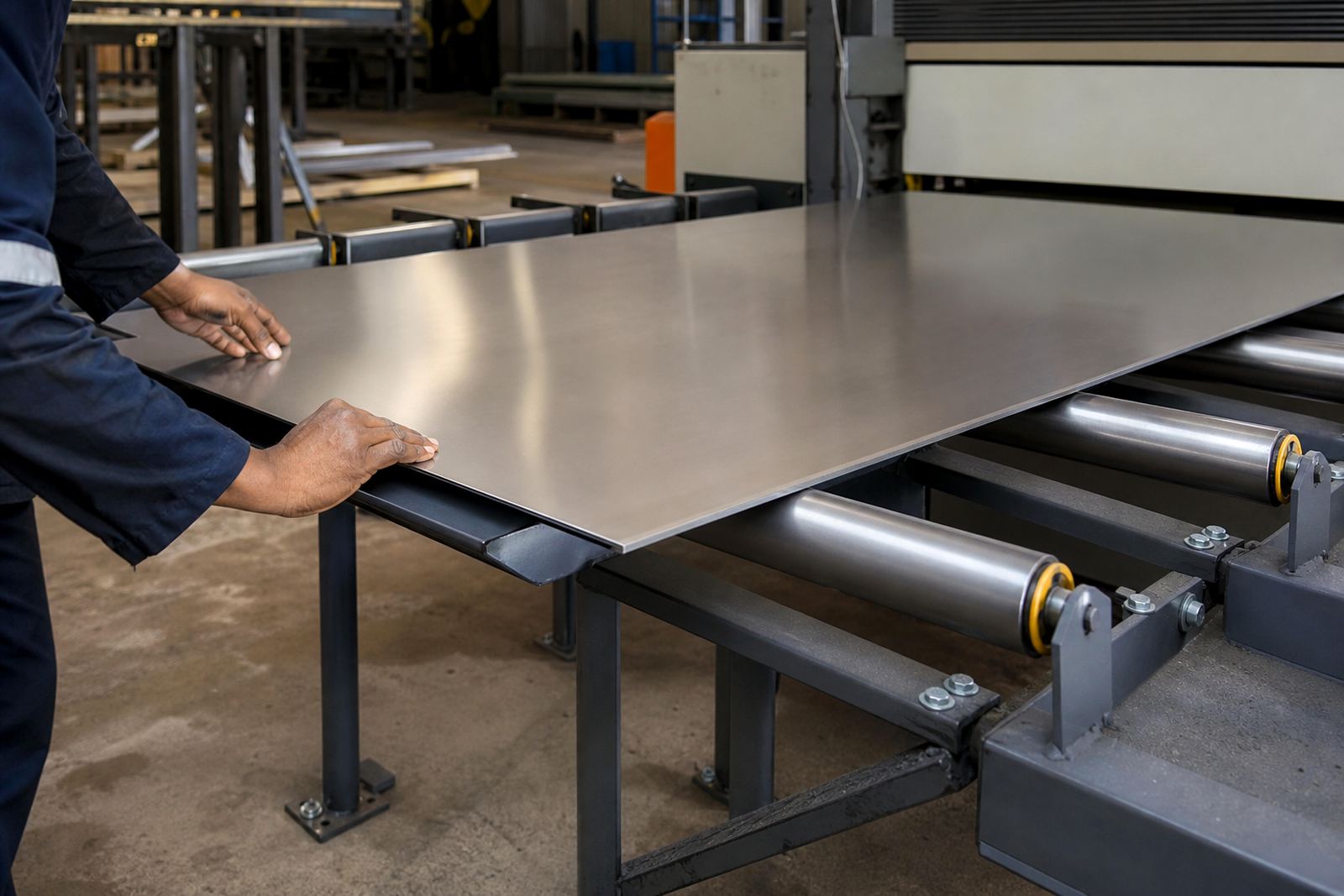
- Confirm the feed is straight and steady
- Watch for heat build-up on rollers or contact points
Abrasives and contact parts need daily attention
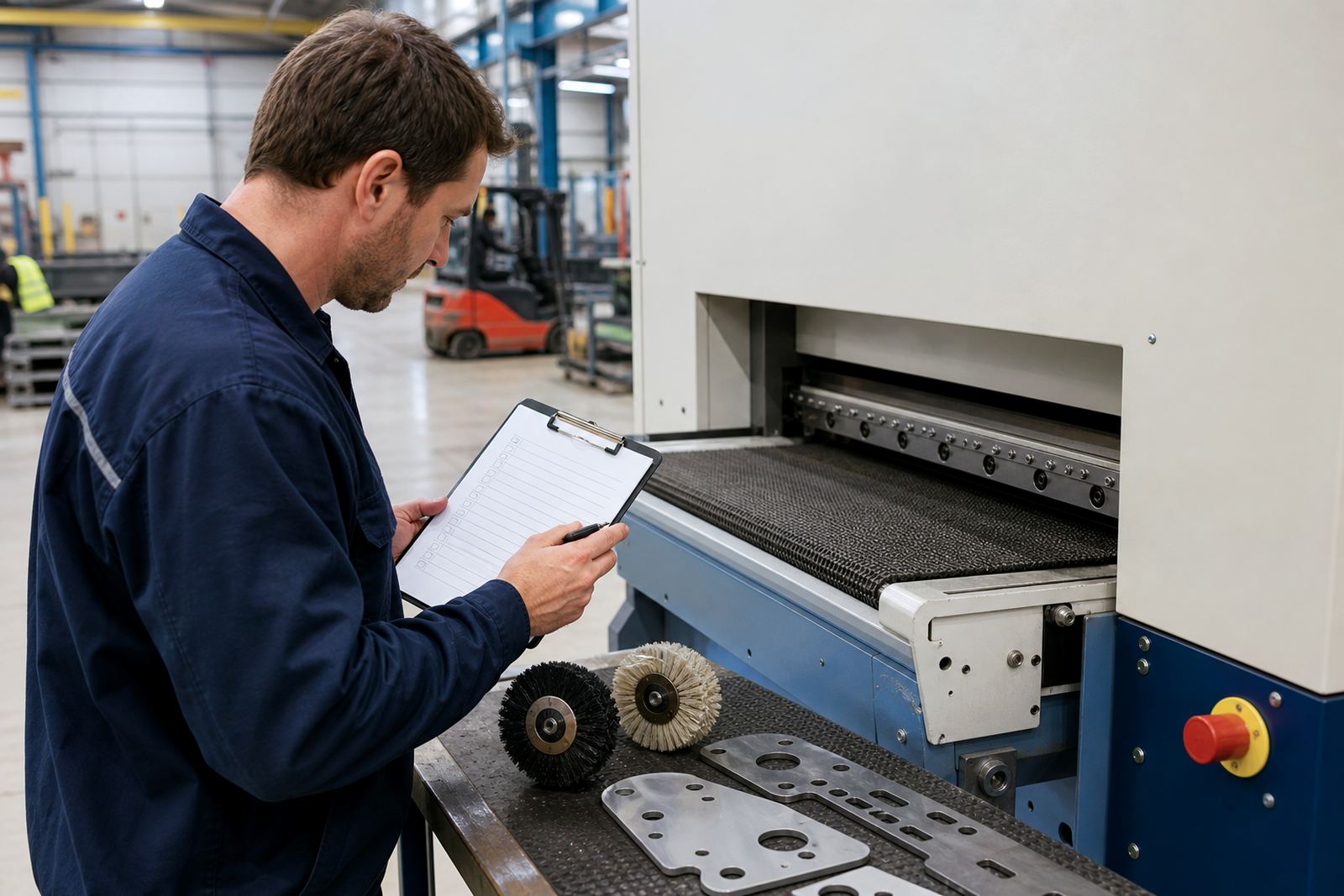
Abrasive replacement is not only a maintenance task, it is part of daily quality control. When the abrasive wears down, you do not just lose finish quality, you also lose production time because operators start compensating with slower speeds or extra passes. That may work for a short while, but it puts more strain on the machine and increases the chance of marks on the sheet.
Check contact parts for scoring, glazing or uneven wear. If the machine is used on a mix of mild steel, stainless steel and aluminium, the wear pattern can change quickly. Keep a record of which material ran most heavily that day, because that helps predict when consumables need replacing. In Durban and other coastal areas, humid air can also affect storage of spare parts and abrasives, so keep them sealed and off the floor.
- Replace worn abrasives before they affect finish quality
- Inspect rollers, pads and contact wheels for damage
- Store spare consumables in a dry area
- Record the material type and batch run each day
Cleaning the machine properly without causing damage
Cleaning should be part of every shift, not just end of week housekeeping. The right cleaning routine keeps dust from packing into bearings, control panels and moving assemblies. Use a method that suits the machine and avoid forcing debris deeper into the unit with compressed air where it can spread into sensitive parts. A soft brush, vacuum and clean cloth are usually safer for daily use.
Pay attention to the underside of the machine, the infeed and outfeed zones, and any corners where laser-cut offcuts collect. Small pieces of steel can scratch finished parts or jam the conveyor. If the site is running multiple shifts, assign cleaning to a specific person at each handover so nothing gets missed. On busy sites around Wadeville and Germiston, this simple routine often makes the difference between a smooth morning start and a frustrating reset.
- Remove dust, swarf and offcuts from the full work area
- Clean sensor faces and visible moving parts carefully
- Do not use cleaning methods that push dirt into bearings
- Check that extraction points remain open and clear
Record small faults before they become breakdowns
Daily machine checks are only useful if the findings are written down. A small note about a noisy roller, a worn abrasive or a slightly uneven finish can help the service team spot a pattern before the machine stops. Many breakdowns do not arrive all at once, they build up over several shifts. When operators record what changed, it becomes easier to plan preventive maintenance and avoid unplanned downtime.
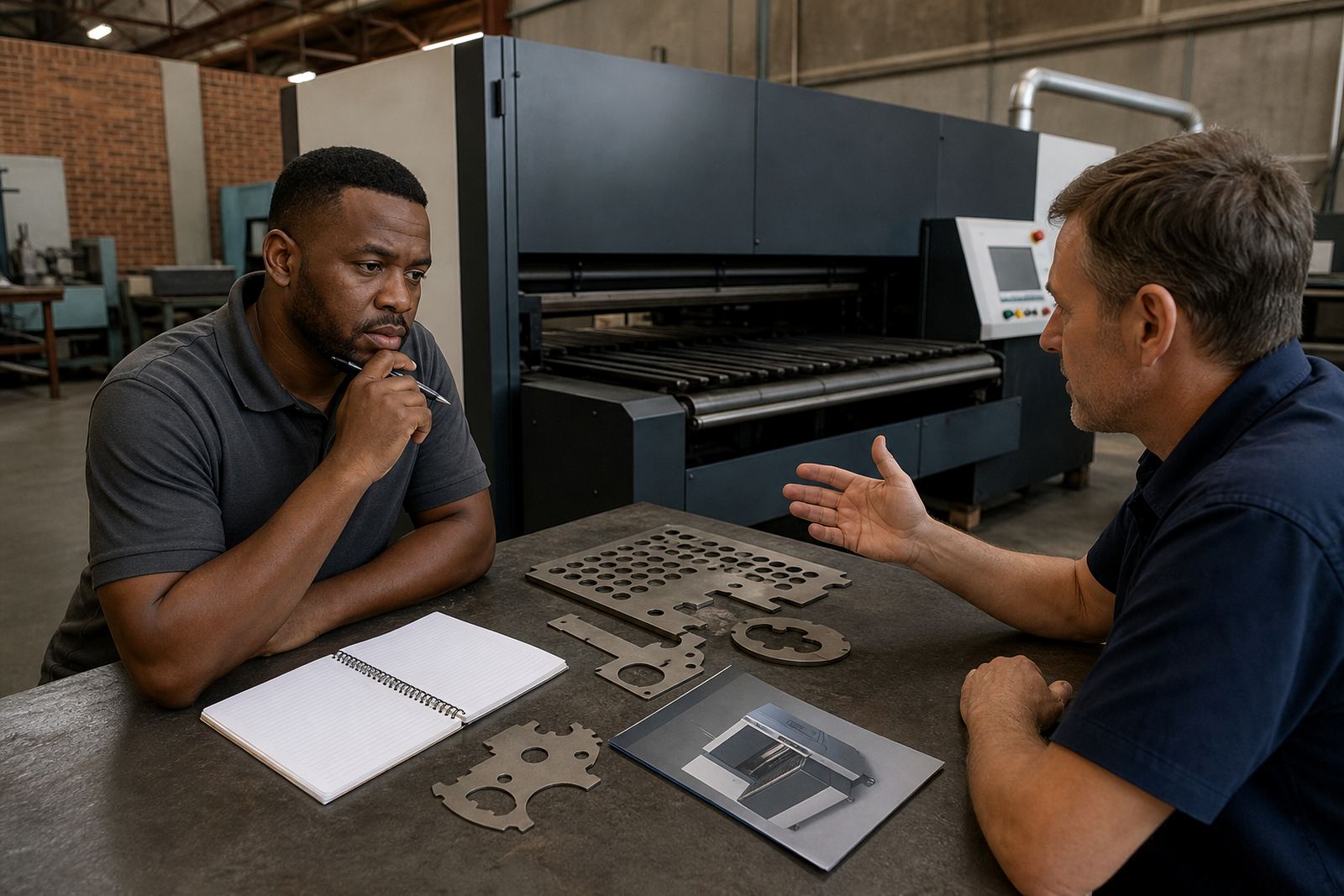
Keep the record simple. The goal is not paperwork for its own sake, but a practical log that the whole team can use. If the same issue appears twice in a week, it is time to investigate properly. That may mean a machine audit, sample part testing or a short production review to see whether the issue comes from the machine, the material or the operating method. For fabricators supplying Johannesburg, Pretoria or Rustenburg, where delivery schedules can be tight, a small fault left unchecked can affect the full job list.
- Log unusual sounds, vibration and finish changes
- Note any alarm codes or shutdown events
- Record the time, shift and material type
- Escalate repeat faults before they stop production
A local example from a busy sheet metal shop
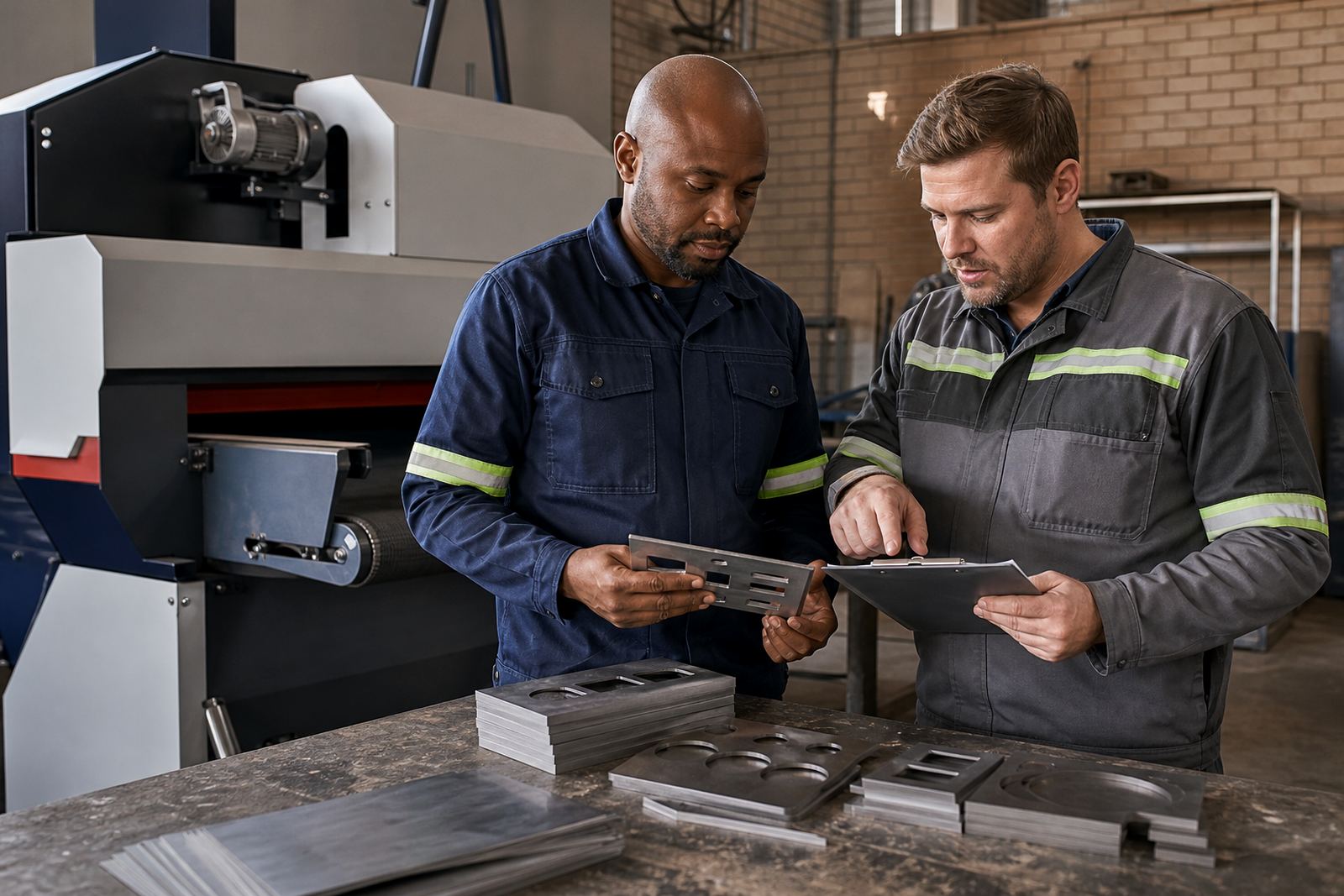
A fabricated parts shop in Germiston running laser-cut mild steel panels noticed that edge quality varied from one shift to the next. The machine itself was not failing, but operators were starting each day differently. One shift cleaned the feed area properly, another skipped the abrasive check, and the logbook had gaps. After a short daily routine was introduced, finish consistency improved and the team reduced avoidable adjustment time.
The biggest change was not a major repair, it was discipline. Operators checked abrasives, cleaned the machine, noted the finish on the first parts and handed over the same way every day. The result was fewer delays, better consistency and less pressure on the workshop supervisor. It is a simple example, but it reflects what happens in many South African metal shops where production must keep moving even when the weather is humid, power is uncertain and the deadline stays fixed.
Daily checks do not replace proper servicing, but they help the machine stay ready between visits. For many fabricators, that is the difference between predictable output and a line that keeps stopping for preventable issues.