
Why operator skill shows up in every finished edge
In laser-cut sheet metal work, the last step can make or break the job. If the operator understands feed speed, brush pressure, part orientation and the condition of the abrasive, the machine produces a cleaner edge with less rework. If not, the result is often inconsistent, with sharp spots left behind, surface marking or parts that need to be handled again before packing.
That matters in Gauteng job shops where deadlines are short and one missed batch can hold up welding, folding or assembly. A trained operator knows how to read the part, not just start the machine. They can see when a thin panel needs a lighter approach and when a heavier cut part needs a slower pass, which protects both finish quality and production time.
It also helps with safety. Deburring machines remove material at speed and the wrong setting can send parts moving or wear consumables too quickly. Training gives staff a clear method so they work safely and keep the process repeatable, even on a busy shift.
What proper training should cover on the workshop floor
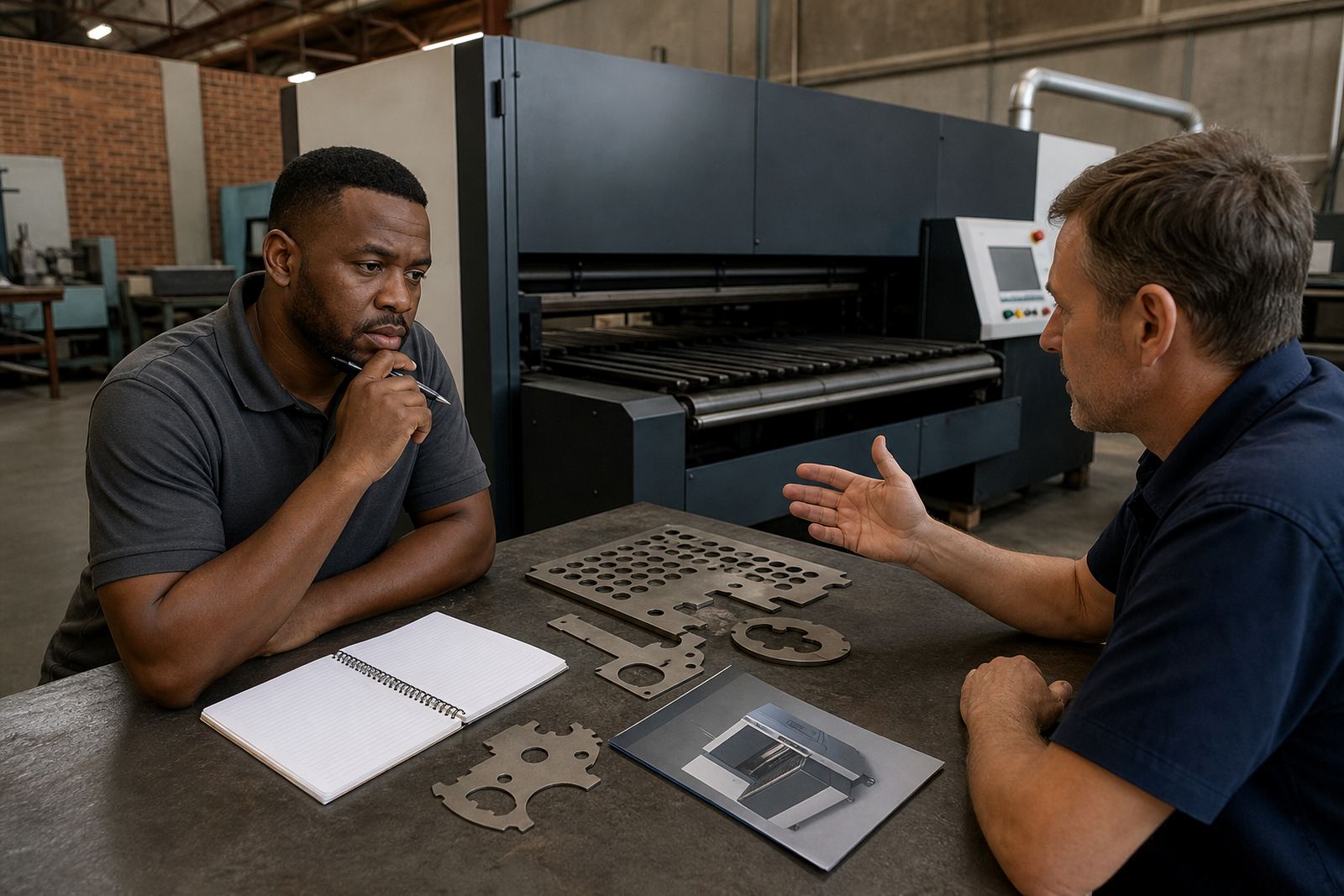
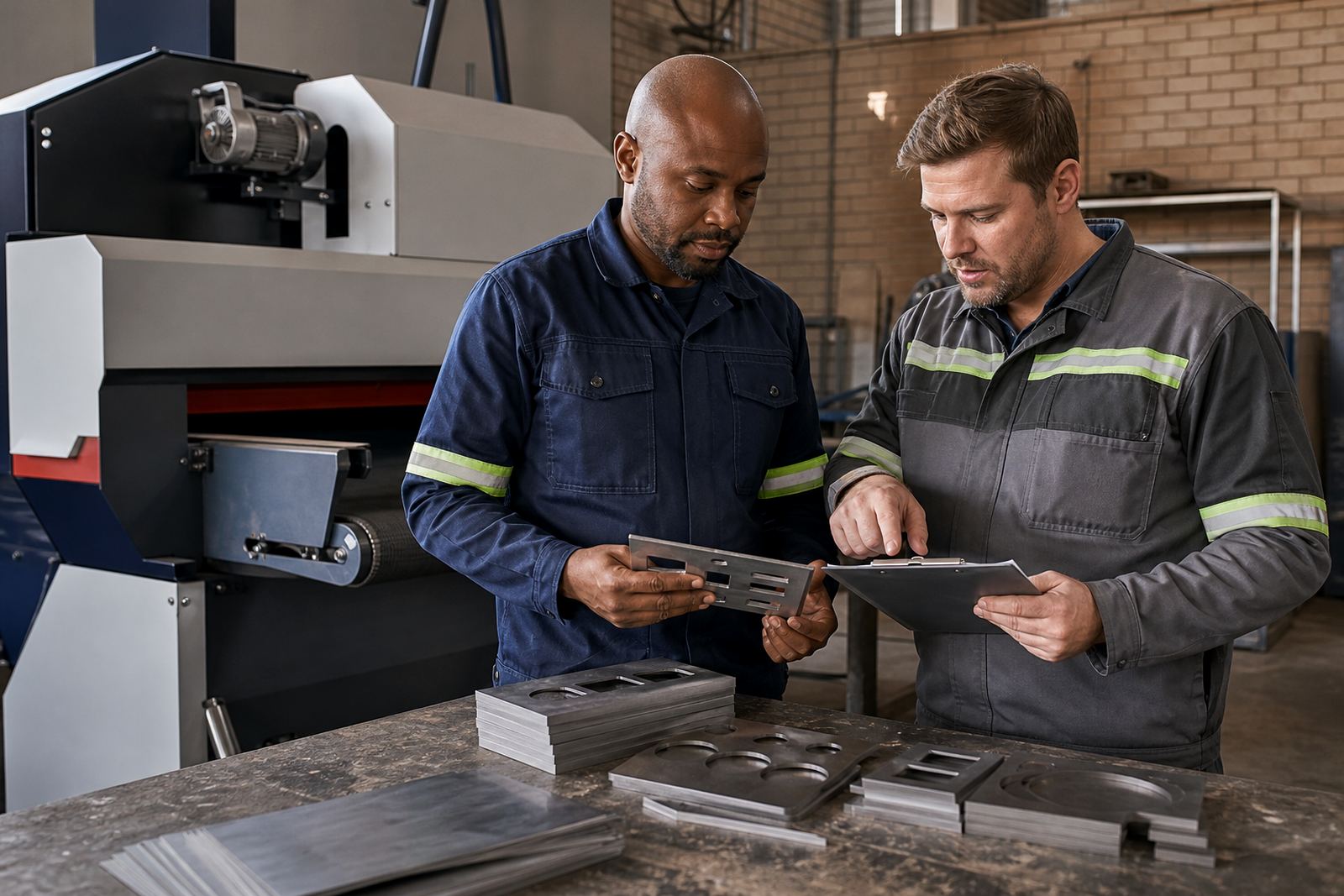
Training should be practical, not just a short talk beside the machine. Operators need to know how to set up the machine for different sheet thicknesses, how to inspect parts before and after processing, and how to spot wear before it affects output. They should also understand the basic relationship between laser-cut edge condition, burr height and the amount of finishing needed.
- Machine start-up and shut-down steps
- Correct feed direction and part handling
- Adjusting pressure, speed and finishing heads
- Recognising worn abrasives or brushes
- Cleaning routines for dust, swarf and fine metal residue
- Simple fault reporting before small issues become breakdowns
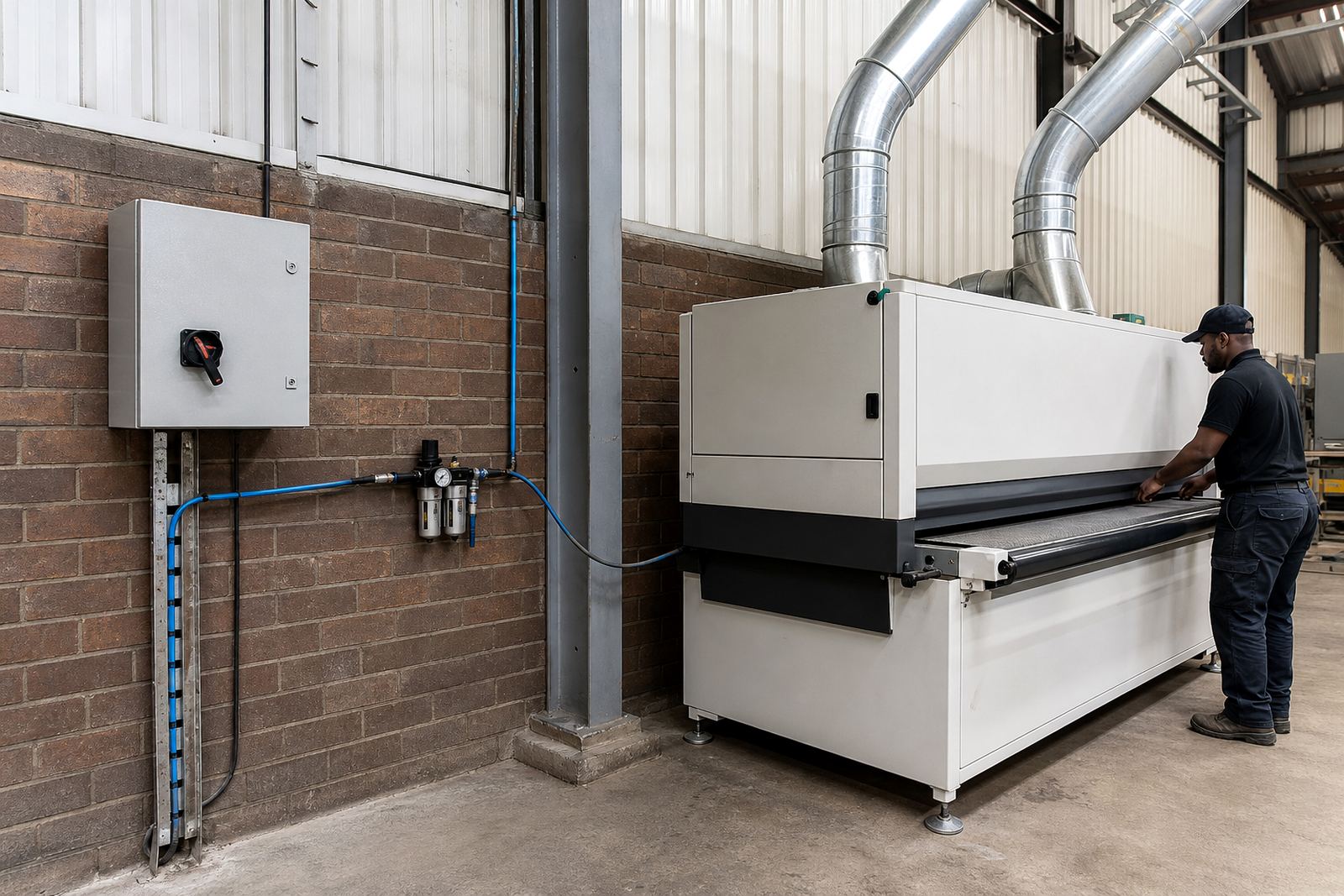
For South African workshops, another key point is power stability. After load-shedding or voltage swings, operators should know what to check before starting production again. A quick inspection can prevent a jammed feed, uneven finish or unplanned stoppage later in the day.
How training protects output quality and machine life
When staff are properly trained, the machine is used within the right operating range. That reduces unnecessary strain on motors, conveyors and finishing heads. It also limits premature wear on abrasives, which can become a hidden cost if the operator uses them too aggressively or too lightly.
Consistent training helps the whole production flow. Parts move from laser cutting to deburring to assembly with fewer stops, and quality checks become easier because the finish is more predictable. In a busy factory, that predictability is worth real money. It lowers scrap, reduces touch-ups and makes planning more accurate.
There is also a maintenance benefit. An operator who knows what normal sounds, vibration and dust levels look like is more likely to report a change early. That can save a production team from a breakdown that could have been avoided with a simple adjustment or service.
A local example from Wadeville to Cape Town
Consider a fabricator in Wadeville sending laser-cut brackets and enclosure panels to customers in Johannesburg and Cape Town. At first, the machine is run by different staff on different shifts, each one doing things a little differently. One operator sets the feed too fast, another runs parts through more than once, and the finishing result changes from batch to batch. The customer notices, and the workshop spends extra time sorting and reworking pieces.
After structured training, the team follows one method for setup, inspection and finishing. The operator on the morning shift can hand over to the afternoon shift without confusion, and the output stays more consistent. The workshop still deals with the usual pressures of power cuts, delivery deadlines and coastal humidity on stored sheet, but the deburring stage is no longer adding avoidable problems. That kind of improvement is not flashy, it is just practical and it shows up in the numbers.
Training also supports service, spares and planning
Training should not stop at the first handover. It works best when it is paired with preventive maintenance, spares awareness and basic production planning help. Once operators know what consumables wear like, they order replacements earlier and avoid waiting for a part to fail. That keeps the machine moving and helps the service team support the workshop before a small issue becomes a shutdown.
- Keep a simple daily checklist near the machine
- Record settings for common part types
- Log abrasive changes and service intervals
- Report unusual noise, heat or vibration straight away
- Plan higher volume jobs around maintenance windows
This approach works well for shops in Pretoria, Durban, Rustenburg and the East Rand, where production schedules can change quickly. If the operator and the supervisor both understand the machine, it is easier to plan around high-volume weeks, urgent orders and equipment relocation without losing control of quality.
When to schedule refresher training and machine audits
Refresher training is a good idea when you add new staff, change product types or notice that finish quality is drifting. It also makes sense after a machine relocation, a long shutdown, or a change in abrasive stock. Even experienced operators can develop habits that look efficient but slowly increase wear and inconsistency.
A machine audit can be useful at the same time. It gives the workshop a clear view of settings, condition, maintenance gaps and parts that need attention. The result is not just better training, but a cleaner process from start to finish. In many cases, a short training session and a careful audit will recover more output than buying more kit.
For fabricators across South Africa, the message is simple. A trained operator does more than press buttons. They protect the machine, the finish and the schedule, which is exactly what a production floor needs when work is heavy and margins are under pressure.