Why Edge Quality Changes the Whole Assembly Job
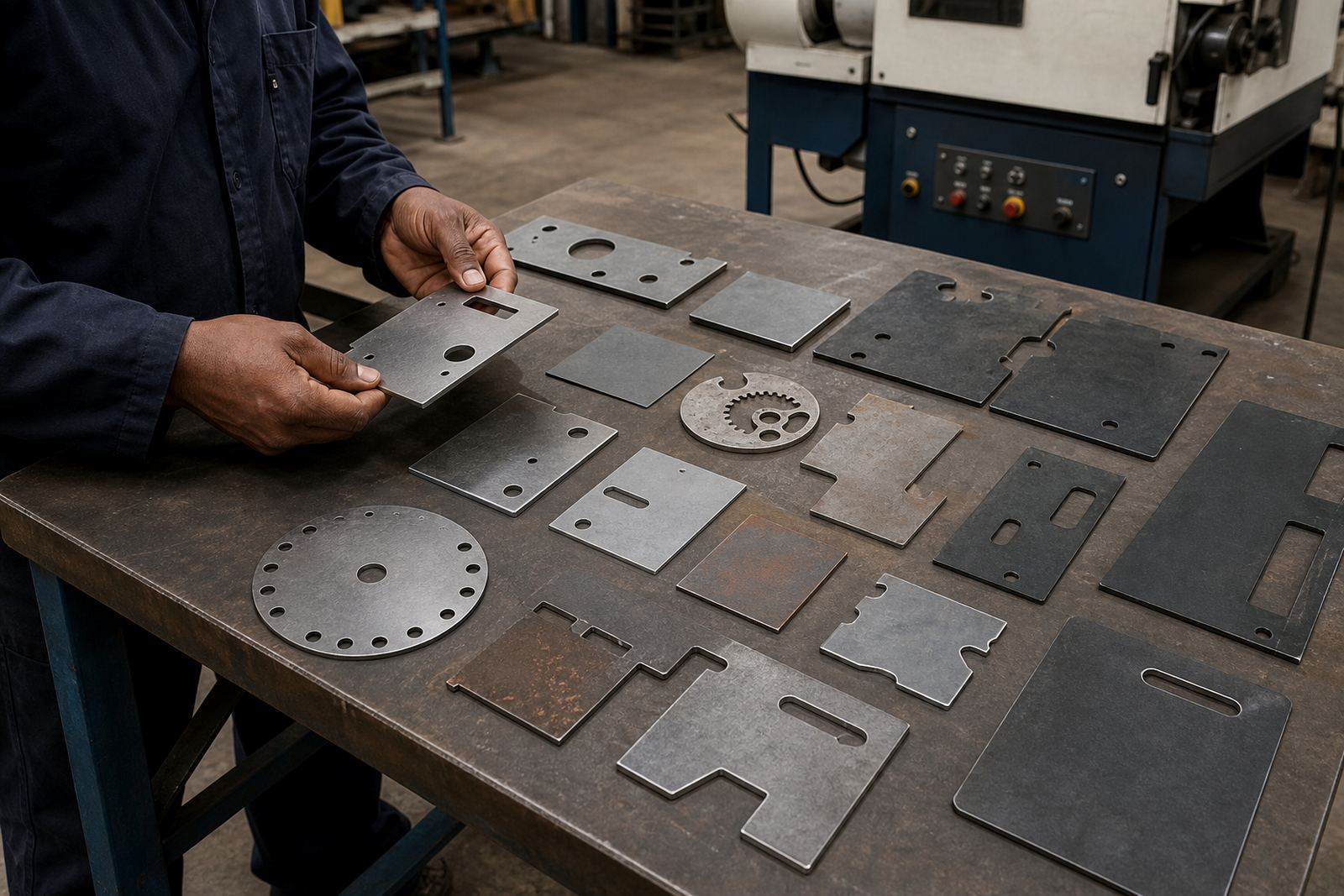
When laser-cut parts come off the table, they may be accurate on size but still carry burrs, sharp points and a light oxide line. That small edge condition can slow down the next step, especially when brackets, panels and formed parts need to line up with holes, tabs or mating faces. A clean edge helps parts seat properly, which means less filing, less forcing and fewer call-backs from the fit-up bay.
In many workshops, assembly teams end up spending time fixing problems that started earlier in the process. A burr can stop a part from sitting flat. A raised edge can throw off a tight stack-up. Even a tiny ridge can make powder coating or final painting look untidy at the joint. For manufacturers working to delivery dates, that extra time is expensive and it usually shows up at the worst moment.
What Clean Parts Change on the Workshop Floor
Deburring and edge-finishing are not only about safety, although safer handling is a big plus. They also improve the way parts behave during clamping, welding and bolting. A cleaner edge gives more predictable contact between faces, which matters when the job includes fixtures, jigs or repeat runs. It is easier to hold tolerance when the edges are consistent from part to part.
For fabrication teams, this becomes even more important on mixed batches. One set of parts may be going to assembly straight away while another is held for later welding or bending. If the edges are already prepared, the workshop can move stock without worrying about scratched gloves, snagged seals or damaged coatings later on.
- Parts drop into jigs with less hand fitting
- Hole alignment is easier to check before final fastening
- Sharp edges are removed before handling and transport
- Coating and finishing look cleaner at the joint line
Where Laser-Cut Parts Usually Cause Trouble
Laser-cut sheet metal is accurate, but the cutting process can leave a hard edge on the bottom side and a slight burr where the cut breaks through. On thinner material, those edges may fold over lightly. On thicker plate, the burr can be more stubborn and may need a stronger finishing pass. If parts go straight to assembly, these details show up as fit problems or surface marks, and sometimes both.
Common trouble spots include tabs that must slide into slots, parts with pressed flanges, cover plates that need a flush face and welded sub-assemblies where the prep edge affects the bead. In humid coastal areas like Durban and Cape Town, freshly processed sheet can also pick up moisture and surface staining more quickly if it is left in a damp stack. That is why timing matters as much as the finish itself.
Once parts are cleaned properly, they are easier to label, count and move through production. The team spends less time sorting out which components still need work and more time getting product out the door.
A Practical Example From a Gauteng Fabrication Shop
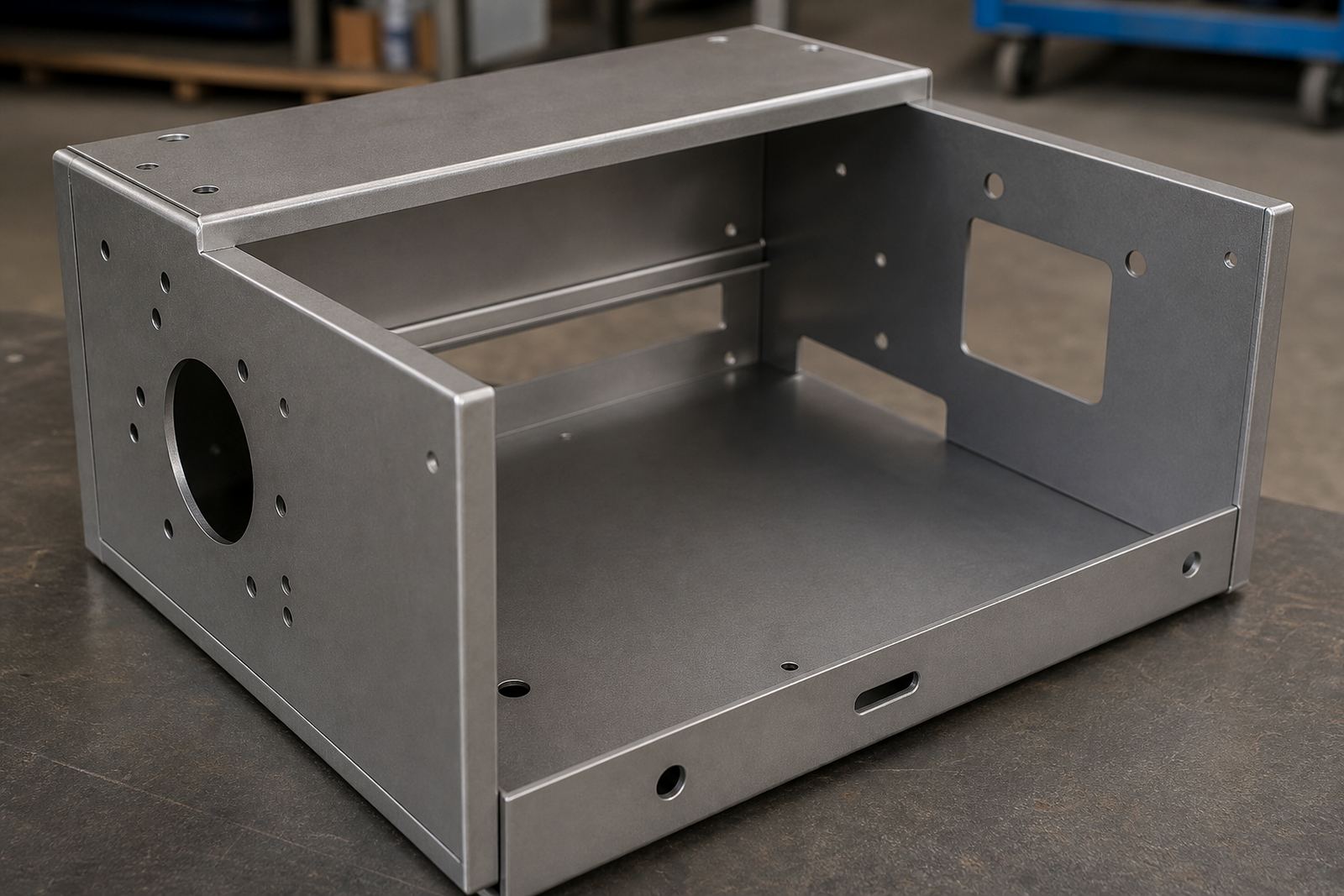
A Germiston fabricator making enclosures for industrial equipment had a simple problem that kept repeating. The laser-cut side panels were accurate, but the fitters were spending too much time dressing edges before assembly. Some panels were catching on the mounting slots, and a few corners were leaving marks on painted parts during packing. The workshop was not failing on design, it was losing time on edge condition.
After introducing dedicated deburring and edge-finishing into the workflow, the assembly team saw a clear change. Panels dropped into place with less forcing, the rework pile got smaller and the final product looked more consistent. The job did not become magic overnight, but the team stopped wasting time on predictable problems. That is the point: cleaner parts make a production line calmer and easier to manage.
- Less hand finishing before assembly
- Fewer damaged coatings and scratches
- Better repeatability across batches
- Faster packing because parts stack more neatly
Why Cleaner Edges Support a More Professional Finish
Customers often notice finish quality before they notice the process behind it. A panel with smooth edges and tidy joints looks more carefully made, even if they never see the work that happened before assembly. On enclosures, guards and fabricated frames, the edge condition helps create that impression of care and control. It also reduces the risk of sharp points being left on a final product that will be handled in the field.
This is especially relevant for products going to Johannesburg, Pretoria, Rustenburg, Durban and Cape Town, where fabricators may supply directly into mining, food processing, security or general industrial use. Buyers in those sectors expect parts that are ready to fit, finish and install without last-minute trimming. If your components arrive clean, the assembly team can spend its energy on build quality instead of rescue work.
There is also a cost angle. Cleaner edges lower the chance of scrap caused by damaged parts, and they reduce labour tied to rework. That makes planning easier, because production managers can trust the process a bit more. And in a busy shop, trust saves time.
Choosing the Right Finishing Step for Your Batch
Not every job needs the same level of edge work. A light burr on mild steel sheet may only need a quick pass, while heavier laser-cut plate may need a more thorough finish. The right setup depends on material thickness, batch size, part geometry and how the parts will be used after cutting. A good finishing process should match the output of the cutting room, not fight it.
Before committing to a process, it helps to test a sample part and look at the next stage in the build. Will the parts be welded, powder coated, zinc plated or assembled with fasteners? Will the team handle them by hand or with lifting gear? These questions change the edge specification. If you are supplying parts across South Africa, that matters even more because transport, storage and site conditions vary from one customer to the next.
- Check whether parts need only burr removal or full edge rounding
- Match the finish to welding, coating or direct assembly
- Test a sample on the actual material grade and thickness
- Plan for operator training so the result stays consistent
Keeping Assembly Moving Without Unnecessary Delays
When parts are ready for assembly, the whole workshop feels it. Fitters work faster, supervisors spend less time on exceptions and the finished product looks more professional without extra touch-up. That is why edge-finishing should be seen as part of production flow, not as a separate tidy-up step. In practice, it is one of the simplest ways to improve output without changing the design.
For fabricators in Wadeville, Germiston and across South Africa, the goal is straightforward: cut parts once, finish them properly and move them on. When that happens, there is less waste, fewer sharp edges in circulation and a smoother route from laser table to final assembly. It is a practical change, but it makes a real difference to the people building the product and to the customer receiving it.
Cleaner edges do not shout for attention. They just make everything after the cut easier.