
Start with the machine history, not the spanners
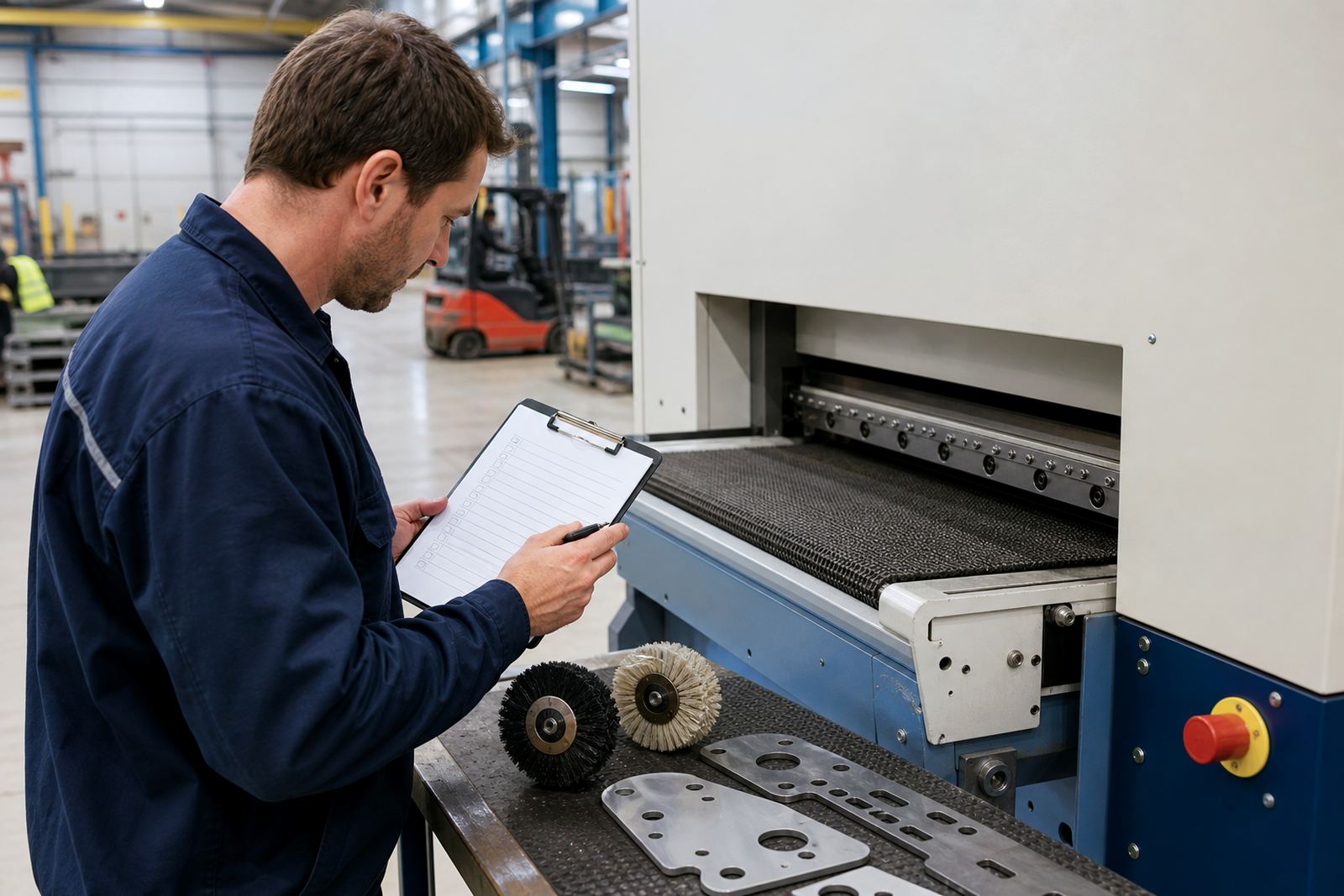
Before a service call, put together a short note on what the machine has been doing lately. Include any unusual noise, poor cut quality, vibration, dust build-up, alarm codes, or parts that wear faster than usual. A technician can work much more efficiently when there is a clear picture of the fault instead of a general complaint like “it is not running right”.
If the machine has had a breakdown repair, recent abrasive replacement, or a change in material thickness, say so upfront. That helps the service team decide which consumables, tools and test parts to bring. In Wadeville and across the East Rand, production teams often lose time because the machine is ready but the fault history is not. A few minutes of preparation can save half a shift.
Clear the area so access is easy and safe
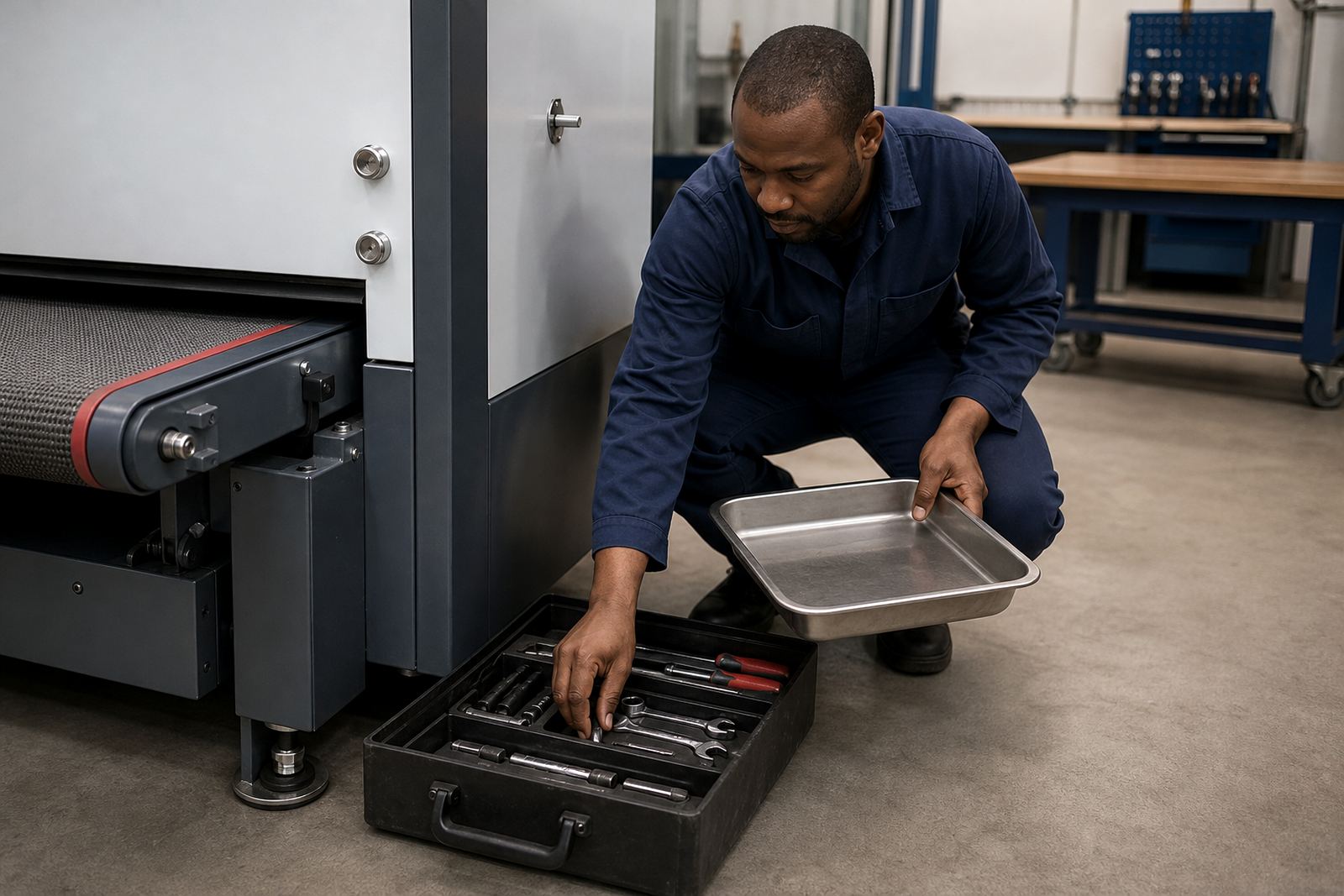
Most service delays happen around the machine, not inside it. Move stock, offcuts, packing crates and pallets away from the working side of the machine. Leave enough room for panels to open fully and for the technician to get to motors, belts, drives, guards and control cabinets without squeezing past another workstation.
- Remove loose scrap, dust and abrasive residue from the floor around the machine.
- Make sure lighting is good enough to inspect parts properly.
- Check that walkways are clear for tools and spare parts.
- Keep forklifts and pallet jacks out of the service area unless they are needed.
In many Germiston workshops floor space is tight, but a clean access route reduces the chance of damage and keeps the job moving. It also makes it easier to spot leaks, worn seals and signs of rust, especially where humidity from the coast reaches inland stockrooms.
Plan for power, compressed air and downtime
Service work on laser-cut sheet metal equipment often needs a stable power supply and, at times, compressed air. If your site is affected by load-shedding, schedule the visit for a window when you can control the power supply or arrange backup power where needed. Restarting a machine halfway through an inspection wastes time and can make diagnostics harder.
Let your team know how long the line may be down and which jobs should be finished before the service starts. If the machine feeds a key production batch, move that work earlier or later in the day. A clear shutdown plan keeps operators from rushing, which is when mistakes happen. The same applies to air lines, make sure isolation valves are reachable and labelled, not hidden behind stacked material.
Prepare the right people and paperwork
The service visit goes better when the right person is on site from the start. That should be someone who knows the machine, understands the production pressure and can authorise access or answer questions. If the machine has had recurring issues, have the operator, supervisor and maintenance lead available for a short handover.
- Keep the machine manual, service log and fault notes nearby.
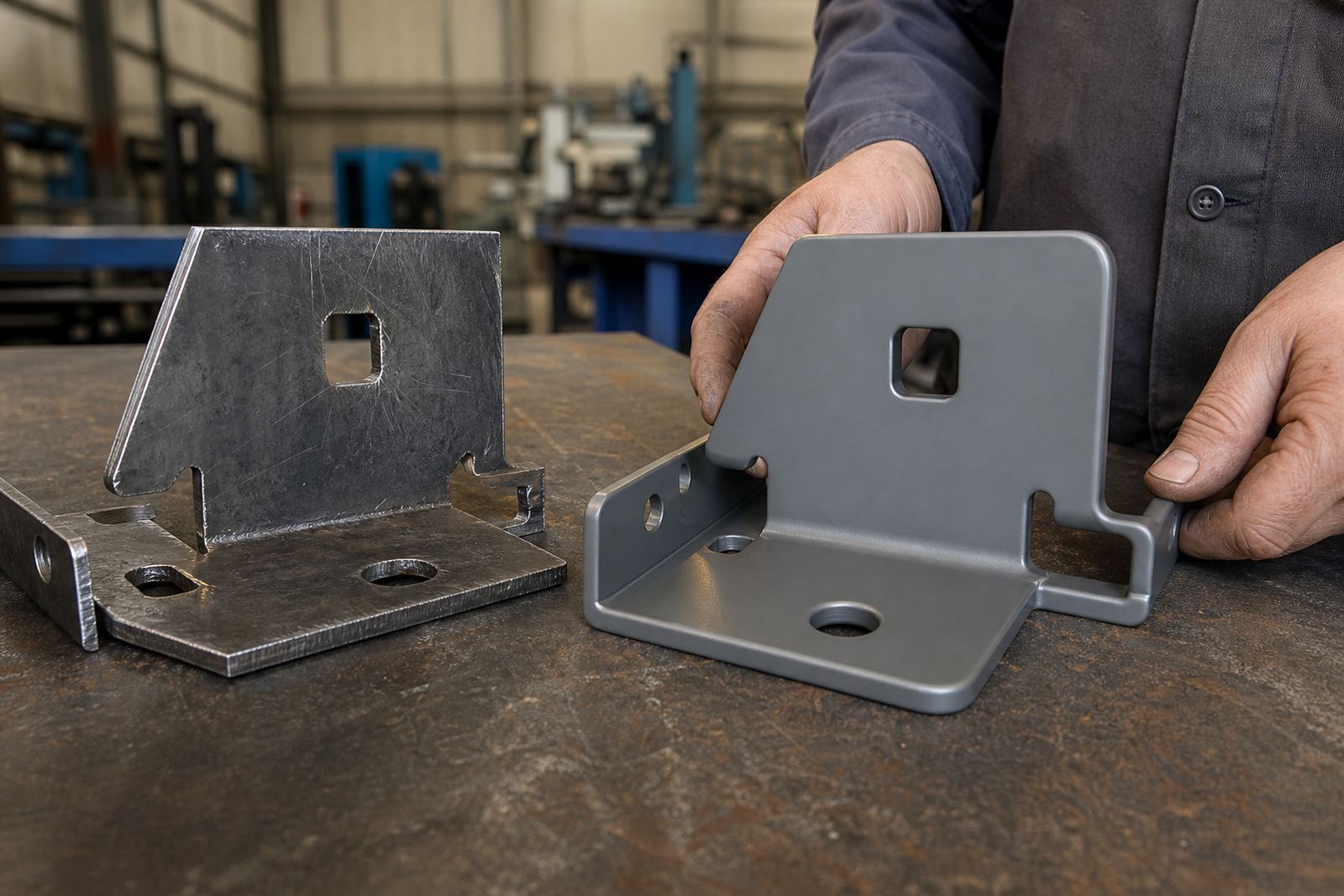
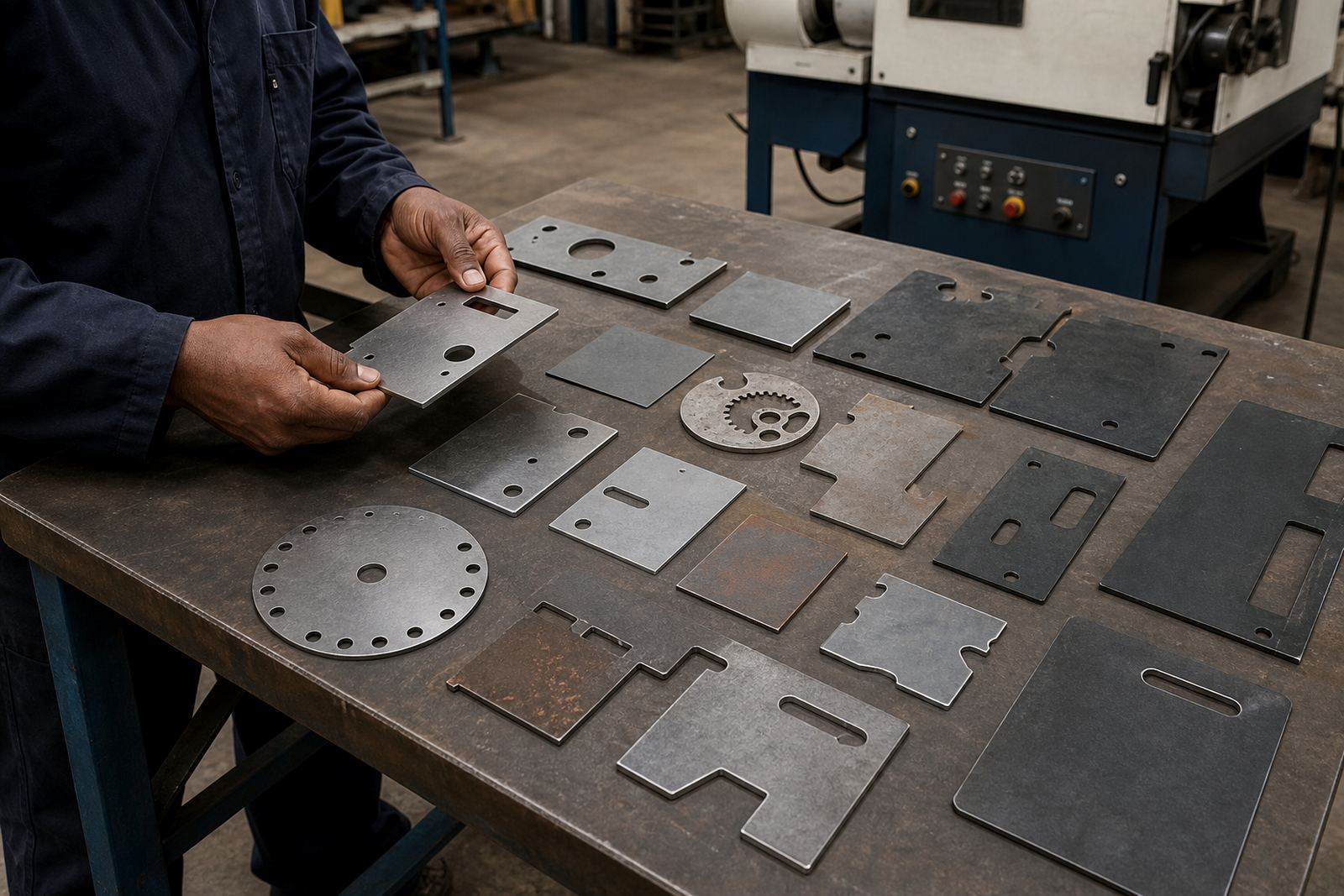
- Have recent sample parts or rejected parts ready for inspection.
- Share any changes to material grades, thicknesses or cutting patterns.
- Confirm who can sign off on findings and next steps.
If the machine has moved from one bay to another, mention it. Relocation can affect levelling, dust extraction routing and cable wear. A small detail like that can save a lot of backtracking.
Use the visit to test the full process, not only one fault
A proper service call should look at the whole production process. If the issue is burr formation, the problem may not sit in one place alone. It can involve feed speed, abrasive condition, worn contact points, incorrect settings or a build-up of fine metal dust on key components. That is why sample part testing and process checks matter.
Ask the service team to test with the actual material you use most often, whether that is mild steel, stainless steel or aluminium. A part that looks fine on one sheet can behave differently on another. This is especially true for fabricators in Cape Town and Durban where humidity can affect storage conditions and surface finish. If the machine is part of a larger line, check upstream and downstream steps as well so the fix lasts beyond the day of the visit.
After the service, lock in the follow-up
Once the work is done, do not treat the visit as finished until the machine has been run under normal production conditions. Ask for a short handover with the changes made, the parts replaced and any items that should be watched over the next few weeks. If the machine needs a follow-up adjustment, note the date while the details are still fresh.
It also helps to assign one person to record what was done during the visit. That record makes the next maintenance call easier and helps identify patterns, such as repeat wear after a specific material run or an increase in breakdowns after long shifts. In Rustenburg and Pretoria, where many workshops run tight schedules, that habit can reduce repeat stoppages and keep service intervals predictable.
A practical example from a busy East Rand workshop
A fabricator in Wadeville called for a service visit after noticing rough edges on laser-cut parts and more dust than usual around the finishing area. Before the technician arrived, the team cleared the floor, gathered the service log, set aside rejected parts and made sure the machine could be isolated safely. They also told the service team about recent material changes and a week of interrupted power. That meant the right checks could start straight away.
Because the machine was prepared properly, the visit stayed focused. The team found a worn abrasive section, adjusted the settings and cleaned build-up from the key working points. Production was back up the same day and the operator had a clear checklist for the next run. Good prep did not make the fault disappear, but it made the repair faster and the machine easier to trust afterward.