Why dust control matters after laser cutting
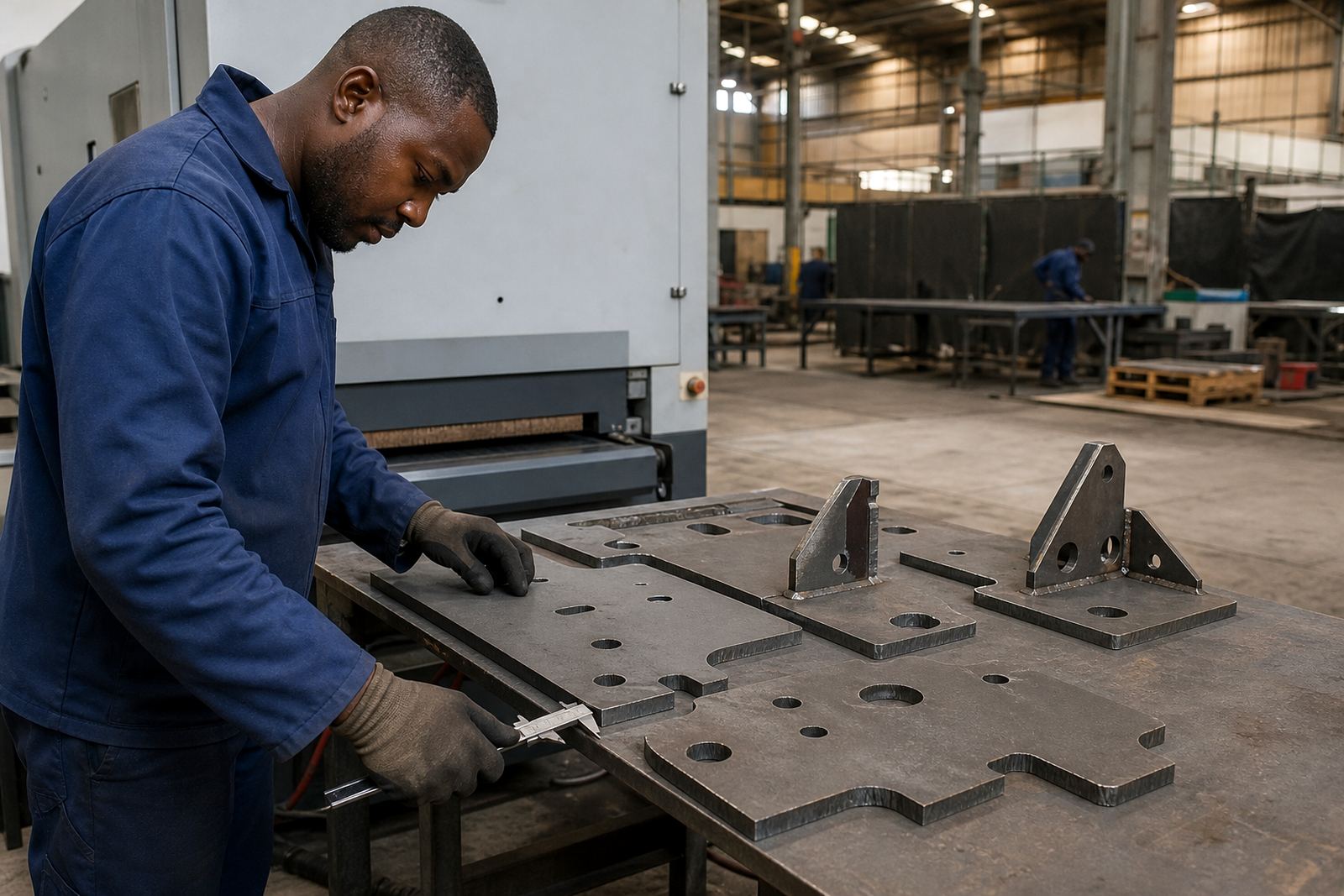
Laser-cut sheet metal often arrives with fine oxide, sliver burrs and loose particles that come off during edge-finishing. If that material is left on the floor or inside the machine area it gets moved back into circulation, where it can settle on parts, slideways and sensors. In a busy Gauteng shop this builds up quickly, especially where cutting, grinding and packing happen in the same bay.
Good dust control is not only about keeping the floor neat. It protects product quality, reduces slipping risks and helps your team spot faults earlier. A clean finishing area also makes it easier to see when abrasive media is wearing out or when a machine needs attention.
- Less dust on parts means less rework after finishing.
- Cleaner floors lower the risk of slips around conveyors and trolleys.
- Less airborne dirt helps electrical panels and sensors stay reliable.
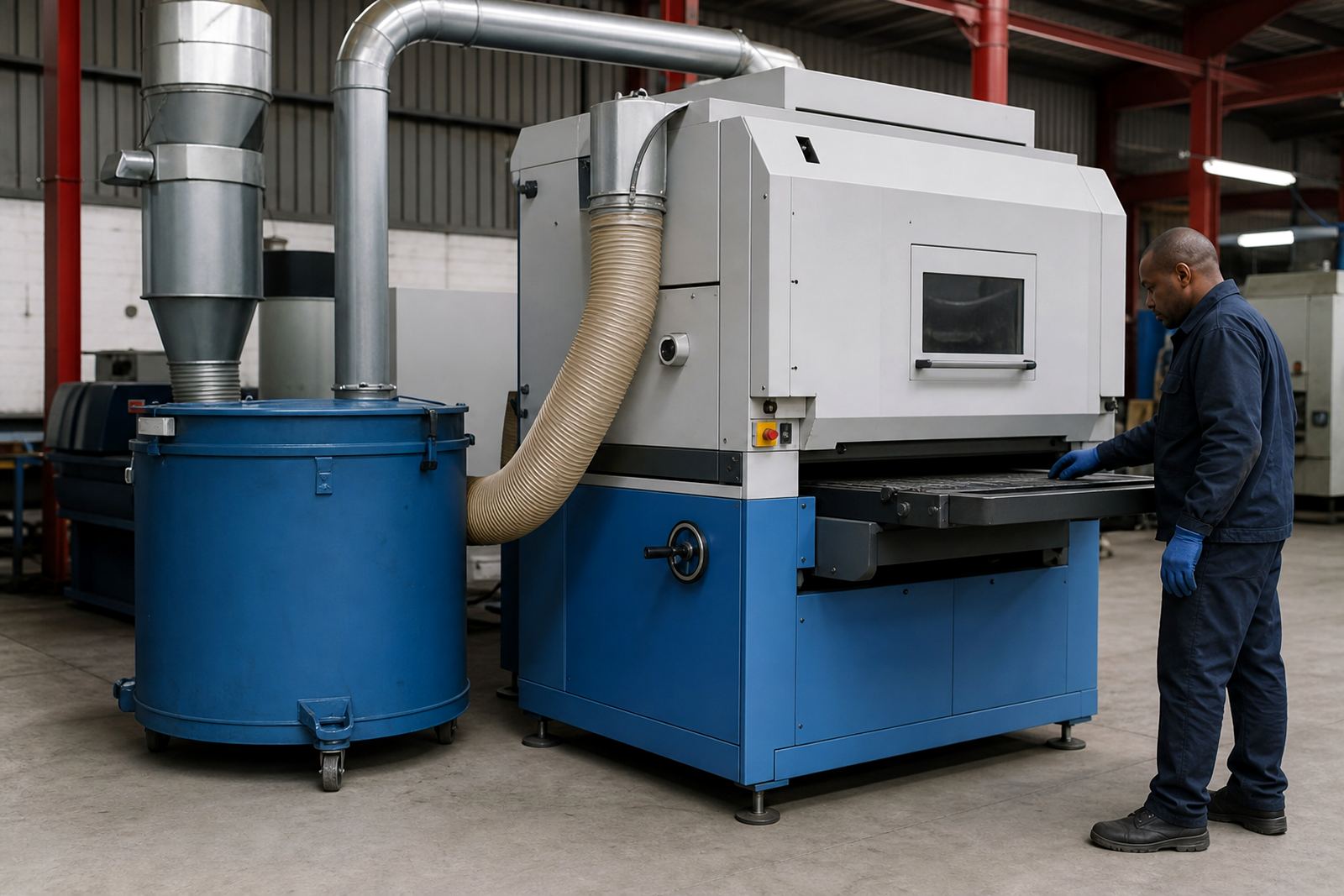
- Housekeeping is simpler when waste is collected at the source.
Common dust sources in finishing bays
In most South African metal shops the dust problem starts in a few predictable places. Burrs drop off during handling, abrasive media breaks down over time, and fine residue moves with compressed air if operators use it to clean machine covers or worktables. In coastal areas like Durban and Cape Town, humidity can also make dust cling to surfaces and form sticky build-up that is harder to remove.
When dust is mixed with oil, coolant or moisture, it tends to gather in corners and around guards. That makes the bay look untidy and it can shorten the life of moving parts. A small housekeeping lapse each day becomes a bigger problem by Friday, and by month end it can affect machine output.
- Loose burrs from cut edges and punched parts.
- Abrasive particles from belts, brushes or other finishing media.
- Metal fines from repeated handling and stacking.
- Dust kicked up by forklifts, trolleys and foot traffic.
Layout choices that keep dust under control
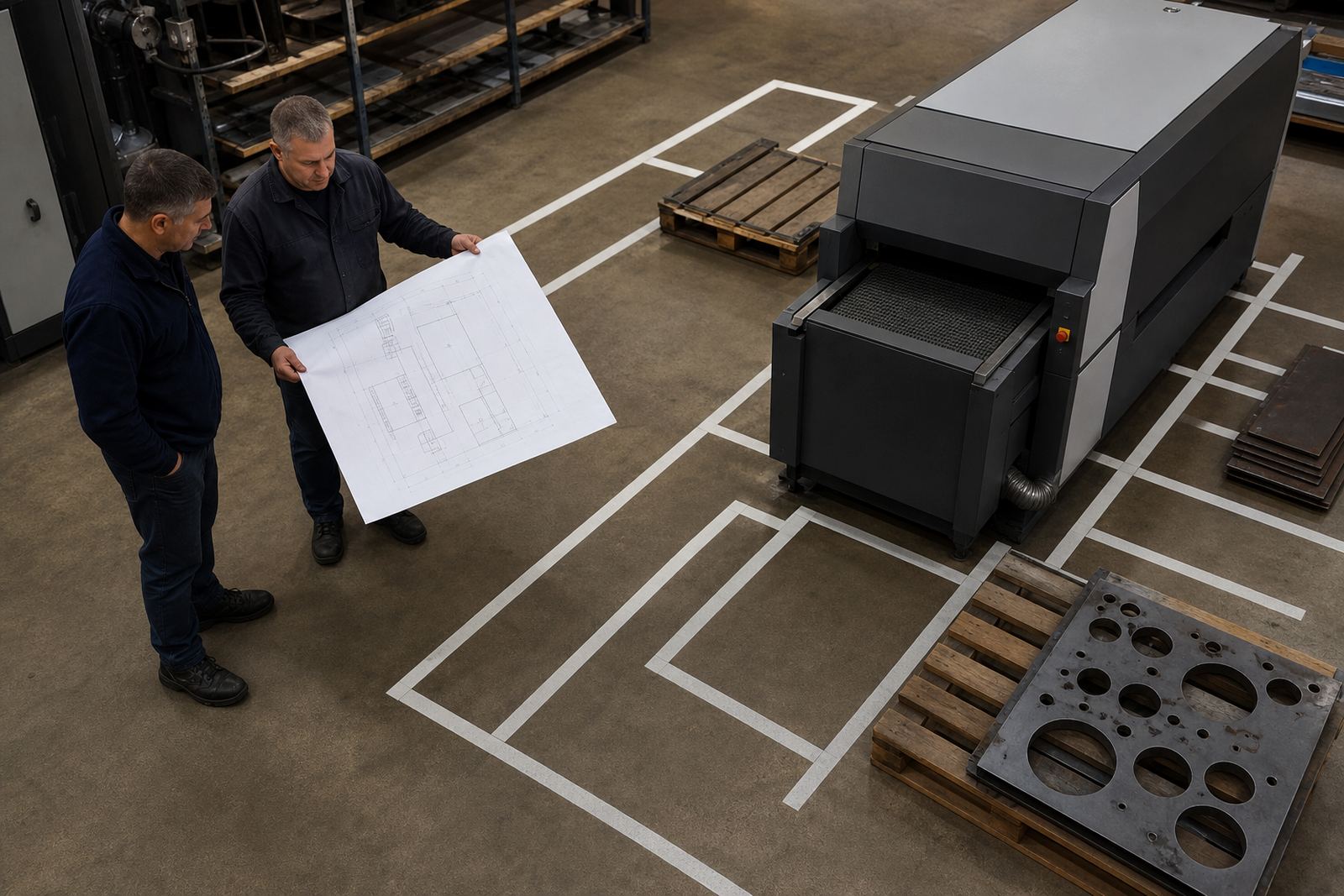
Workshop layout has a direct effect on how much dust spreads. If the deburring machine is placed near a wall with no clear access, operators tend to sweep waste into corners where it is harder to remove. A better setup leaves enough room for loading, unloading and cleaning without moving waste back into the working area. It also helps to separate receiving, finishing and packing zones where possible.
In Wadeville and other industrial areas around Germiston, many shops work in older buildings with limited space and mixed power supplies. That makes it even more important to keep cables, hoses and waste bins organised so cleaning can happen safely during load-shedding changeovers or after a shift. Poor layout leads to a mess that grows fast, even when the machine itself is well maintained.
- Leave clear walkways around the machine for sweeping and inspection.
- Place waste bins close enough for easy use, but not where they block guards.
- Keep cleaned parts separate from incoming material.
- Use marked zones for scrap, finished stock and maintenance items.
Housekeeping routines that actually work
The best dust control system is the one your team will use every day. That means simple routines, clear responsibility and a quick end-of-shift check. If housekeeping is left until the end of the week, dust will settle into corners and onto equipment where it is harder to remove. A short daily clean is normally more effective than one long cleanup session after the fact.
Operators should know what to remove, what to leave alone, and where to report any unusual build-up. A small checklist by the machine can help. It does not need to be fancy, just practical. One missing step, like forgetting to empty a tray, can cause the whole area to look untidy by lunchtime.
- Empty collection trays before they overflow.
- Brush or vacuum loose material from the floor and machine base.
- Wipe down guards, handles and control panels.
- Check that waste containers are not mixing clean parts with scrap.
- Inspect the machine area for abnormal dust build-up around moving parts.
Dust, safety and electrical reliability
Dust is a real issue for electrical systems in finishing environments. Fine particles can settle in enclosures, overload fans and reduce cooling. That matters in workshops that run long hours or depend on production during tight delivery periods. In a power-conscious environment, where machines may be started and stopped more often, a clean electrical cabinet helps reduce nuisance faults.
Safety is part of the same picture. Dust on the floor can become a slip hazard, and dust around emergency stops or access points can delay a quick response. If your team uses compressed air to clean, do so carefully because it often moves the problem rather than removing it. Vacuuming or controlled sweeping is usually the better choice in a finishing bay.
Municipal by-laws and site rules may also require waste to be contained and removed regularly. That is especially important when scrap edges, used abrasive media and general waste are all leaving the same area. Keeping records of cleaning and maintenance can help during internal audits and customer inspections.
A local example from a busy Gauteng production floor
A fabricator in the East Rand was seeing a steady drop in finish quality on laser-cut parts. The machine was in good condition, but dust was building up around the feed area and operators were cleaning with compressed air between jobs. The result was fine residue moving back onto the workpieces and into corners of the machine. The team also had waste bins set too far from the unloading point, so scrap was being carried across the bay more often than it should have been.
After changing the floor layout, adding a short cleaning routine at shift change and moving the waste point closer to the machine, the workshop cut down on rework and reduced the time spent on end-of-day cleaning. The improvement was not dramatic in one day, but it was steady. By the next month, the area looked better and the finishing process was easier to control.
That kind of result is common when the dust problem is treated as part of production planning and not just as housekeeping. Small changes can have a proper effect.
Building dust control into maintenance and training
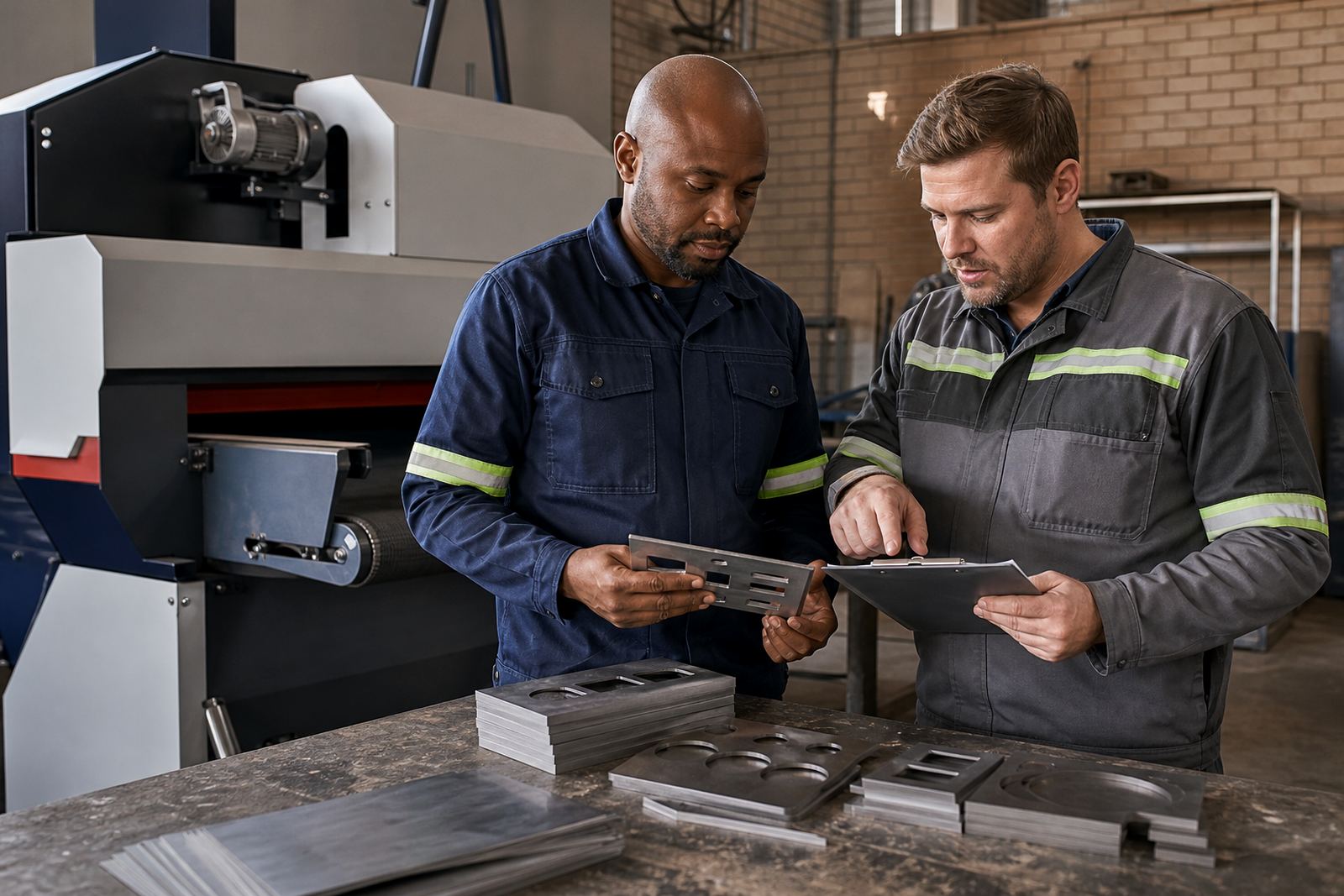
Dust control works best when it is built into the way the machine is operated and maintained. Preventive maintenance should include checking seals, extraction points, brush wear, covers and the condition of collection trays. If a machine is running harder than normal or leaving more residue than expected, that should be looked at before it affects output. Training matters too, because new operators often need clear guidance on how to clean the machine without damaging it.
For shops with more than one shift, it helps to standardise the process so the morning team sees the same condition left by the evening team. That avoids arguments, lost time and avoidable breakdowns. Good housekeeping is not extra work, it is part of keeping the line moving and the finish consistent.
- Include dust checks in planned maintenance visits.
- Train operators on safe cleaning methods and waste handling.
- Review the layout when throughput changes or a new job type starts.
- Keep spares, abrasives and cleaning tools stored where they are easy to reach but not in the way.