Why Sharp Laser-Cut Edges Create Problems Downstream
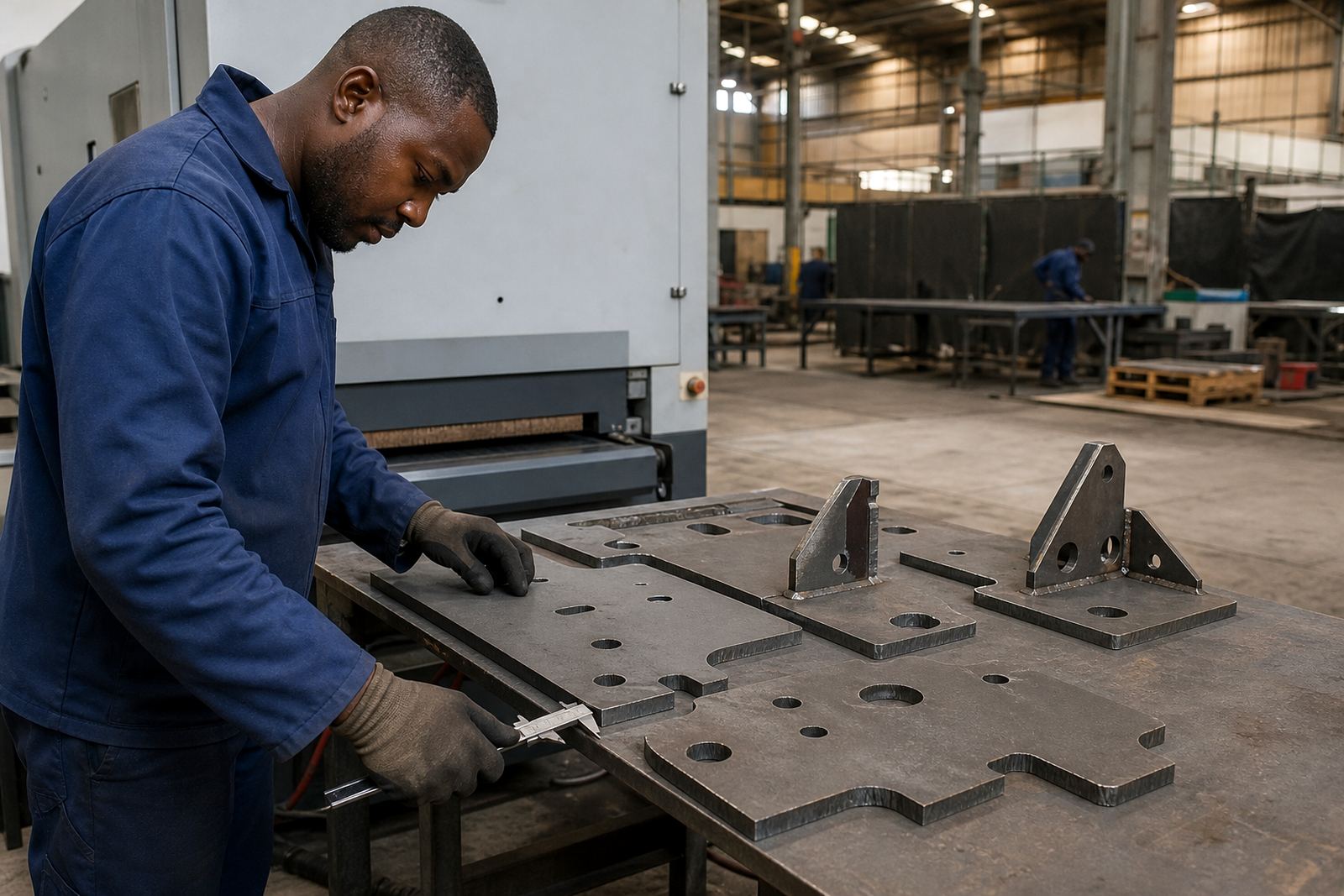
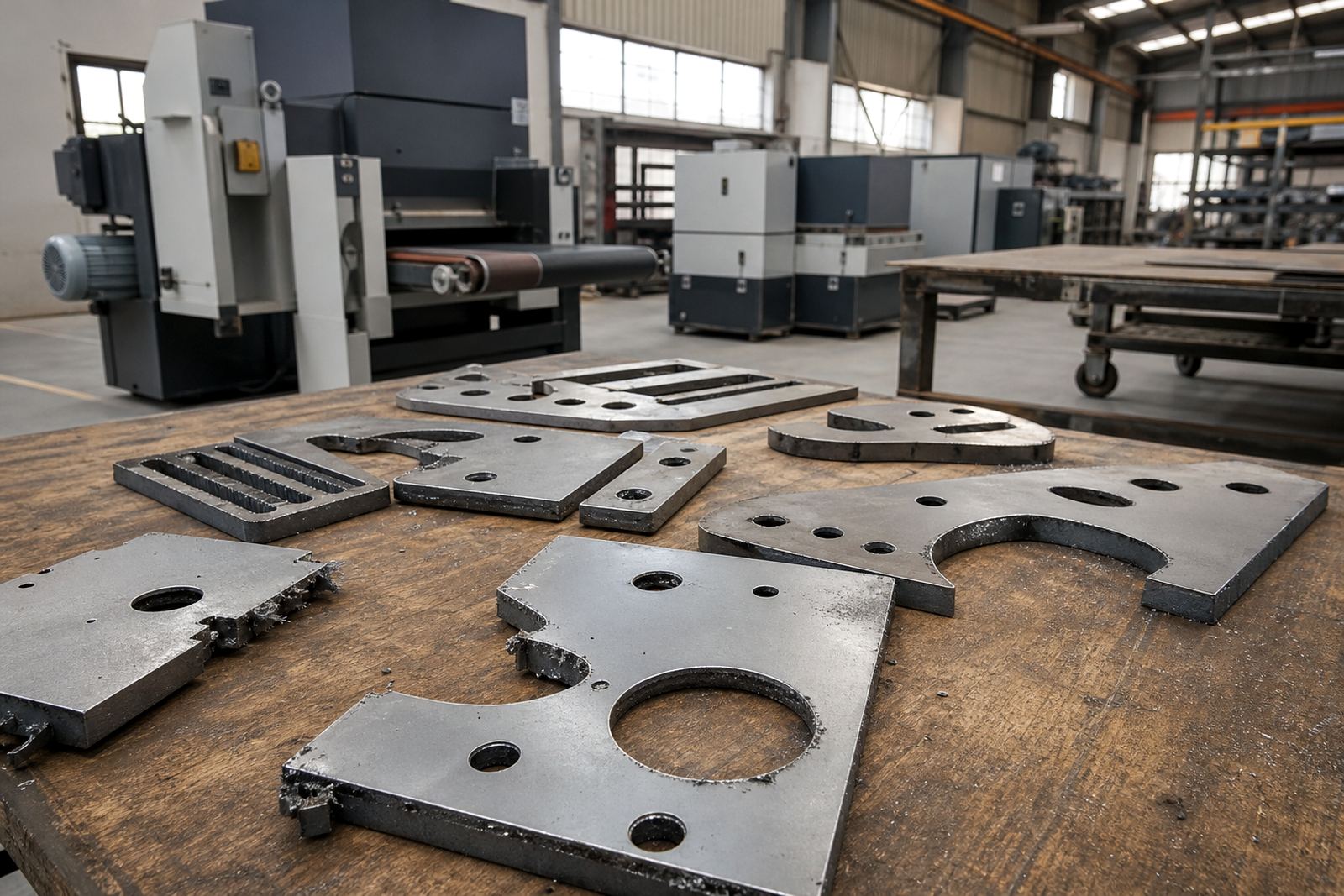
Laser cutting gives speed and accuracy, but it can leave a burr, a heat-affected edge and fine sharp corners that catch on gloves, racks and machine handling. In a fabrication shop, that small edge becomes a bigger issue as soon as parts move from cutting to bending, powder coating, assembly or packing. Workers spend more time handling the part carefully, and that slows the whole line.
In busy production runs, especially where sheets are cut in batches for Johannesburg or Pretoria customers, those sharp edges can also lead to scratches, rework and complaints. A part may measure correctly, yet still feel unfinished to the customer. That is why edge rounding is not just a cosmetic step, it is part of process control.
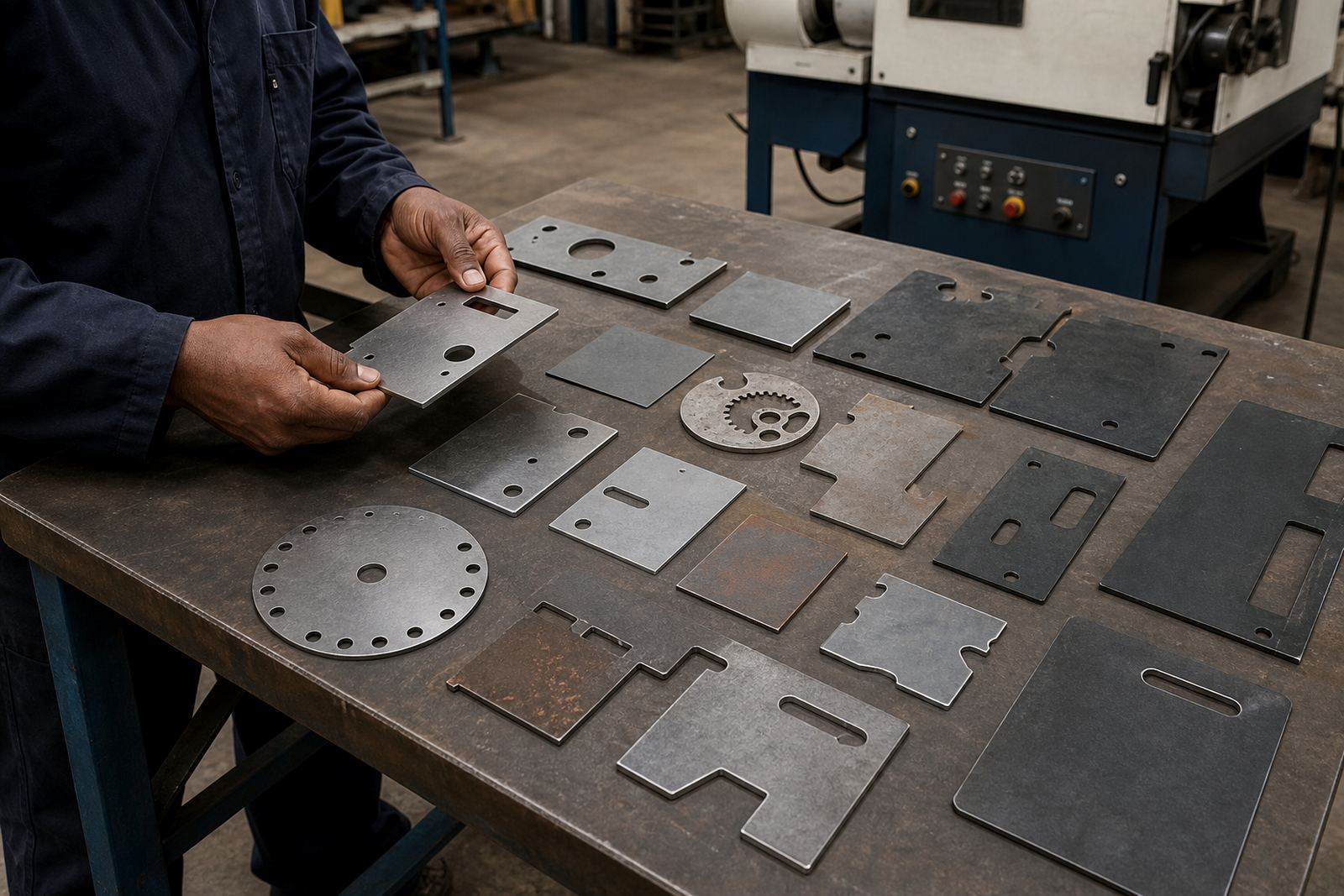
For fabricators working with thin sheet metal or parts that will be touched repeatedly, the difference is easy to notice. Smooth edges stack better, travel better and present better when the goods leave Wadeville for sites across South Africa.
Safety Gains On The Shop Floor
One of the clearest benefits of edge rounding is safer handling. Operators lifting nests, separating parts or feeding components into the next machine are exposed to cuts from sharp profiles and burrs. Over time, those minor injuries add up to lost hours, extra gloves and avoidable downtime.
This matters in plants where the same operator handles different jobs in one shift. If the edge condition is consistent, workers are less likely to rush, fumble or put pressure on the wrong contact point. That helps when production is under pressure and load-shedding already forces careful scheduling around machine time.
- Less risk of cuts during sorting and packing
- Cleaner handling when parts move to bending or assembly
- Fewer damaged gloves and fewer interruptions
- Better stacking on trolleys and pallets
For municipal work, access panels, brackets and covers, safer edges also help on site. Installers in Durban coastal humidity or Cape Town wind can handle parts more confidently during fitment and storage, with less chance of damaged coating or sharp-contact injuries.
Better Paint Adhesion And Coating Life
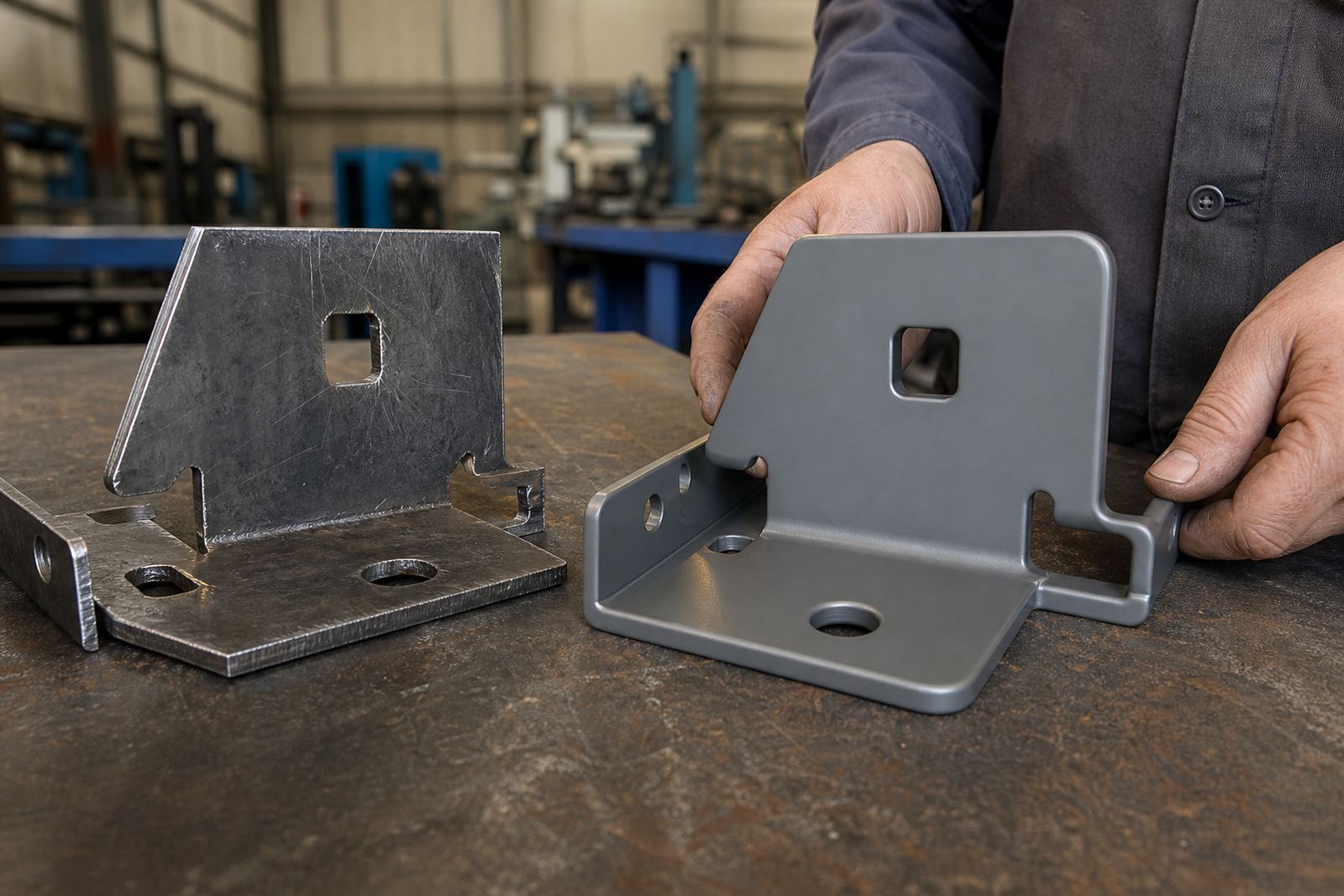
Paint and powder coating perform better on a properly prepared edge. When the edge is left rough, the coating film can bridge uneven points, chip more easily or pull back during curing. Rounded edges help the coating wrap more evenly and stay attached under normal wear.
This is especially important for parts that will be cleaned, touched or exposed to weather. Gates, enclosures, electrical covers and machine guards all benefit from a more consistent edge profile before coating. In coastal areas, where salt in the air speeds up surface breakdown, a cleaner edge can make a real difference to service life.
Good edge rounding also helps with adhesion at welded joints and formed corners, where coating failure often starts. If the part is going to be exported, warehoused for months or installed outdoors, it pays to remove the sharpness before the final finish is applied.
- Improves coating grip on exposed edges
- Reduces chipping during transport and installation
- Helps coating thickness stay more even
- Supports a longer lasting finish in coastal and industrial environments
Why Customers Notice The Finish Straight Away
Customers may not measure edge radius with a gauge, but they notice the feel of a part in seconds. A clean edge gives the impression of care, tighter process control and better workmanship. That matters whether the part goes into mining, fabrication, construction or light industrial assembly.
When parts from Rustenburg are compared with other suppliers, or when a Pretoria buyer is choosing between two similar quotes, the finish can influence the decision. A neat edge suggests less risk of rework and a lower chance of problems at assembly. It tells the buyer that the maker understands the full job, not only the cut line.
This is also useful where parts are visible in the final product. Machine covers, display frames, brackets and access panels all benefit from a smoother edge because the end user sees and touches them. The finish becomes part of the product's reputation.
A Practical Route For South African Fabricators
The best results come from matching the rounding method to the material, thickness and production rate. A light burr on mild steel may only need one pass, while stainless or mixed-job batches may need a more controlled setup. If the machine is not set correctly, the shop can waste abrasive, over-process the part or still leave uneven edges.
At Deburring in Wadeville, Germiston, many enquiries come from fabricators who want consistent edge finishing without slowing the line. The usual focus is simple: get the edge right before coating or assembly, keep the abrasive wear under control, and make sure operators know what a good finished part should look like. That approach suits both high-volume runs and mixed work for clients across Johannesburg, Cape Town, Durban and beyond.
When a shop is planning a new line or improving an existing one, a sample part test is often the quickest way to judge results. It shows how the edge behaves after one pass, how much material is removed and whether the finish is good enough for paint or handling. From there, the team can plan machine installation, operator training, preventive maintenance and spares supply around real production needs.
When Edge Rounding Should Be Built Into Production
Edge rounding should not be treated as an optional extra only for premium jobs. It makes sense wherever the part will be handled often, painted, assembled tightly or seen by the end user. In many shops, the cost of skipping it shows up later as warranty claims, awkward fitting and poor presentation.
For local manufacturers in Germiston and the East Rand, the decision often comes down to throughput. If a machine can finish parts in line, rather than sending them out for manual clean-up, the whole workflow becomes easier to control. That supports better planning, less scrap and fewer bottlenecks when production is under pressure.
Edge finishing is one of those steps that pays back quietly. It reduces risk, improves finish quality and helps the part leave the shop looking like it was made with care. In a competitive market, that matters.