Start with the real pain points on your shop floor
Before you put a Rand figure to any machine, look at where the waste is happening. On laser-cut sheet metal, the common losses are easy to miss because they are spread across the day: two minutes here to remove burrs by hand, five minutes there to dress sharp edges, then another pass because a part is not clean enough for the next process.
If your team is still using files, grinders or hand-held finishing tools on batches of cut parts, the hidden cost is usually bigger than the labour line on the job card. There is also the risk of inconsistent finish, cut hands, damaged coatings and parts that are rejected by downstream customers. In Wadeville, Germiston and other industrial areas, many fabricators find that payback starts when they stop treating edge finishing as a side task and count it as proper production time.
- Track how many minutes each batch spends on manual deburring
- Record rework, scrap and customer returns linked to poor edge quality
- Note any bottlenecks where parts queue before coating, welding or assembly
Convert time savings into monthly Rand value
The simplest way to estimate payback is to work backwards from time saved per part. If a machine cuts finishing time from 3 minutes to 45 seconds on a batch of 600 parts a week, that is a meaningful labour saving even before you count improved consistency. Use your actual wage rates, shift patterns and overtime costs, not a rough guess.
Also factor in how many operators are needed now and whether the machine lets one person handle a higher volume. In many shops, the payback case improves because a machine does the repetitive work at the same quality every time, while skilled staff move to more valuable tasks. That is especially useful when labour is tight or when load-shedding interrupts the day and you need to recover output quickly once power returns.
- Weekly saving in minutes x labour cost per hour = direct labour value
- Add overtime avoided, reduced rework and fewer rejected parts
- Include improved throughput if the machine clears a bottleneck
Do not ignore the cost of poor edge quality
Many buyers focus only on what a deburring machine can save, but the bigger number may be what poor finishing costs you. Sharp edges can slow assembly, damage gloves, create a poor fit at bend lines and cause problems during powder coating or galvanising. On stainless or aluminium work, even small burrs can show up as visible defects after finishing.
For fabricators supplying Johannesburg, Pretoria, Durban, Cape Town and Rustenburg, consistency matters because customers often expect the same part quality across repeated orders. A machine that reduces variation can protect margins in ways that are hard to see on a single job. That includes fewer call-backs, fewer credits and less time spent explaining why one batch looks different from the last.
- Count the cost of rejected parts, returns and customer complaints
- Measure the time spent on finishing before coating or assembly
- Include the cost of reworking parts that were almost right but not good enough
Match the machine to your mix of parts
Not every payback calculation should assume the same output. A high-volume laser cutting shop in Germiston will have different needs from a jobbing fabricator in Cape Town handling short runs and mixed thicknesses. If your parts vary from thin sheet to heavier plate, and from small brackets to larger panels, the machine needs to suit that spread or the saving will be smaller than expected.
Ask what happens on your worst-case jobs, not only your easiest ones. Will the machine still handle the sizes, burr types and edge conditions you produce every week? Can it support both stainless and mild steel work? Is the abrasive setup simple enough for operators to change over without losing time? These details affect payback more than glossy brochures do.
- Part size range, thickness range and material types
- Expected output per shift and changeover time
- Floor space, dust extraction and power availability
A Wadeville example: a practical payback check
Take a fabricator in Wadeville processing laser-cut parts for enclosures and brackets. The shop runs one day shift and a smaller overtime window on busy weeks. Manual finishing takes about 90 seconds per part on average, with a second operator pulled in during peaks. The same parts also need occasional touch-up because burrs show through after coating.
If a deburring and edge-finishing machine reduces that task to 25 seconds per part and removes most of the rework, the weekly gain can be measured in hours, not minutes. Add the fact that one operator can stay with the machine while the other moves to assembly, and the result becomes clearer. The payback period may still vary, but the machine starts paying back as soon as it frees capacity that would otherwise be lost to repetitive hand finishing.
For a shop like this, the useful question is not only 'What is the machine price?' It is 'How many months until the labour saving, scrap reduction and higher output cover the cost?' That is the way most South African manufacturers should judge it.
- Baseline manual finishing time per part
- Finished parts per week by material and thickness
- Monthly savings from labour, rework and better throughput
Build in support, maintenance and uptime
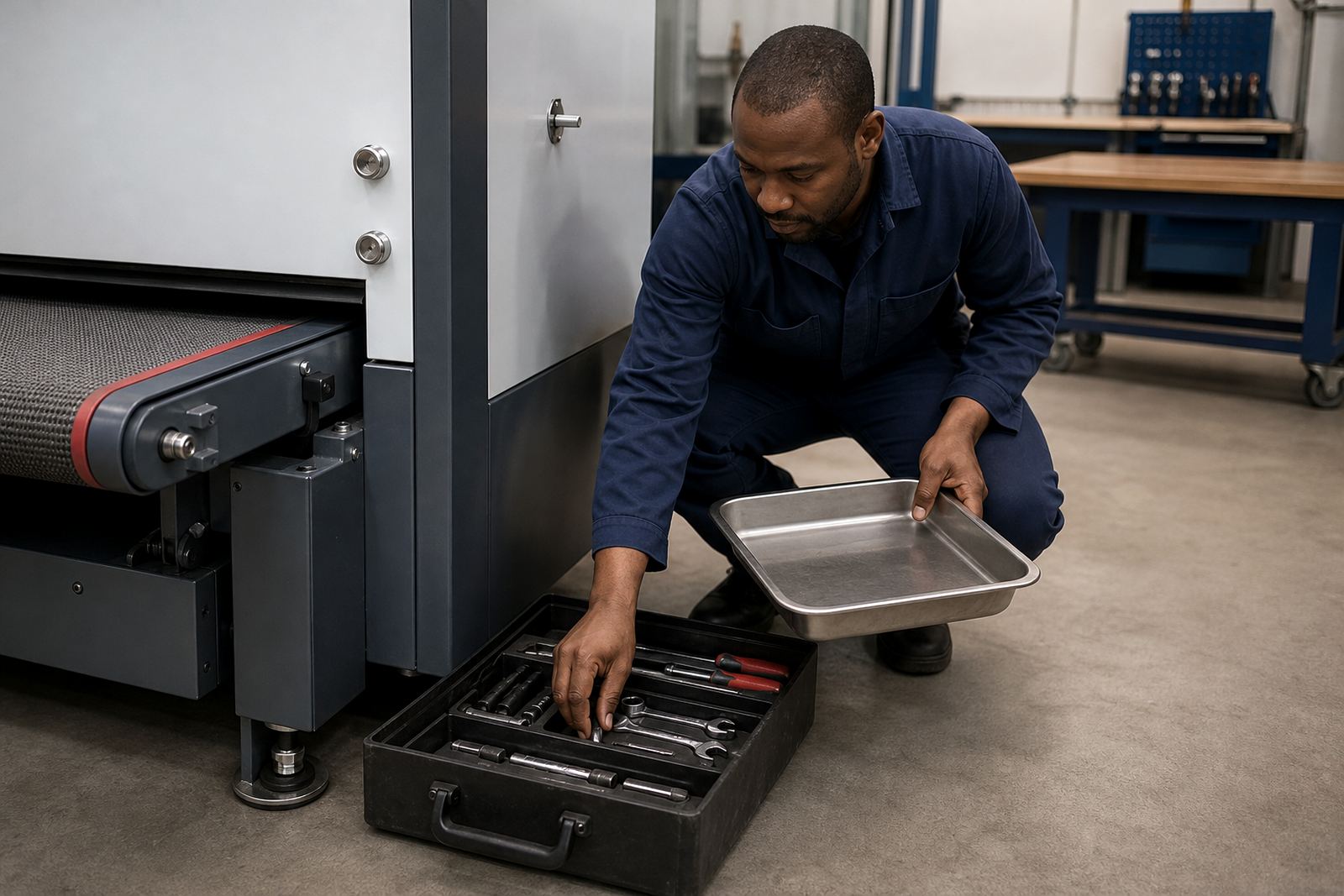
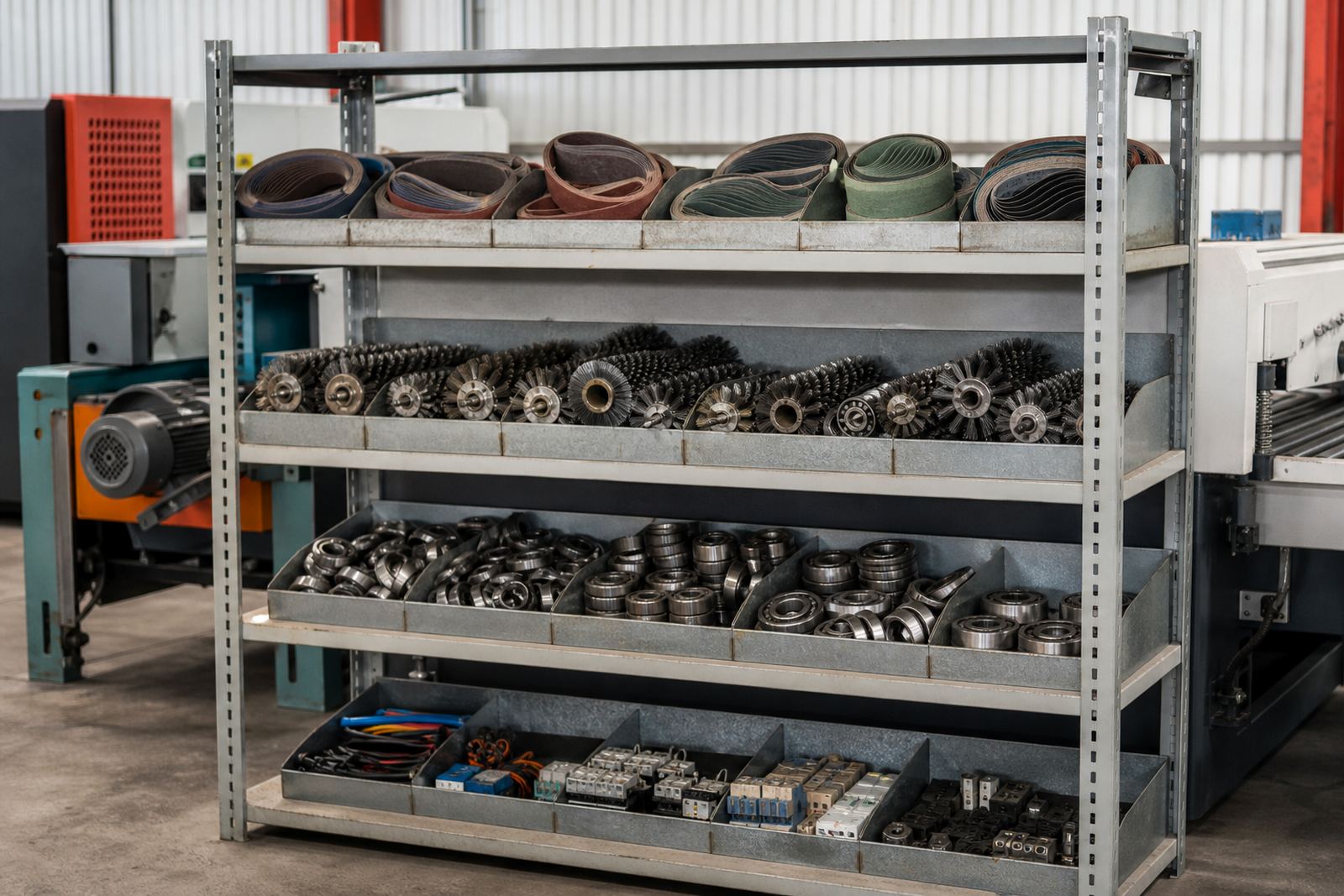
Payback is not just about day one performance. A machine only earns back its cost if it stays productive over time. That is why preventive maintenance, operator training and spares supply should be part of the calculation from the start. If a machine sits idle for a week waiting on a replacement component, the payback maths changes fast.
In humid coastal areas such as Durban and in busy inland plants where dust and heat are constant, maintenance discipline matters. So does having a clear plan for setup, operator training and annual servicing. Many fabricators also ask for sample part testing before committing, which helps confirm whether the finish will meet their requirements before the purchase is approved.
- Allow for service intervals and wear parts in the cost model
- Include operator training so the machine is used correctly from day one
- Plan for breakdown support, relocation support and annual service contracts
Use a simple payback model, then test it against reality
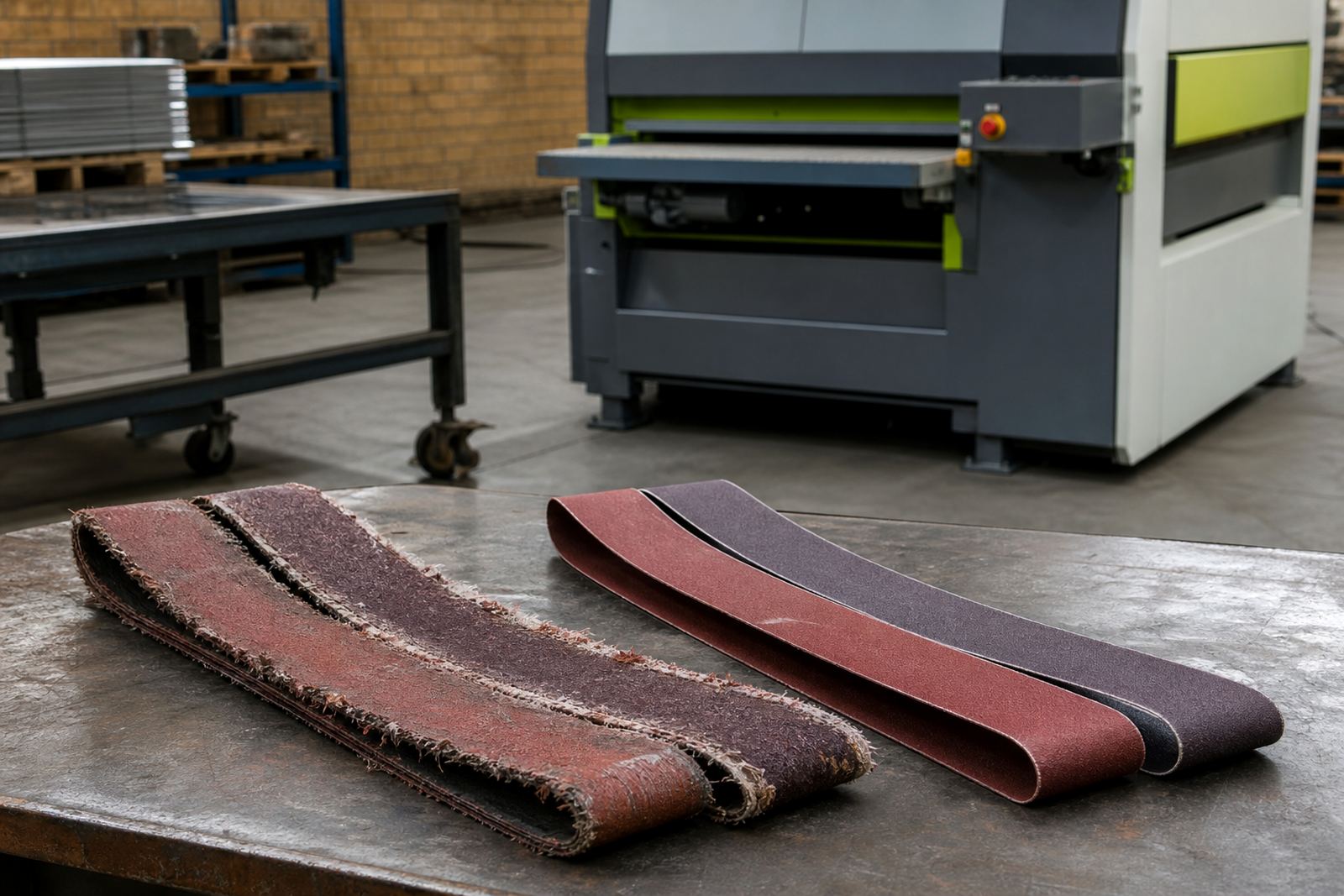
A good payback estimate does not need a complicated spreadsheet. Start with the purchase cost, then set out the monthly savings from labour, reduced rework, better throughput and fewer rejected parts. Subtract running costs such as abrasives and maintenance. If the result is strong, test it against the real way your factory works during load-shedding, peak demand and quieter months.
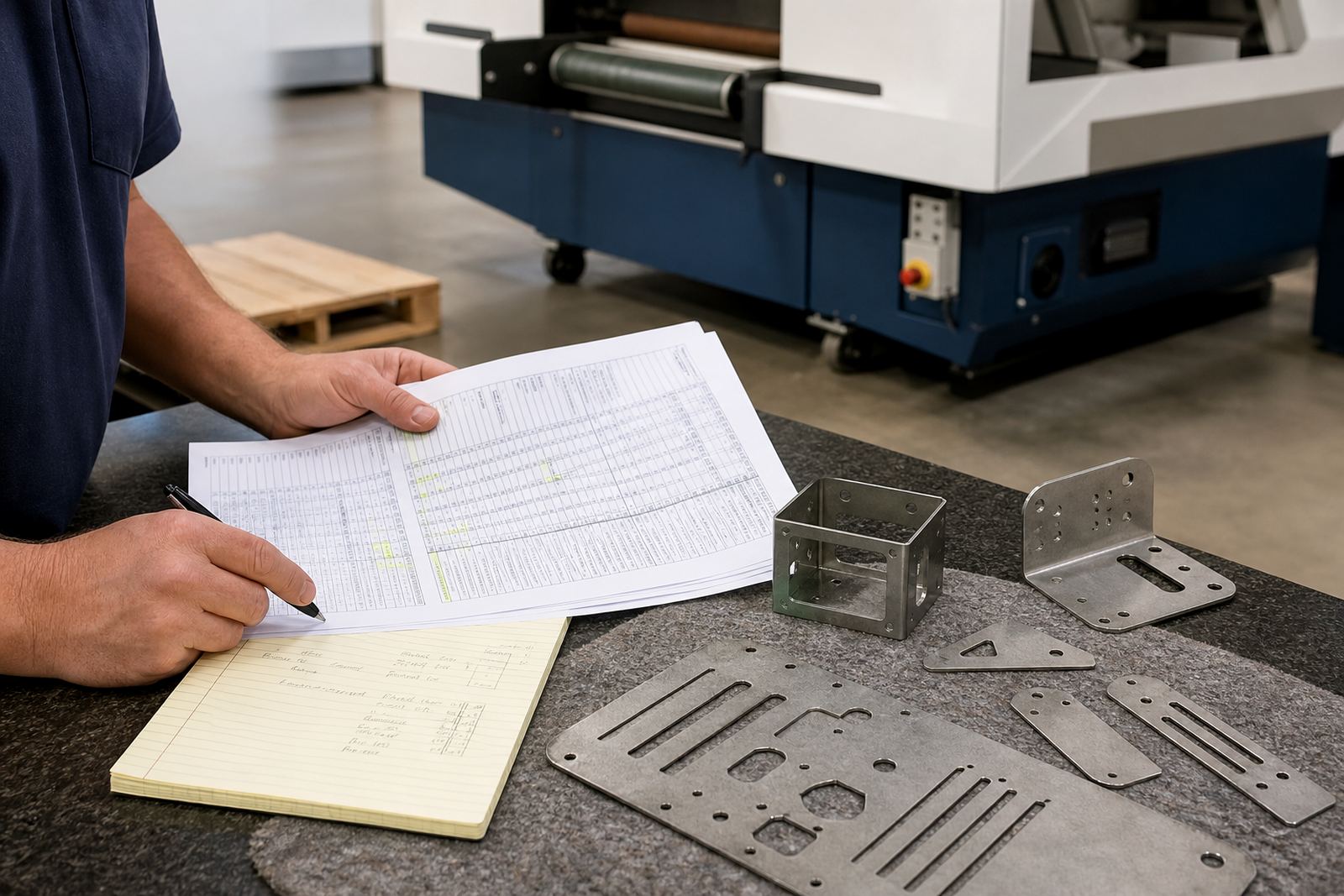
The best decisions come from practical checks, not assumptions. A sample part test, a machine audit and a short production planning review can show whether the equipment will suit your mix of work. That is the difference between buying a machine that looks useful and buying one that measurably improves the bottom line.
If you are estimating payback for your shop, start with the parts you cut most often and the finishing work that slows you down today. The numbers will usually speak for themselves, once they are based on your own output.