
Start with the parts that stop production first
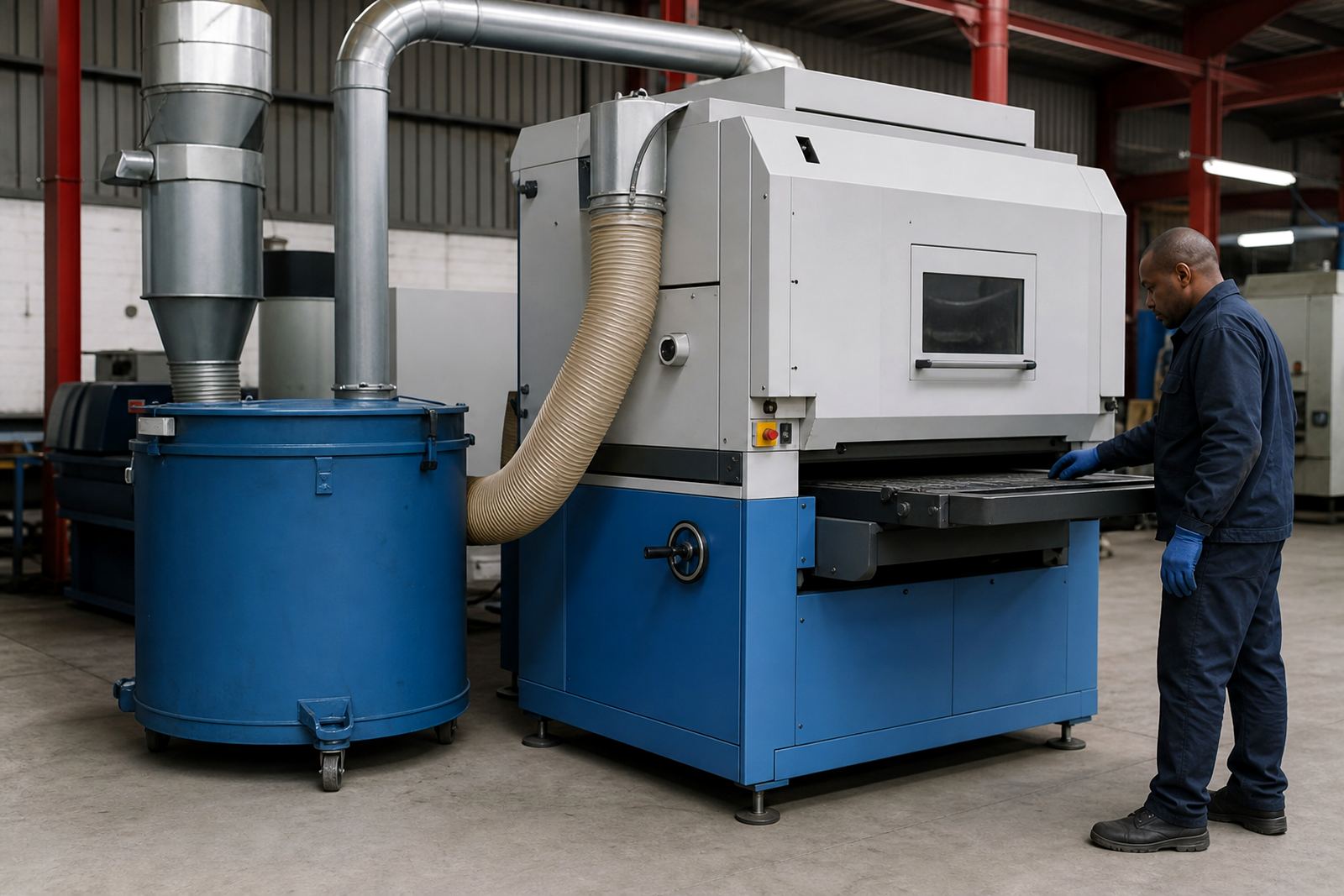
If a deburring or edge-finishing machine is standing still, the cost is not only the repair. It is the laser-cut parts waiting in trays, operators idle at the machine, and follow-on work pushed into the next shift. That is why spare planning should begin with the items that can stop the line immediately, not only the expensive components.
In most South African fabrication shops, the best spares to keep are the ones with steady wear rates and short lead times are often worse than the parts themselves. A simple shelf of critical consumables can save a day of waiting when a local courier is delayed, a supplier is out of stock, or a public holiday has stretched delivery times.
Think in terms of uptime. If a part is used every day, sits in dust and metal fines, or gets exposed to vibration and constant adjustment, it belongs on your stock list. That applies whether you are running a small jobbing shop in Wadeville or a busy production floor in Johannesburg or Durban.
Wear items that are worth keeping on the shelf
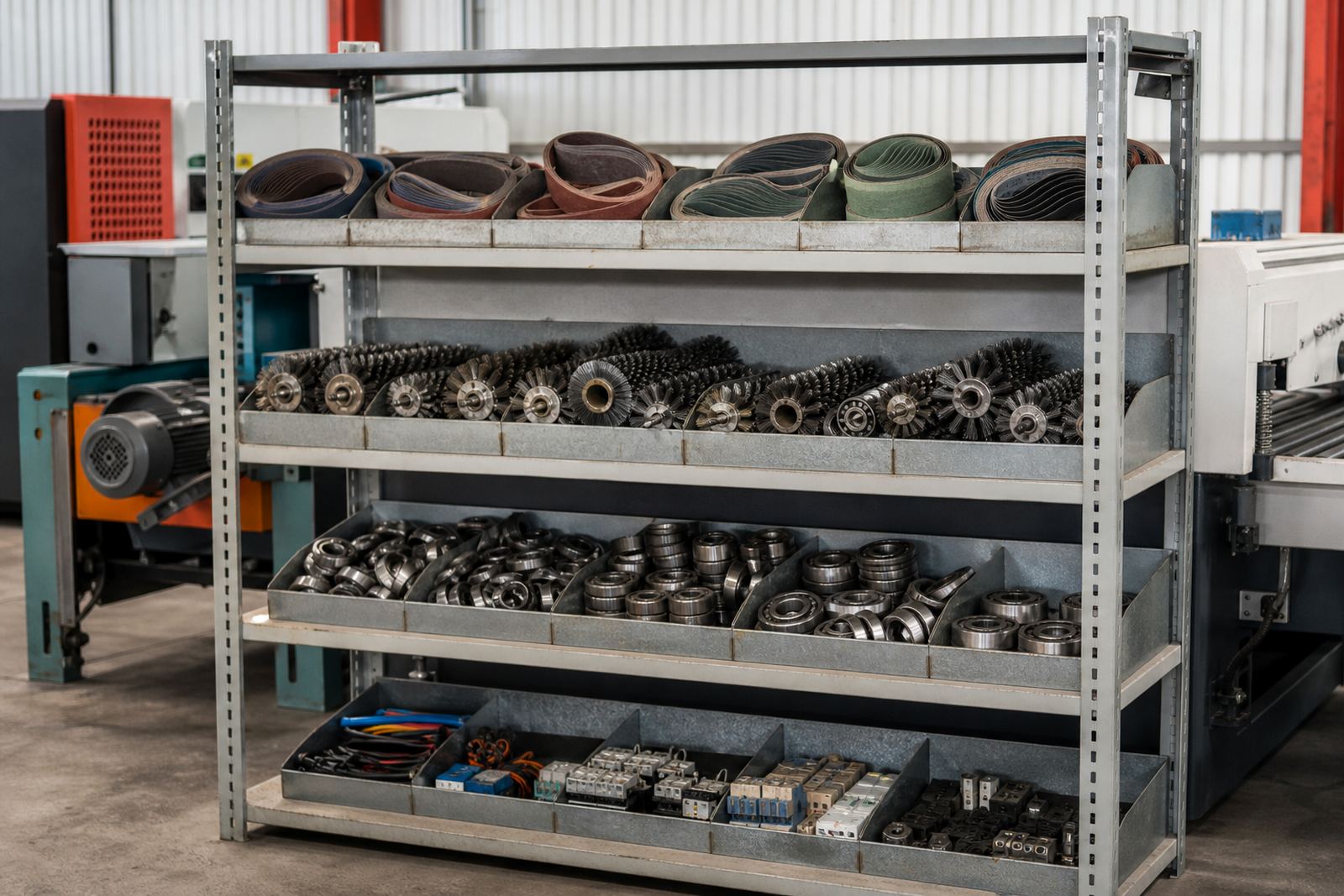
The first group to stock is the routine wear set. These are the parts most likely to be replaced during scheduled maintenance, and they usually give the best return when kept in house.
- Abrasive belts or brushes matched to your finishing process
- Contact rollers and support rollers that carry sheet edges
- Pressure pads, springs, and guide inserts
- Seals and dust-control consumables
- Drive belts and chain components where used
- Common fasteners, washers, and locking hardware
These items may look minor, but they often decide whether the machine finishes a shift cleanly or starts marking parts. In coastal areas like Cape Town and Durban, humid air can also shorten the life of certain consumables if they are not stored properly. Keep them sealed, off the floor, and away from grinding dust.
Keep one spare for the parts that fail without warning
Some parts do not wear gradually. They just fail. When that happens, waiting for a replacement can hold up an entire production plan, especially if the machine was booked for a batch of urgent parts. This is where a small buffer stock makes sense.
The exact list depends on the machine setup, but common candidates include sensors, limit switches, small control components, and motor or drive items that are specific to the machine. If a part has no local substitute and must be imported, it is usually worth keeping at least one spare on site. The same goes for any item that is difficult to fit after hours when the workshop is already busy and the team is short of time.
For shops that rely on one finishing line, a single failed sensor can mean a half-day lost. For bigger plants around Pretoria or Rustenburg, the impact can spread through dispatch and loading schedules too. It is a small item until it is not.
Build a stock list from actual usage, not guesswork
The best spares list comes from records. Look back over six to twelve months and note which items were replaced, how often, and what happened before they failed. That gives you a practical stock plan instead of a shelf full of parts that never move.
Use three questions for each item:
- How often does it wear out in normal production?
- How long would the machine be down if this item failed?
- How long would it take to get a replacement to your site?
Once those answers are clear, group your spares into daily-use consumables, planned-maintenance items, and emergency items. A shop in Germiston may want a smaller emergency reserve if it gets regular local support, while a plant in Cape Town or Durban may keep a wider buffer because freight and service scheduling can take longer.
Don’t forget storage, labelling and shelf life
A spare part that cannot be found quickly is almost as useless as not having it. Good storage matters. Label each item clearly with part description, machine location, and the date it was received. Keep related items together, so an operator or technician can pull a complete service kit without hunting through boxes.
Also check shelf life. Some consumables age even when they are not being used, especially in hot stores or areas with damp air. Rubber items can harden, adhesives can degrade, and packing can absorb moisture. In load-shedding conditions, it helps to store sensitive items in a clean, stable area rather than near doors that are opened and closed all day. A neat spare room saves time when the power comes back and the shift needs to catch up.
A local example from a busy East Rand floor
A fabricator in Wadeville was losing time because their finishing machine would stop while the team waited for a worn contact roller and a set of abrasive consumables. The problem was not the repair itself. It was the delay in getting the right parts after stock ran out. After a review of usage, they kept a small holding of the most common wear items on site and set a monthly check against actual production.
The result was simple: fewer emergency calls, less panic ordering, and cleaner planning for maintenance days. The workshop manager could book changeovers before the end of a shift instead of trying to fix a problem after it had already affected dispatch. That sort of planning is especially useful when municipal power interruptions or weekend backlogs put extra pressure on the production schedule.
It is not about filling shelves with every possible part. It is about keeping the few items that protect output when the machine needs them most.
A practical spare holding plan for South African fabricators
If you are setting up your first stock list, start small and adjust as you learn. A sensible plan is to keep one or two sets of the highest-use consumables, one spare for the most critical failure-prone item, and a basic maintenance kit for routine servicing. Then review it every quarter.
That review should include actual usage, any breakdown repairs, and whether your team lost time waiting for parts. If a part has been used twice in three months, move it into regular stock. If it has sat untouched for a year, reduce the holding level. The aim is not to overbuy, it is to keep the machine working and the cash tied up in stock under control.
For fabricators serving Johannesburg, Pretoria, Durban, Cape Town and Rustenburg, the right spares strategy can be the difference between a steady week and a backlog. A short list of the right items is better than a warehouse full of the wrong ones.