Why sharp edges become a daily risk on the shop floor
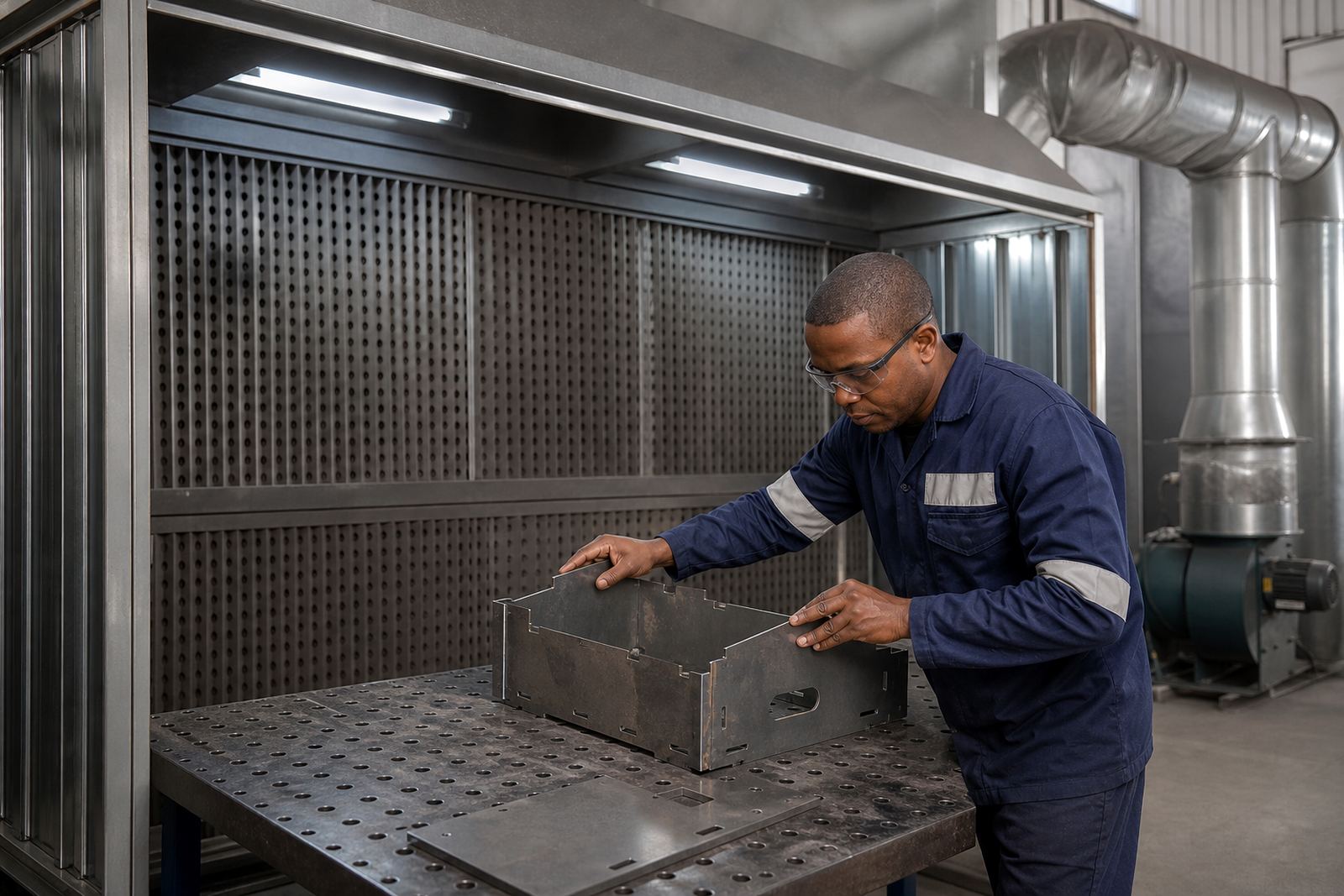
Anyone working with laser-cut sheet metal knows the problem. Parts come off the machine with a clean profile, but the edge can still be razor sharp, especially on thinner gauge material and tight internal cut-outs. When packs are moved by hand, stacked for kitting, or passed between cutting, folding and assembly, those edges are often the first point of contact.
In a high-volume workshop, injuries do not always look dramatic. A small cut on a finger can slow a setter for the rest of the shift, and a damaged glove can let a second cut happen a few minutes later. It only takes one awkward lift, one slip while separating parts, or one hurried clean-up before break time. Across Germiston, Wadeville and other industrial areas, this is a familiar pattern in plants running tight deadlines and rotating shifts.
Edge rounding is not only about comfort. It reduces the chance of nicks, torn gloves, scratched panels and parts catching on each other during transport. That matters when sheets are being moved between laser cutting, finishing, packing and dispatch. It also helps with quality because a smoother edge is easier to inspect and handle without leaving marks on visible faces.
How deburring changes handling from risky to repeatable
Deburring and edge-finishing machines remove burrs and soften sharp corners in a controlled way. The result is a consistent edge that is safer to grasp and easier to work with. Instead of depending on hand filing or an operator giving each part a quick once-over, the machine applies the same finish across batches, which is important when the workmix changes from small brackets to larger panels.
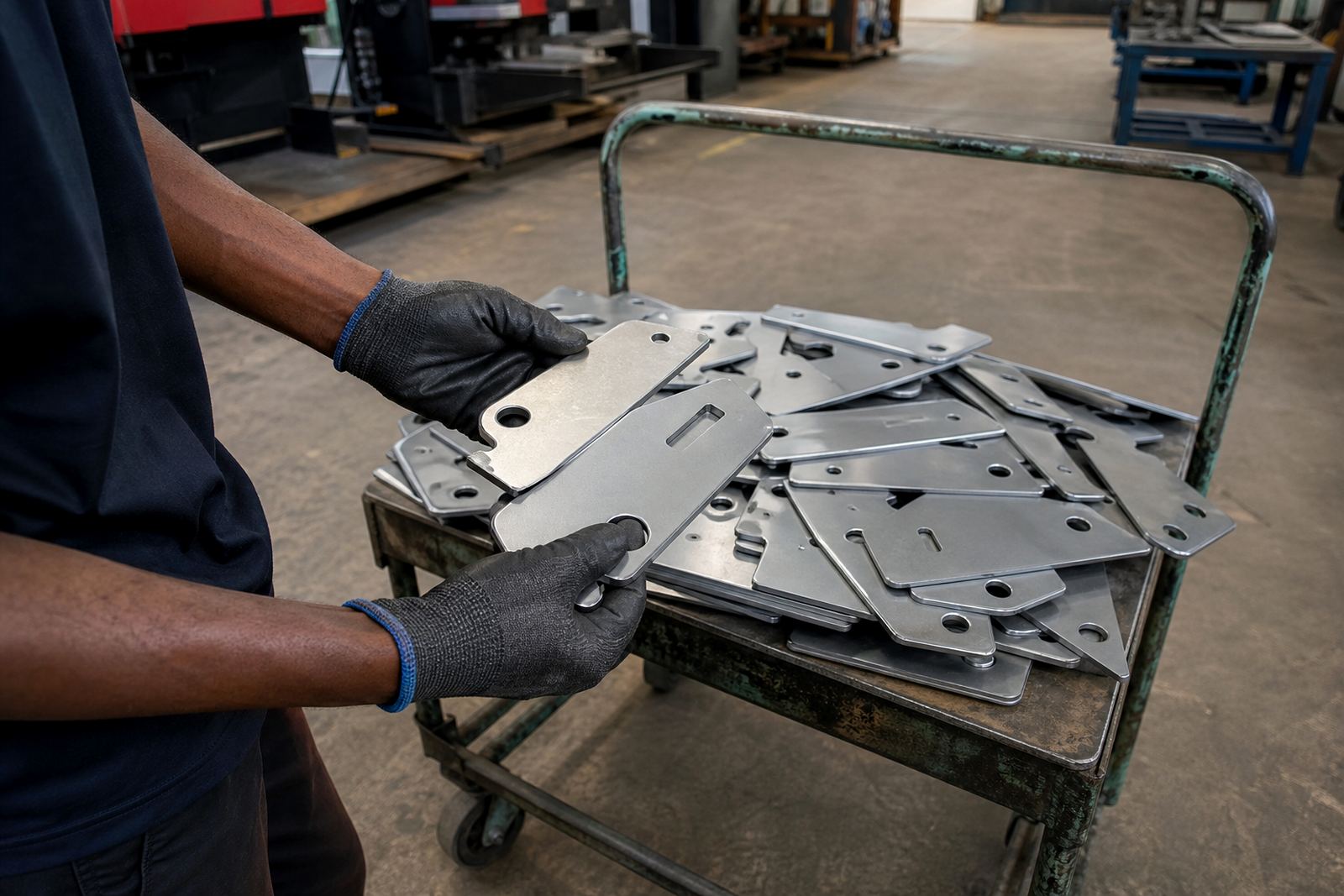
For fabricators, the handling benefit is practical. Parts stack neater, slide with less snagging, and are less likely to cut packaging or injure hands during sorting. On busy production lines, that consistency saves time. It also helps when teams are working under pressure from load-shedding, because every minute spent fixing a rough edge by hand adds to the delay.
Edge finishing can also support downstream work. Parts that have been rounded properly are easier to label, count and pack. They are less likely to scratch one another in bins, which means fewer rejects and less touch-up before delivery. In short, safer handling often starts with less aggression at the edge.
- Less risk of hand cuts during lifting, sorting and packing
- Better grip on parts with less chance of slipping
- Reduced damage to gloves, cartons and protective packaging
- Cleaner stacking and smoother transfer between processes
Where handling injuries usually happen in a fabrication workflow
Most shops do not see edge-related injuries at one single station. They happen at the points where people move parts quickly. That might be beside the laser table, at inspection, in the staging area before folding, or during final packing for transport. The risk is higher when teams are handling mixed jobs, because operators are less likely to know which parts still have sharp edges.
There is also a risk when parts are nested closely after cutting. If the burr is on the underside or hidden in a cut-out, a worker may only feel it when separating the stack. In some cases the first person to touch the job is not the person who cut it, which means the hazard gets passed along the line. That is why a clear edge-finish process matters more than a quick tidy-up at the end.
- Laser output tables where parts are lifted straight off the bed
- Sorting benches where mixed sizes are separated by hand
- Pre-assembly areas where fitters hold parts close to body height
- Packing stations where cartons, straps and wrap can catch on burrs
A local example from a busy Germiston operation
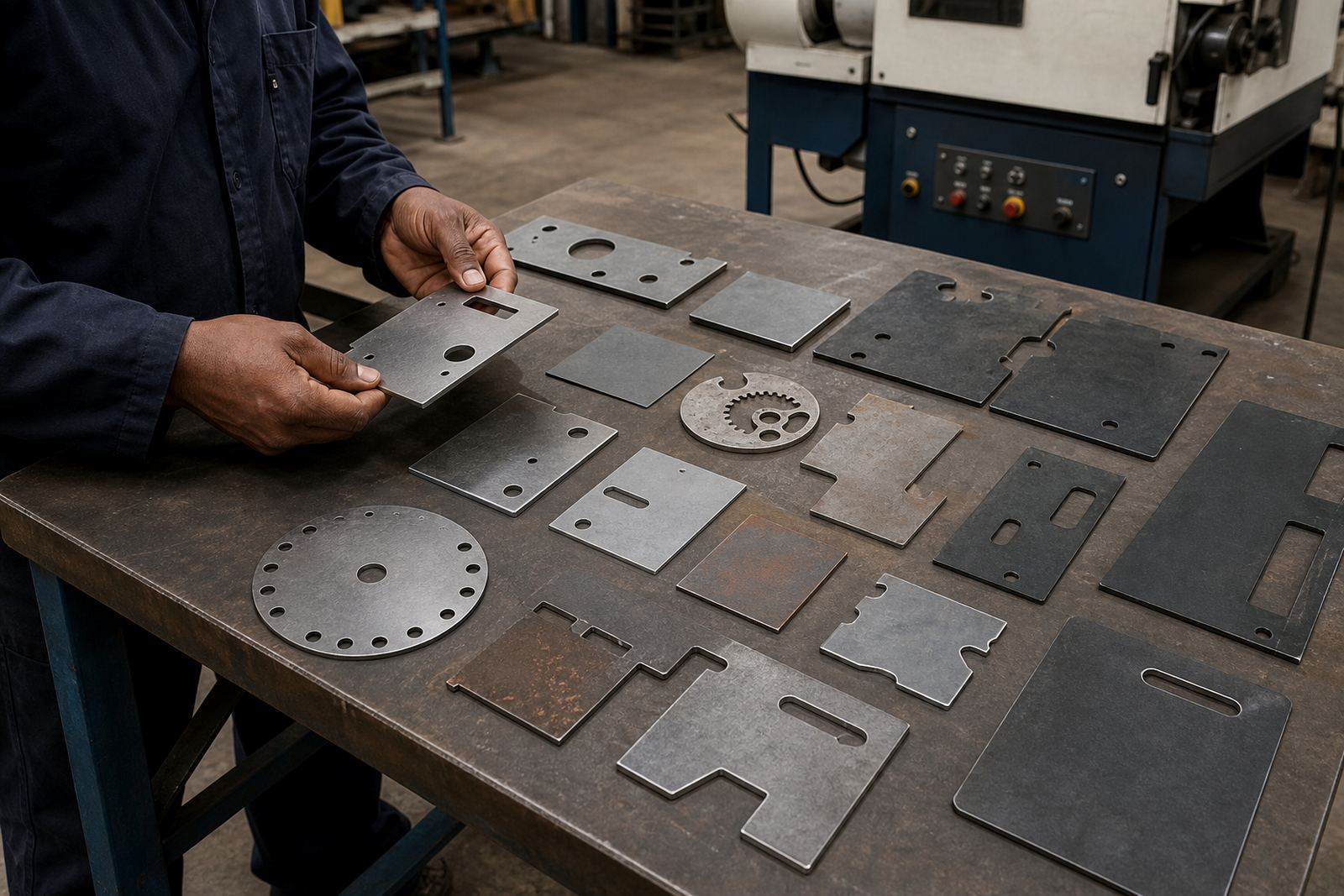
A sheet metal fabricator in the East Rand, supplying small batches to Gauteng customers, was losing time on hand finishing and replacing damaged gloves. The team had several part types leaving the laser every shift, from flat plates to pierced brackets. The cuts were accurate, but the edges were still causing snagging during sorting and a few minor hand injuries had started to affect morale.
After introducing a dedicated deburring step, the workshop saw quicker handling and fewer complaints from the packing team. Parts could be moved more confidently, and the finish looked more consistent for customers in Johannesburg and Pretoria. The biggest change was not only the appearance of the parts but the way the workflow settled down. Less stopping, less rework, and fewer small interruptions that usually go unnoticed until the end of the week.
For coastal jobs heading to Durban or Cape Town, the same smooth edge also helps with packing because surfaces are less likely to rub through protective wrapping during transit. That matters when humidity and long transport times are part of the picture, and when customers expect the job to arrive ready for the next process.
What to check before putting edge-finishing into production
Before adding a deburring process, it helps to look at where your injury risk and bottlenecks actually sit. Some shops only need edge rounding on specific part families, while others need a full-line process because every job leaves the laser with sharp edges. The right answer depends on material type, thickness, part volume and how often people handle the parts by hand.
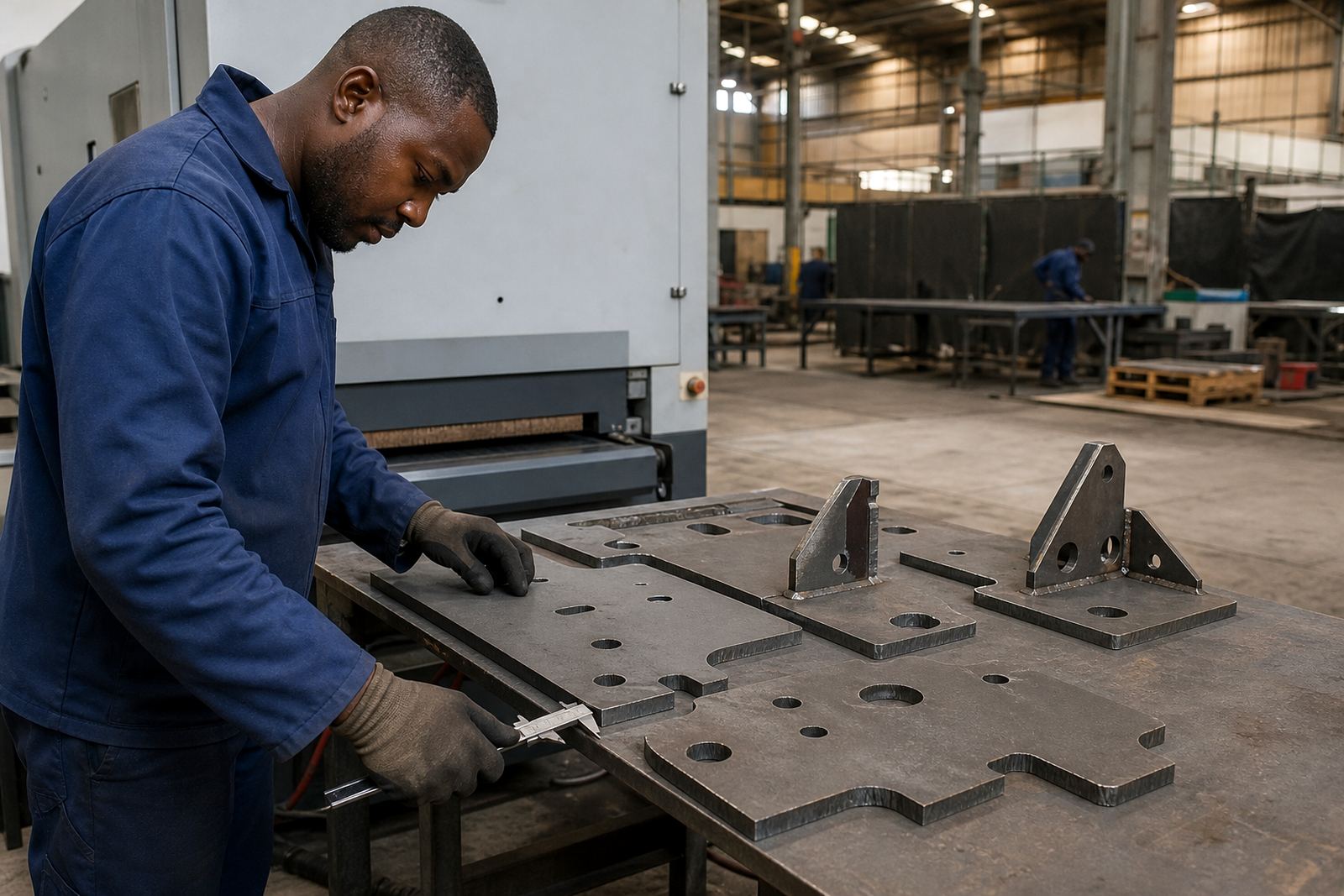
A proper review should cover safety, throughput and the condition of the finished edge. If the finish is too aggressive, you can affect dimensions or surface quality. If it is too light, the hand risk stays in place. That balance is where machine setup, abrasive selection and operator training all matter. A short sample test on real parts usually shows the best setting quicker than guessing on live production.
- Part thicknesses and how often they change across the week
- How many times each part is handled before dispatch
- Whether parts are visible, painted or assembled after finishing
- Current injury reports, glove damage and packaging complaints
- Any production delays caused by manual edge clean-up
Safer handling is part of a stronger production line
Safer parts handling is not a separate issue from productivity. It is part of the same operation. If workers can move parts without fighting sharp edges, the job flows better and the workshop spends less time dealing with avoidable stops. That is true in Johannesburg job shops, Pretoria production floors, Rustenburg supply yards and coastal plants dealing with humidity and transport wear.
Edge rounding gives fabricators a practical way to protect staff while keeping output steady. It supports cleaner packing, fewer minor injuries and a more disciplined process from laser cutting through to dispatch. For many shops, that is where the value sits, not in theory but in fewer cuts, fewer delays and better control over every part that leaves the floor.
When the edge is handled properly, the whole job becomes easier to manage. And in a shop where every shift counts, that is not a small thing.