Sharp edges cost more than they first appear
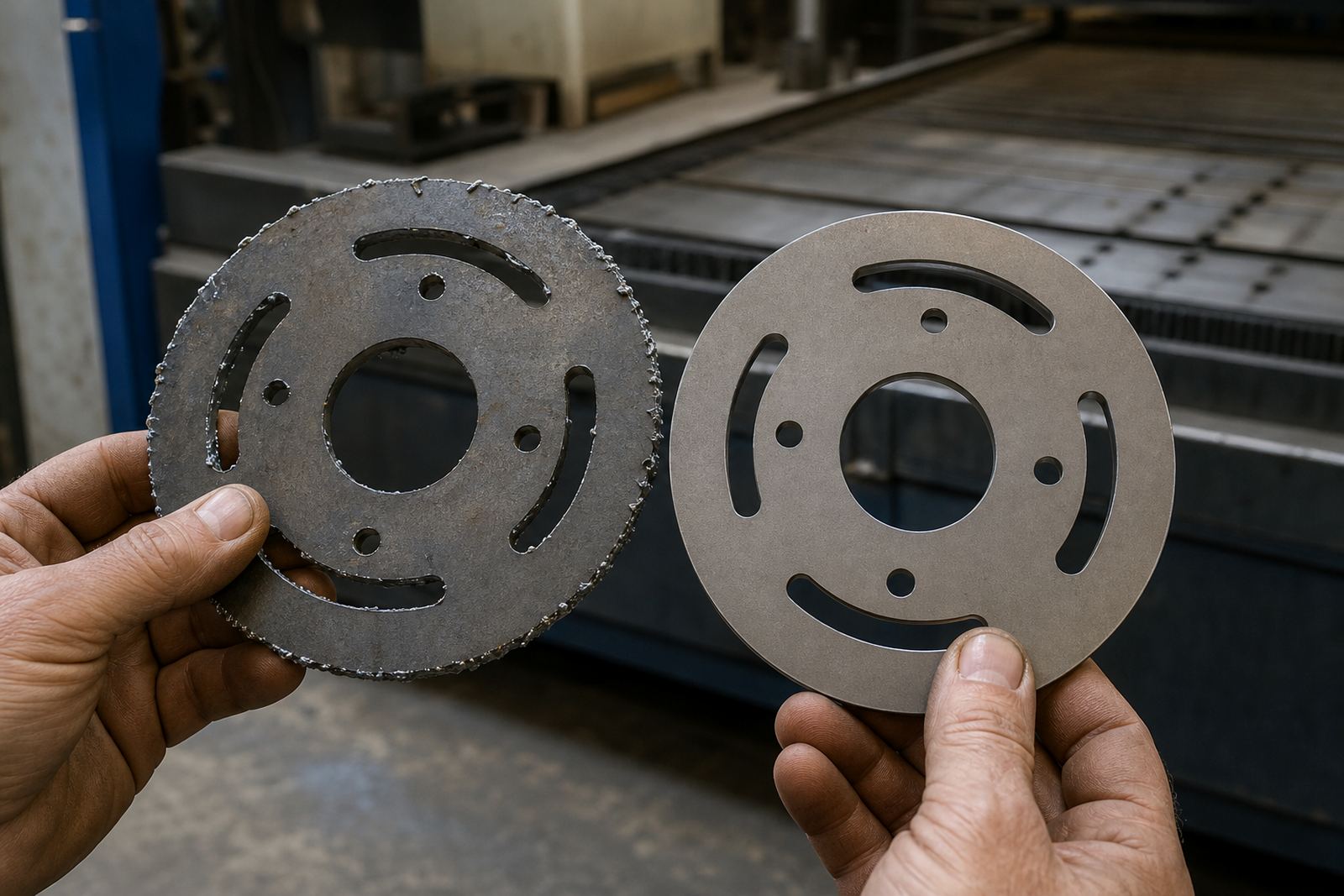
In a busy fabrication shop, a burr is easy to ignore because the part has already been cut and the job is moving. But those small raised edges can slow everything down. Operators spend extra time handling parts carefully, welders and fitters battle poor contact points, and finished components often need a second pass before they are ready for assembly or dispatch.
That extra handling has a direct cost. It can lead to glove damage, minor cuts, uneven stacking and even coating problems later on. If a batch leaves the laser table with rough edges, the next station ends up doing the sorting. Over a week or a month, that becomes lost production time that most workshops can ill afford, especially when power interruptions and tight delivery windows already put pressure on output.
Why safer handling starts at the edge
Safety is often the first reason fabricators look at deburring, and for good reason. Sheet metal edges that are left sharp create a risk for operators during picking, moving, debagging and assembly. A clean edge reduces the chance of cuts and makes parts easier to handle with confidence. That matters in both small workshops and larger plants where many hands touch the same part before it is finished.
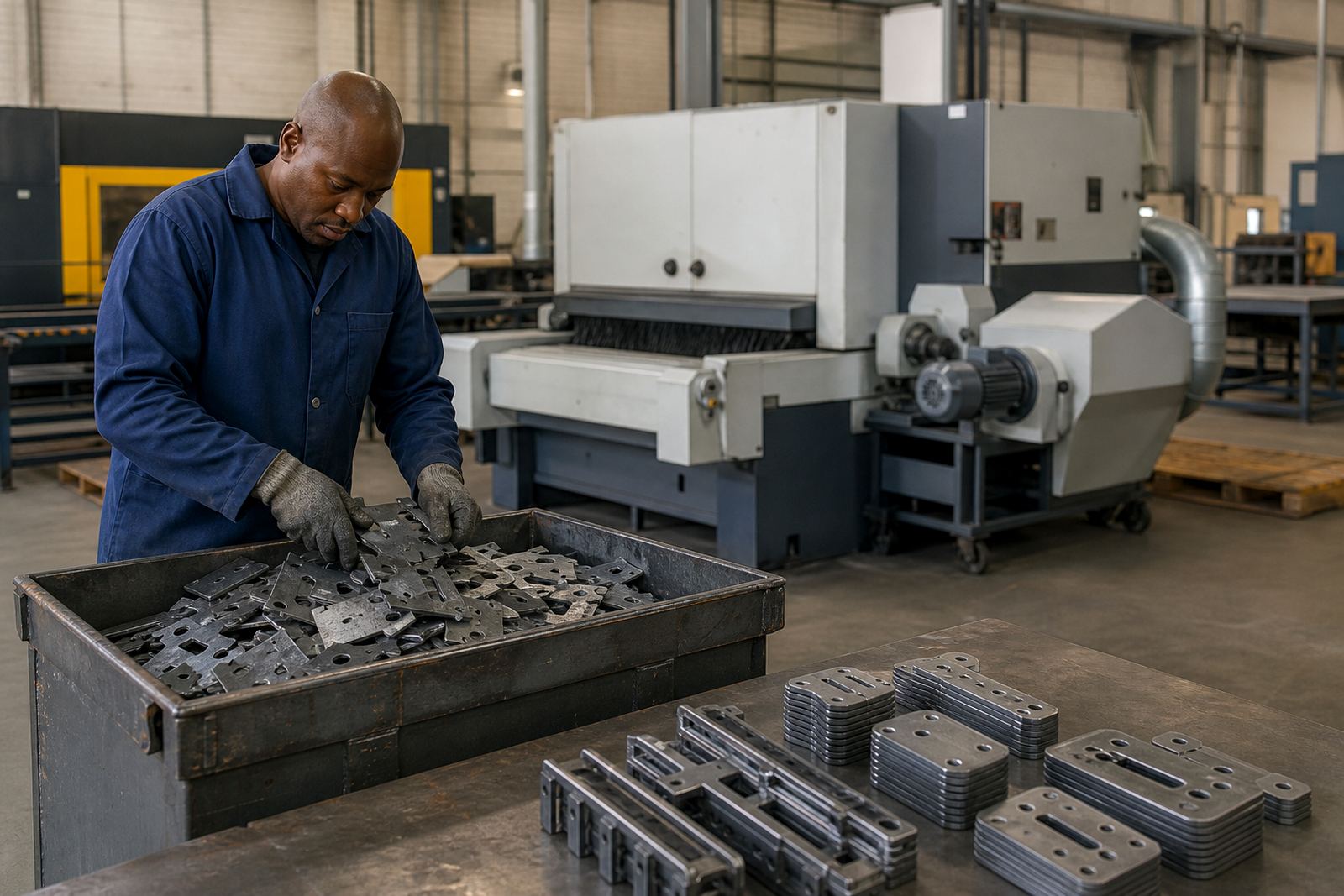
There is also a practical difference in how material behaves once the edge has been finished. Parts sit better in bins, cutouts do not snag on one another as easily and stacked sheets are less likely to scratch each other during internal transport. In a coastal area like Durban, where humidity can be high, cleaner edges also help when parts are waiting for the next process and need to be kept tidy before coating or packing.
- Less risk of hand injuries during handling and assembly
- Better stacking and transport inside the factory
- Reduced chance of scratching adjacent parts
- Cleaner preparation before painting, powder coating or welding
Fit-up problems usually begin long before welding
Good fit-up depends on consistency. When burrs remain on laser-cut parts, they can hold panels slightly off line or stop components sitting square in jigs and fixtures. That small gap then shows up as a weld issue, an alignment issue or a dimensional problem downstream. What should have been a quick assembly turns into trimming, clamping and checking all over again.
For shops producing brackets, enclosures, frames and machine components, edge quality affects repeatability. If every part feels different in the hand, the operator has to make judgement calls on the fly. That slows down production and makes quality harder to control. Deburring helps bring the parts back to a consistent standard, which is what fabricators need when they are chasing accurate, repeatable output.
In practice, this means better joint contact, fewer misaligned holes and less stress on the team during assembly. The work simply moves easier from one station to the next.
Downstream processes work better with clean edges
Deburring is not only about removing a sharp edge. It also affects what happens after the cut. Coating, welding, folding, tapping and final assembly all depend on predictable surface condition. Burrs can interfere with contact points, create high spots and leave imperfections that show up after paint or powder coat. Once the product is finished, those flaws are much harder and more expensive to correct.
For many South African manufacturers, the real value of edge-finishing is that it protects the rest of the process. A part that is properly finished at the start needs less attention later. That can reduce consumable use, cut scrap and improve the look of the final product. It also helps with customer perception, because neat edges signal care and consistency before anyone even measures the part.
- Improves weld contact and fixture seating
- Reduces paint defects caused by edge irregularities
- Helps with folding and forming consistency
- Lowers rework before final inspection
A practical example from a Gauteng workshop
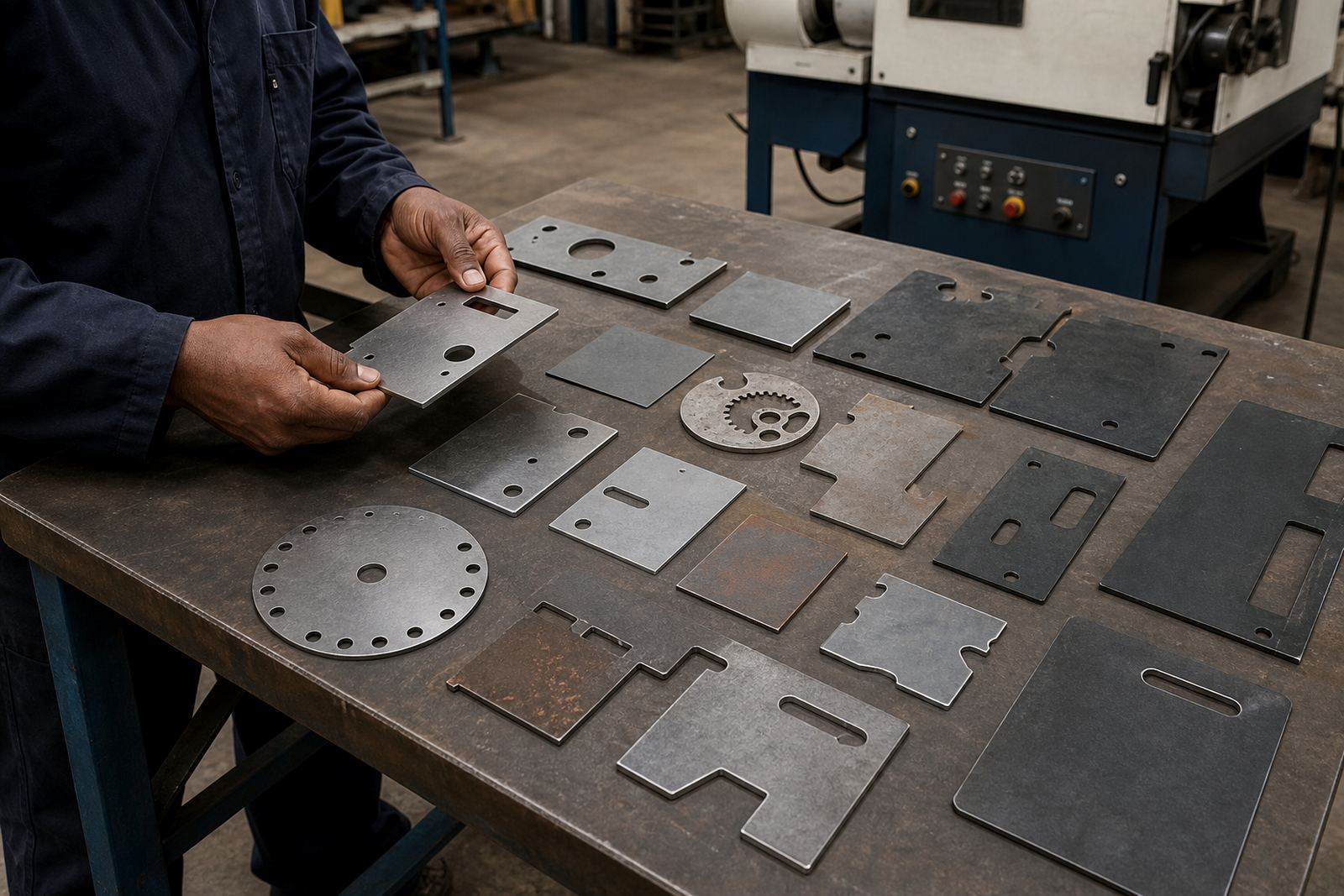
Consider a fabrication shop in Wadeville supplying enclosures and mounting plates to customers in Johannesburg and Pretoria. The laser cutter is producing good parts, but every second batch still needs hand finishing before the items can move on to assembly. Two operators spend a chunk of each shift removing burrs by hand, while a third checks edges before dispatch. On paper the job is moving, but the real output is lower than it should be.
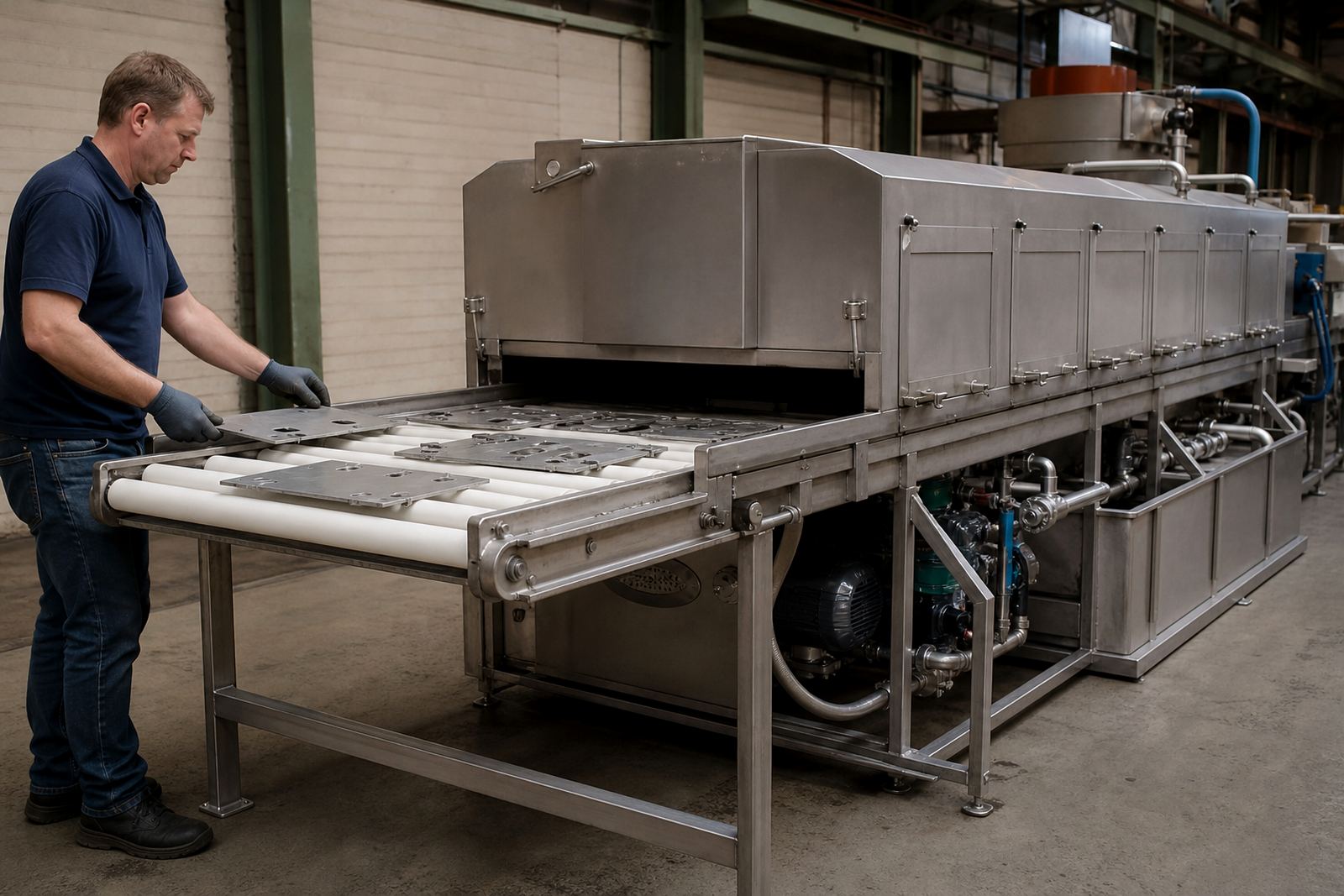
After introducing a dedicated deburring and edge-finishing step, the workshop gets more consistent parts through the system. Operators handle sheets with less hesitation, assemblies sit better in jigs and the dispatch team stops finding rough edges during final packing. The team also spends less time correcting avoidable issues. That does not only improve quality, it frees people up for higher value work. For a shop working under load-shedding schedules and delivery pressure, that difference matters.
What to look for when planning a deburring process
Not every job needs the same finish, so the right process depends on the material, thickness, cut quality and volume. A workshop producing thin mild steel parts for repeated assembly will have different needs from a fabricator running heavier plates or mixed batches. The important point is to match the finishing step to the way the shop actually works, not just to the machine brochure.
A practical approach is to test sample parts, check the edge condition after laser cutting and measure how much finishing is really needed. Then look at throughput, operator time and where the bottlenecks sit. Some shops need better consistency on all parts, while others only need to remove the sharpest edges before the next process. The goal is to improve flow, not add another slow step to production.
- Check material type and thickness range
- Assess the cut quality and burr level on real samples
- Match the process to daily output and shift pattern
- Consider maintenance access, spares and operator training
Why the right support matters after installation
Edge-finishing equipment only delivers value when it keeps running properly and the team understands how to use it. That is why installation, operator training, preventive maintenance and breakdown support matter as much as the machine itself. A line that is out of tune or poorly set up can undo the gains that deburring is meant to deliver.
For fabricators across South Africa, especially in Gauteng, KwaZulu-Natal, the Western Cape and North West, local support makes a real difference. When a workshop needs a sample test, a process check or a spare part, the response time affects production. Good support helps maintain consistent edge quality, keeps output moving and gives the team confidence that the finishing step will not become another problem in the line.
Deburring matters because it protects people, improves fit-up and keeps downstream production cleaner. In a metal shop, that is not a small detail, it is part of making the whole operation work properly.