Workshop brief in Alrode
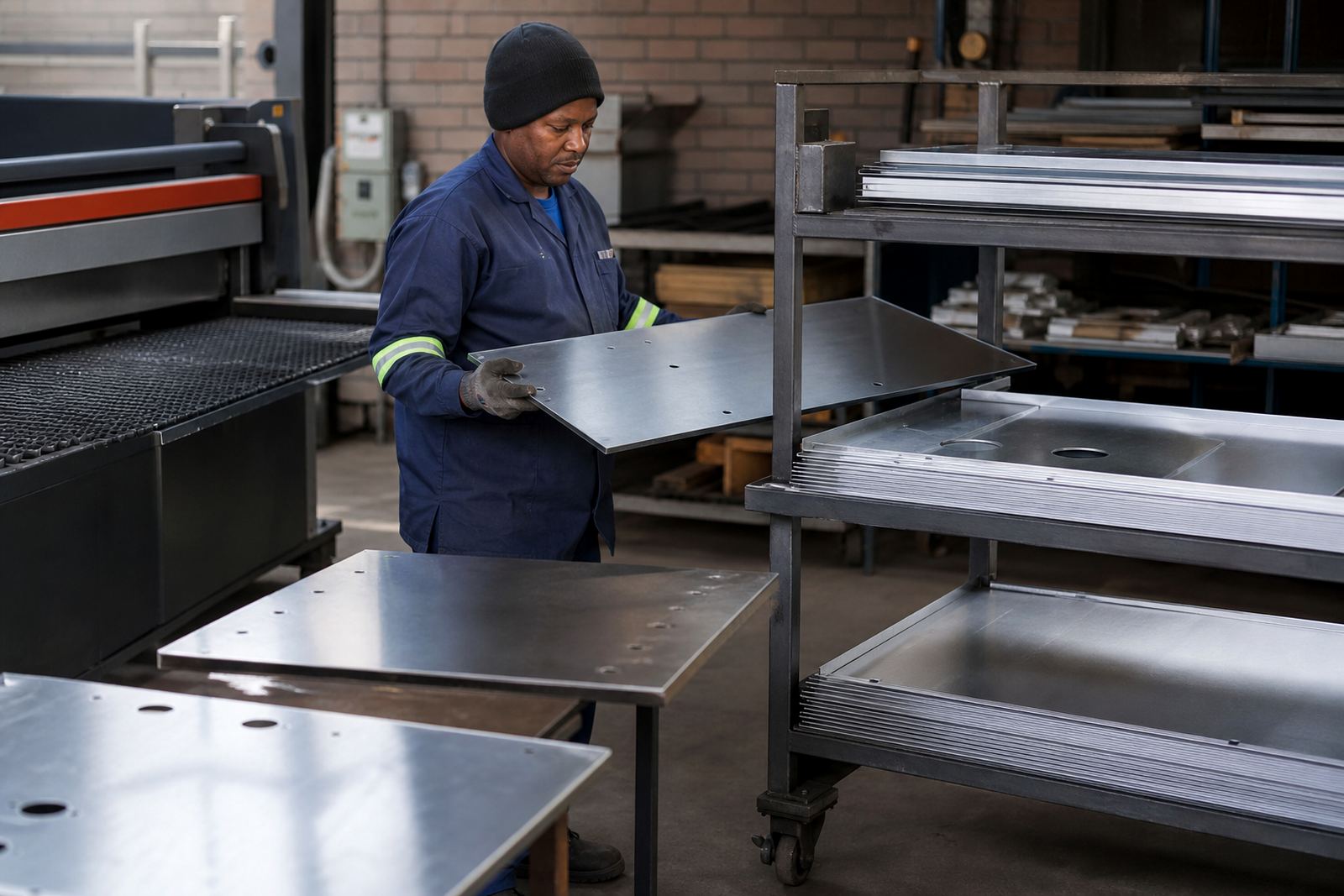
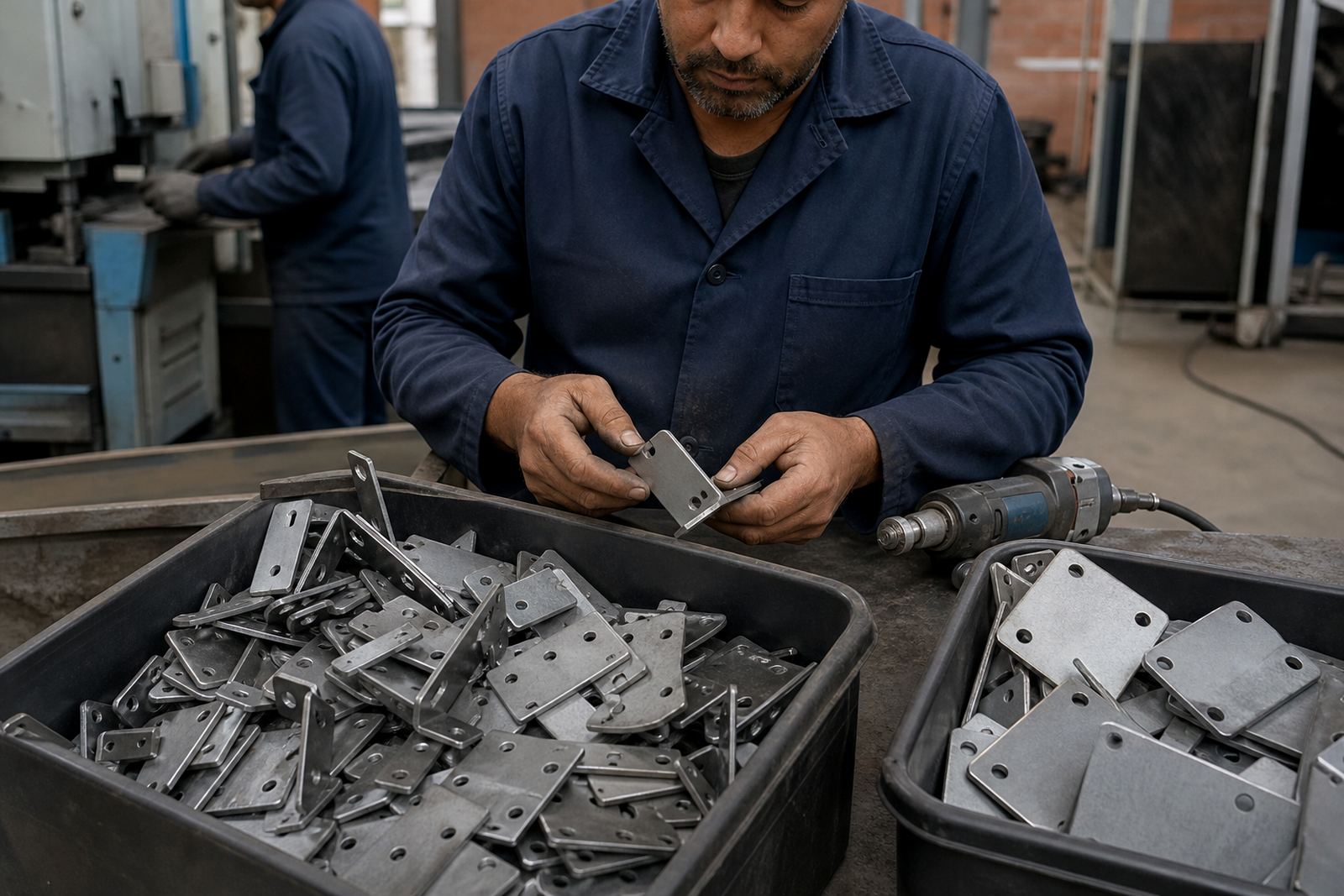
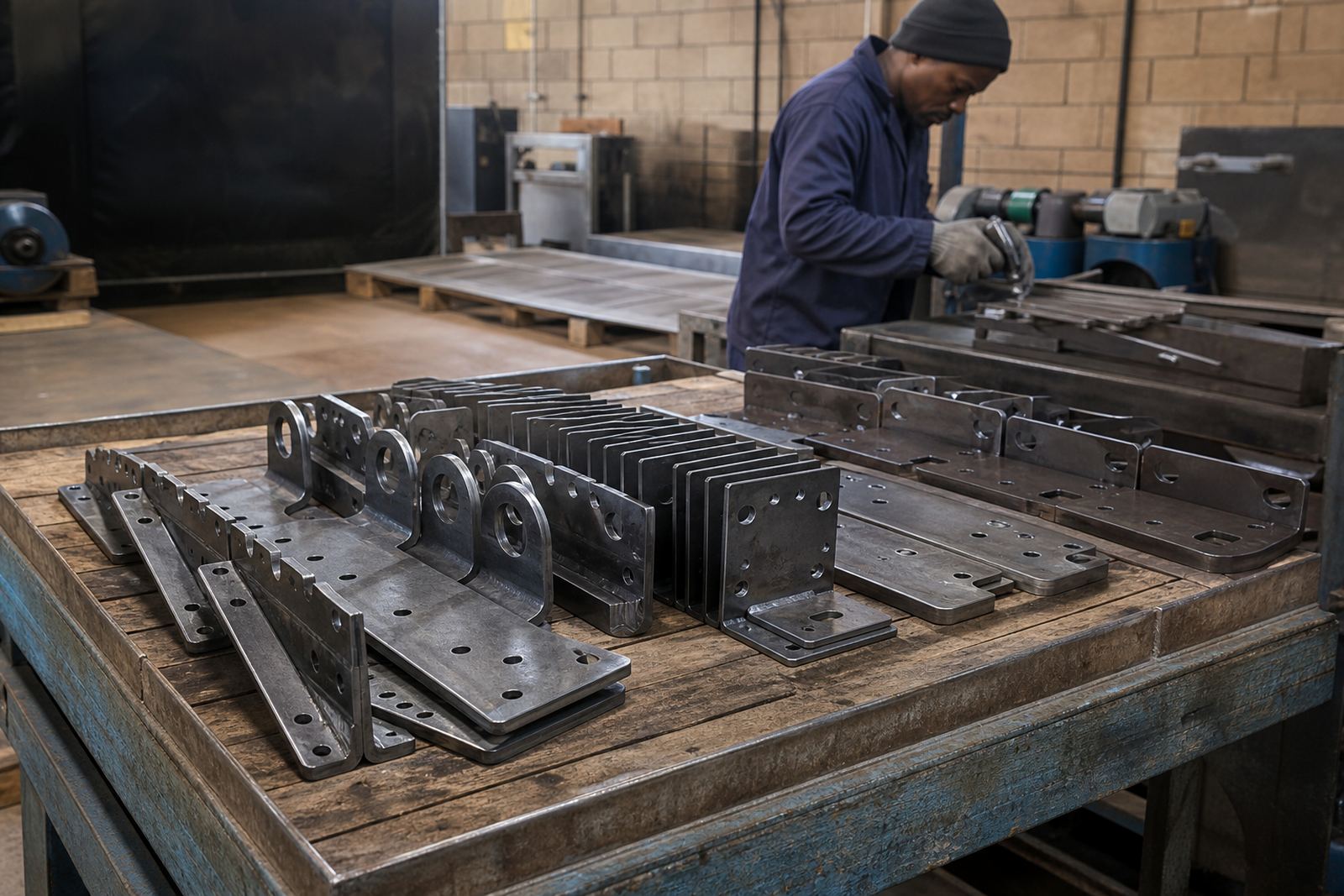
The client was a body-building and fabrication workshop in Alrode, Johannesburg South, making brackets, gussets, mounting plates and reinforcement panels for local fitments and repairs. The team was getting good laser-cut parts from the cutting table, but the edges still needed a cleaner finish before welding, assembly and paint.
The brief was simple on paper: remove burrs, break sharp edges and keep the parts moving. In practice, the workshop had a mixed job mix, short lead times and a steady stream of small batches, so the machine had to handle repeated changeovers without slowing the floor down. They also wanted a cleaner, more consistent finish because hand filing was eating up time and giving uneven results from one operator to the next.
What was slowing production
The site was working around three common issues. First, laser-cut edges on sheet metal were leaving burrs and dross that had to be cleaned before the parts could move on. Second, manual deburring was tying up skilled fitters on repetitive work that did not add value. Third, the team needed a process that could run through the day without depending on one person with a grinder in hand.
There were also practical Alrode conditions to consider. Power interruptions can still affect production planning, and the workshop wanted equipment that would recover quickly after a stop without wasting material. Dust control, floor space and safe handling were part of the conversation too, because the shop already had welding, cutting and assembly running in the same building.
- Laser-cut mild steel parts with burrs and sharp edges
- Mixed part sizes, from small brackets to larger panels
- Need for repeatable edge quality across shifts
- Limited floor space for a new finishing station
- Operator safety and simple daily cleaning
The machine set-up we supplied
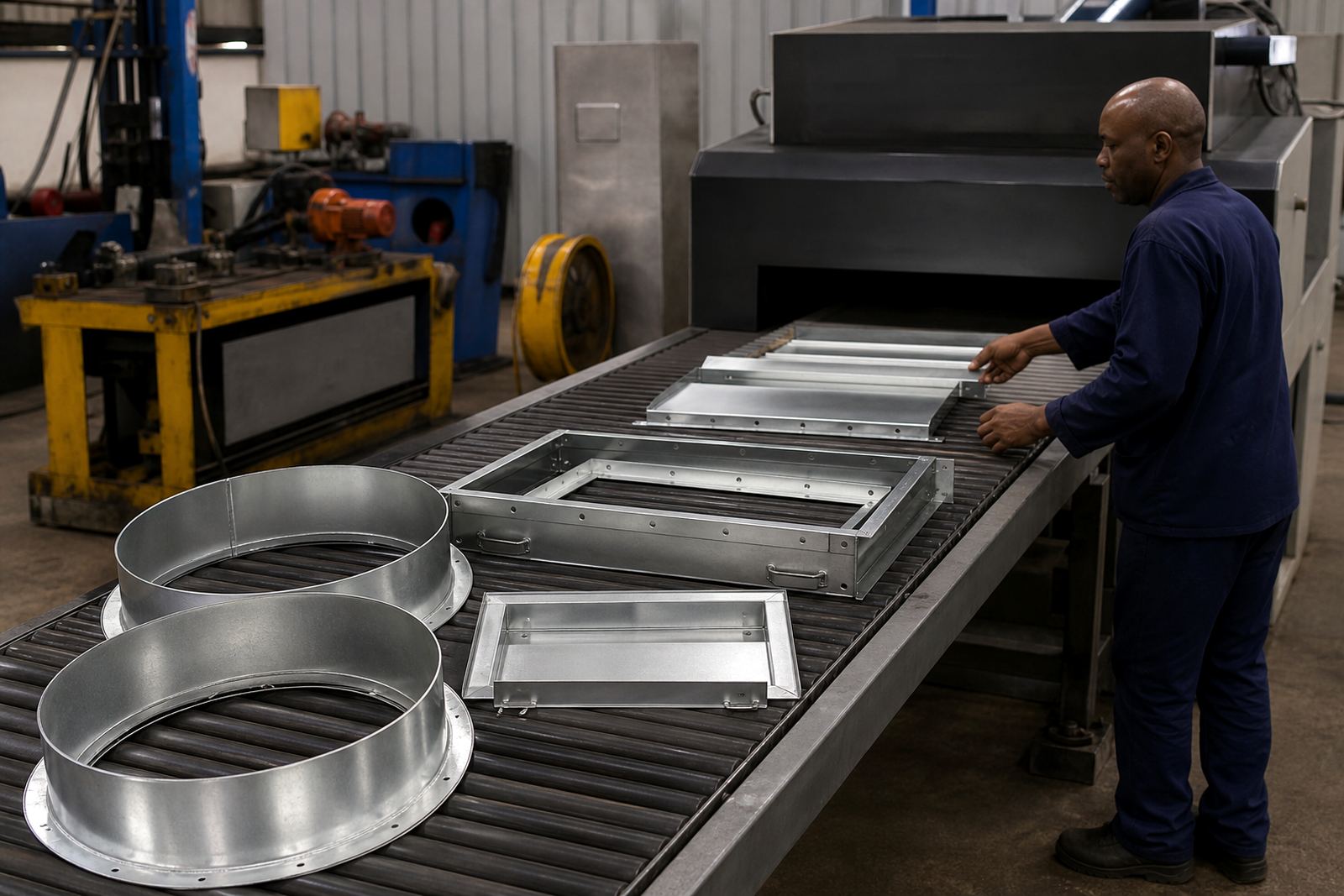
We specified a deburring and edge-finishing machine suitable for laser-cut sheet metal, set up for the part range the workshop was processing. The machine was configured to handle flat sheet parts with enough opening height for the typical brackets and reinforcement panels in the job mix. We also aligned the infeed and outfeed arrangement so parts could be loaded, finished and removed with minimal handling.
Key facts included a working width suited to common sheet formats, adjustable finishing pressure, and a feed system that kept part movement steady through the machine. The finishing section was selected to remove light burrs and soften edges without damaging the part profile. We supplied the consumables, arranged the first setup and showed the team how to balance finish quality against throughput. There was a small amount of trial work needed, but once the parameters were set the results were consistent.
- Designed for laser-cut sheet metal parts
- Suitable for small batches and repeat work
- Adjustable settings for edge breaking and surface finish
- Configured for workshop floor use, not a clean-room environment
- Simple controls for day-to-day operation
Installation and commissioning over two weeks
The project ran over two weeks from final confirmation to commissioning. Week one covered site checks, machine positioning and power planning. Week two covered installation, operator handover and live sample testing using the client’s own brackets and gussets. Because the workshop needed the machine in line with normal production, we timed the changeover to avoid disrupting the busiest cutting runs.
During commissioning we tested several part families, from narrow gussets to wider reinforcement panels, then adjusted feed speed and finishing pressure until the edge quality matched the workshop standard. The team also wanted a process that could be repeated by different operators, so we documented the settings used for the main part types and left them with a practical starting point. That helped reduce the usual first-shift variation.
- Week 1: site check, power planning and layout
- Week 2: installation, setup and sample part testing
- Operator handover completed on site
- Settings recorded for main part ranges
Results on brackets, gussets and panels
Once the machine was in daily use, the workshop saw faster movement from cut parts to assembly. Brackets and gussets no longer needed the same level of hand finishing, which freed up time for welding and fitting. The finish was also more even, so the parts were going through with fewer returns for touch-ups. That made the floor easier to manage when jobs came in back to back.
The biggest gain was not just speed, it was control. The workshop could now process laser-cut parts in a repeatable way, even when different operators were on shift. On a good week this meant less waiting at the bench and fewer bottlenecks before coating or assembly. The client also noted better handling safety for sharp edges, which mattered for workers moving parts between stations. There was a measurable improvement in throughput on the main bracket families, and the team said the workshop felt less frantic.
What we would do again
If we were repeating the job, we would take the same approach again: start with real samples from the shop floor, test on the actual part mix and set the machine around the most common thicknesses first. That reduces guesswork and gets the machine earning its keep sooner. We would also keep the training practical and short, then follow up once the team has used the machine under load for a few days.
For workshops in Alrode, Wadeville, Germiston, Johannesburg, Pretoria, Durban, Cape Town or Rustenburg, the lesson is the same. If laser-cut parts are still being cleaned by hand, a proper deburring line can cut waste, improve finish consistency and keep the production plan on track. It is especially useful where load-shedding, tight delivery windows and limited labour time make rework expensive.
- Test on the client’s own parts first
- Set finishing parameters around the most common thicknesses
- Train operators with daily production in mind
- Plan for maintenance access and spare consumables
Key facts
| Project location | Alrode, Johannesburg South |
|---|---|
| Client type | Body-building workshop |
| Main parts processed | Brackets, gussets, reinforcement panels |
| Project duration | 2 weeks |
| Primary outcome | Cleaner edges and higher throughput |
| Service scope | Installation, sample testing, operator training and handover |