Short-Run Work In Wadeville Needed Less Handling
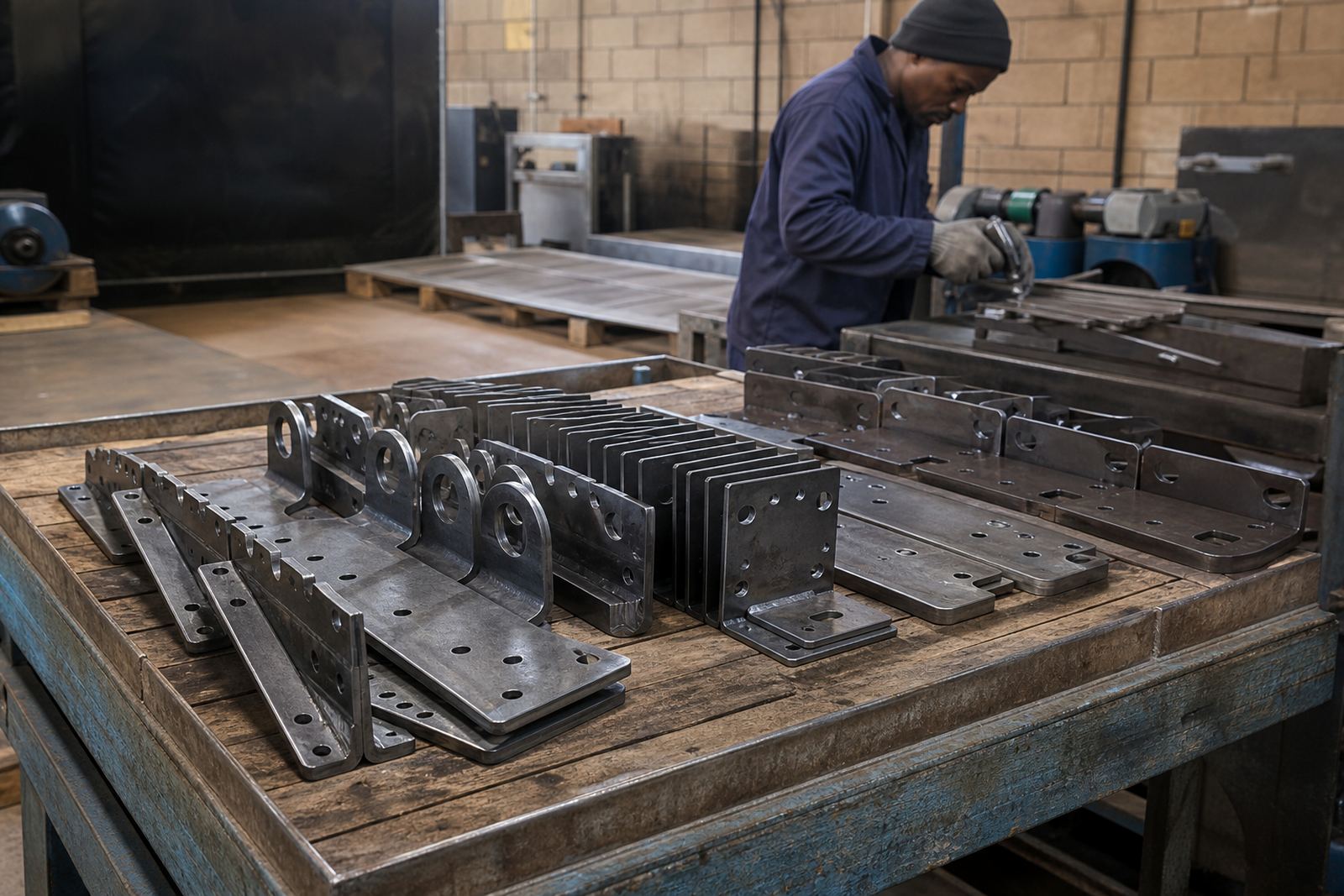
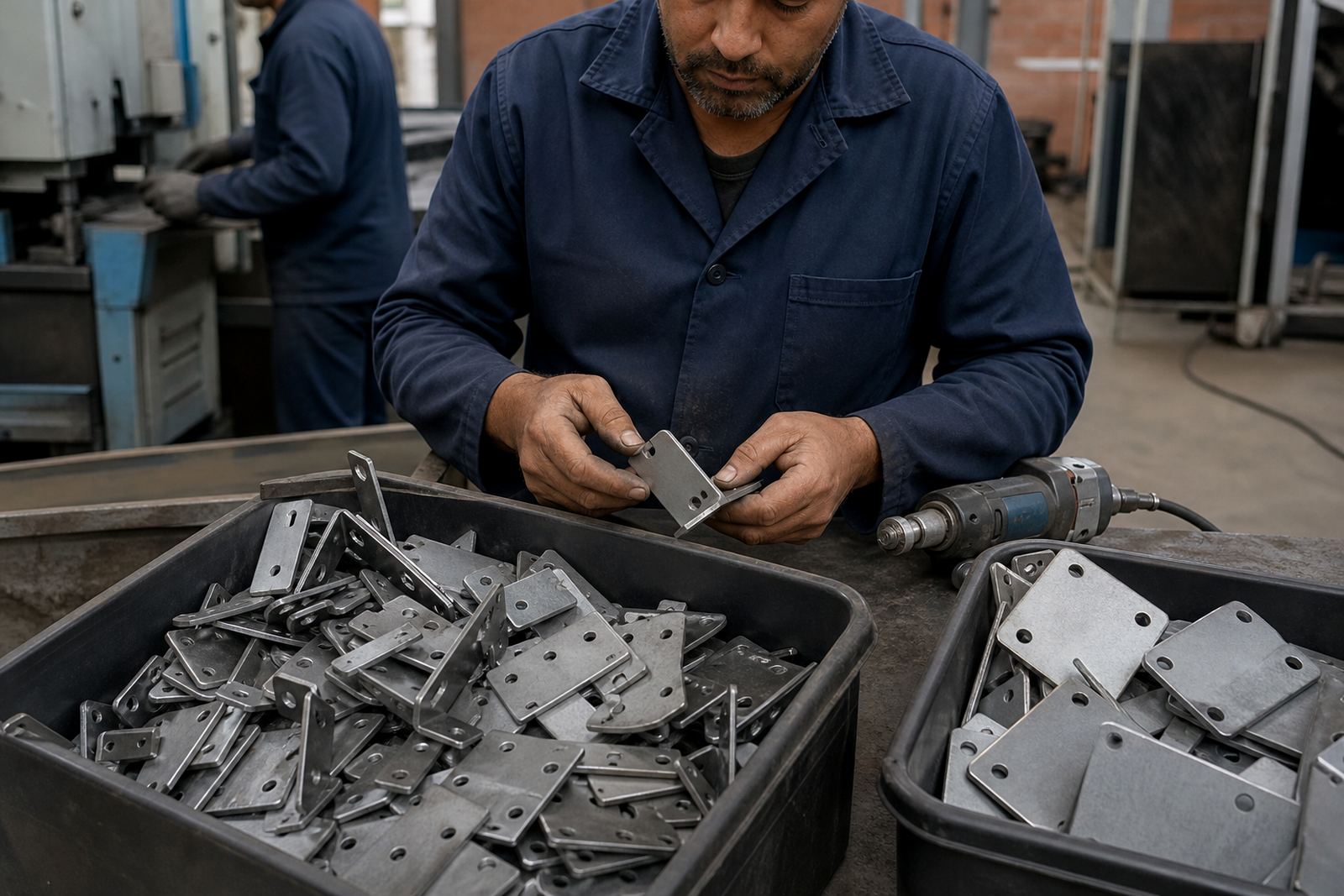
The client is a mixed-output fabrication shop in Germiston serving jobbing work for Gauteng customers. Their floor was busy with one-off parts, small batches and repeat orders, often in the same shift. Laser-cut components were coming off the table with burrs, sharp edges and oxide marks, then moving by hand through grinding, filing and inspection. That took time and the finish varied from operator to operator.
The brief was clear: improve edge quality on laser-cut sheet metal, reduce manual rework, and keep changeovers quick enough for short runs. They also wanted a process that could cope with mild steel and stainless parts, from small brackets to larger panels, without depending on one skilled operator for every piece.
We looked at the mix of work, the footprint available, and the way material moved through their shop. The space was tight, power supply interruptions were a regular concern during load shedding, and the customer wanted equipment that would be practical to run every day, not just for large batches.
What We Supplied For The Jobbing Mix
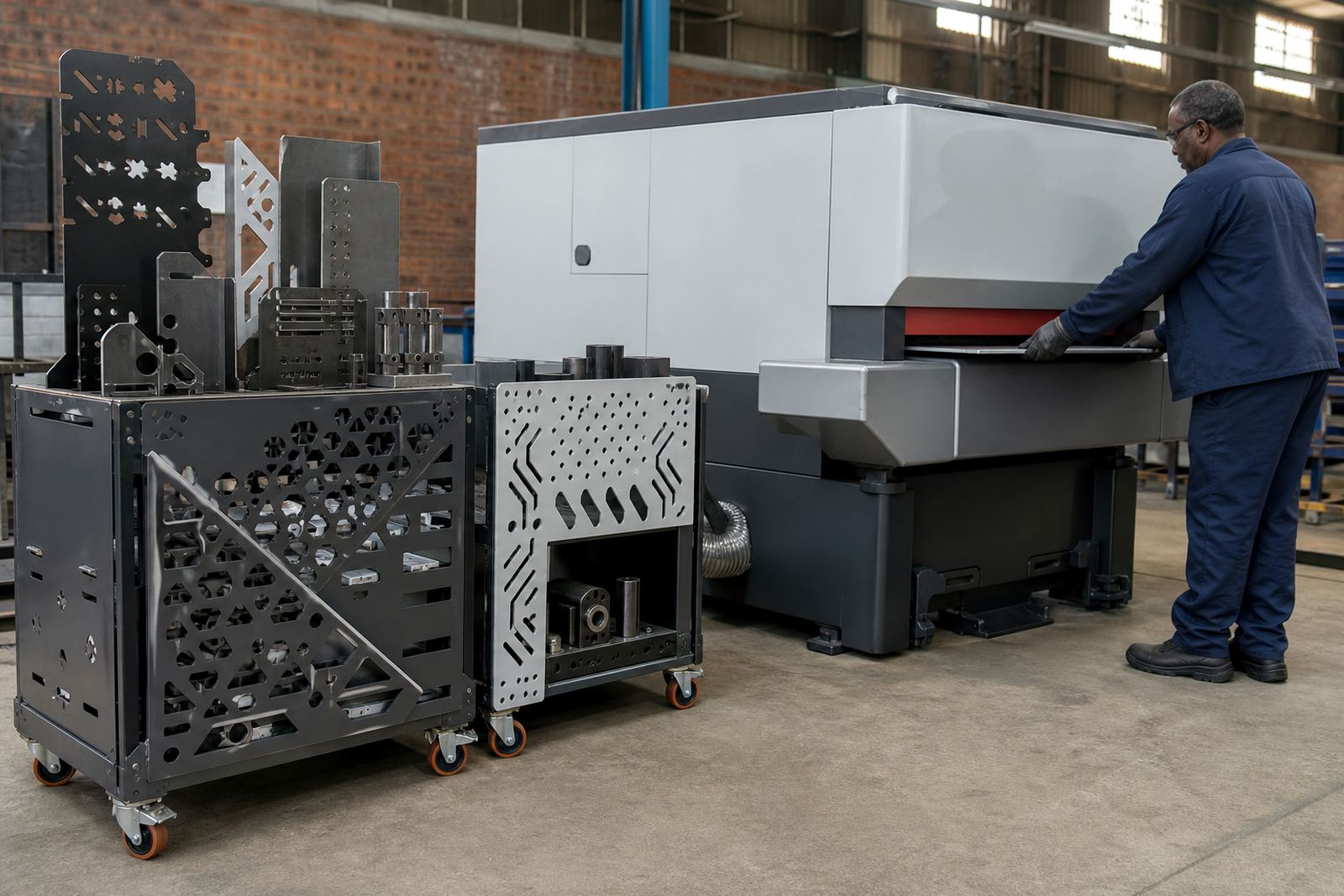
We supplied a deburring and edge-finishing machine suited to laser-cut sheet metal, with adjustable settings for light burr removal and consistent edge finishing. The machine was specified to suit mixed part sizes and frequent product changeovers, with a working width suitable for common sheet formats used in local fabrication shops.
Because the shop handles varied parts, we focused on a setup that could be adjusted quickly between thinner sheet and heavier sections. The machine was commissioned with the abrasive selection matched to their material mix, and we checked the feed speed settings so the finish stayed consistent without overworking the metal surface.
- Working width suited to common laser-cut sheet sizes
- Adjustable feed and pressure settings for different materials
- Abrasive head configuration for burr removal and edge rounding
- Simple changeover routine for short-run work
- Built for repeated daily use in a production environment
Installation And Training In Two Weeks
The project ran over two weeks from site assessment to handover. In week one, we checked the part mix, reviewed the flow from laser cutting to finishing, and planned where the machine would sit so infeed and outfeed stayed clear. In week two, we installed the unit, levelled it, verified the extraction interface, and trained the operators and workshop lead on safe use, setup, and daily checks.
Training covered common jobbing situations such as small parts, mixed pack sizes, and keeping abrasive wear under control. We also showed the team how to read surface changes and spot when a part needed another pass versus when the edge was finished properly. That reduced guesswork and helped the shop keep quality more even across different shifts.
- Week 1: site assessment and process review
- Week 2: installation, commissioning and operator training
- Handover included daily inspection steps and abrasive change guidance
- Support planned through Wadeville Support and Germiston Support
Keeping Changeovers Fast On Mixed Parts
Jobbing work lives or dies on changeover time. The shop could not afford long stops every time a new batch arrived, so we set the process up around simple adjustments and clear operating steps. That meant fewer hand-offs, less rework and no need to send parts back to grinding for touch-ups as often.
The machine proved useful on flat parts, brackets, panels and nested sets with different hole patterns. It handled the usual laser-cut conditions well, including burrs along the cut edge and minor slag that would otherwise need hand finishing. On stainless work, the team found it easier to keep the finish clean and even, especially where appearance mattered for visible parts.
One useful part of the job was showing the team how to group parts by thickness and material before they entered the finishing step. That small change, plus better sequencing, helped them move parts through quicker and cut down on stop-start handling. It sounds simple, but it made a real difference on the floor and the schedule stayed tighter.
Results Seen On The Floor
Once the process was in daily use, the workshop saw cleaner edges, less manual deburring, and more predictable output from one shift to the next. Parts moved from cutting to packing with fewer interruptions, which helped the team keep up with urgent work from Johannesburg and Pretoria customers.
The biggest gain was consistency. Short runs were no longer being judged only by who happened to be on the grinder that day. The finishing step became part of the production flow rather than a bottleneck at the end. That meant better control over turnaround and less pressure on the team when multiple orders landed at once.
For a mixed-work shop, the improvement was not just about speed. It was also about reducing edge damage, improving part safety for handling, and keeping the finish acceptable for both functional and visible components. In plain terms, the team spent less time fixing and more time finishing orders properly.
- Less hand grinding and filing after laser cutting
- More even finish across repeated short runs
- Improved handling safety for operators and packers
- Better throughput on urgent jobbing orders
What We Would Repeat On Similar Shops
If we were doing the same kind of project again, we would still start with the actual part mix rather than just the machine size. Jobbing shops in Germiston, Johannesburg and Pretoria often think they need bigger capacity first, but the real issue is usually changeover time, material variety and the way work moves between cutting, finishing and dispatch.
We would also repeat the same approach to training: keep it practical, cover daily checks, and tie the setup to the team who will run it every day. In a shop that works through municipal power interruptions, coastal humidity concerns are not the only issue, but reliable routine matters just as much. Good maintenance habits keep the machine ready when the order book is busy and the pressure is on.
For similar work, we would recommend a machine audit after the first few weeks, then a plan for abrasive replacement and preventive maintenance based on actual usage. That keeps output steady and helps the shop avoid unexpected stoppages later on.
Support For Gauteng And Beyond
This Germiston project sat naturally within our Wadeville base and support network. The client could reach us through the enquiry form on our contact page for follow-up on spares, service checks, sample part testing, or process questions. For jobbing shops across South Africa, the same approach works well where the finishing stage needs to be practical, repeatable and easy to keep in line.
We support manufacturers and fabricators in Johannesburg, Pretoria, Durban, Cape Town and Rustenburg with installation, training, preventative maintenance, breakdown repairs, machine audits, relocation support and annual service contracts. For mixed-output shops, that support often matters just as much as the machine itself because the work changes week by week and the finishing step has to keep pace.
In Germiston, this project showed that a well-set deburring process can lift output without adding unnecessary complexity. The shop got cleaner parts, tighter flow and a simpler way to handle short-run work.
Key facts
| Project type | Mixed-run jobbing workshop |
|---|---|
| Location | Germiston, Wadeville area |
| Timeline | 2 weeks from assessment to handover |
| Materials | Laser-cut mild steel and stainless sheet |
| Output focus | Short-run deburring and edge finishing |
| Support supplied | Installation, training, commissioning and follow-up |