
Why the Pretoria East shop changed its finishing step
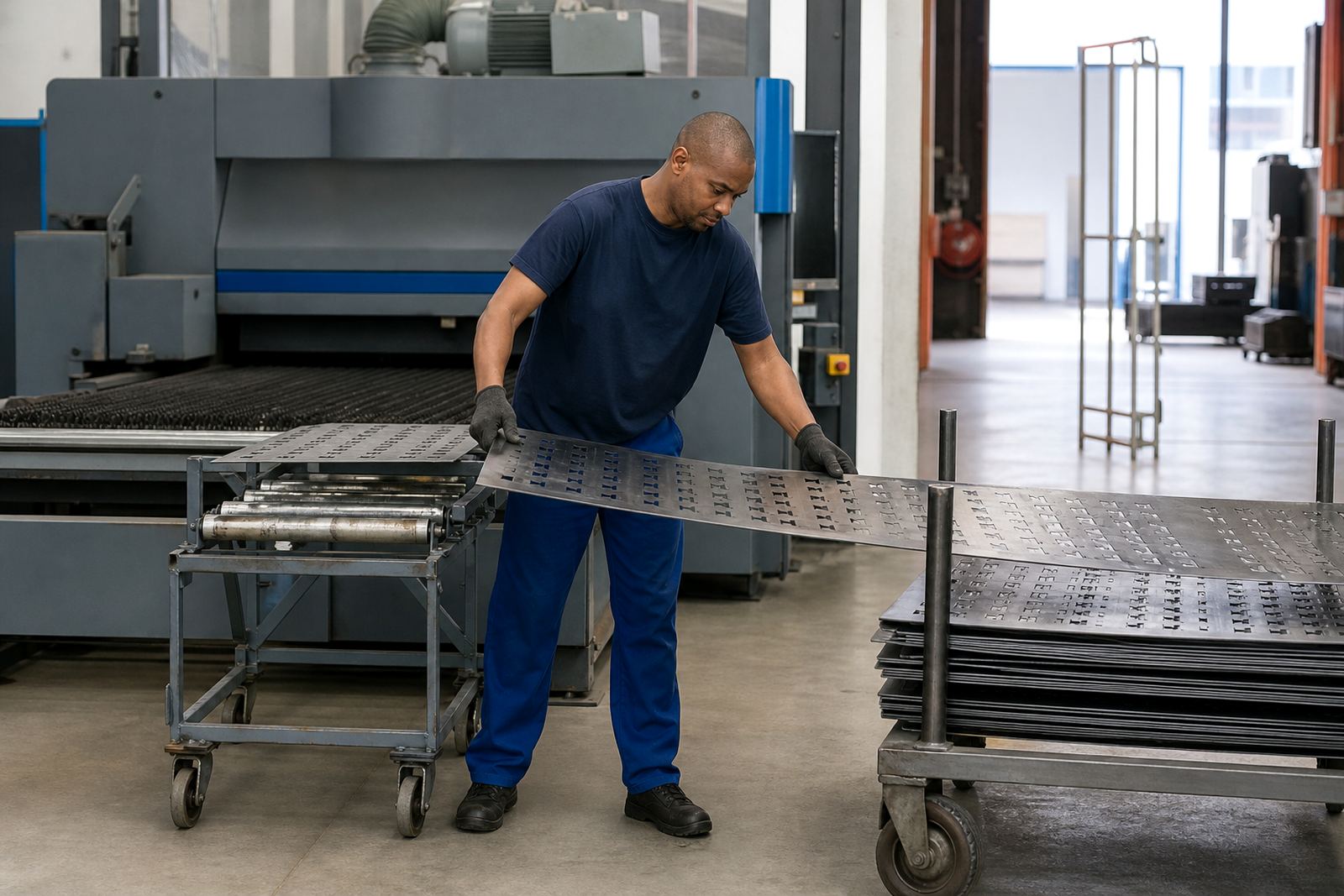
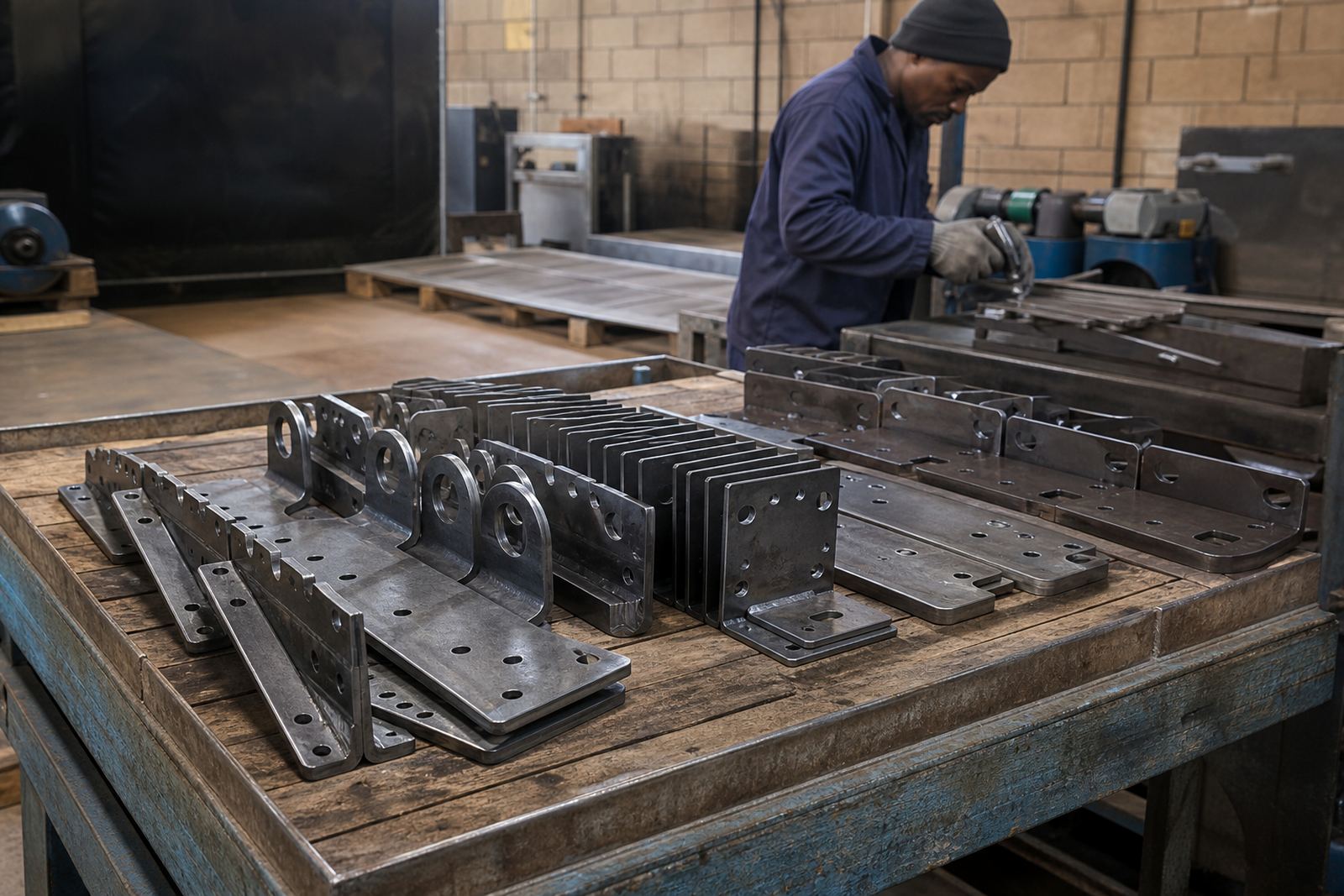
The client is a medium-sized fabricator in Pretoria East turning out laser-cut sheet metal parts for enclosures, brackets and support frames. Their team was spending too much time on hand finishing, and the edge condition after cutting was creating small fit-up issues during welding. Sharp burrs also meant more handling risk, especially on high mix jobs where parts move from cutting to bending and then straight into assembly.
The brief was straightforward: clean up the edges faster, keep part geometry intact and reduce the variation that comes from manual grinding. The workshop runs on tight schedules and could not afford a long stop, so the solution had to suit local production pressure, load-shedding interruptions and limited floor space. The site also sits in a busy industrial area where every square metre counts, so the new line needed a practical footprint and easy access for operators.
- Client type: Pretoria East sheet metal fabricator
- Primary issue: burrs, sharp edges and inconsistent weld prep
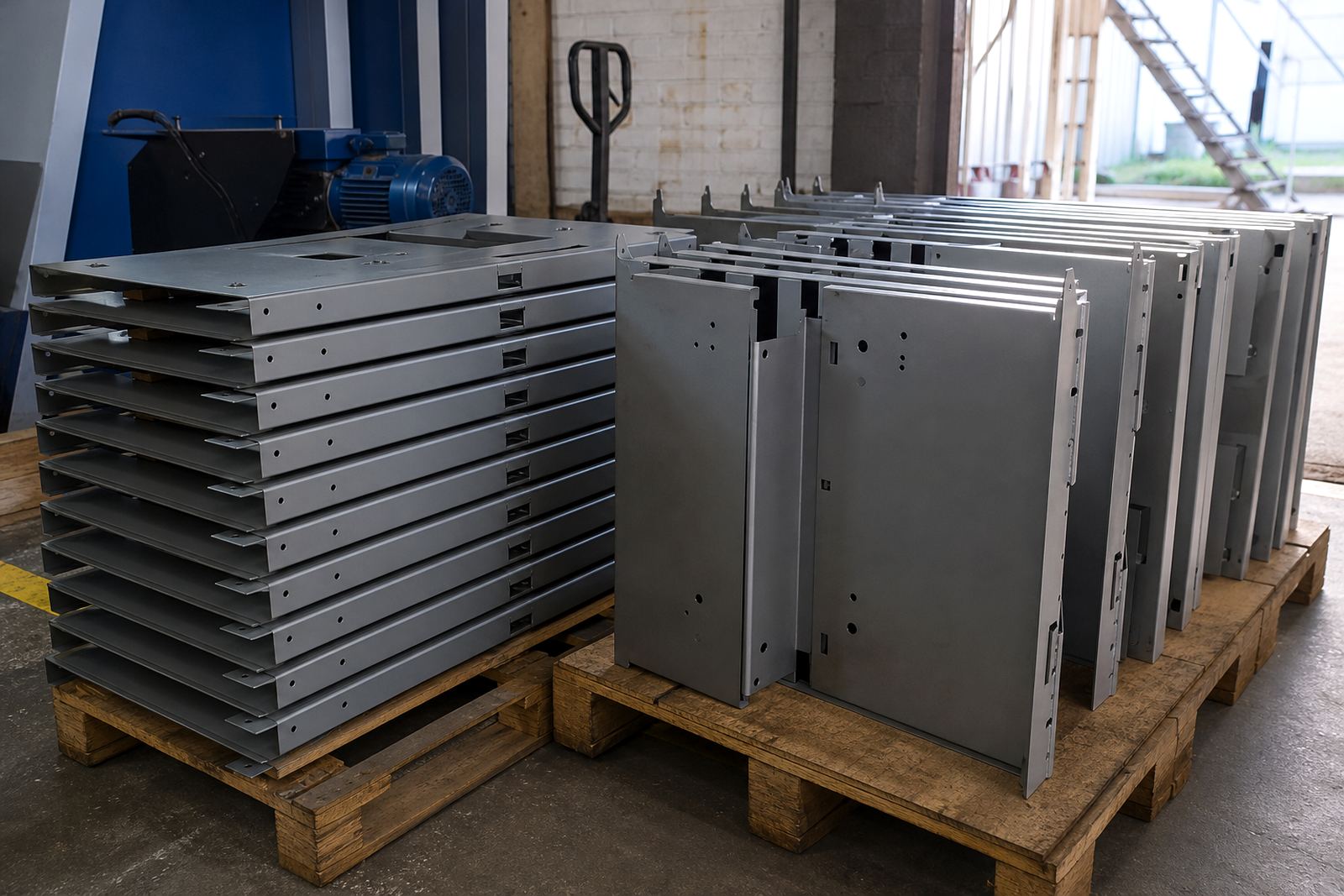
- Production mix: laser-cut brackets, plates, covers and welded assemblies
- Constraint: keep downtime short and fit into a compact workshop layout
What we specified for the line
We recommended a deburring and edge-finishing machine set up for laser-cut mild steel and stainless steel components, with adjustable feed control and stable abrasive contact across a range of part sizes. The chosen configuration handled flat sheet parts up to 1300 mm wide, with variable material thickness from 0.8 mm to 12 mm. It was suited to both small repeat parts and larger panels that needed a uniform edge finish before welding or coating.
The machine was paired with an extraction arrangement to keep dust and fine particles under control, which matters in Pretoria where dry conditions can push extra dust through a workshop. We also specified simple changeover settings so the operators could switch between part families without wasting time. A machine like this must be practical first, not fussy, and that was the main focus from the start.
- Working width: 1300 mm
- Material range: 0.8 mm to 12 mm
- Application: laser-cut sheet metal deburring and edge finishing
- Changeover: quick adjustment for mixed part batches
Installation, training and first run support
The install was completed over 2 weeks, with the line positioned to suit the existing cut-to-assembly flow. We handled machine placement, levelling, connection checks and the first set of test parts. The client wanted a smooth handover because their production staff were already stretched, so we kept the commissioning plan tight and worked around the workshop schedule rather than stopping the whole floor.
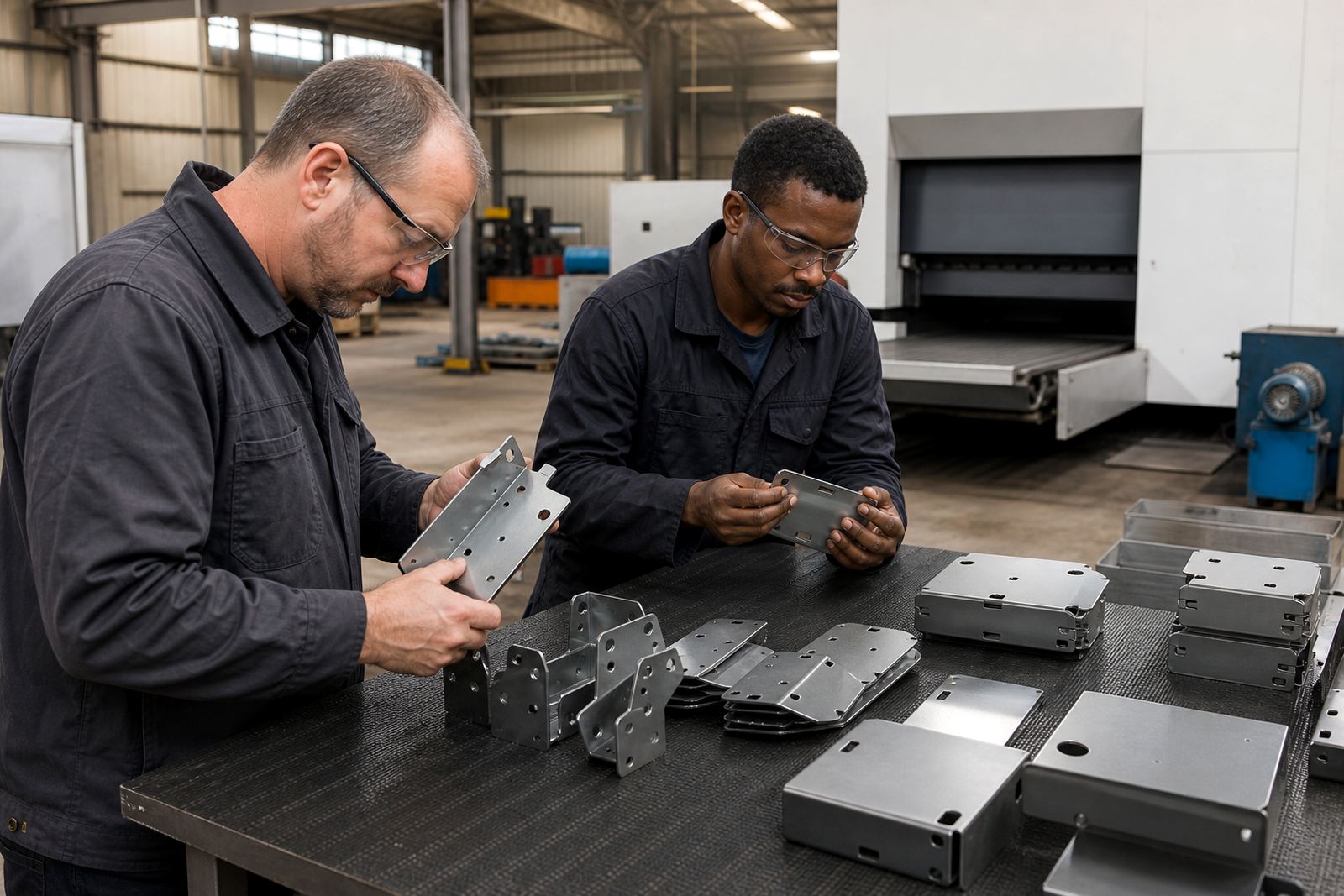
Training covered safe loading, abrasive use, basic edge inspection and how to spot when a part needed a second pass. We also showed the team how to balance speed against finish quality, since pushing too hard can leave marks and too slow wastes capacity. By the end of the first week on site, the operators were running regular batches with only light supervision. There was a small snag with one mounting point during set-up but it was corrected the same day.
- Commissioning period: 2 weeks
- Training focus: safe loading, finish checks and process control
- Support scope: installation, setup, operator handover and first run testing
Results on weld prep and rework
Once the line was in routine use, the biggest change was consistency. Parts came off the deburring stage with cleaner edges, which made welding easier and reduced the need for manual touch-up before fitment. The workshop reported fewer sharp-edge complaints from the assembly team and less time lost to sorting out burr-related issues. That sounds small, but on a full shift it adds up quickly.
Rework dropped because parts sat better during assembly and weld seams were more predictable. The finishing step also became easier to schedule because output was steady, not dependent on one person grinding by hand. On heavier days, the client used the machine to clear a backlog of cut parts before lunch and still kept the afternoon flow moving. The result was a neater product and a calmer production rhythm overall.
- Cleaner edge condition for welding and assembly
- Less hand finishing and less part-to-part variation
- Reduced rework on fit-up and weld prep
- More predictable throughput on busy shifts
Keeping the line running in Pretoria conditions
We left the client with a maintenance routine that matched local workshop realities. That included daily cleaning, abrasive inspection and a weekly check on feed stability and dust extraction. Pretoria workshops can see dusty conditions, and with load-shedding it helps to have a restart routine that the team can follow without guesswork. The machine was set up so normal recovery after a power interruption was simple and did not require a long reset.
For a fabricator working on mixed jobs, the best support is usually the plain kind: clear settings, regular checks and spares that arrive before a worn component starts affecting finish quality. We also advised on keeping spare abrasive in stock and documenting the most common part families, so changeovers stay quick. That sort of discipline is often the difference between a good machine and one that sits idle now and then.
- Routine: daily cleaning and weekly operational checks
- Power interruptions: simple restart procedure after load-shedding
- Stock control: keep abrasive and wear parts on hand
What we would repeat on the next Pretoria East job
If we were doing a similar Pretoria East installation again, we would approach it the same way: inspect the part mix first, confirm the largest sheet size, then match the machine width and abrasive setup to the real work, not the brochure. That avoids buying a finishing line that is too large for the shop or too light for the cutting output. We would also plan the operator training before delivery so the first shift on the machine starts with confidence.
For this client, the practical formula was right from day one. The line fit the available floor space, handled the thickness range in use and gave the team a cleaner finish without adding unnecessary complexity. In sheet metal work, especially around Pretoria where many shops run lean crews and tight deadlines, that is usually what matters most. It was a good project for them and a tidy one for us too.
- Start with the part mix and sheet sizes
- Match machine width to real output, not excess capacity
- Train operators before the first production day
Key facts
| Project location | Pretoria East, Gauteng |
|---|---|
| Client type | Sheet metal fabricator |
| Application | Laser-cut sheet metal deburring and edge finishing |
| Machine working width | 1300 mm |
| Material thickness range | 0.8 mm to 12 mm |
| Project timeline | 2 weeks from installation to handover |