Why agri equipment parts need a proper edge finish
Agricultural equipment parts take a hard life. Guards get handled in yards, brackets are fitted and removed during builds, and frames often go out to farms where mud, dust and vibration are part of the job. If a laser-cut edge stays sharp, it can cut operators, damage powder coat, and make assembly slower than it should be.
For fabricators in Johannesburg, Pretoria, Durban, Cape Town and Rustenburg, the common issue is not just appearance. Sharp burrs on sheet metal can lead to rework, rejects from OEM customers, and complaints when components are packed by hand. A controlled deburring process gives a cleaner edge, a safer part and a more consistent finish from batch to batch.
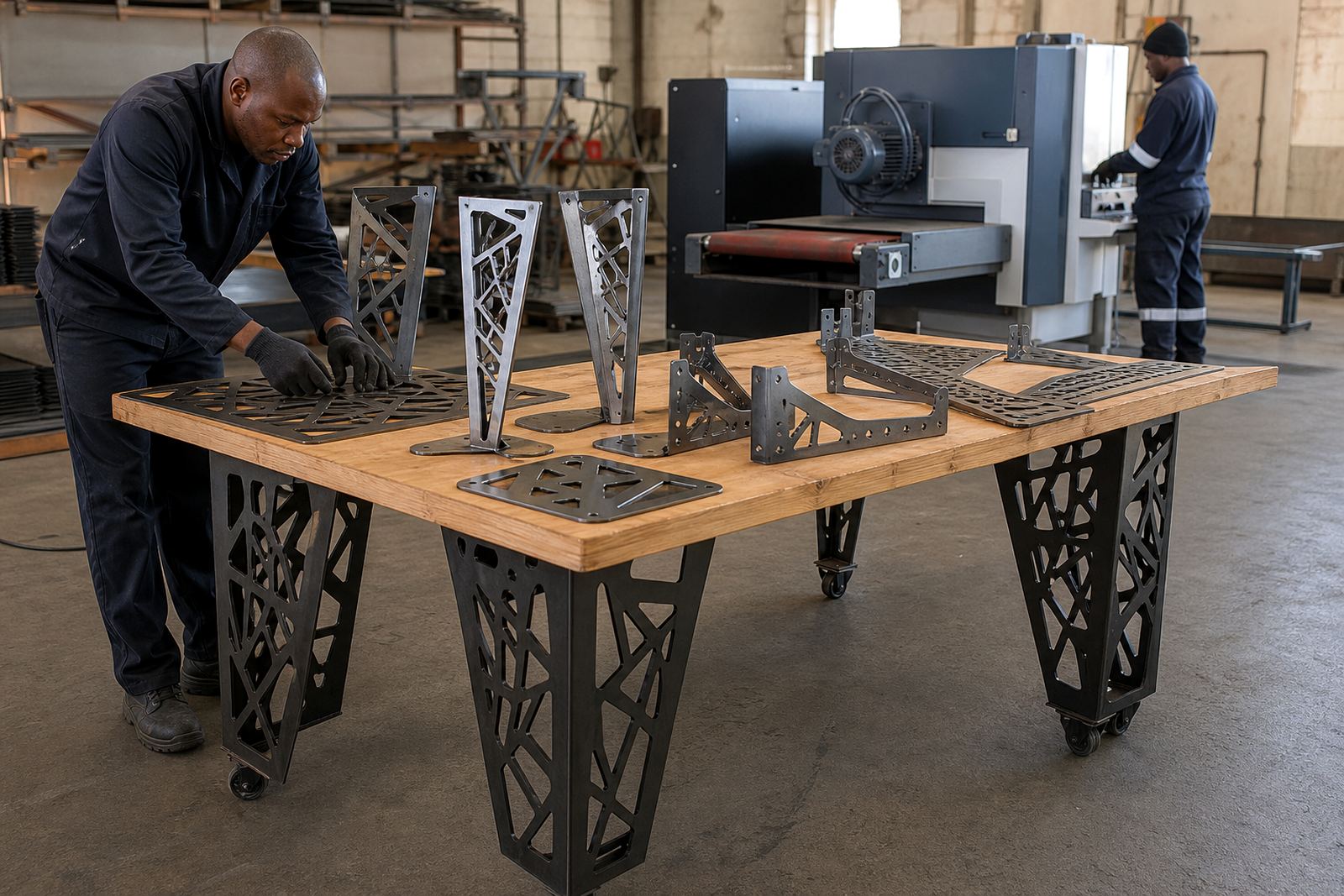
Typical parts we see from farm and implement workshops
Most agricultural equipment jobs involve mixed sizes and repeat runs. One day it is small brackets for a planter, the next it is larger side plates, covers or mounting frames. The machine choice depends on material thickness, cutting method and the volume of parts that come through the shop each shift.
- Guards for moving parts and drive systems
- Mounting brackets, tabs and gussets
- Frame components for implements and trailers
- Cover plates, access panels and support pieces
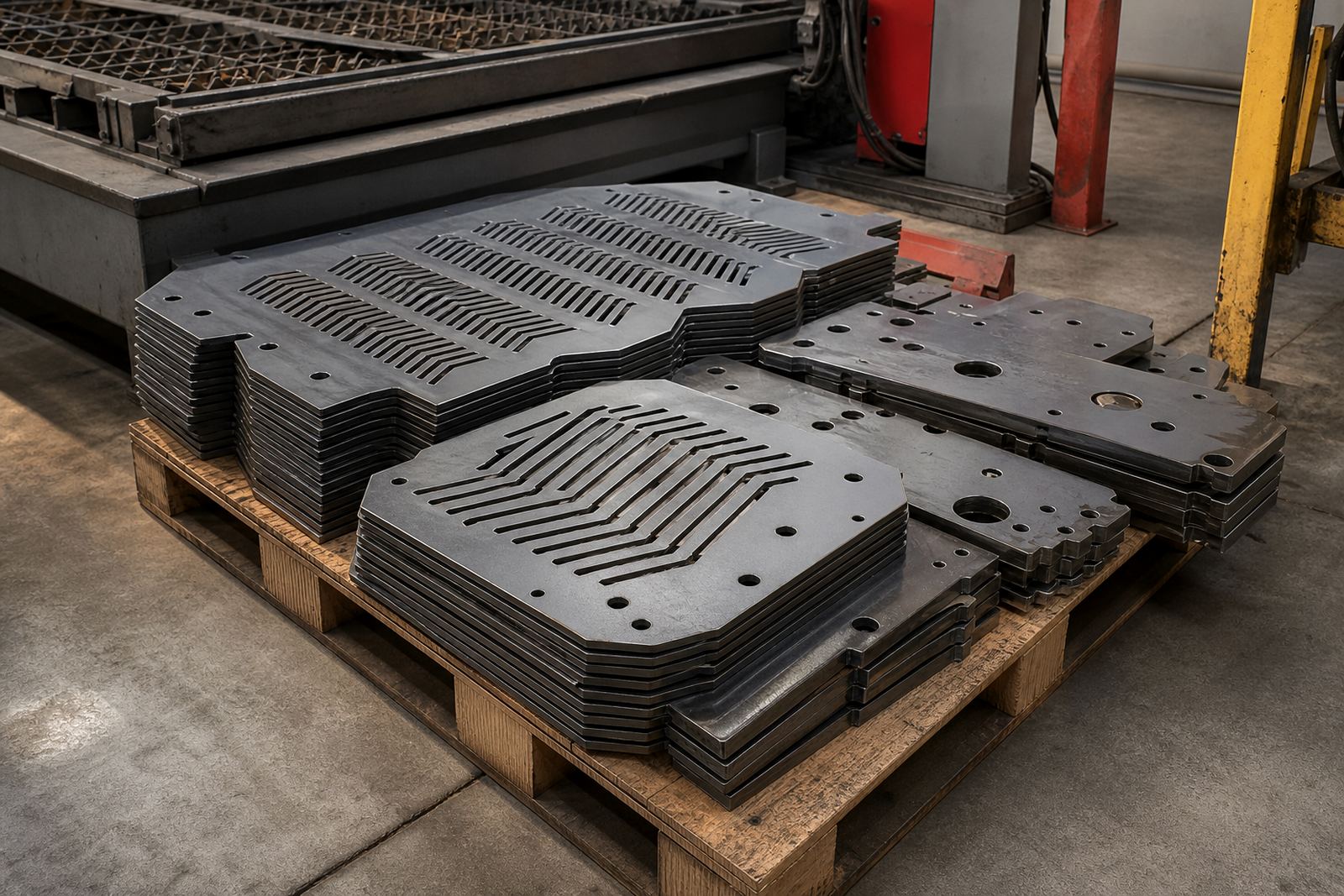
- Laser-cut parts that need edge rounding before coating
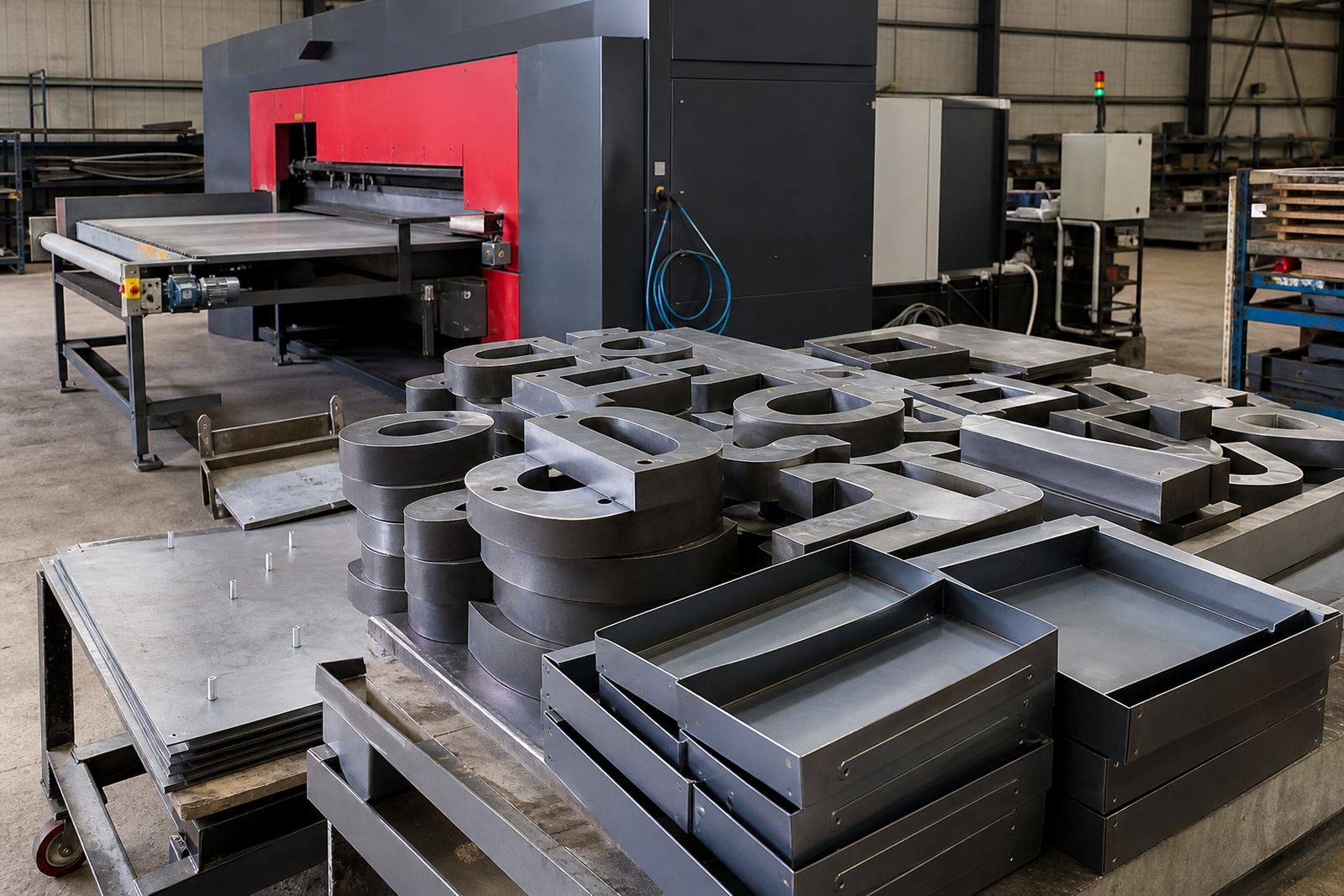
Many of these parts arrive nested on a sheet, so the first stage is usually slug removal or edge-breaking before final finishing. That matters when the same workshop also handles punched parts, because the finishing needs to be quick enough to keep up with the cutting table and the press shop.
A practical machine set-up for South African fabricators
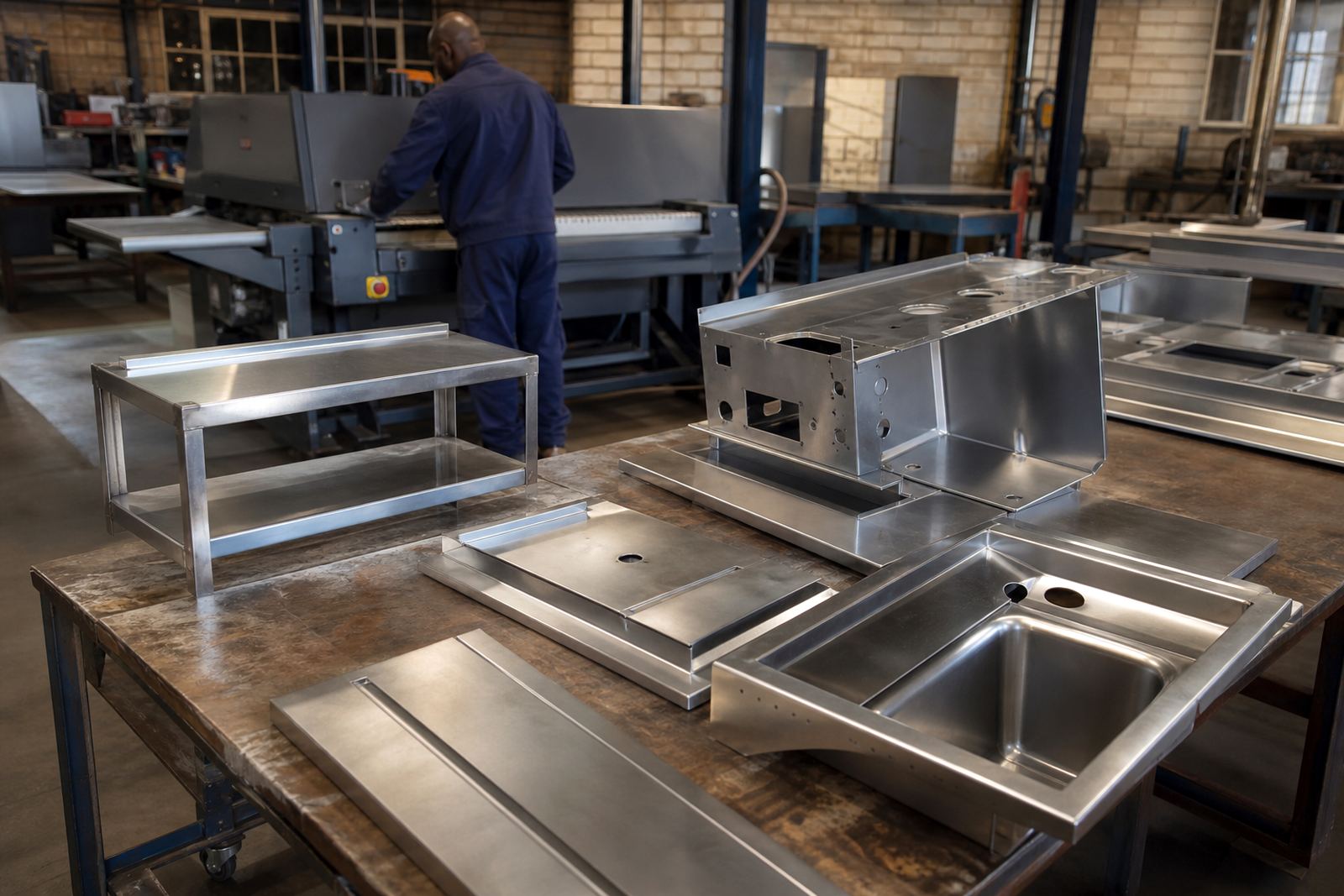
In a working fab shop, the deburring line must fit around cranes, pallet trucks and cutting tables. A good layout keeps the infeed close to the laser area, with enough room for sorting and stacking. In Wadeville and the East Rand, space is often tight, so the layout should allow a straight material flow from cut parts to finishing to inspection.
For shops in coastal areas such as Durban and Cape Town, dust extraction and rust prevention need attention as well. If the building has load-shedding interruptions, plan for safe restart procedures and stable power protection. A machine that is easy to clean and simple to access for abrasive changes will save time when shifts are under pressure.
- Place the machine near the main cutting or sorting bay to reduce double handling
- Allow space for part bins before and after the machine
- Keep service access open on both sides where possible
- Separate finishing from powder coating prep to avoid contamination
- Plan for forklift movement and pedestrian safety around the line
Common mistakes that drive up cost
We often see workshops buying around the deburring step instead of planning it properly. The result is a machine that does not suit the part mix, or a line that becomes the bottleneck. Another common mistake is choosing settings that are too aggressive for thin sheet, which can mark the face or leave an uneven finsh on delicate parts.
Other issues include skipping sample testing, underestimating the amount of abrasive used each month, and placing the machine too far from the cutting area. If parts travel across the workshop twice, labour cost climbs fast. It is also worth checking the handling of small parts, because if they tumble or jam, production stops while operators clear the feed path.
- No sample tests before ordering the machine
- Wrong settings for material thickness or coating prep
- Insufficient extraction for fine dust and swarf
- Poor placement that adds unnecessary handling
- Ignoring maintenance time for belts, brushes or abrasive media
Budget ranges in Rand for agri part finishing
Budgets vary by part size, edge quality target and output rate. A small fabrication shop making guards and brackets for local equipment repairs will need a very different setup from a plant supplying multiple farms or dealer networks. As a guide, entry-level finishing solutions can start from around R450,000, while higher-output machines with more automation and wider capacity can move well above R1,500,000 depending on specification.
It is better to compare the full cost of ownership than just the purchase price. Add installation, operator training, preventive maintenance, abrasive replacement, spares and any relocation support if the line moves later. For some clients, annual service contracts make sense because they want predictable support and less downtime during busy planting or harvest periods.
Support for workshops across the country
Deburring works with manufacturers and fabricators from Wadeville, Germiston and the East Rand through to Johannesburg, Pretoria, Durban, Cape Town and Rustenburg. Our team supports machine installation, operator training, machine audits, sample part testing, process optimisation and breakdown repairs. If your workshop is dealing with a new part family or a production pinch point, we can help assess the layout and recommend a sensible line-up.
For agri equipment parts, the goal is straightforward: safer handling, better edge quality and steady throughput. Pieter Johannes van der Merwe and the team work with local fabricators who need practical advice, not theory. If you are running laser-cut guards, brackets or frames, the right finishing step can save time on every job and keep your output cleaner from the first shift onward.
- Machine installation and relocation support
- Operator training and production planning help
- Preventive maintenance and annual service contracts
- Breakdown repairs and spares supply
- Sample part testing before full production