Why shopfitting metalwork needs a cleaner finish
Shopfitting jobs usually combine thin laser-cut sheet, folded returns, punched holes and welded assemblies, all of which can carry sharp edges and tiny burrs. In a retail space those details matter because installers handle every part twice, and a rough edge can slow assembly or scratch powder coating during fitting.
For manufacturers in Germiston, Johannesburg and Pretoria, the aim is not only safety. It is also fit-up quality, because a trimmed bracket or fascia support that slides into place first time saves labour on site. That matters even more when your team is working to tight handover dates and a store opening cannot wait for rework.
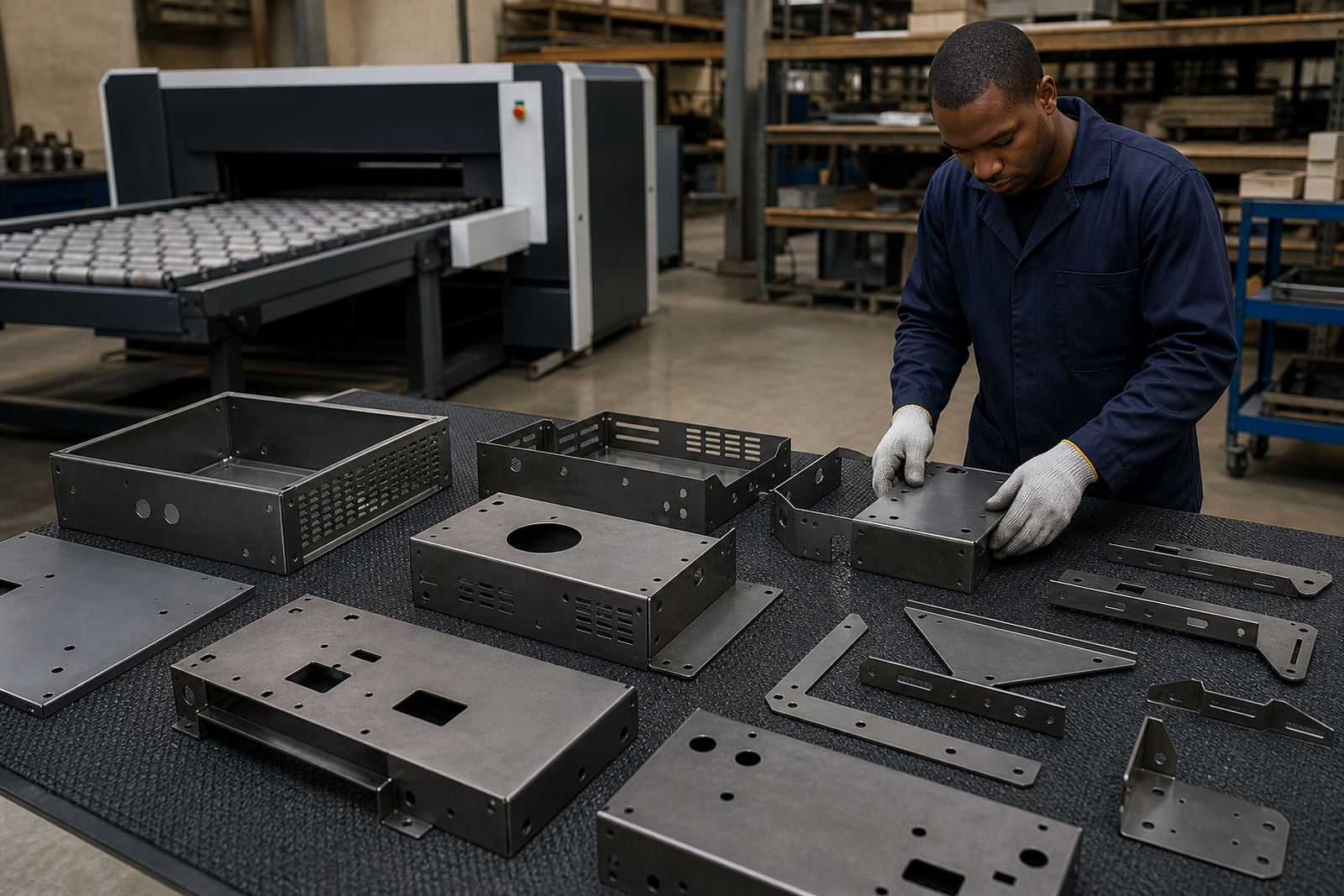
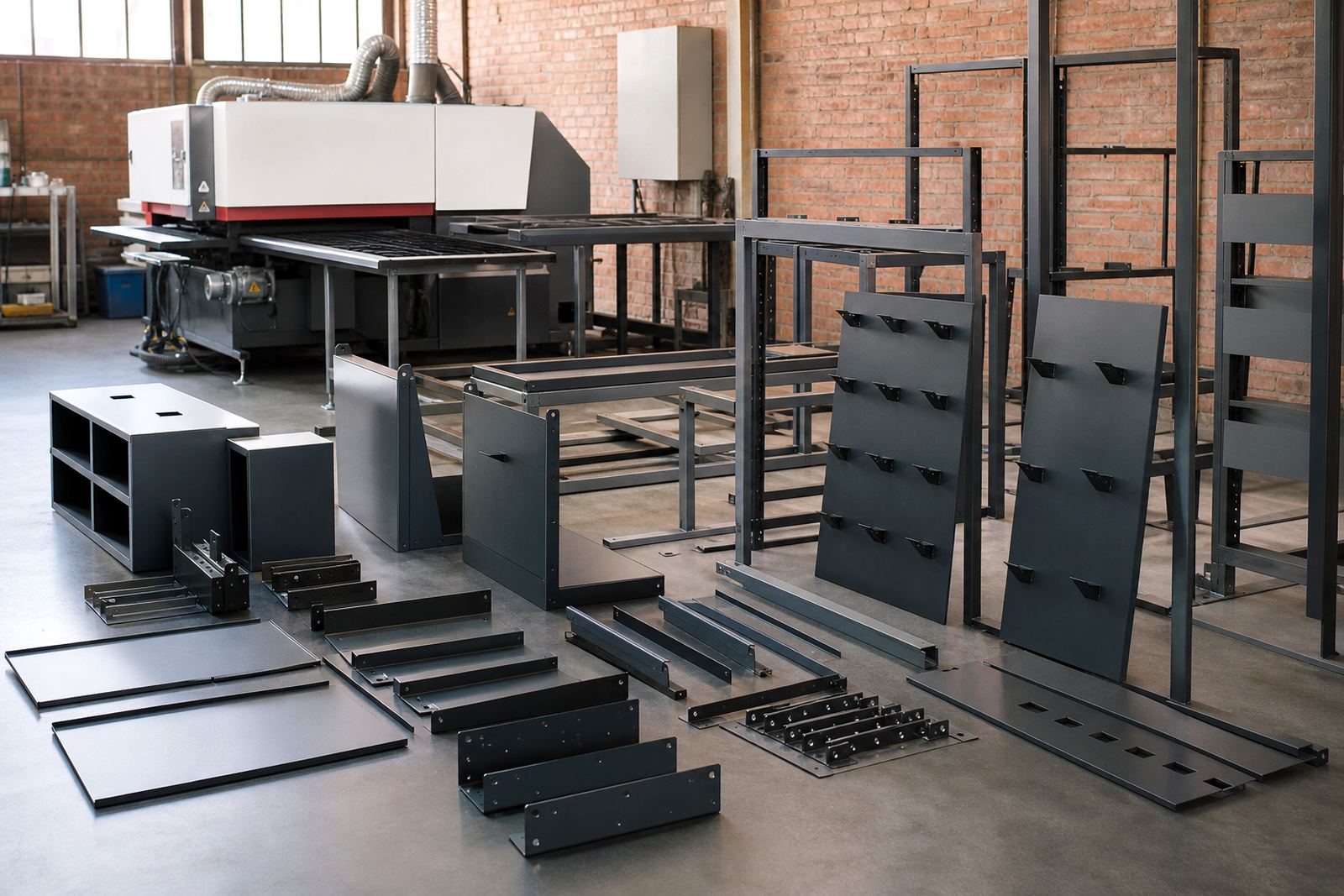
Typical equipment set for retail fixture work
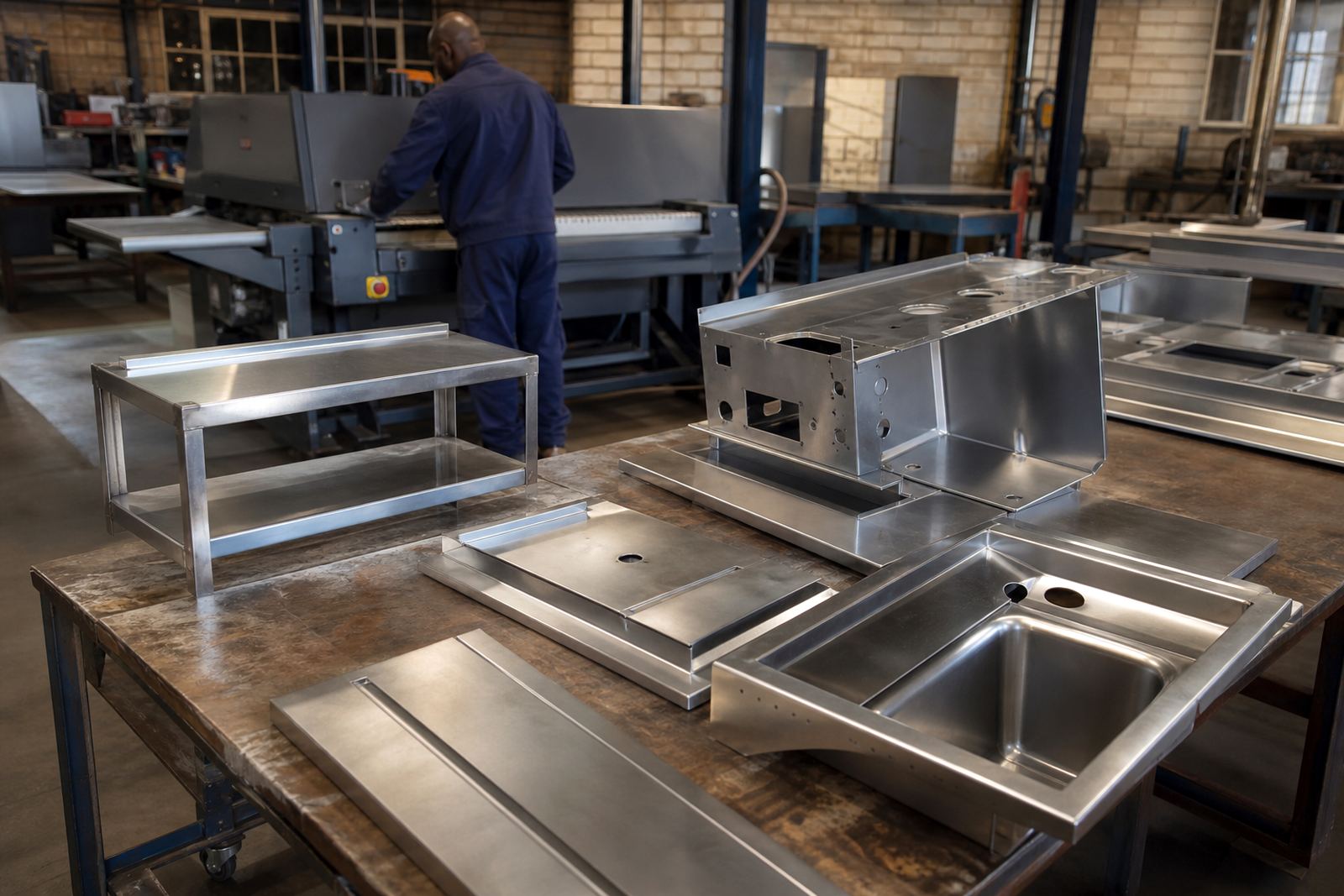
Most shopfitting metalwork operations use a combination of laser cutting, folding, welding and finishing. The finishing stage is where deburring and edge-conditioning machines make the biggest difference, especially on parts that are visible to customers or handled by installers every day.
- Laser-cut sheet metal for shelf supports, plinths and cladding trims
- Formed brackets, gussets and mounting plates with sharp cut edges
- Display frames, signage supports and service panels that need consistent edge quality
- Small welded assemblies where hand grinding would take too long
- Parts that must be coated, fitted or packed without burr-related damage
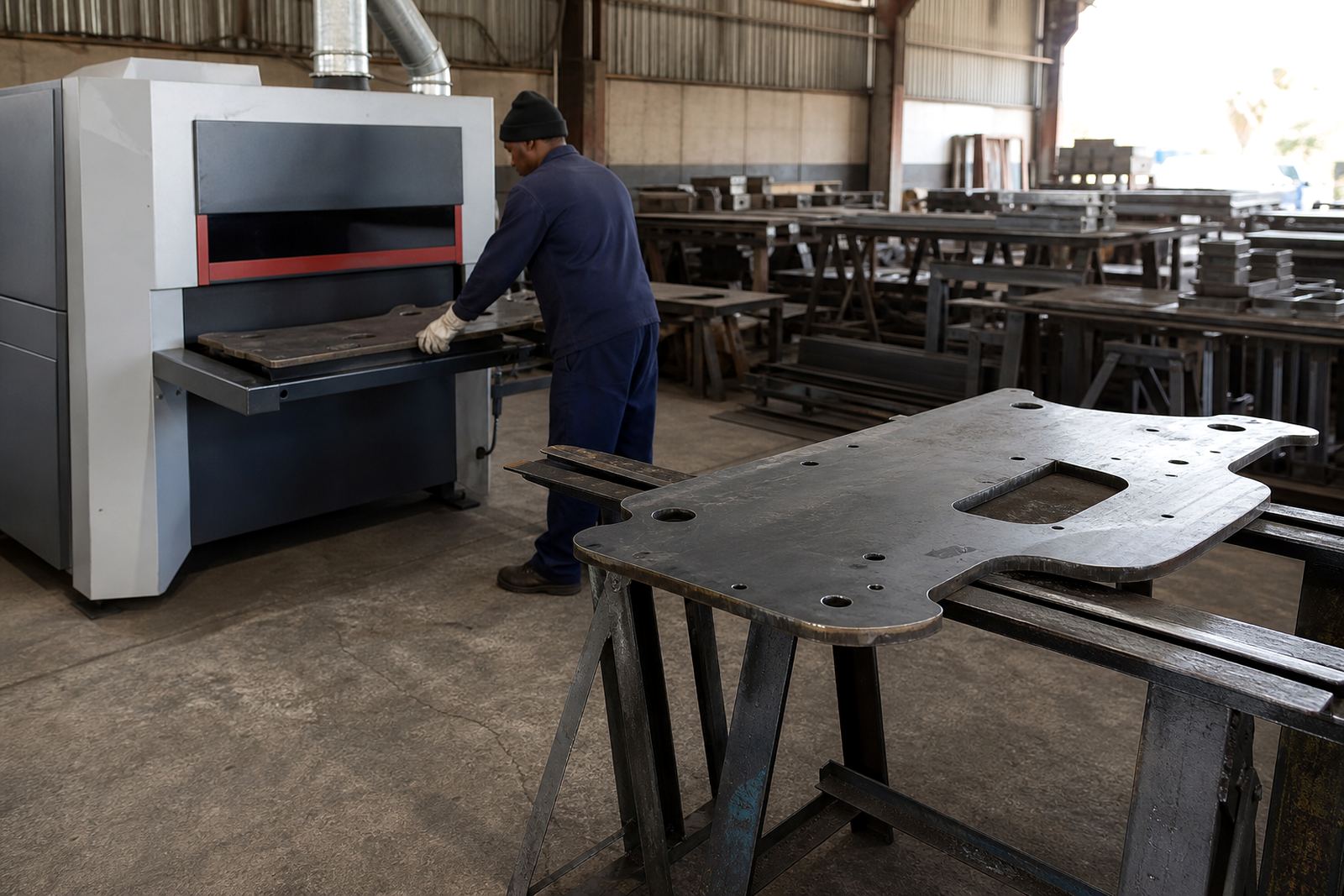
A compact machine can suit smaller retail fixture workshops, while higher-throughput plants in Wadeville or other industrial areas may need wider working widths and stronger extraction. The right choice depends on the parts you run most often, not just the biggest job on your books.
Planning the line around your real part sizes
Before choosing equipment, map the full path of the part through the workshop. Measure the common sheet sizes you cut, the folded parts you assemble, and the largest bracket or panel that still needs consistent edge-finishing. If your shopfitting work includes both small runs and repeat orders, the machine must handle both without constant adjustment.
Keep the finishing area close to laser cutting and folding so parts do not travel across the shop more than necessary. In busy Gauteng workshops, this helps reduce mix-ups and keeps throughput steady. Leave space for incoming sheets, outgoing coated parts and safe operator movement too, because cramped layouts often create hidden delays.
- Plan infeed and outfeed space for long panels and awkward formed parts
- Allow room for pallet trolleys and racks so parts do not pile on the floor
- Place dust control and extraction where maintenance is easy
- Keep electrical supply stable, especially where load-shedding backup is used
- Separate raw, finished and coated parts to avoid scratches and rework
Where deburring saves time on a shopfitting contract
The biggest gains usually show up on repeat parts. A batch of shelf brackets, drawer frames or cladding supports can be processed in one pass instead of being hand-finished piece by piece. That reduces labour time and gives a more consistent edge, which is important when multiple installers will handle the same components on different sites.
Deburring also helps with powder coating and assembly. Sharp burrs can interfere with fit, catch on jigs, or cause coating defects at corners and cut-outs. On jobs with stainless trims, mild steel supports or aluminium parts, a clean edge supports better final presentation and fewer complaints from the client. It is a small thing that affects the whole job really.
Common mistakes that cost money on retail-fit-out work
One common mistake is buying a machine that suits only one part size. Shopfitting metalwork often changes from week to week, so the equipment must cope with different panel widths and cut patterns without constant downtime. Another issue is underestimating how much handling happens after finishing.
Some workshops also rely too heavily on manual grinding. It may seem cheaper at first, but it is slower and less repeatable, especially on sharp laser-cut edges and high-volume batches. In coastal areas like Durban and Cape Town, poor storage and unprotected steel can also lead to corrosion before parts are fitted, so process flow and storage matter as much as the machine itself.
- Buying for one sample job instead of your normal production mix
- Skipping operator training, which leads to poor finish consistency
- Ignoring extraction and housekeeping around fine metal dust
- Running parts through without checking coating or handling requirements
- Delaying preventative maintenance until the machine starts marking parts
Budget ranges for South African fabricators
Budget depends on part size, throughput, finish requirements and the level of automation you need. A smaller entry-level solution for light shopfitting parts may suit a workshop looking to reduce hand finishing without changing the whole line. Larger production units with better control and wider capacity cost more, but they pay back through labour savings and fewer rejects.
As a practical guide, many South African fabricators start planning around R350,000 to R900,000 for a compact finishing setup, while higher-capacity systems can move into the R1.2 million to R3 million range depending on specification. Installation, operator training, spares and annual service planning should be included from the start so the numbers are realistic. If your production runs through peak retail seasons, factor in support as well, not just purchase price.
For shops in Johannesburg, Pretoria, Durban, Cape Town, Rustenburg and the East Rand, the best approach is to match the machine to your average weekly volume and the mix of visible versus hidden components. That gives you a clear return without overbuying.