Practical training for day-to-day machine use
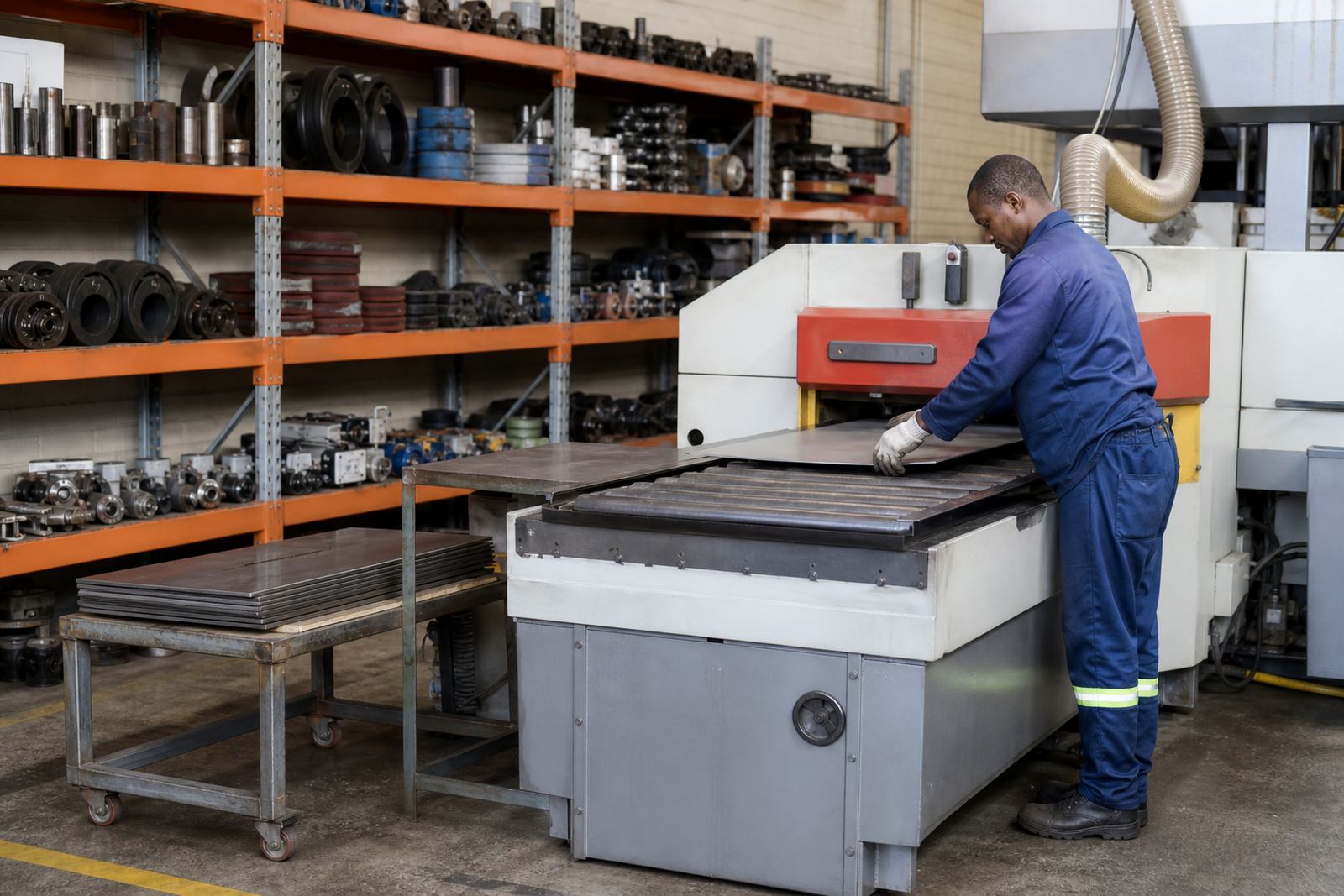
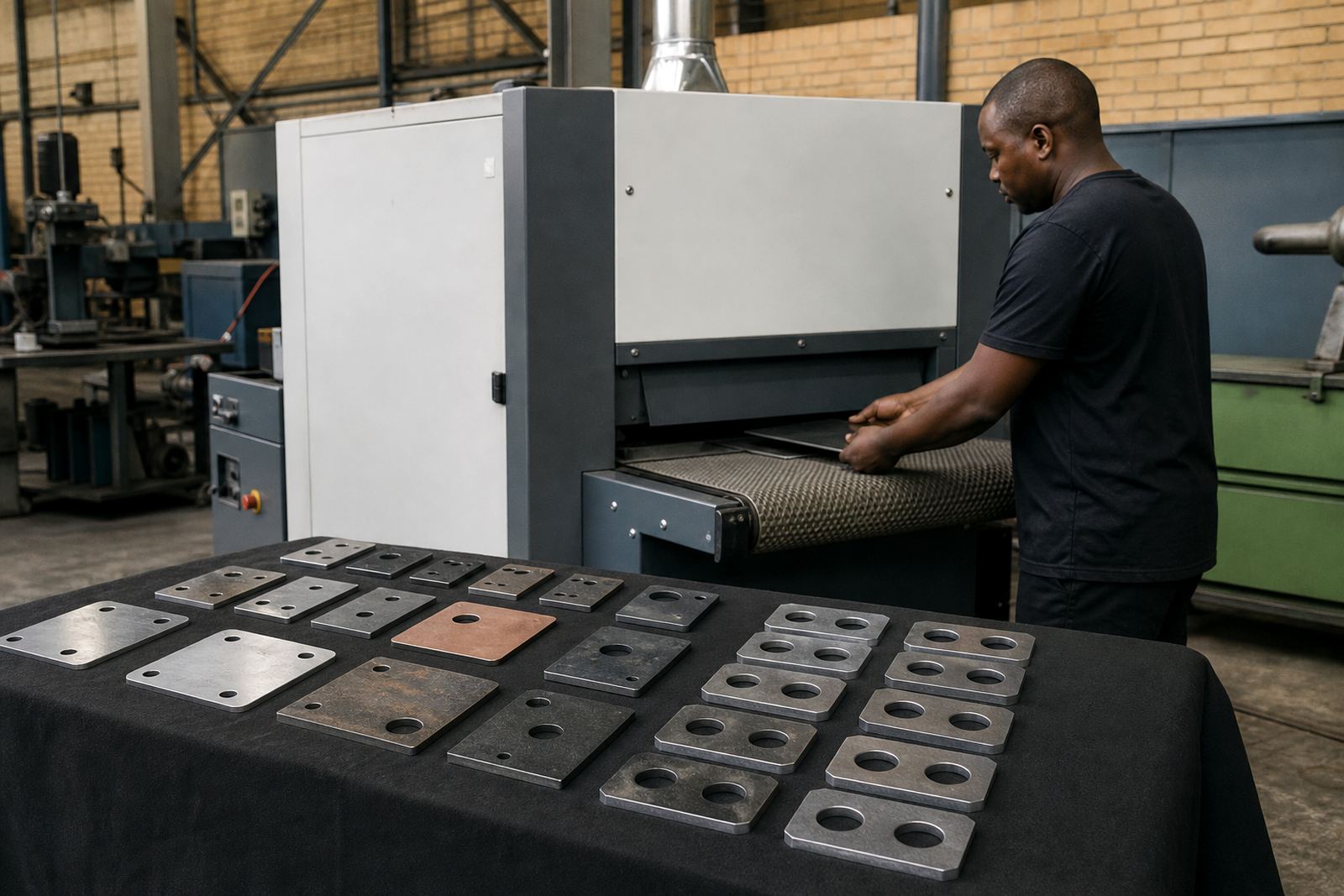
Deburring machine performance depends as much on the operator as the machine itself. Our training is built around the real work your team does on the shop floor, whether you are finishing mild steel, stainless steel or aluminium sheet after laser cutting. We cover safe start-up, settings checks, feed control, edge quality checks and the small adjustments that make a big difference to finish consistency.
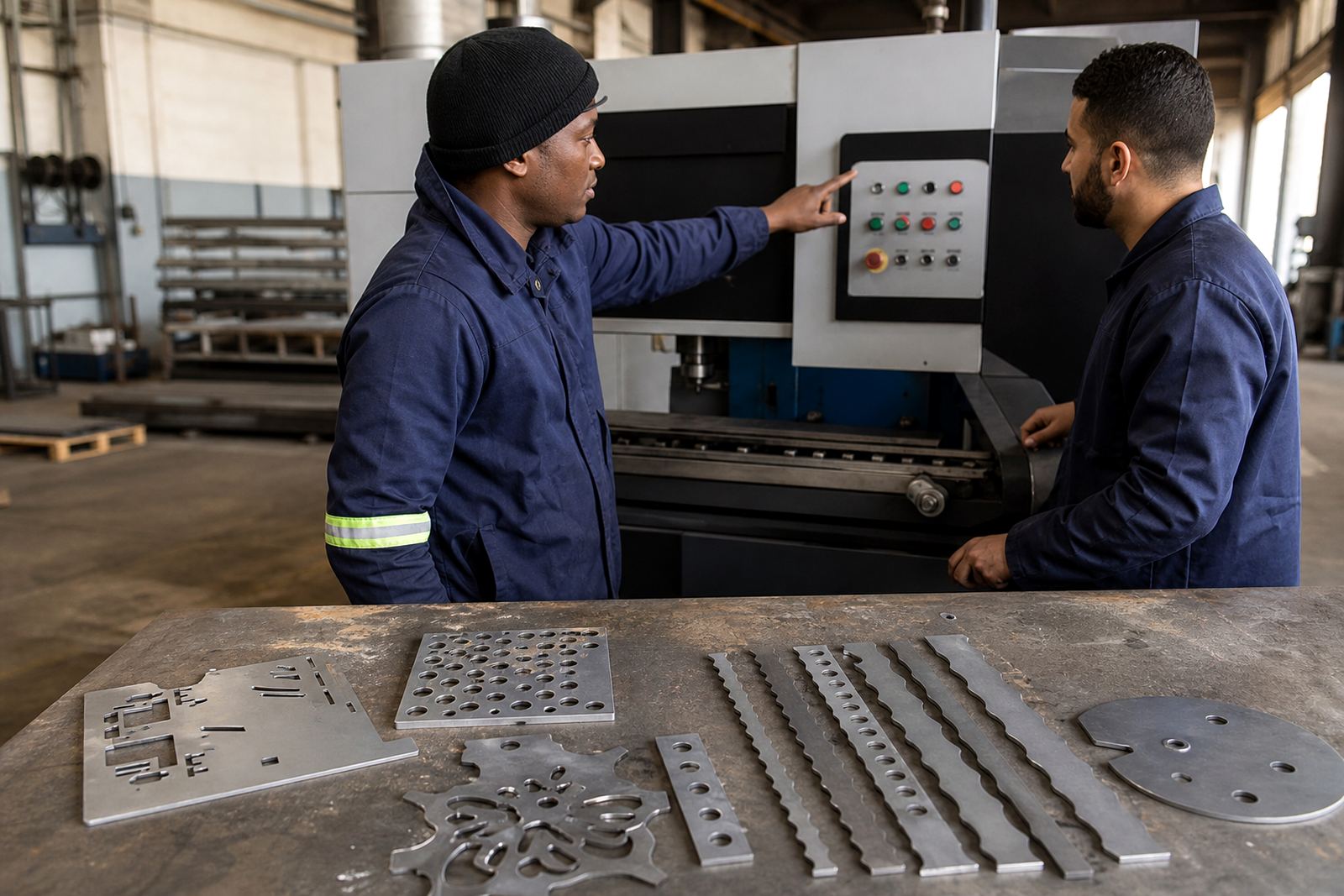
The session is hands-on and can be done at your plant in Wadeville, Germiston or at your site in Johannesburg, Pretoria, Durban, Cape Town or Rustenburg. We work with your actual part types where possible, so the operator sees how thickness, burr height, heat tint and oxide affect the final result. That makes the training more useful than a general classroom session, because the team learns on the same machine and same material they use every day.
- Safe machine start-up and shut-down
- Setting checks for conveyor speed, pressure and brush contact
- Recognising burr direction, edge sharpness and surface marks
- Basic part handling to avoid scratches and rework
- Daily cleaning points and inspection routines
What your team learns during the session
The focus is on practical skills that improve output straight away. Operators learn how to identify the correct process for each part, when to slow the feed, and how to adjust for different cut quality from the laser. We also show your team how to inspect edges properly, because a part can look acceptable at first glance but still carry sharp edges, feathering or uneven rounding that causes problems later in assembly or packing.
We include guidance on safe work habits around moving belts, rotating heads and dust build-up. In South African workshops, power interruptions and load shedding can interrupt production, so we also cover restart checks after a stop, including how to confirm settings before the next run. For sites near the coast, we look at moisture, corrosion risk and how to keep consumables in good condition in humid conditions.
- Correct part loading and spacing
- Choosing the right finishing sequence for burr removal and edge conditioning
- Quality control checks for finish, edge condition and repeatability
- Daily housekeeping around dust, swarf and abrasive wear
- Restart procedure after power cuts or emergency stops
Training process from enquiry to sign-off
Once you send an enquiry through our contact page, we confirm the machine model, material mix, sheet sizes and your current production goals. From there, we set a training plan that matches your output requirements and the skill level of the operators. If needed, we can include supervisors, maintenance staff or shift leaders so everyone follows the same process.
A standard session starts with a short machine walk-through, then moves into safe operation, settings, live runs and quality checks. We finish with a questions session and a practical sign-off list so your team knows what to repeat on the next shift. Where a site needs more support, we can split the training into separate sessions for operators and maintenance staff, which is often useful on busy lines in Germiston, Pretoria and Durban.
- Confirm machine type, sheet range and current issues
- Plan the session around your production schedule
- Deliver hands-on training with live parts
- Review results and correct process gaps
- Provide a practical handover note for the team
Turnaround, pricing approach and site access
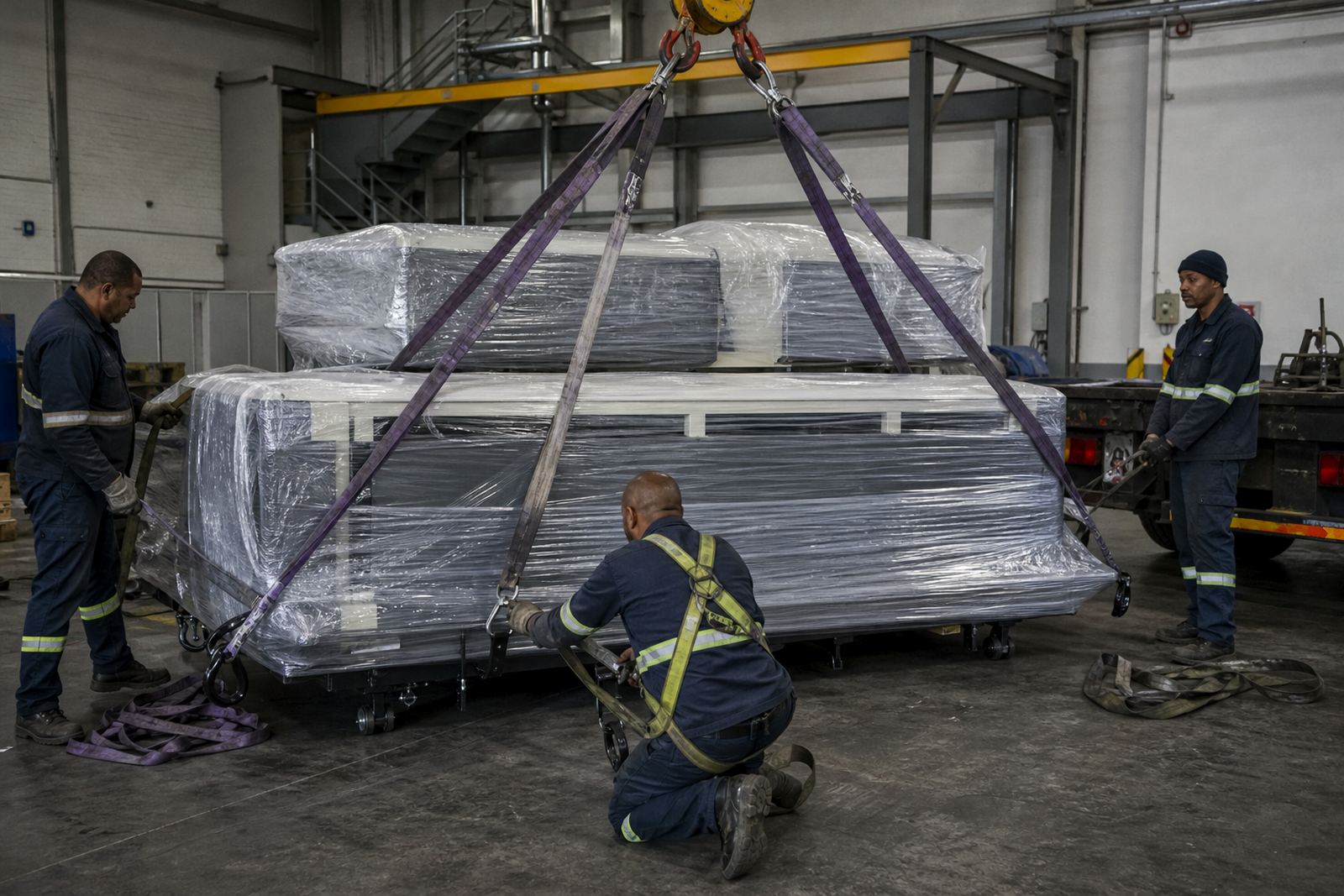
Turnaround depends on your location, the number of operators to be trained and whether the machine is already installed and running. For most South African sites, training can usually be scheduled within a practical lead time after the enquiry is received, especially for customers in Gauteng and nearby industrial areas. We try to align the visit with your shift plan so production is not disrupted more than necessary.
Pricing is quoted according to the time on site, travel, number of machines covered and whether the session includes process testing or refresher training. If you need training after a machine relocation, a major maintenance stop or a new production setup, we price the work to suit the actual scope rather than a fixed one-size-fits-all fee. That keeps the cost fair and clear.
We also keep access practical on active factory floors. If the machine is in a high-traffic area, we plan around forklift movement, loading bays and safety induction requirements. For larger plants, a short site briefing before the session helps avoid delays.
Recommended maintenance intervals after operator training
Good operator training should reduce wear and improve output, but it also needs to be backed by a simple maintenance routine. We show your team what to check daily, weekly and monthly, so the machine keeps producing clean edges without unnecessary abrasive loss or uneven finishing. This is especially important on sites running long shifts or producing mixed parts with changing thicknesses.
Daily checks normally include cleaning, visual inspection, belt or brush condition, dust removal and confirming that guards and stops are in place. Weekly checks should cover alignment, wear patterns and any signs of vibration or unusual noise. Monthly checks may include deeper inspection of consumables, drive components and finish consistency across different part types. On high-volume lines, more frequent checks may be needed.
- Daily: clean-down, safety check and finish inspection
- Weekly: wear check, alignment review and dust removal
- Monthly: deeper process check and settings verification
- After load shedding: restart inspection and test run
- After abrasive change: confirm finish consistency on sample parts
Why local support matters for South African workshops
Metal finishing in South Africa has its own pressures. Power cuts, coastal humidity, mixed material batches and tight delivery deadlines all affect how a machine should be used. Our training takes those conditions into account, so your team is not just shown buttons and settings, but how to keep production moving under real workshop conditions. That practical approach helps reduce scrap, improve consistency and cut the time spent on avoidable callouts.
Our support team includes people who understand production, service and applications, so the training does not stop at the machine panel. If your team needs follow-up help on sample parts, process optimisation or a refresher after a shift change, we can arrange it through our standard support channels. The aim is simple: better parts, safer handling and fewer surprises on the floor.
Key facts
| Training format | Hands-on at your site or by arrangement at our Wadeville, Germiston base |
|---|---|
| Typical coverage | Safe running, settings checks, edge quality control and restart procedure |
| Machine types | Deburring and edge-finishing machines for laser-cut sheet metal |
| Material range | Mild steel, stainless steel and aluminium sheet, subject to your process |
| Common session size | 1 to 6 operators per session, larger groups by arrangement |
| Follow-up support | Refresher training, process review and maintenance guidance |