What Process Optimisation Covers
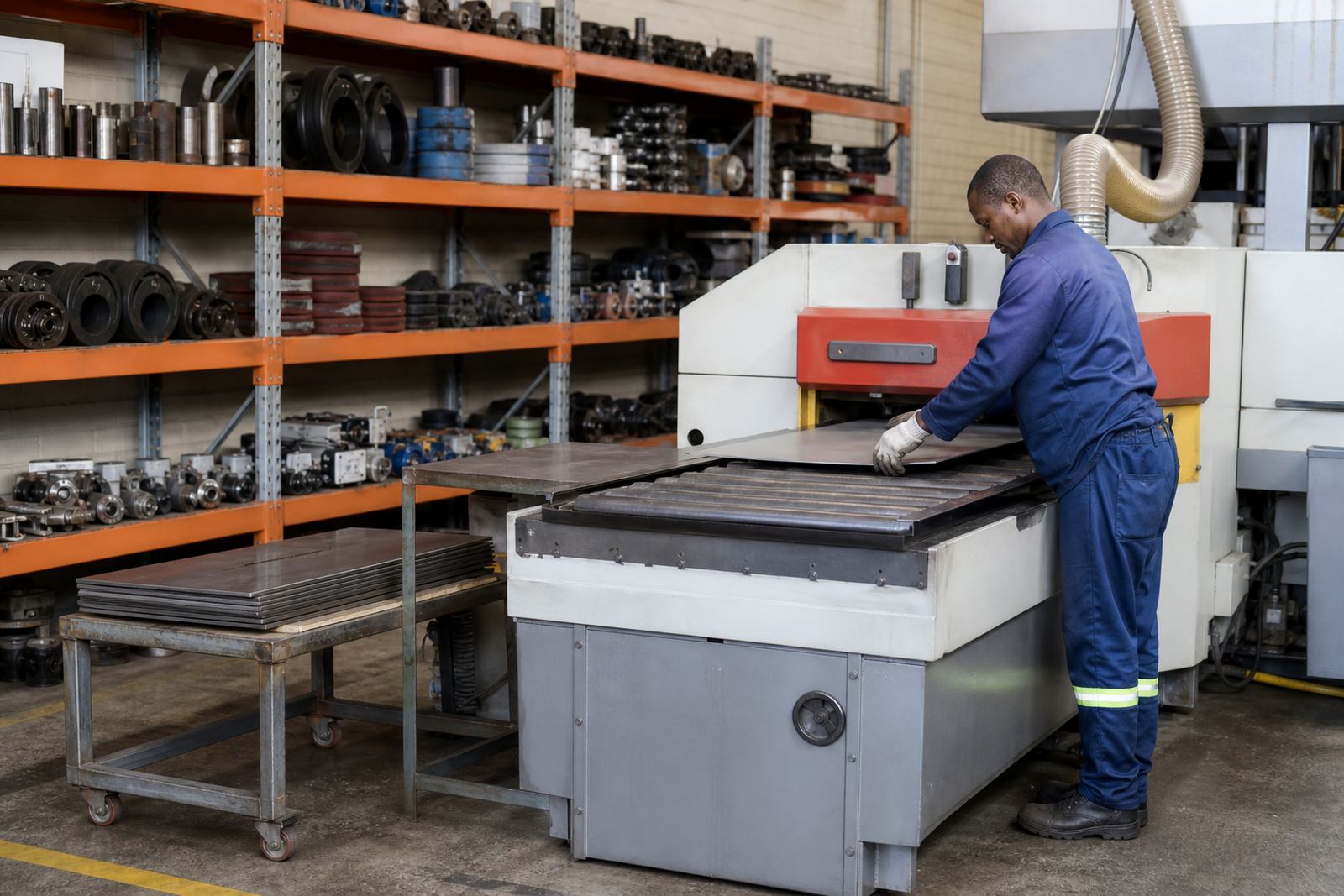
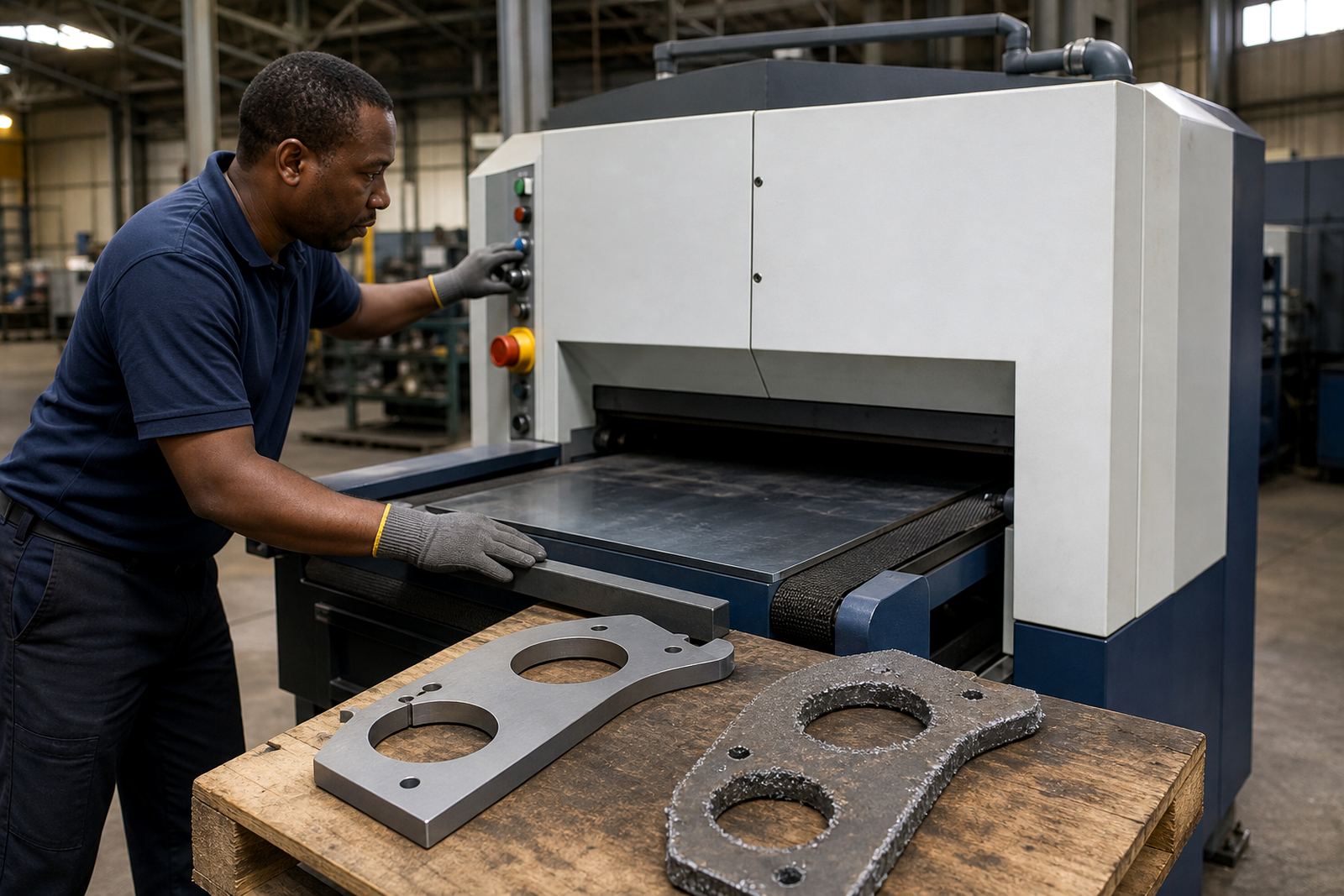
Our process optimisation service is for shops that are already cutting well, but want better output from the deburring line. We look at feed rates, brush pressure, head height, belt condition, part flow and handling between laser cutting and finishing. The aim is simple: less rework, more consistent edges, and fewer stoppages during the shift.
For laser-cut mild steel, stainless steel and aluminium parts, small changes in setup can make a noticeable difference. A feed rate that is a touch too fast can leave edge burr behind, while a head setting that is too aggressive can mark the face of the sheet. We adjust the machine to suit your material mix, part sizes and daily volumes, not a generic setting sheet.
- Feed rate tuning for different thicknesses and alloys
- Head setup and pressure adjustment for cleaner edge finishing
- Workflow checks from loading to discharge and packing
- Operator method review for consistency between shifts
- Reduction of unnecessary passes, waiting time and handling damage
How We Work On Your Line
We start with a site visit or sample review at Wadeville, Germiston, or at your plant in Johannesburg, Pretoria, Durban, Cape Town or Rustenburg. The first step is to see how your current process runs in real conditions, including material thickness, cut quality, burr type and the speed your team needs to keep up with orders.
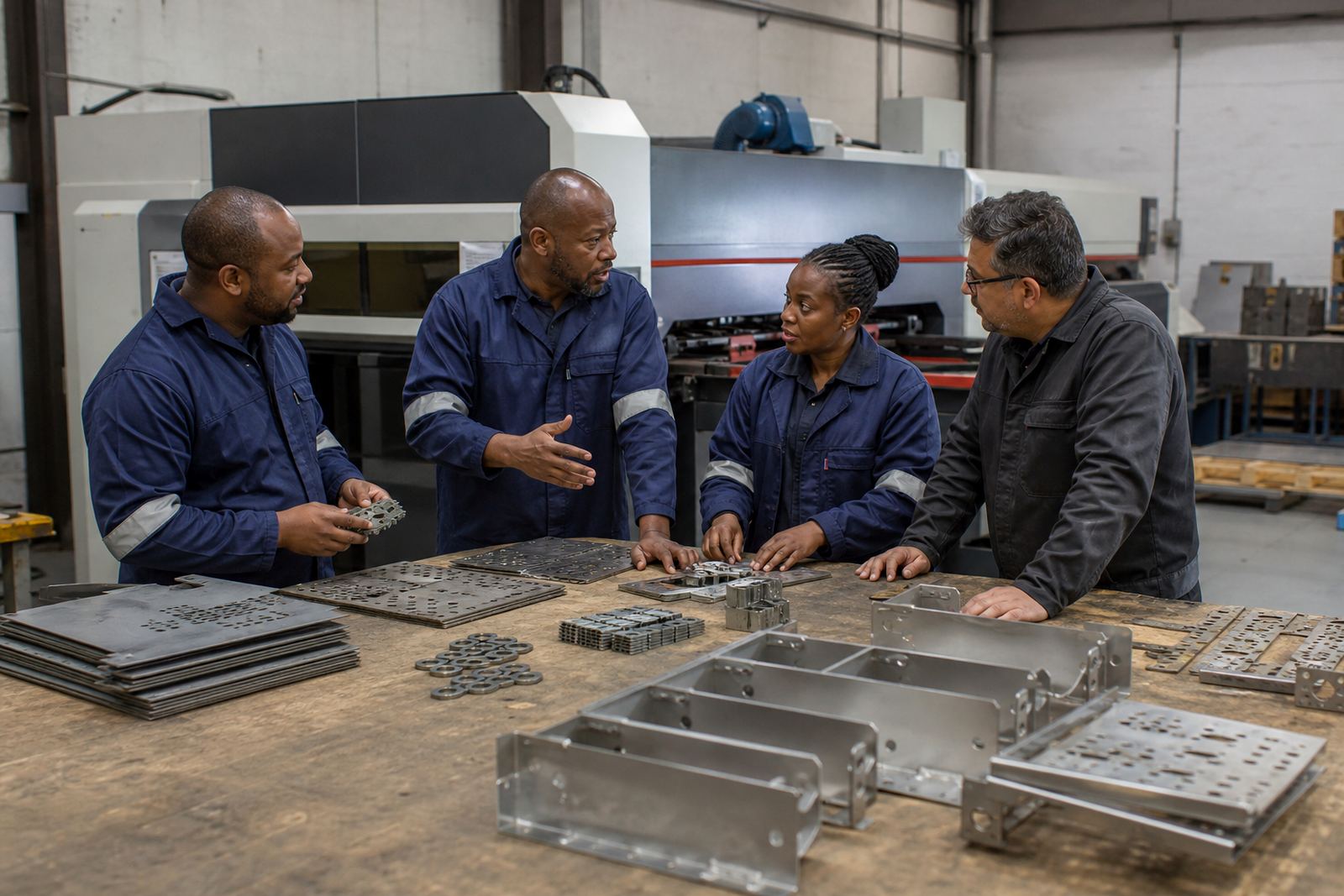
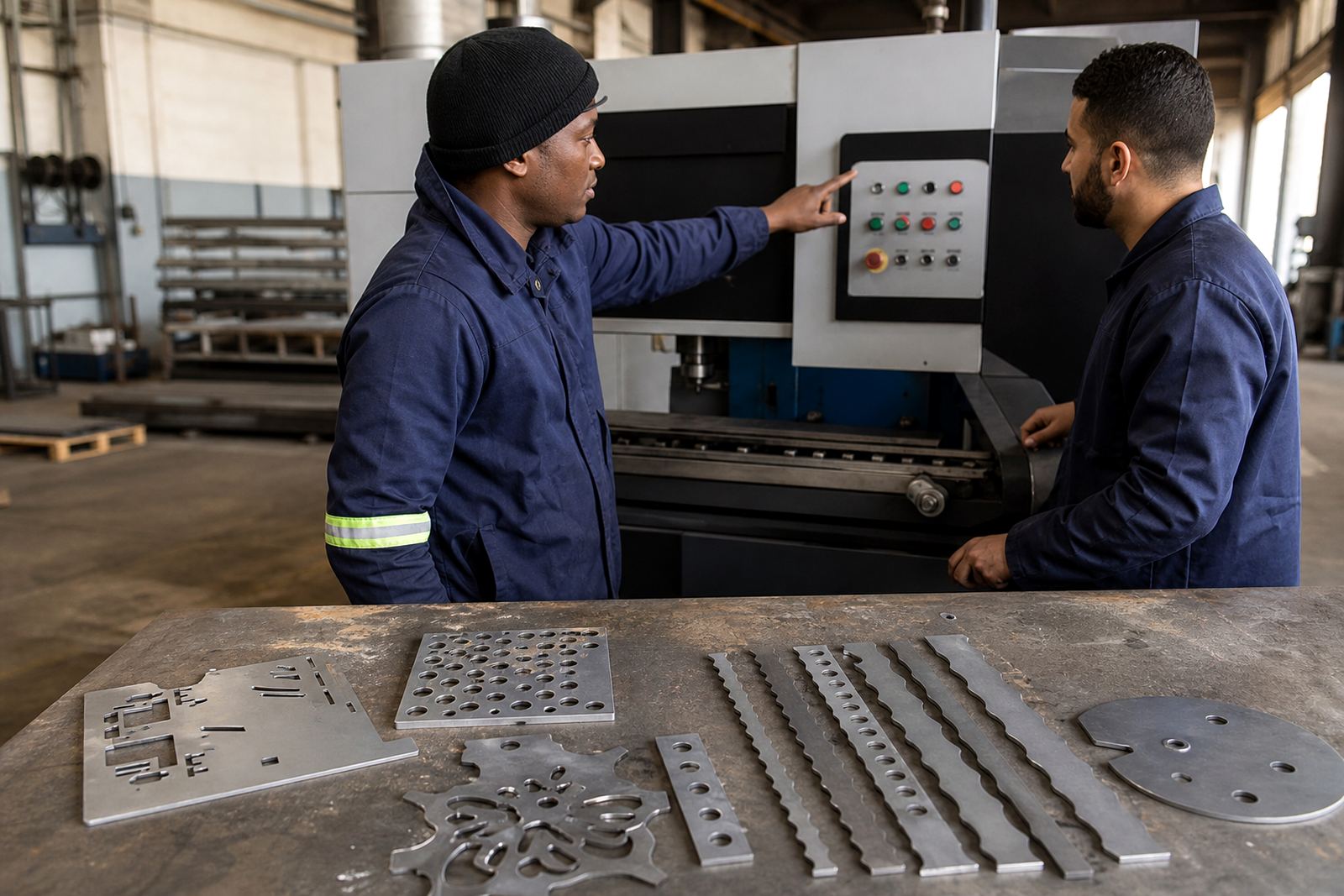
After that we test parts, compare settings and record practical changes. This may include adjusting abrasive sequence, changing head pressure, setting a better pass order, or changing how operators group parts by thickness. If the line is carrying mixed work we help separate jobs so the machine does not keep shifting from one setting to another all day.
We also look at upstream and downstream steps. A deburring machine can be set perfectly but still lose time if loading, inspection or stacking is poorly arranged. Good flow saves time, reduces mistakes and helps the shop stay on schedule, especially when power interruptions or tight delivery windows affect production.
- Initial assessment of parts, settings and bottlenecks
- On-machine trials using your own sheet metal samples
- Final recommendation sheet with practical operating values
- Optional operator coaching and follow-up review
Typical Setup Details We Review
Every workshop is different, but there are common settings that need attention. We check the machine against the material range you run most often, the finish standard your customers expect, and the shift pattern your team follows. A shop finishing thin electrical panels will need a different approach from a fabricator working on heavier structural parts.
We look at whether the machine is handling burr removal only, or also edge rounding and surface finishing. On some jobs the goal is a clean edge with minimal rounding. On others, a more even edge break is needed for safe handling and paint adhesion. Coastal humidity in Durban and Cape Town can also affect abrasive life and storage, so we take workshop conditions into account.
- Material thickness range from thin gauge to heavier plate
- Edge finish targets for paint, powder coat or assembly
- Part size, hole pattern and open edge geometry
- Dust extraction, abrasive wear and housekeeping on the line
- Production mix for short runs and repeat batch work
Turnaround And On-Site Support
For most process optimisation jobs we aim to respond quickly and keep downtime low. Smaller jobs can often be handled in one visit, while more detailed line tuning may need a return visit after the first round of changes has been tested on live work. If your production is under pressure, we plan the visit around your shift so the machine can stay productive.
Where possible we work around load-shedding windows and busy dispatch periods. If a plant in Germiston or the East Rand runs on a tight daily cut-off, we help schedule the optimisation work so your team is not left waiting for parts. Some improvements are immediate, while others need a few production cycles to confirm the best setting, and that is normal.
After the visit, we provide practical notes the team can use straight away. These include recommended feed ranges, operator checks, wear items to watch and the point where a setting should be reset after abrasive replacement or a material change.
- Fast response for urgent production issues
- Single visit or staged optimisation depending on machine condition
- Written settings and operating notes after the job
- Follow-up support if the line changes or volume increases
Pricing Approach And Value
We price process optimisation according to the machine condition, the number of settings to be tested, travel, and whether the work is done during a normal service call or as a stand-alone project. A shop that only needs a feed rate check and a few test pieces will pay differently from a plant that needs full workflow review, operator coaching and several rounds of trial parts.
Our approach is straightforward. We quote for the work needed, not for extras you do not use. If the machine needs consumables, replacement brushes or minor adjustments before testing, we will flag that before proceeding. The point is to improve output and avoid surprise costs later on. You get clearer running costs and fewer scrap sheets going through the line.
For many fabricators, the return comes from lower rework, better finish consistency and fewer interruptions during a shift. Even a small change in throughput can make a useful difference over a month, especially for shops handling repeat orders for cabinet work, enclosure panels, brackets and laser-cut components.
Maintenance Intervals That Keep Results Consistent
Optimised settings do not stay perfect forever. As brushes wear, abrasives age and production mix changes, the line needs regular checks to stay on target. We normally recommend a scheduled review after a set production period, or whenever you change material type, thickness range or shift pattern.
As a practical guide, many shops benefit from a monthly visual check, a quarterly performance review and a full service inspection at least once a year. If your workshop runs long shifts, handles abrasive materials or works in dusty conditions, the intervals may need to be shorter. A short check now can save a bigger repair later, and keep output steadier when orders pick up.
- Monthly check of wear parts, dust build-up and finish quality
- Quarterly review of settings, feed rates and operator method
- Annual service check for bearings, heads and drive components
- Immediate review after a major material mix change or repeated burr issues
Who In Our Team Handles The Work
Process optimisation is led from our Wadeville base by Pieter Johannes van der Merwe with support from Thandiwe Mokoena, Sibusiso Dlamini, Ayesha Patel, Johan Kruger and Lerato Nkosi. That means sales, applications, service and workshop support are all handled by people who understand metal finishing in a working shop, not from a call centre or general office.
If you need better edge quality, steadier output or a cleaner workflow on your laser-cut sheet metal line, we can help from our support areas in Wadeville, Germiston, Johannesburg, Pretoria, Durban, Cape Town, Rustenburg and the East Rand. Clients reach us through the enquiry form on our contact page, and we will work from there to book the right support for your plant.
Key facts
| Service focus | Feed rates, head setup, workflow and finishing consistency |
|---|---|
| Material range | Laser-cut mild steel, stainless steel and aluminium |
| Typical site base | Wadeville, Germiston with support across South Africa |
| Turnaround | Single visit or staged review depending on line condition |
| Pricing method | Quoted to machine condition, travel and test scope |
| Recommended interval | Monthly checks, quarterly review, annual service |
| Output gain target | Less rework, steadier throughput and cleaner edge finish |