What Sample Part Testing Covers
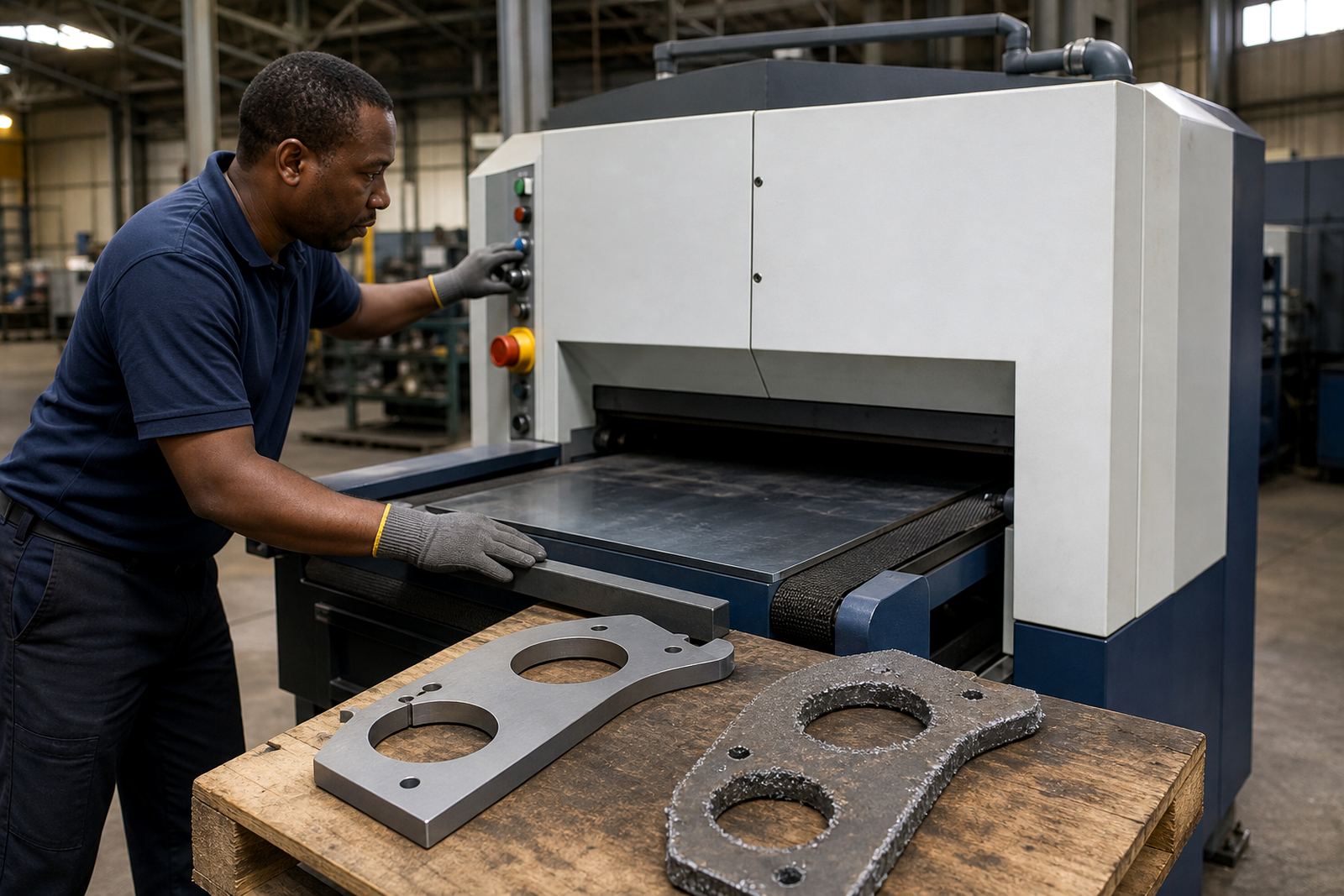
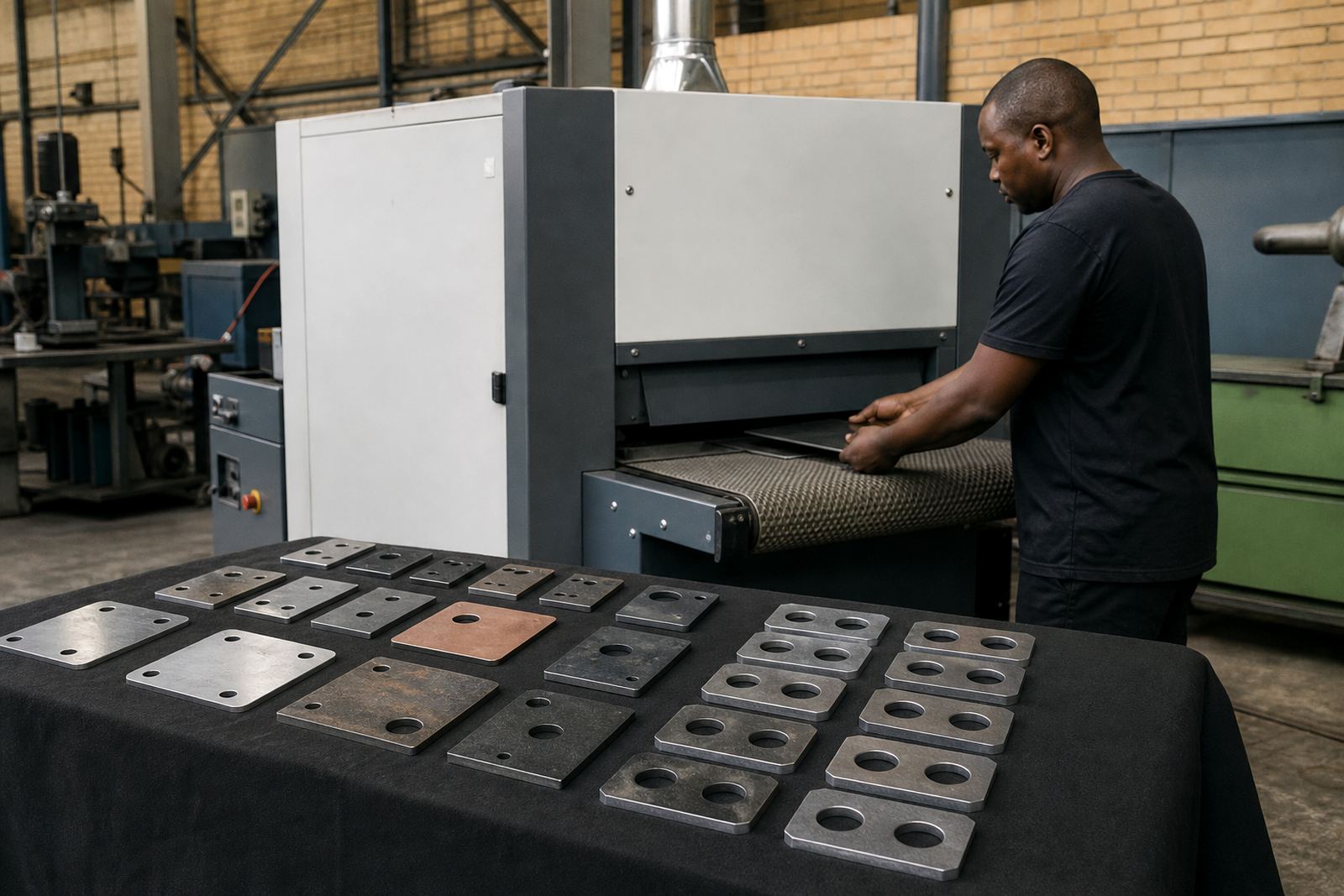
Sample part testing is a practical trial on your own laser-cut sheet metal parts to check whether a deburring or edge-finishing process suits your product, throughput and finish requirements. We process selected parts through the relevant machine setup, then assess edge condition, surface marks, burr removal and overall consistency.
This service is useful when you are working with stainless steel, mild steel or aluminium, and need to know how the machine will handle different thicknesses, nesting patterns and cut quality. It also helps compare a quick light clean-up against a more detailed finish where the part will be visible, handled often, or go to coating and assembly.
- Trial processing on your own parts
- Comparison of finish quality across settings
- Assessment of speed, consistency and handling
- Suitability checks for different thicknesses and cut edges
- Feedback on whether the process fits your production flow
How We Run the Trial From Receipt To Results
Once you send the enquiry through the contact form, we confirm the part type, material, thickness and expected finish standard. For most trials, we ask for a few sample parts from the same batch, plus details on the laser settings, cutting gas and any known edge issues. That gives us a fair basis for testing and helps avoid false conclusions from an unusual part or a one-off cut problem.
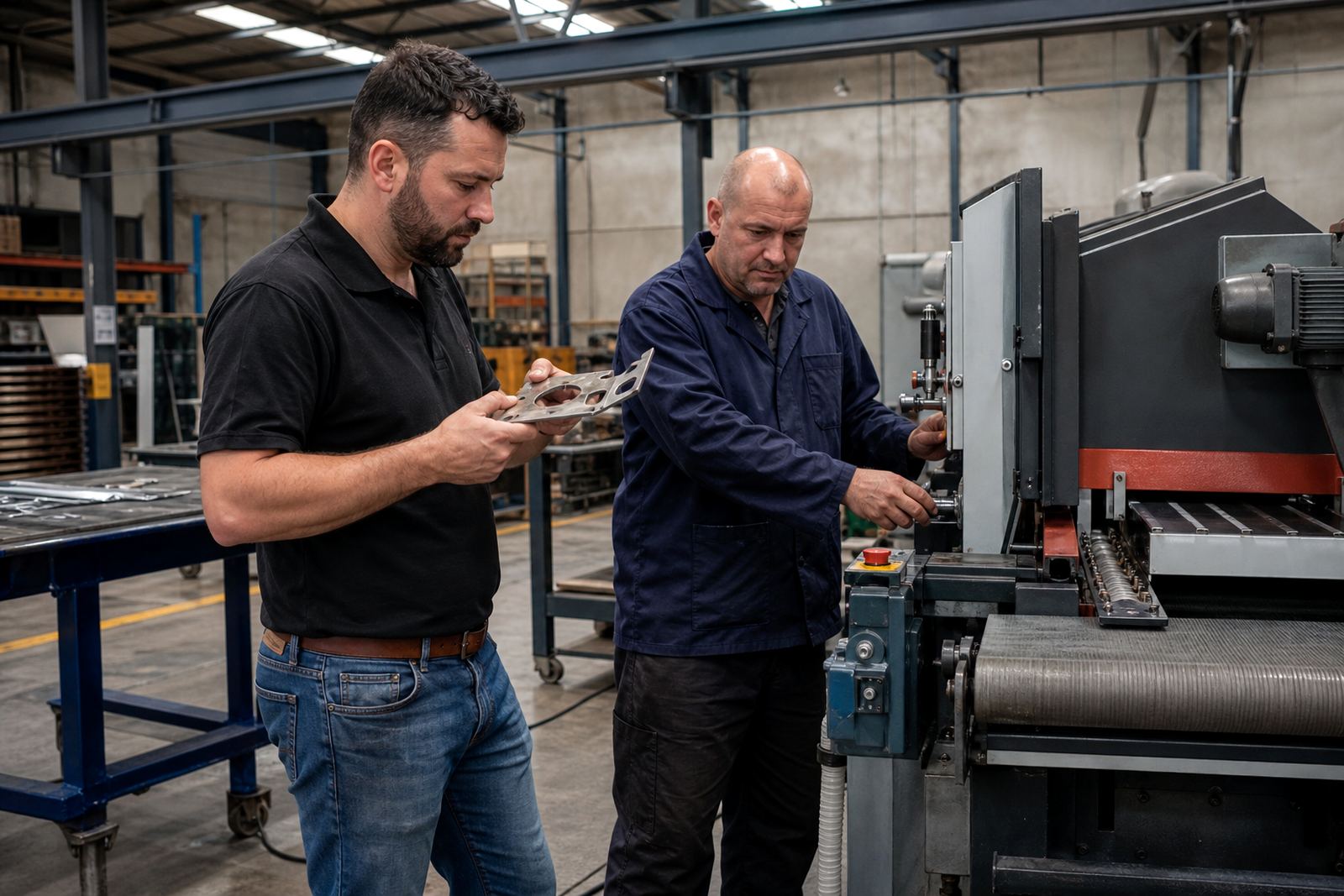
The process is straightforward. We inspect the parts, agree the trial goal, run them through the selected deburring or edge-finishing sequence, then review the outcome with you. If needed, we can also compare more than one process path so you can see the difference in finish, cycle time and consumable use.
- Initial part review and application discussion
- Trial plan based on material and thickness
- Processing on selected machine settings
- Finish inspection and feedback on results
- Optional comparison against another process route
For manufacturers in Johannesburg, Pretoria, Durban, Cape Town and Rustenburg, we can arrange the next step around collection, drop-off or site coordination depending on what suits the job. In Wadeville and the East Rand, turnaround is often quicker because parts can move through the process with less transport delay.
What We Measure During Testing
We do not just look at whether the burr is gone. We check the details that affect production day after day, especially when your line is busy and the machine has to keep moving. The aim is to show whether the selected process can meet your finish target without slowing output or creating rework.
- Burr removal and edge consistency
- Edge radius and touch safety
- Surface marking, scratch risk and contact points
- Behaviour on holes, slots and internal cut-outs
- Handling of thin sheet, heavier gauges and mixed batches
- Process speed per part or per batch
Where suitable, we also flag likely maintenance intervals, abrasive wear patterns and any setup notes that could improve repeatability. If your parts go to powder coating, welding or final assembly, we will highlight anything that may affect downstream work. A clean edge today can save time at the next operation, and sometimes alot of rework.
Typical Parts, Materials And Machine Specs
Sample part testing is geared for laser-cut sheet metal parts used in fabrication, equipment manufacture and light to medium production work. Common test parts include flat brackets, panels, gussets, covers, punched components and parts with mixed internal and external edges. If your batch has sharp corners, fine cut details or heat tint, we can judge how the machine deals with those areas before you commit to full production use.
Our testing is typically carried out on equipment suited to sheet metal deburring and edge-finishing work, with machine capabilities selected to match the part profile. Exact settings depend on the part, but the trial normally considers working width, material thickness range, feed speed, abrasive configuration and extraction requirements. We also factor in South African workshop realities like load-shedding, compressed air availability and dust control, because those things affect day-to-day use.
- Material types: mild steel, stainless steel and aluminium
- Typical thickness range: light gauge to heavier sheet, depending on part shape
- Part formats: flat laser-cut components, nested parts and mixed batches
- Focus areas: burr removal, edge blending and surface consistency
- Workshop factors: power stability, extraction, air supply and floor space
Turnaround Time And Pricing Approach
Turnaround depends on the part count, material mix and whether we are comparing more than one finish method. Small trials can often be completed quickly once the parts are received, while more detailed comparisons may take longer if we need to test different settings or abrasive grades. We will give you a clear time frame before the trial starts, so you know when to expect feedback.
Pricing is based on the scope of the trial rather than a one-size-fits-all fee. We look at the number of parts, the complexity of the edges, the material type and whether report back notes are required. If the work includes multiple passes or repeat testing, that is explained upfront. No hidden extras, just a practical quote matched to the job.
- Simple single-batch trials for quick comparison
- Extended trials for process selection or product development
- Quoted according to part quantity and complexity
- Clear guidance on any extra testing before work starts
After-Test Advice, Maintenance And Next Steps
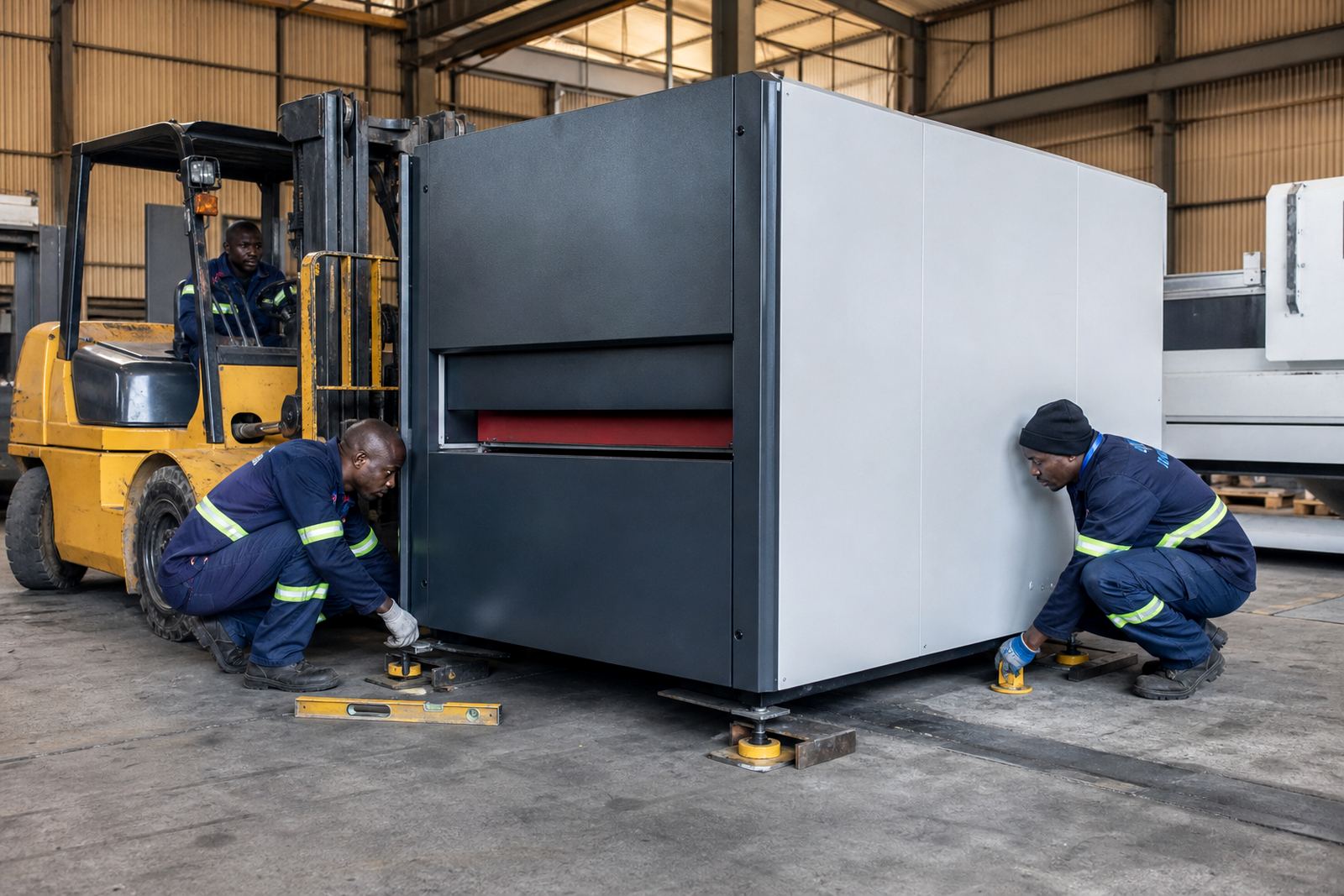
After the trial, we go through the outcome with you and discuss what the results mean for your line. If the process is a fit, we can talk about installation, operator training, spares planning and maintenance scheduling. If it is not the best match, we will say so plainly and point out what would need to change for better results.
For shops running daily production, maintenance intervals matter just as much as the first result. We can advise on cleaning cycles, abrasive replacement timing, inspection points and service intervals based on your part mix and output target. In many South African workshops, a sensible preventative routine is better than waiting for a breakdown, especially when downtime lands in the middle of a busy order book.
- Review of test results and production fit
- Advice on maintenance intervals and consumables
- Support with setup for repeat production runs
- Optional follow-up audit after installation or ramp-up
Our base is in Wadeville, Germiston, and we support manufacturers across Johannesburg, Pretoria, Durban, Cape Town and Rustenburg. Whether you are testing a first part or trying to solve a finish problem on an existing batch, sample part testing gives you a proper answer before you commit.
Key facts
| Test material types | Mild steel, stainless steel and aluminium |
|---|---|
| Part size focus | Flat laser-cut sheet metal parts, panels and brackets |
| What is checked | Burr removal, edge finish, marks, speed and consistency |
| Typical output | Trial result notes with process suitability feedback |
| Service area | Wadeville, Germiston and across South Africa |
| Follow-on support | Installation, training, maintenance and process help |